In the world of photography, capturing images is an art that is built upon technical foundations. One of the key technical aspects that greatly influences the quality and clarity of an image is resolution. Whether you’re a professional photographer or an enthusiast, understanding resolution is essential to producing images that stand out and make an impact. In this article, we’ll delve into the concept of resolution in photography, its significance, and how it plays a crucial role in the creation of stunning visual content.
Understanding Resolution
Resolution in photography refers to the amount of detail that an image holds. It is often expressed in terms of pixels and represents the number of pixels present in both the width and height of an image. The more pixels an image has, the higher its resolution and subsequently, the finer the details it can capture. Resolution is a critical factor that determines how crisp an image appears when printed or displayed digitally.
Pixel Count and Image Quality
The pixel count directly correlates with image quality. A higher pixel count provides the capability to capture intricate details, vibrant colors, and smooth gradients. This becomes particularly evident when images are viewed in larger formats, such as posters or banners, where low-resolution images can appear pixelated and lack sharpness.
Modern cameras come with varying resolution capabilities, ranging from entry-level models to high-end professional cameras. For example, a typical smartphone might have a resolution of around 12 megapixels, while professional DSLR cameras can offer resolutions exceeding 50 megapixels.
Impact on Printing
Resolution plays a significant role in how an image appears when it’s printed. The concept of dots per inch (DPI) comes into play here. DPI refers to the number of ink dots printed per inch on paper. A higher DPI results in more dots, creating a smoother and more detailed print. To achieve high-quality prints, an image’s resolution needs to be appropriate for the desired print size.
If an image’s resolution is too low for the print size, the result is a phenomenon known as pixilation, where individual pixels become visible to the naked eye, leading to a loss of image clarity. To avoid pixilation and ensure a professional-looking print, it’s crucial to use images with adequate resolution for the intended print dimensions.
Resolution in Digital Displays
In the realm of digital displays, such as computer monitors, tablets, and smartphones, resolution also plays a pivotal role. The clarity and sharpness of images on these screens are greatly influenced by their pixel density. Pixel density refers to the number of pixels per inch on a display screen. Displays with higher pixel densities showcase images more vividly and with finer details.
Common display resolutions include Full HD (1920×1080 pixels), 4K Ultra HD (3840×2160 pixels), and even 8K Ultra HD (7680×4320 pixels). The choice of resolution depends on the display’s physical dimensions and the intended use. For instance, a larger monitor would require a higher resolution to maintain image sharpness, especially when viewing from a closer distance.
Balancing Resolution and File Size
While high resolution is desirable for capturing details, it’s essential to strike a balance between resolution and file size, especially when it comes to sharing images online. Images with extremely high resolutions can result in large file sizes, which might be impractical for web usage due to slower loading times.
Compression techniques, such as JPEG and PNG formats, help reduce file sizes while maintaining acceptable image quality. However, excessive compression can lead to a loss of detail and an increase in artifacts. Finding the right balance between resolution and file size is crucial when preparing images for different platforms.

How St Louis Video & Photo Can Elevate Your Visual Content
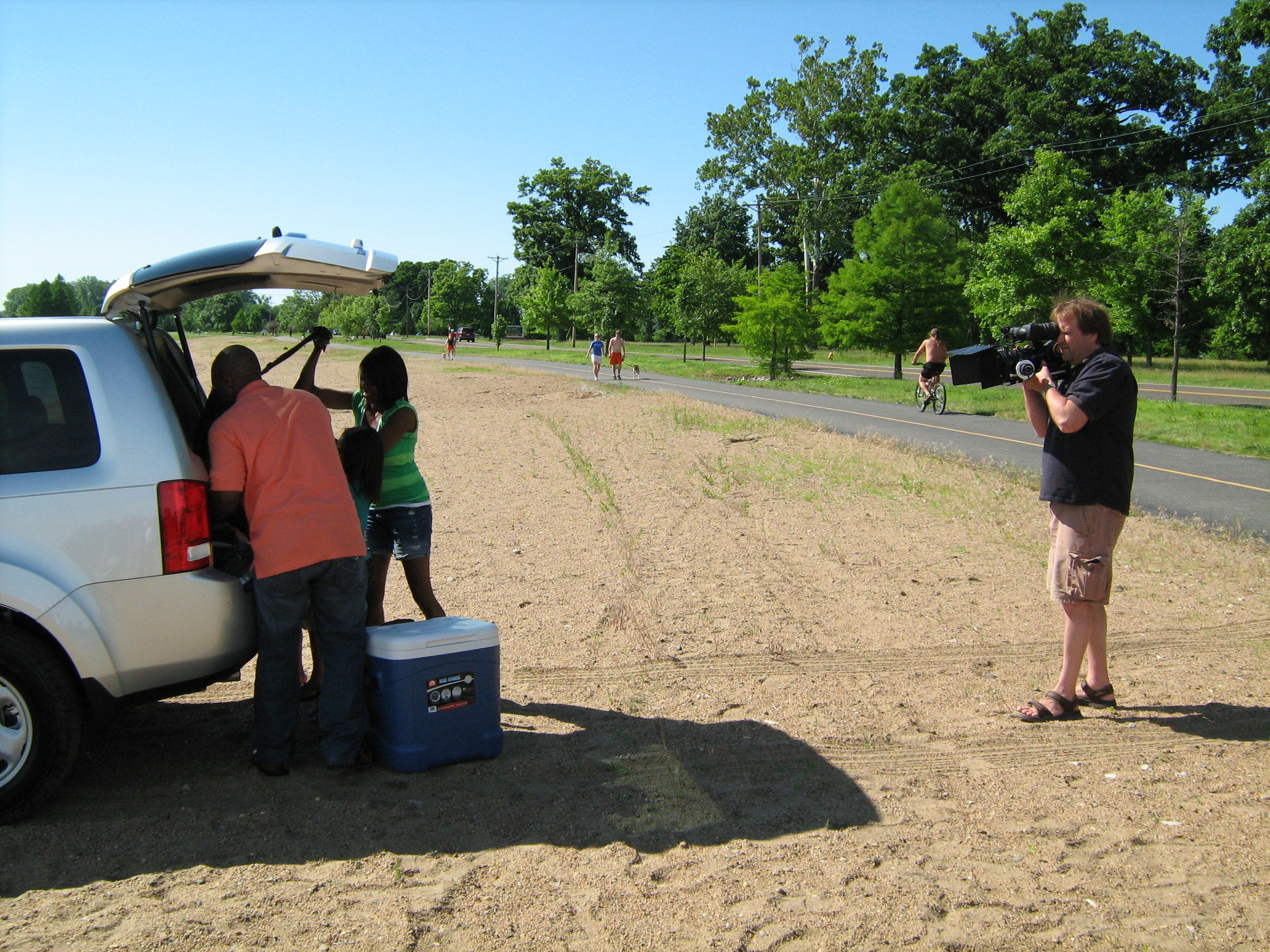
As a full-service video production and photography studio based in St. Louis, we at St Louis Video & Photo understand the intricacies of resolution and its role in creating captivating visual content. With years of experience, we’ve catered to the diverse needs of businesses and organizations, both large and small, in the St. Louis region.
Our team of experienced professionals excels in all aspects of video production and photography, ensuring that your multimedia creations are of the highest quality. Whether it’s corporate branding, business marketing, or any other visual communication needs, we have the expertise to deliver exceptional results.
As a professional photo and video company, St Louis Video & Photo has produced hundreds of video projects for all types of businesses and organizations. Our commitment to excellence and attention to detail set us apart as a trusted partner for all your visual content requirements.
Don’t settle for ordinary. Elevate your brand with visually striking content. Contact St Louis Video & Photo to explore how we can enhance your corporate branding and business marketing through the power of high-quality video production and photography.
 St Louis Video & Photo