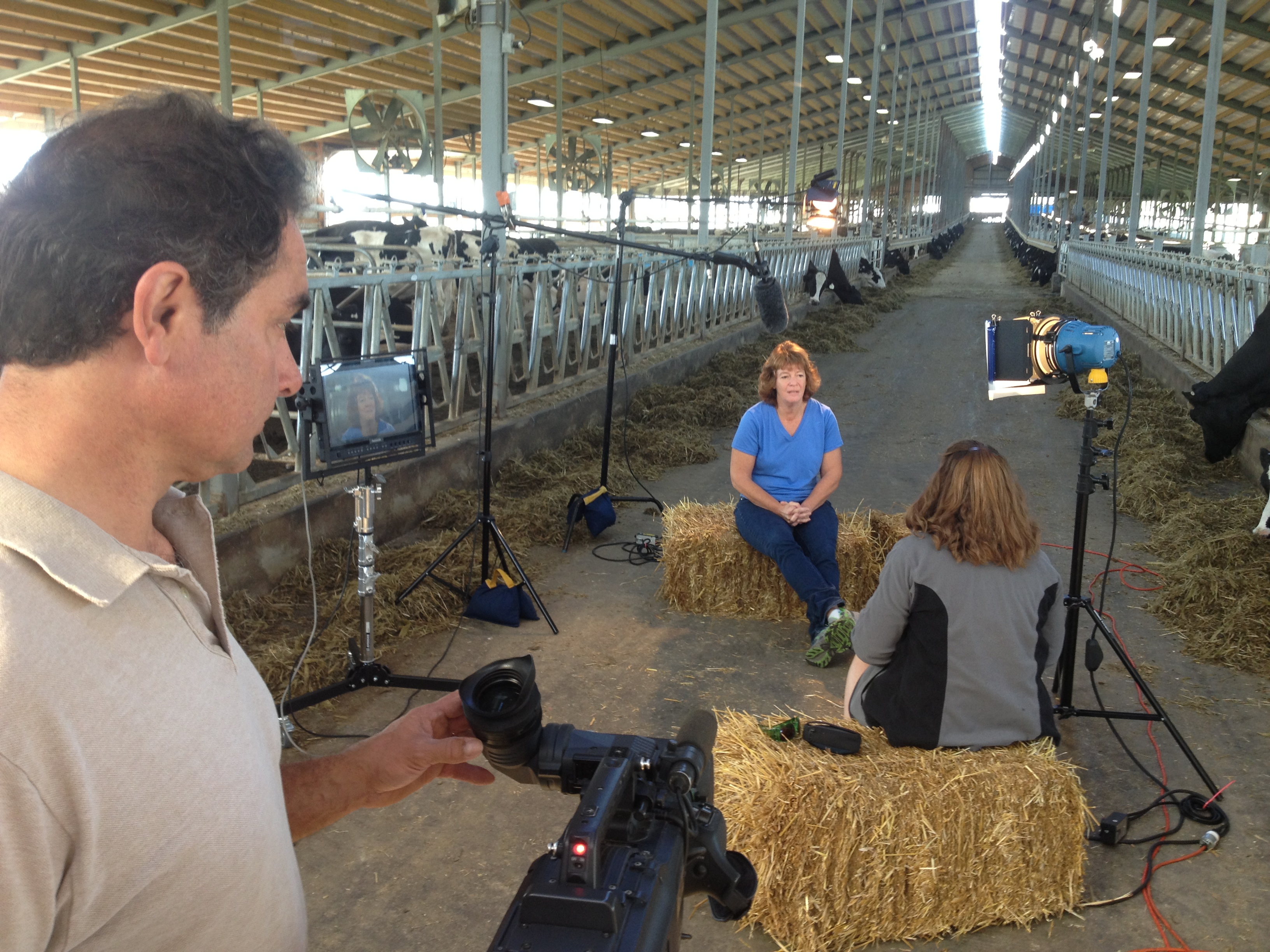
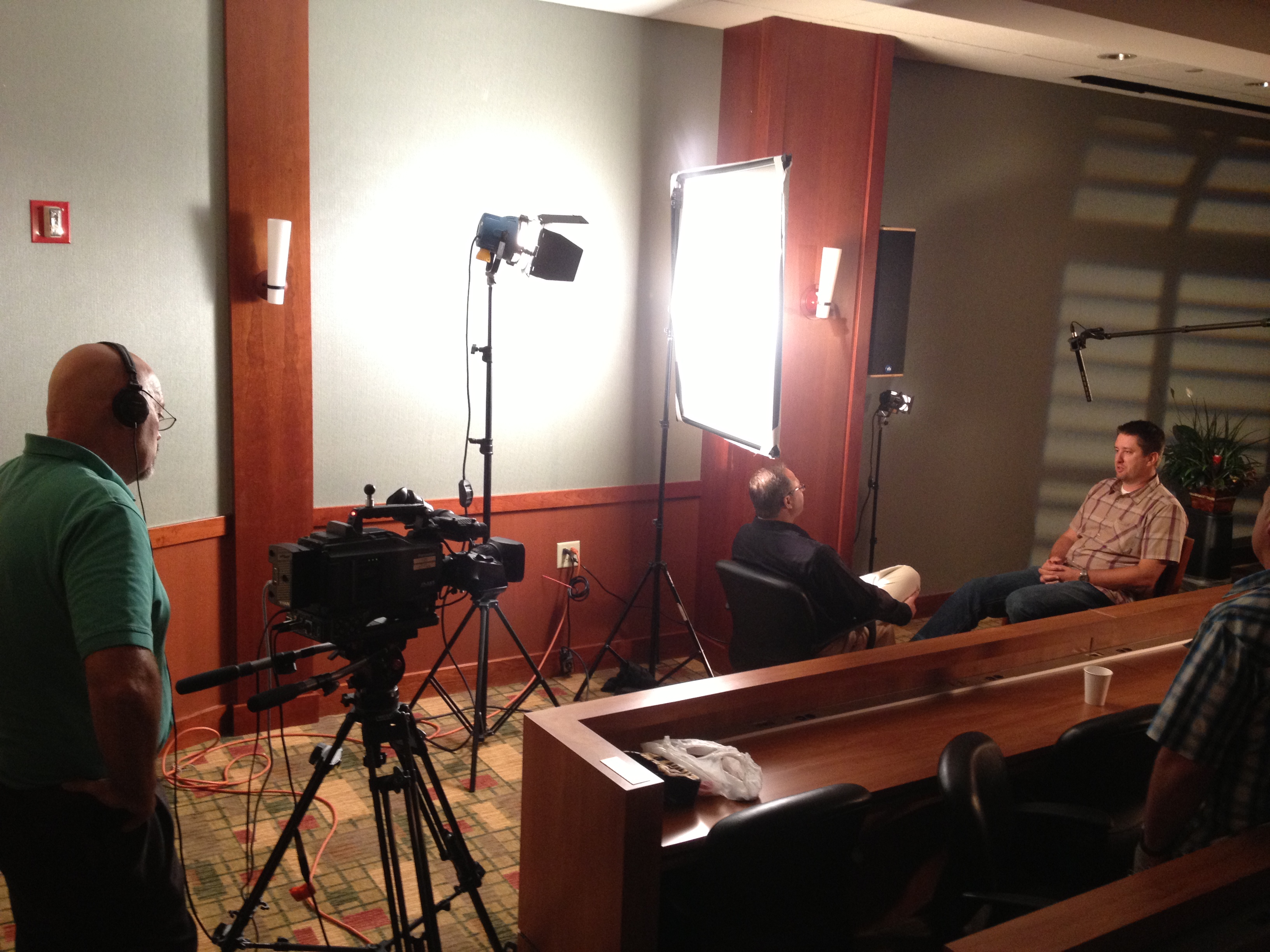
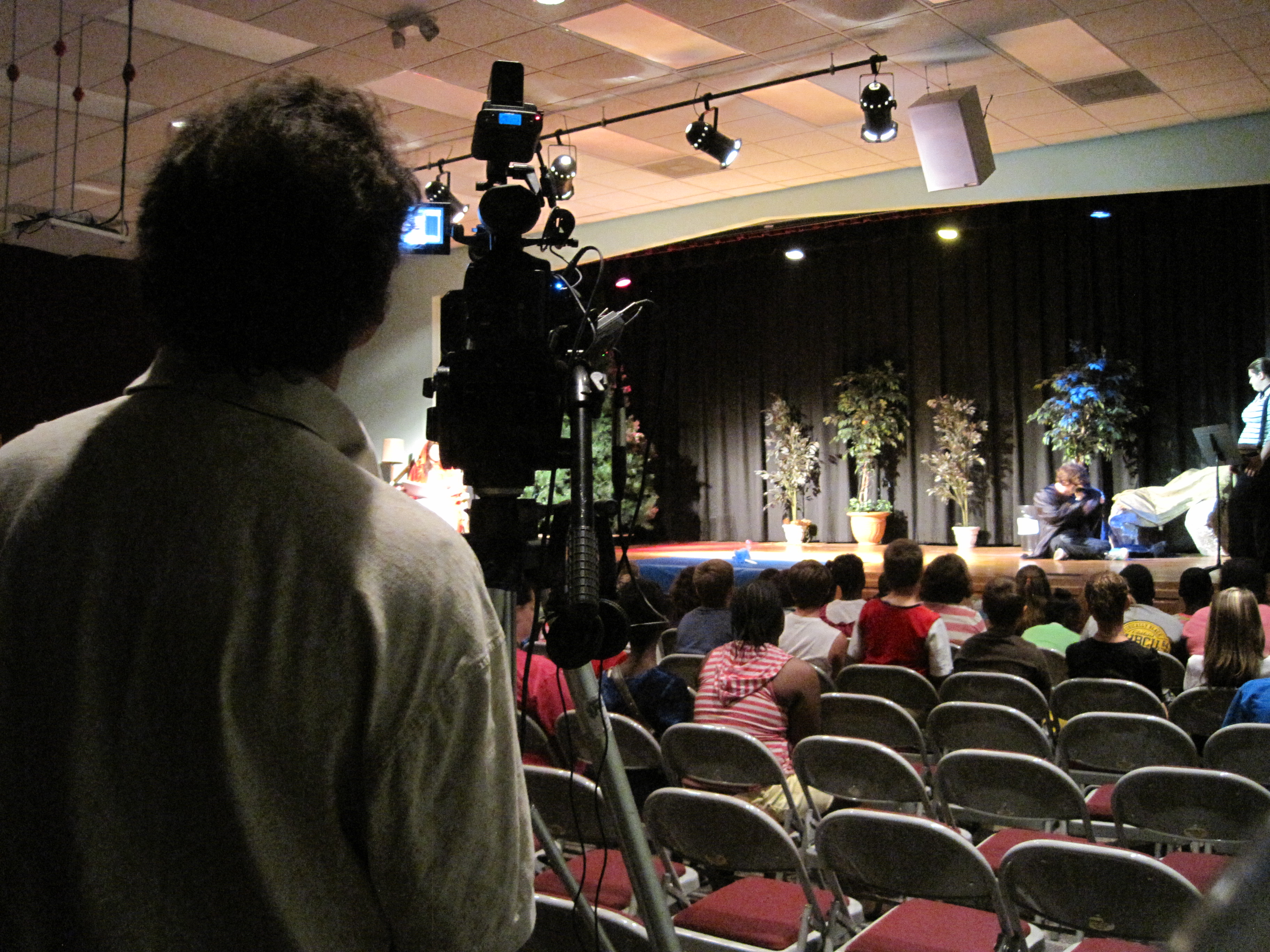
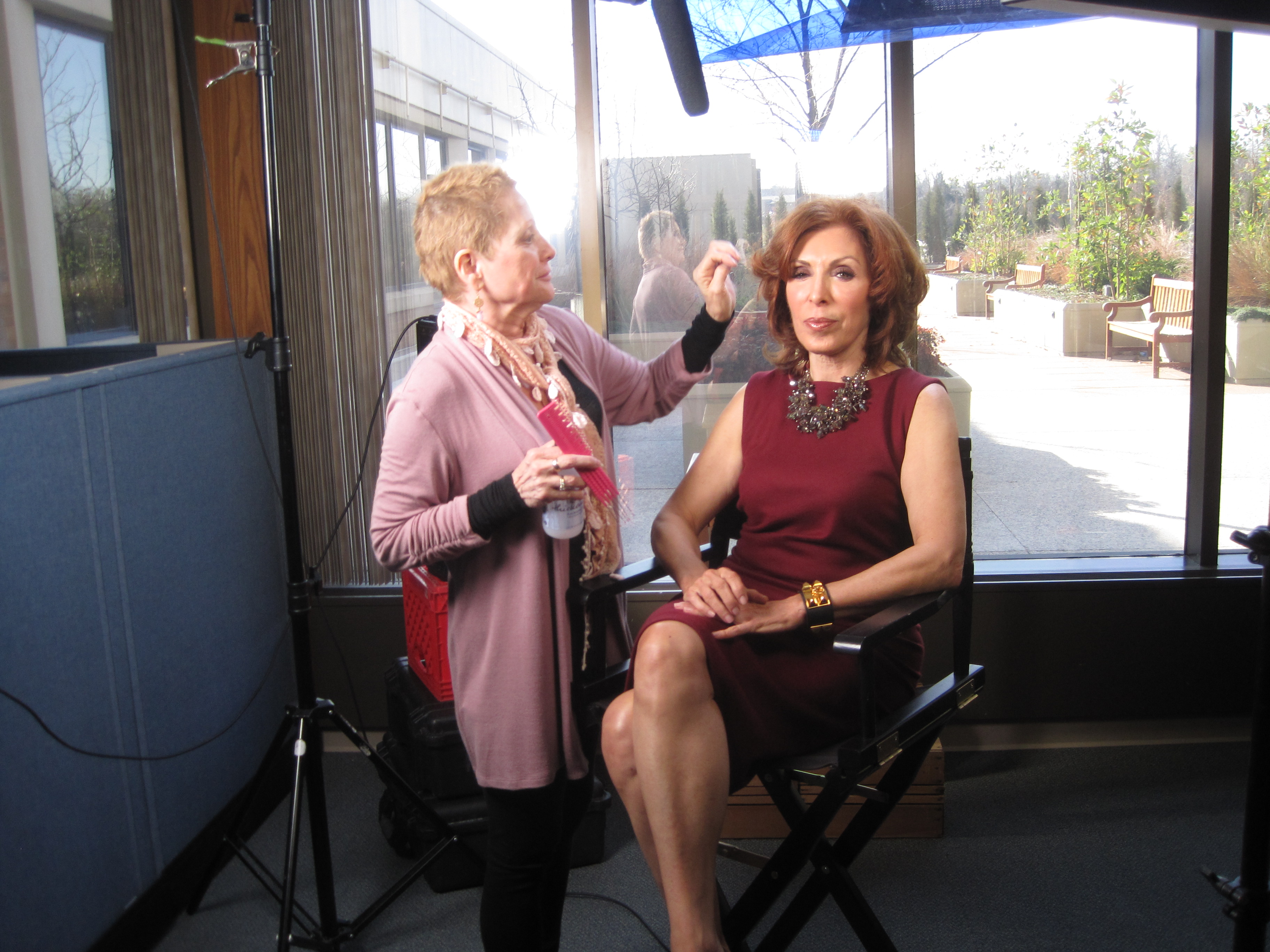
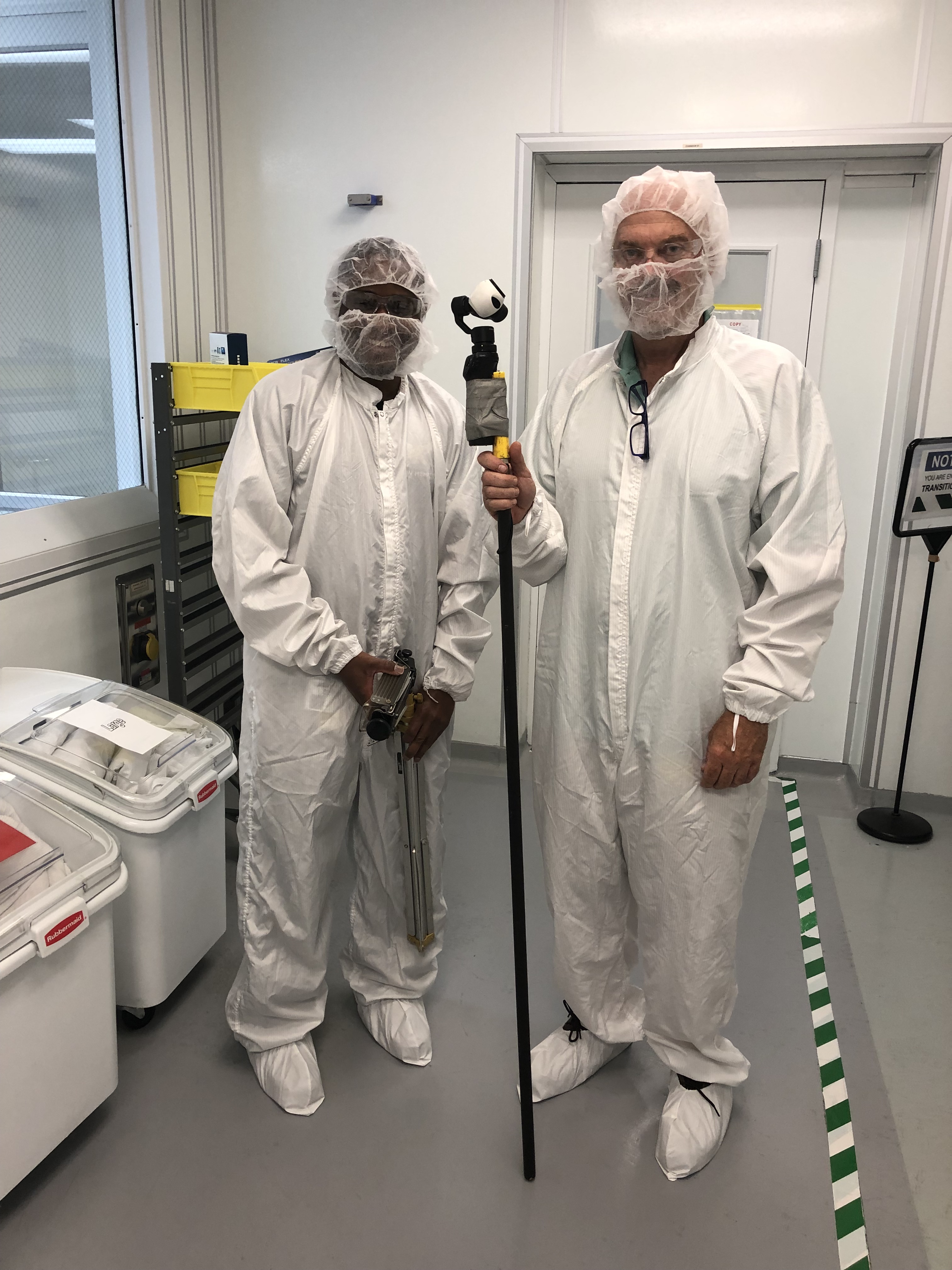
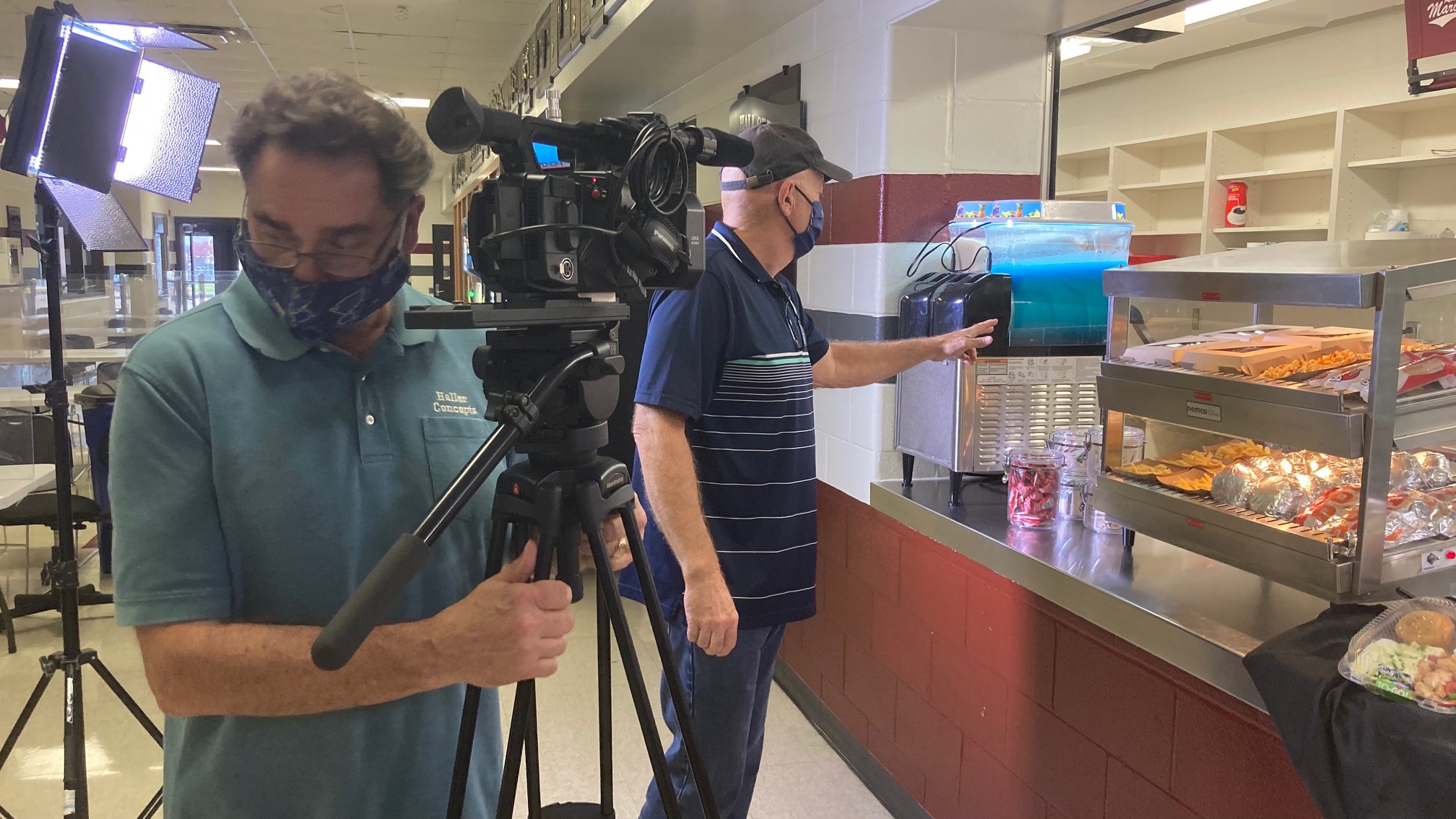
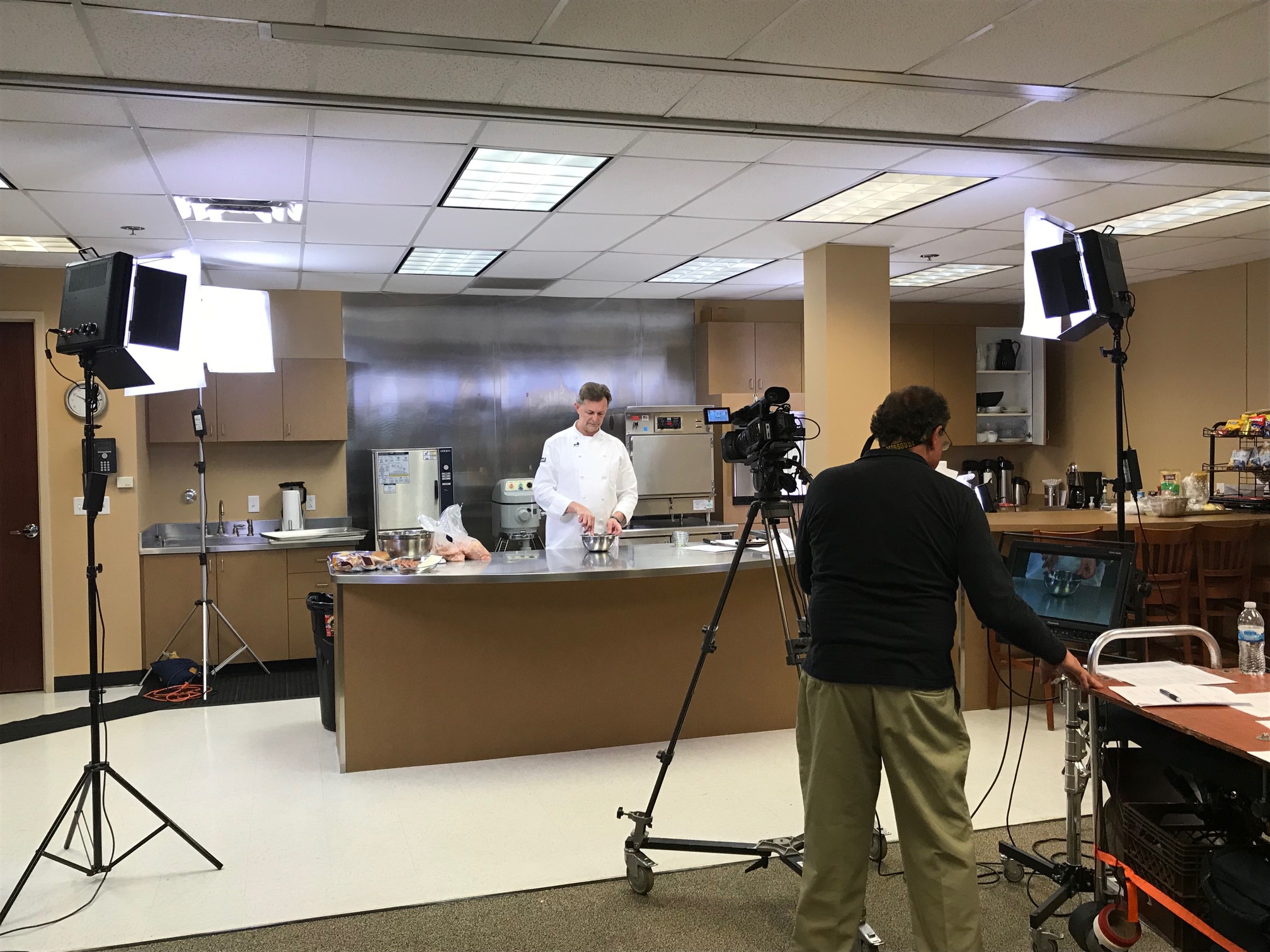
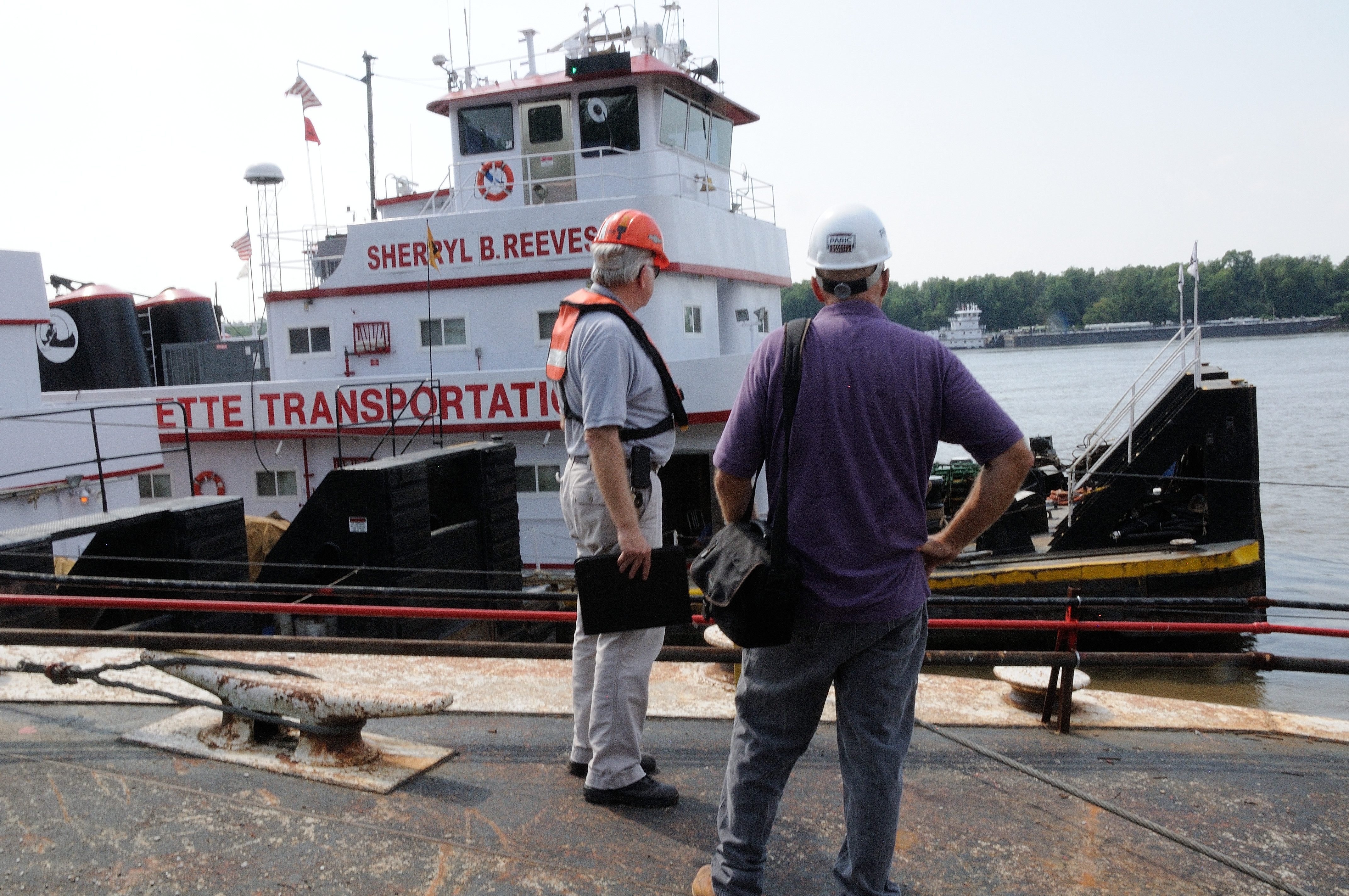
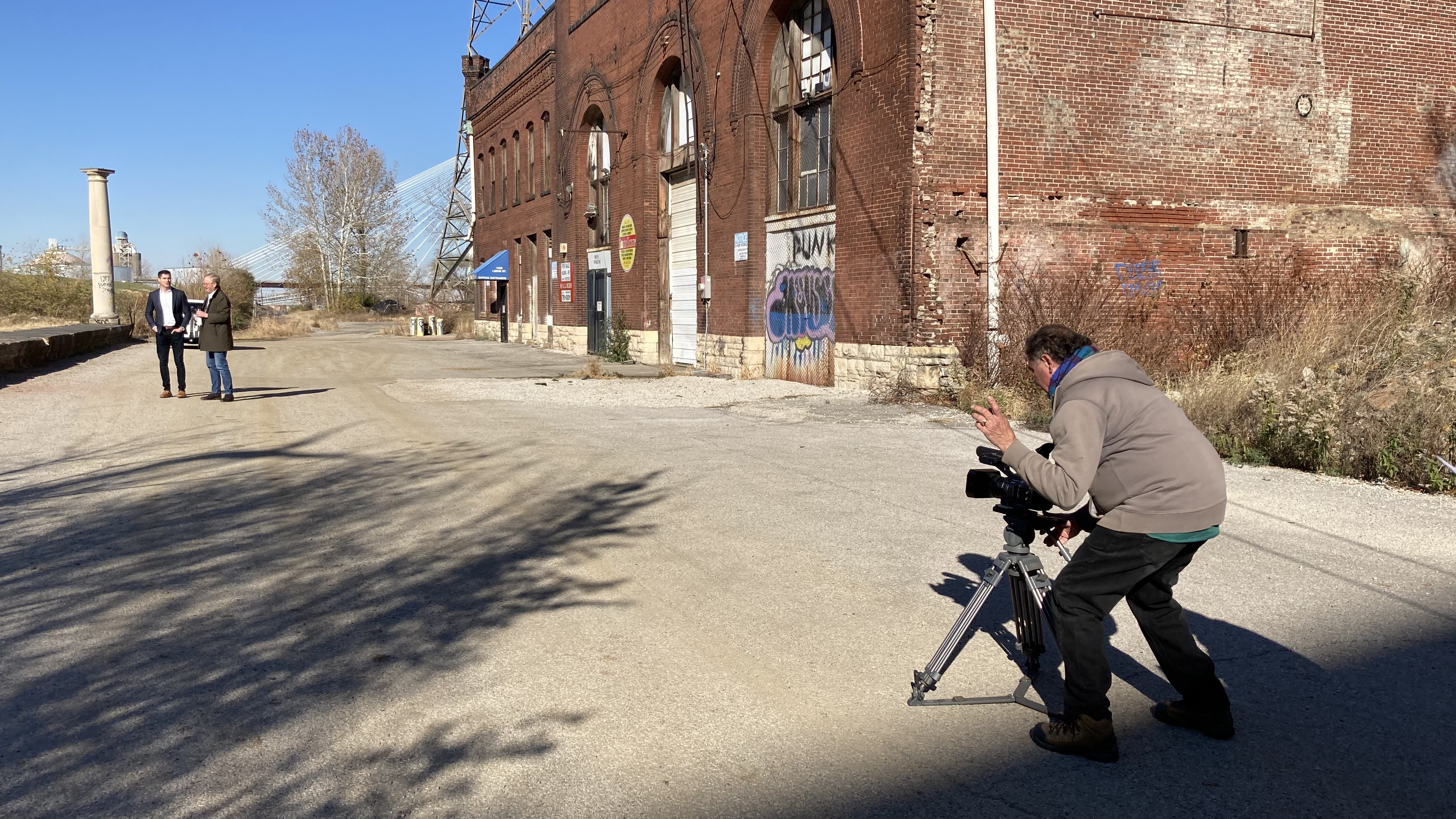
In today’s media-saturated marketplace, dynamic visual assets are no longer optional—they are the core driver of modern marketing performance. However, scaling video and photography production while maintaining strict budget boundaries remains a primary challenge for marketing directors and agency decision-makers. Achieving high production value without inflated overhead requires a strategic approach to studio environments, equipment logistics, and media utility.
The Strategic Advantages of Small-Footprint Studio Environments
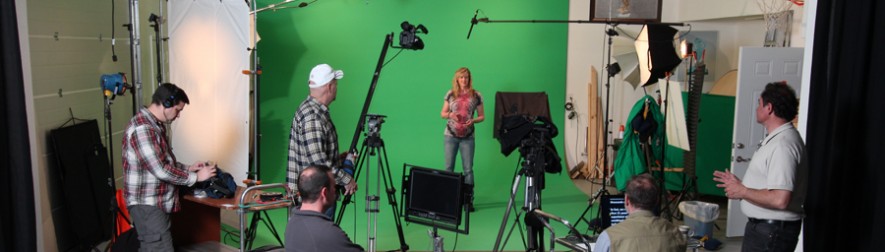
While massive soundstages have their place for multi-car commercials or complex set builds, specialized small-to-midsize studio setups offer significant economic and technical efficiencies for enterprise communications:
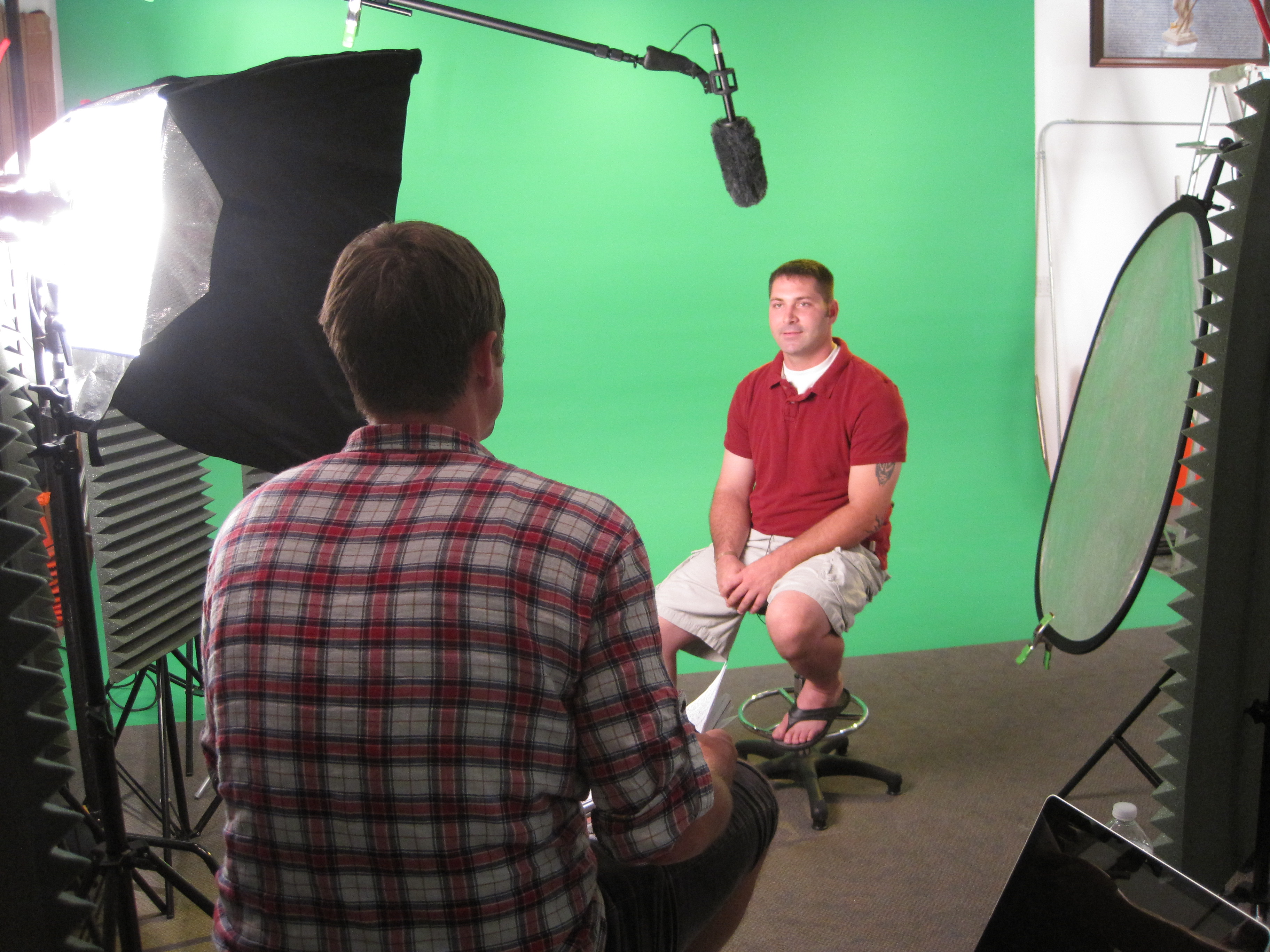
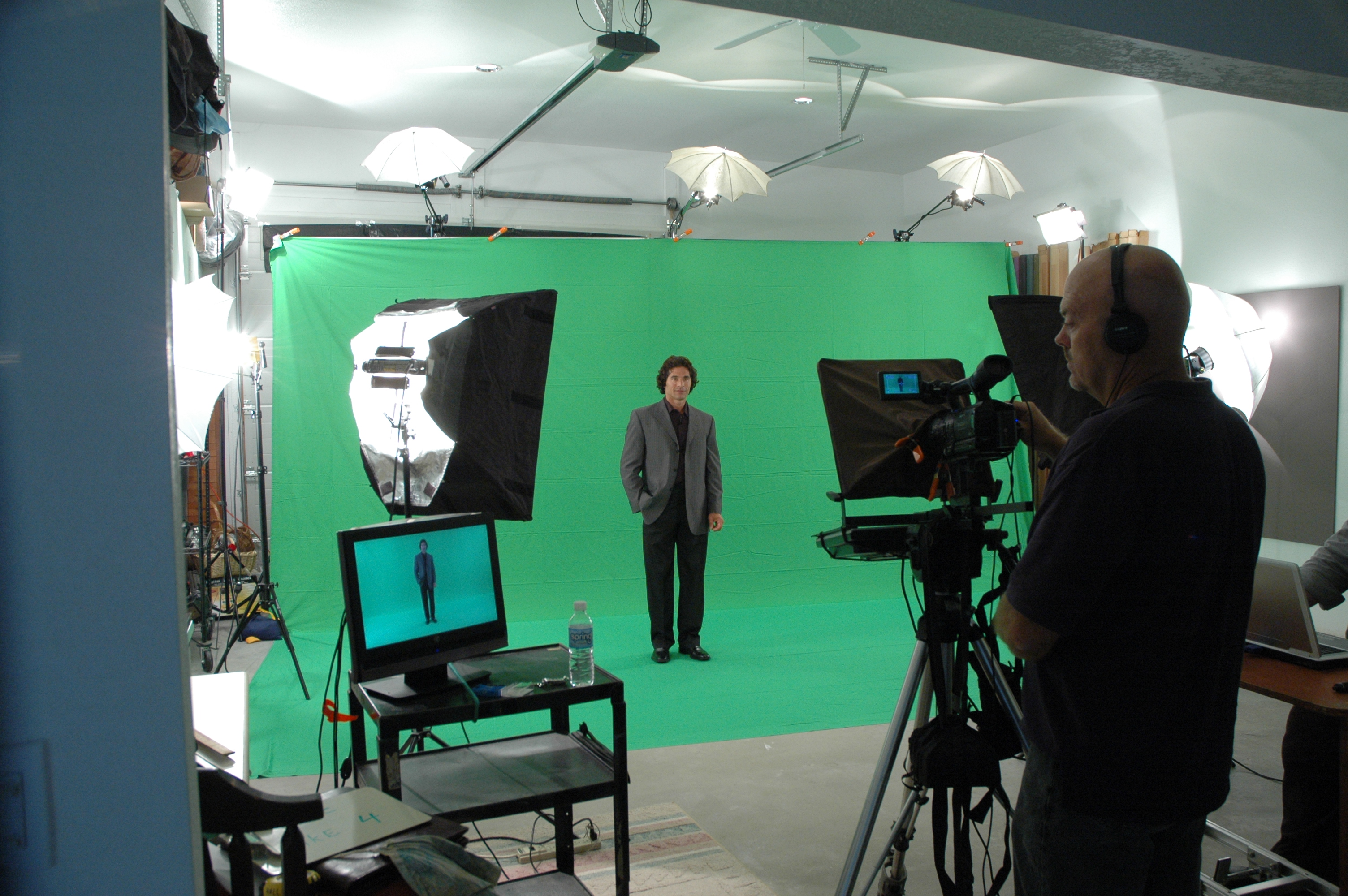
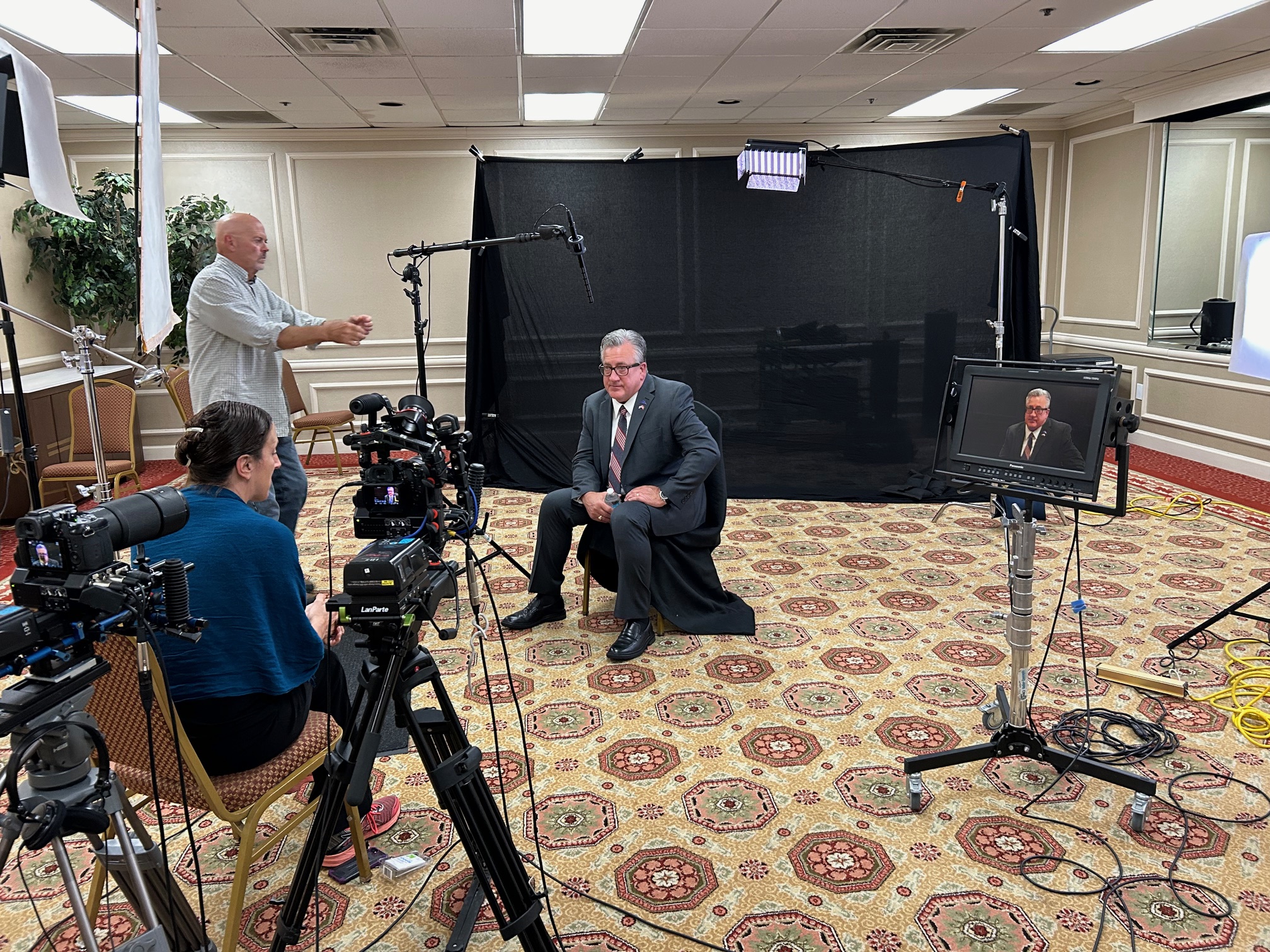
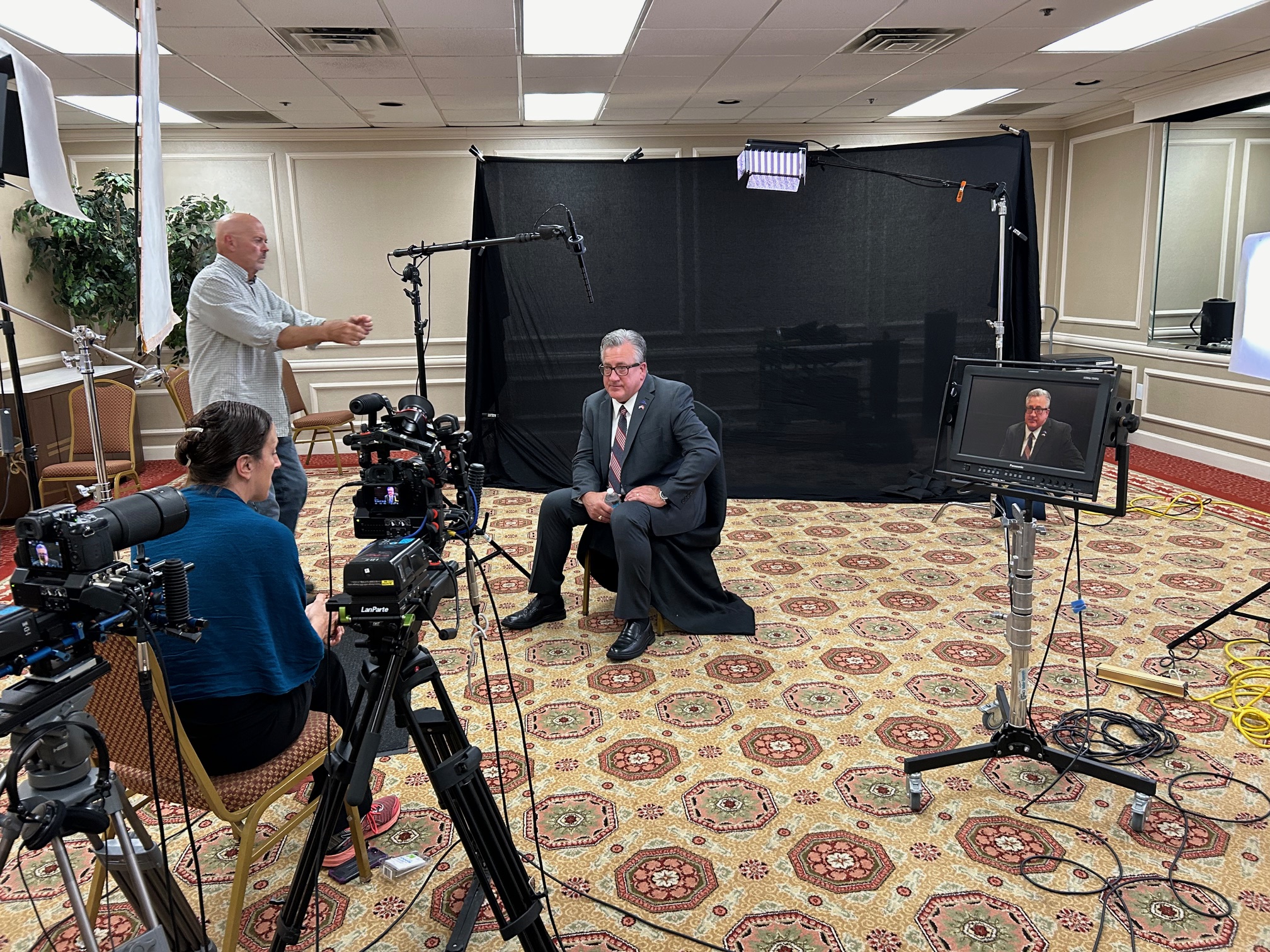
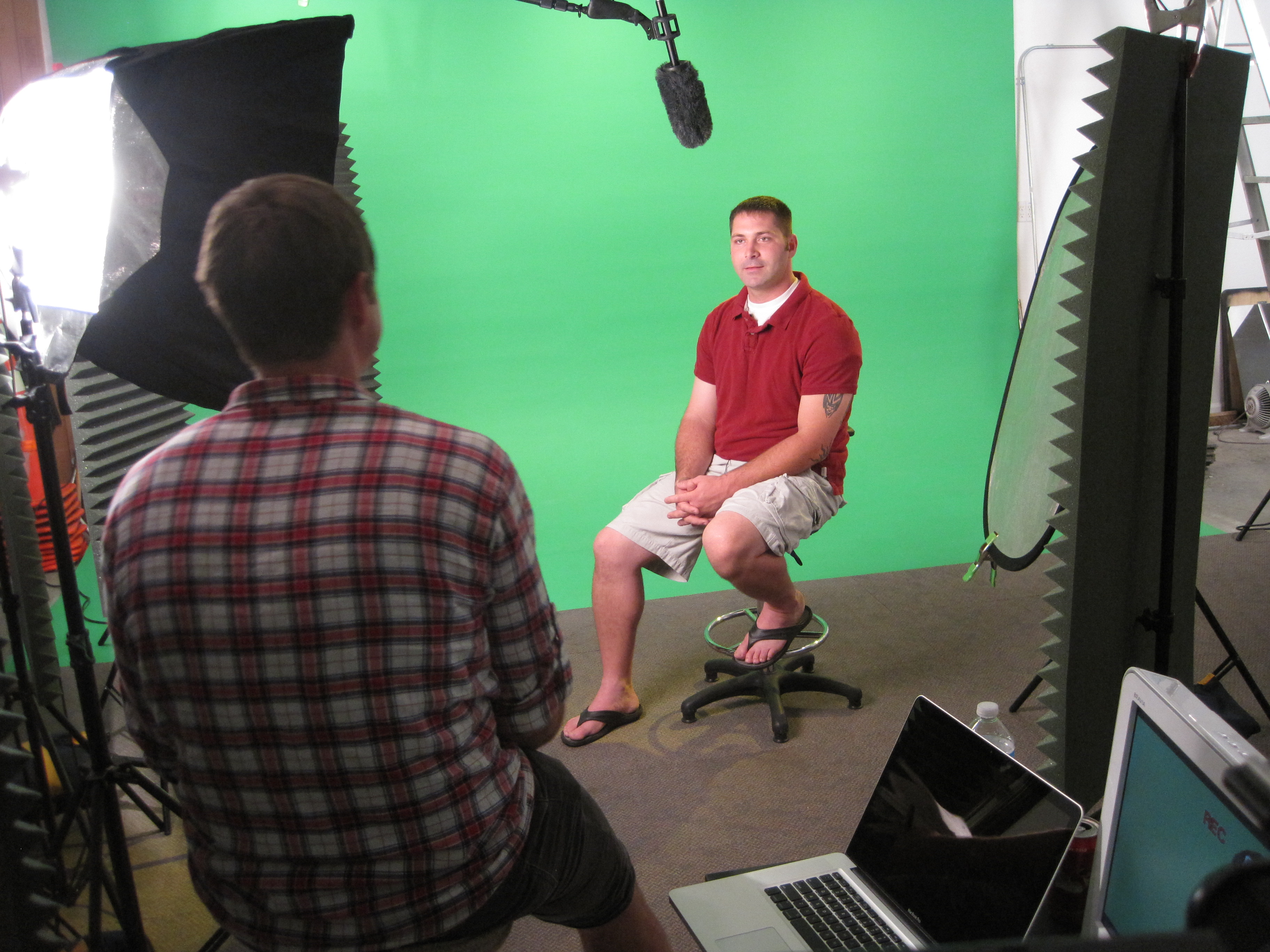
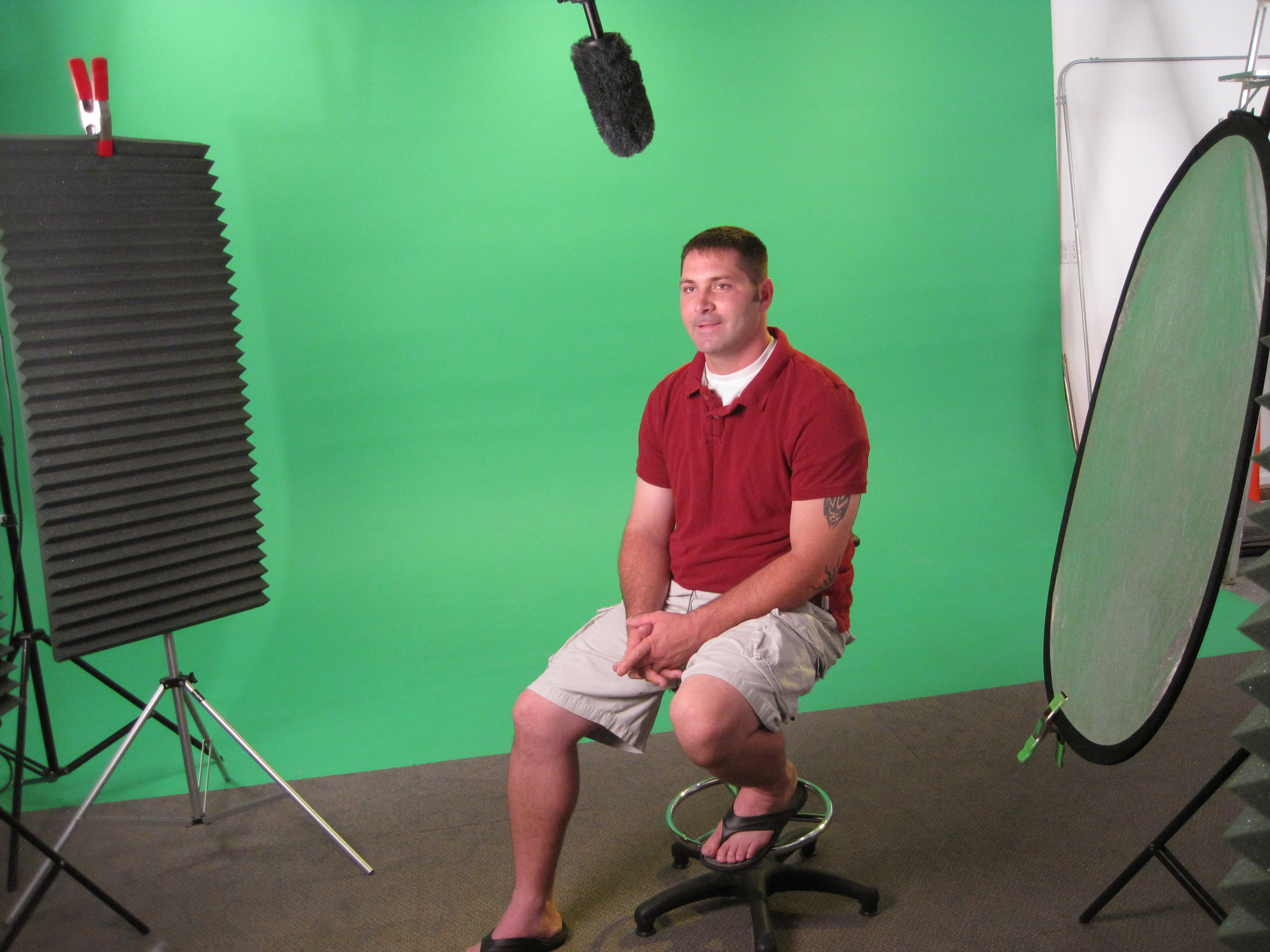
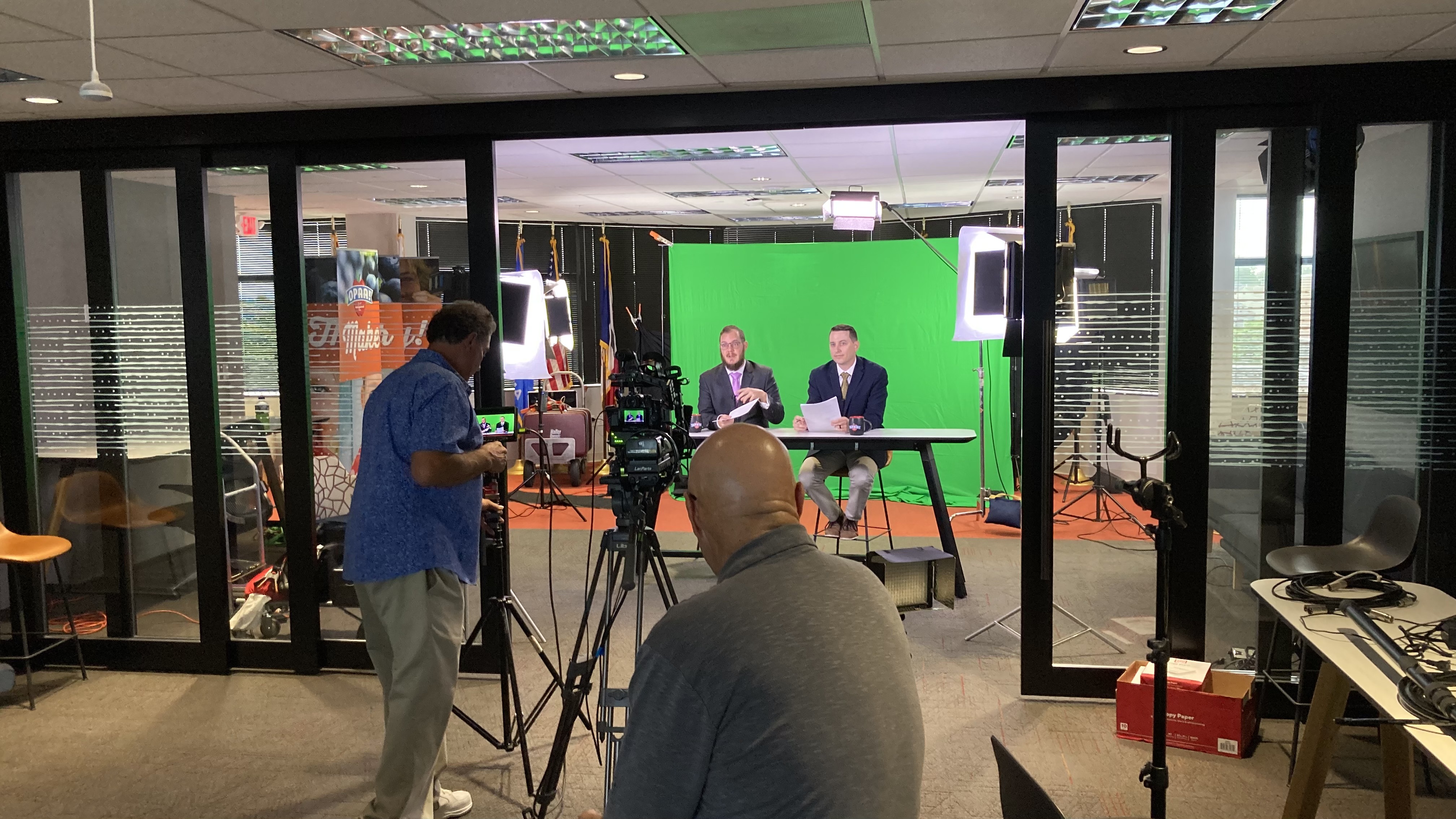
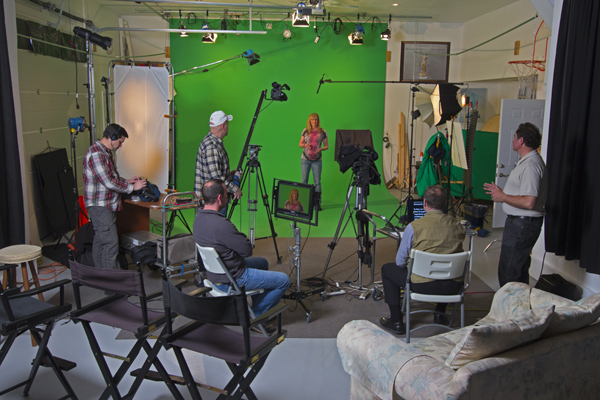
Controlled Lighting & Sound: Variable weather, shifting natural light, and ambient acoustic interference on location often trigger costly delays and extended post-production fixes. A pre-configured studio guarantees predictable lighting ratios and audio isolation, speeding up scene completion.
Reduced Crew and Logistics Footprint: Compact setups streamline spatial requirements, enabling lean, high-performing technical crews to execute broadcasts and brand messaging without unnecessary labor costs.
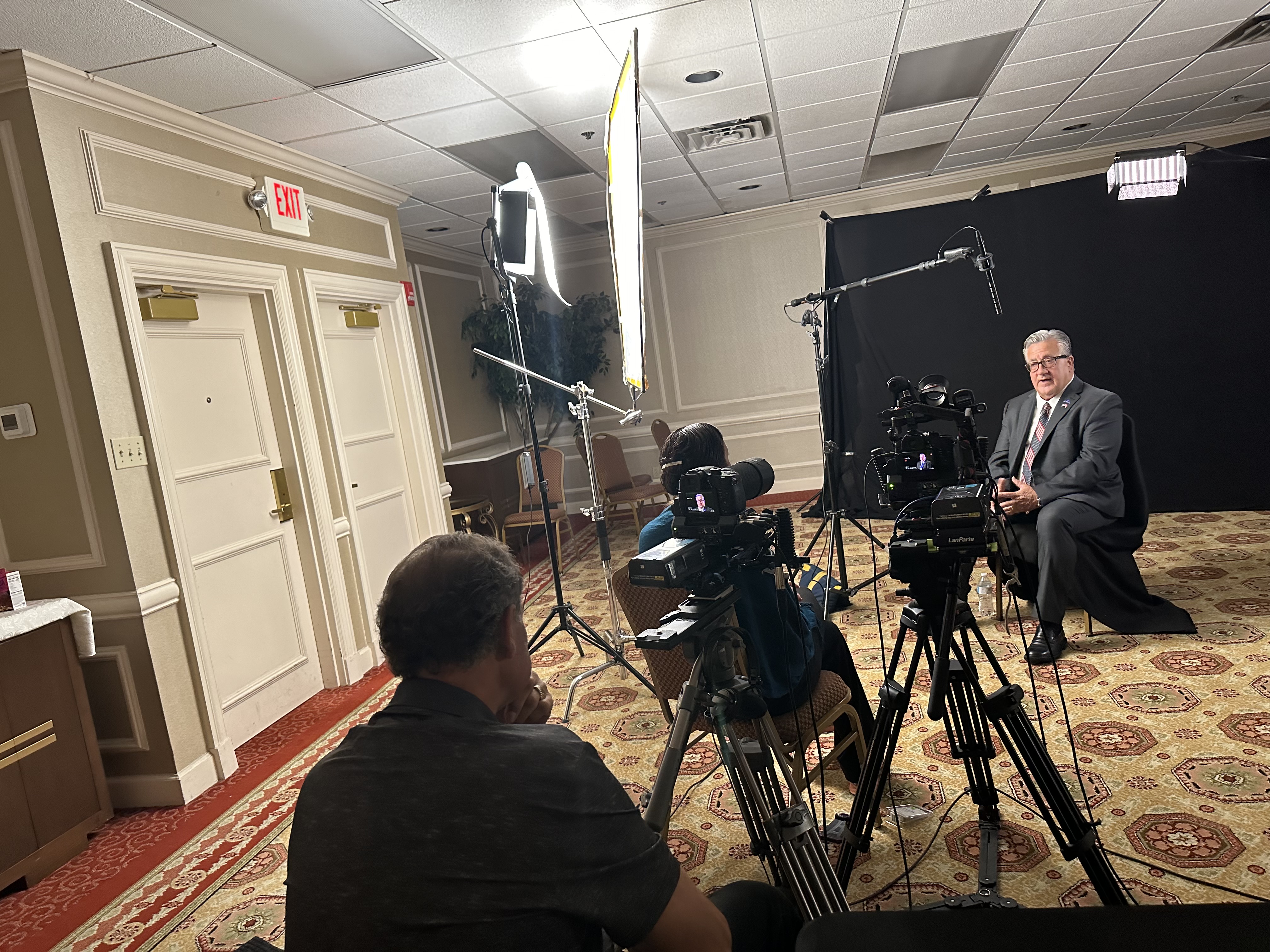
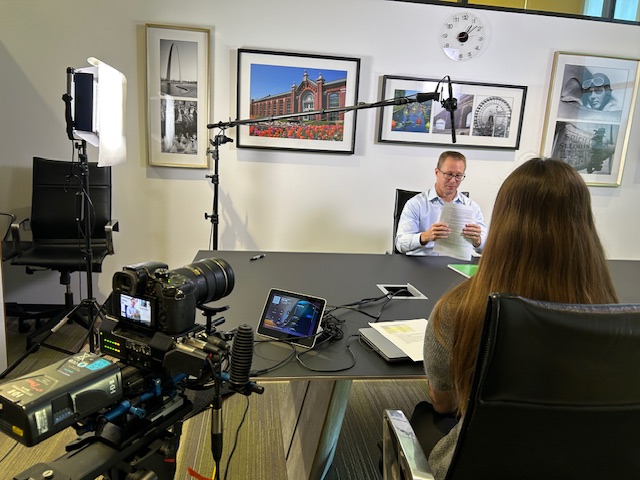
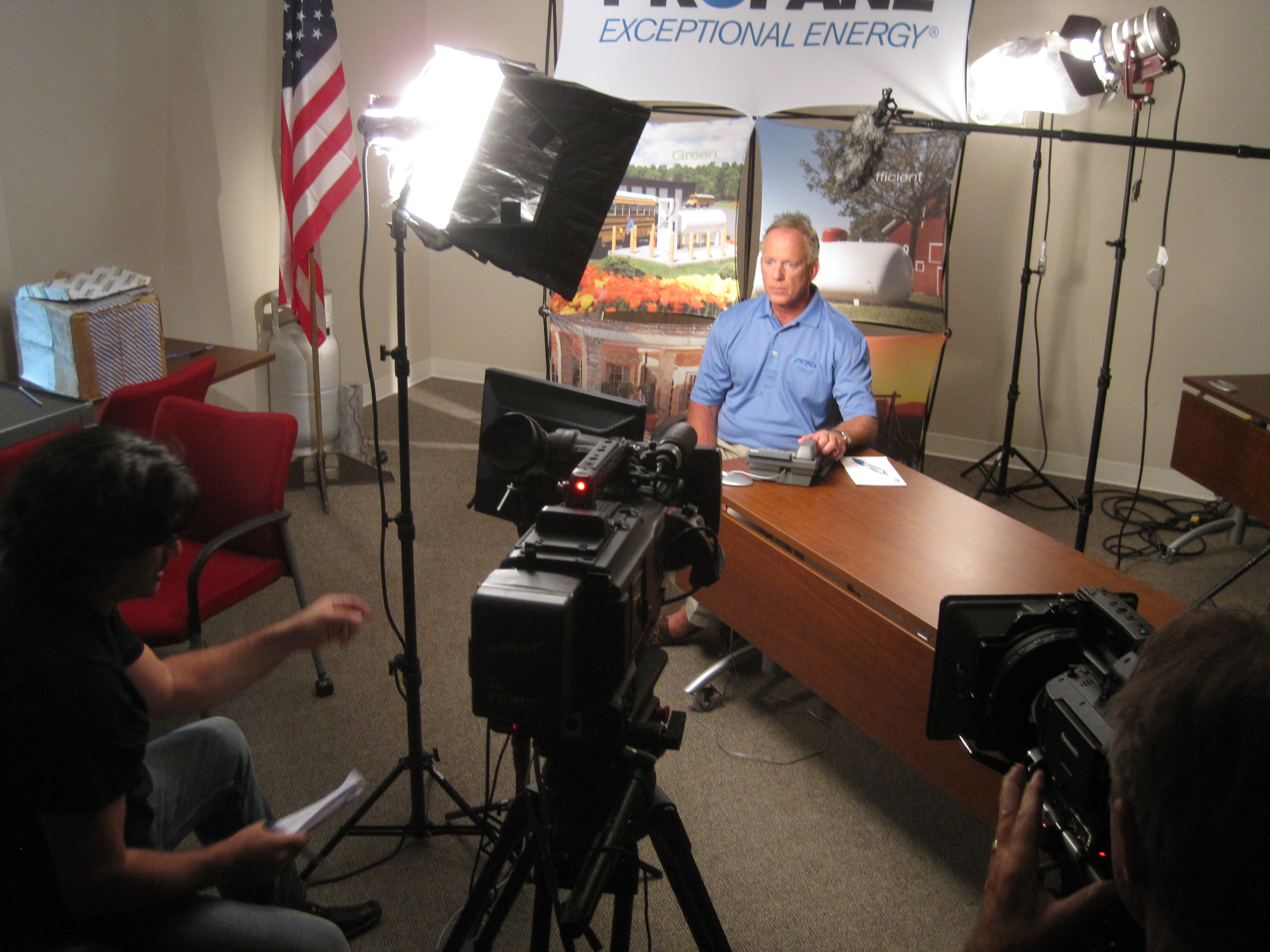
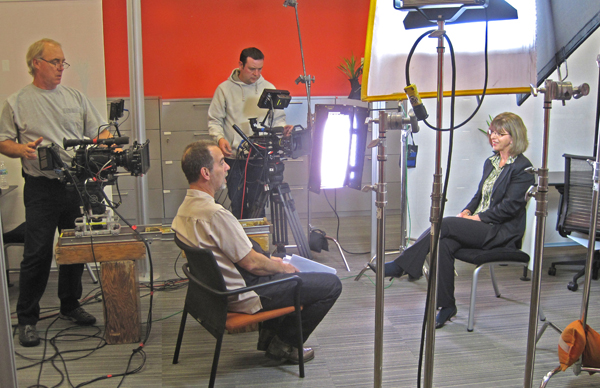
Rapid Asset Iteration: Dedicated interview setups allow marketing teams to record multiple corporate communications, executive updates, or thought-leadership pieces in a single production block, dramatically lowering the cost per finished asset.
Unlocking Asset Value Through Multi-Platform Repurposing
True production economy comes not just from shooting efficiently, but from extracting maximum utility from every frame acquired.
Unified Photo and Video Captures: By structuring production schedules to capture high-resolution stills alongside video takes, organizations eliminate the need for separate photography days.
Modular Formatting: Frame your core video assets with high-resolution headroom to easily cut down clips for vertical social media, widescreen website headers, and targeted digital ads without losing visual clarity.
AI-Enhanced Post-Production Workflow: Modern artificial intelligence tools accelerate timeline assembly, color grading consistency, automated transcriptions, and multi-format adaptations, delivering final deliverables faster and reducing billable edit hours.
Partnering with St Louis Video
Experienced St Louis Video is a full-service professional commercial photography and video production company with the right equipment and creative crew service experience for successful image acquisition. We offer full-service studio and location video and photography, as well as editing, post-production and licensed drone services. St Louis Video can customize your productions for diverse types of media requirements. Repurposing your photography and video branding to gain more traction is another specialty.
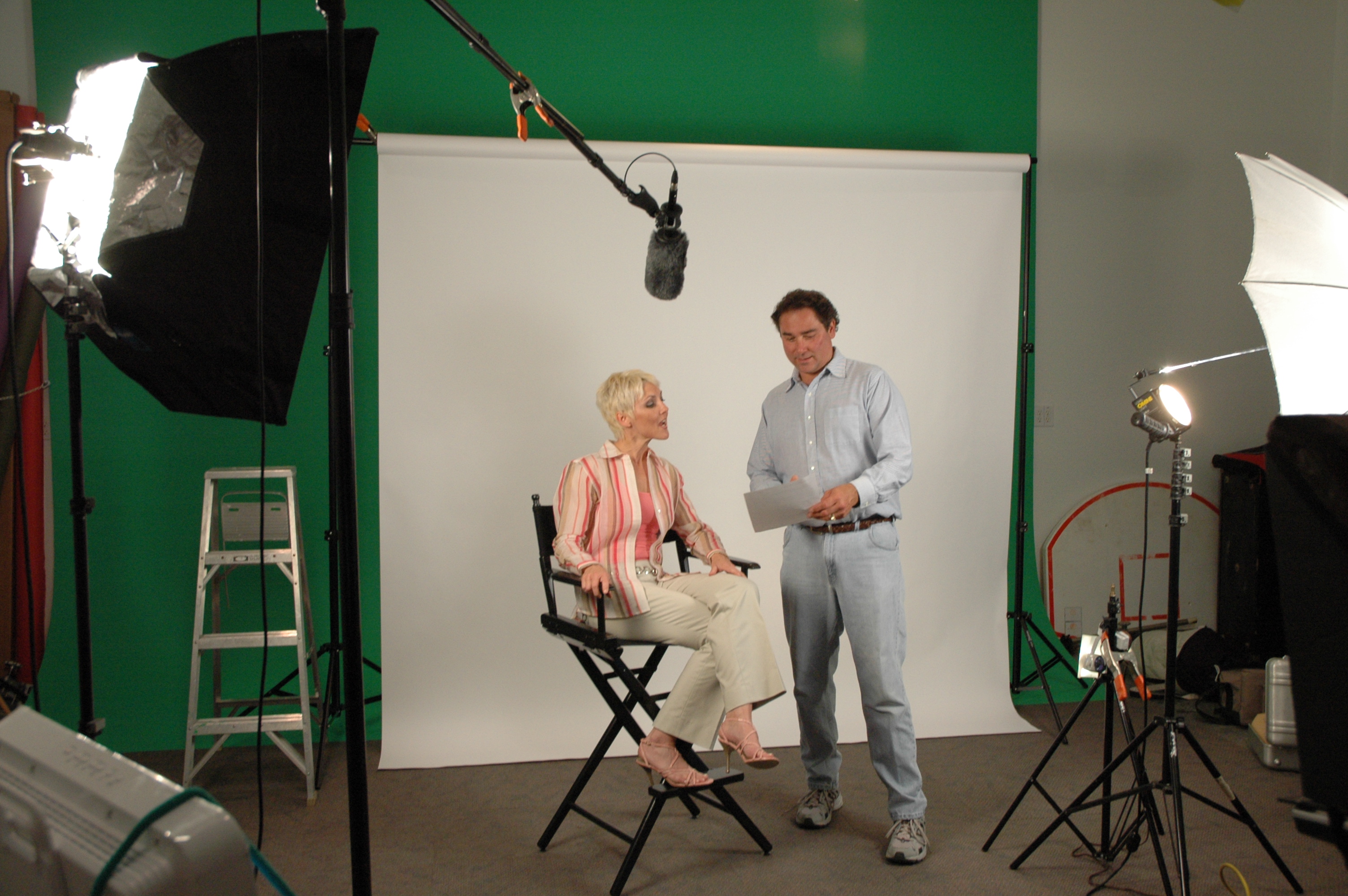
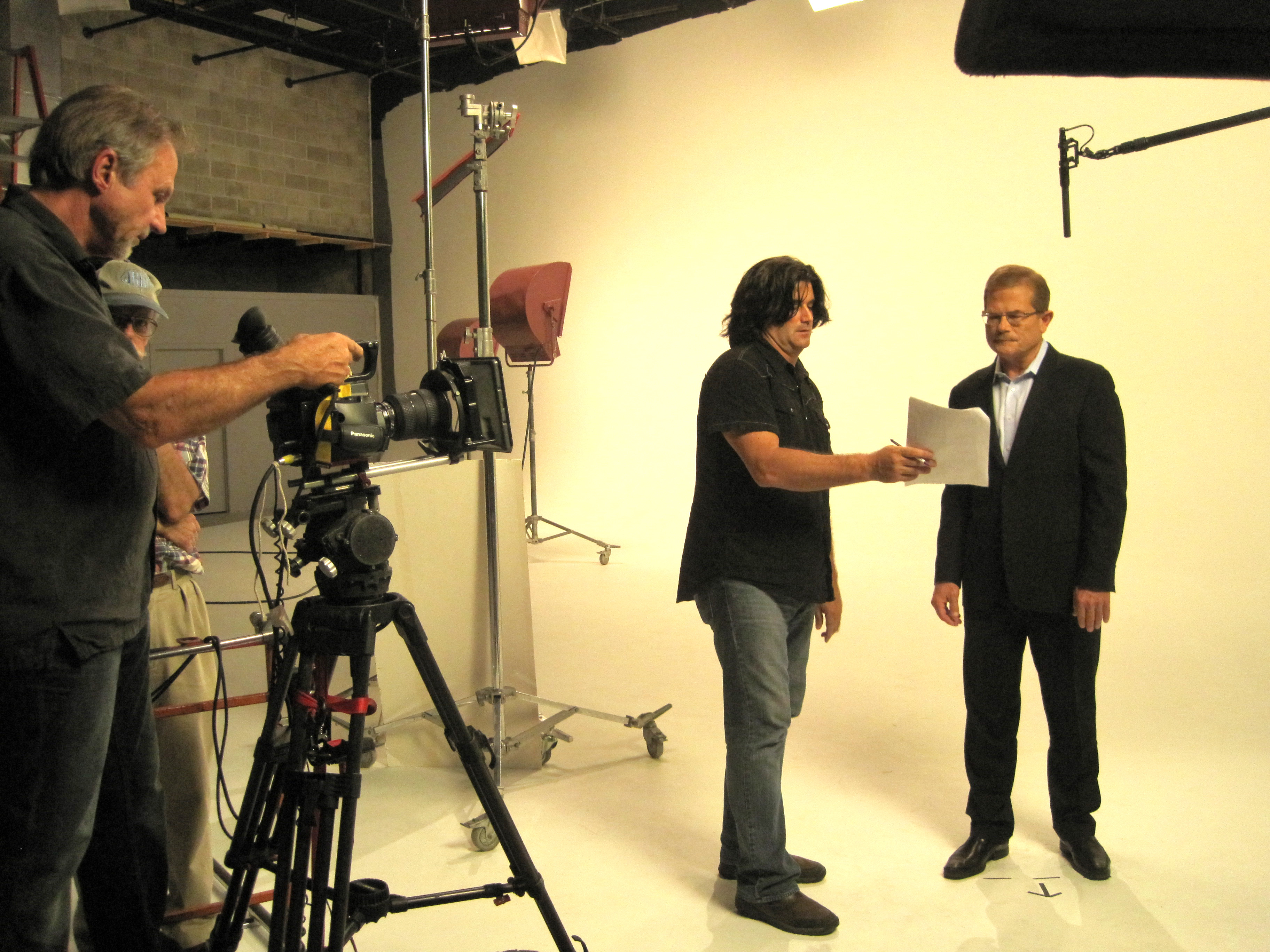
We are well-versed in all file types and styles of media and accompanying software. We use the latest in Artificial Intelligence for all our media services. Our private studio lighting and visual setup is perfect for small productions and interview scenes. Our studio is large enough to incorporate props to round out your set. We support every aspect of your production—from setting up a private, custom interview studio to supplying professional sound and camera operators, as well as providing the right equipment—ensuring your next video production is seamless and successful.
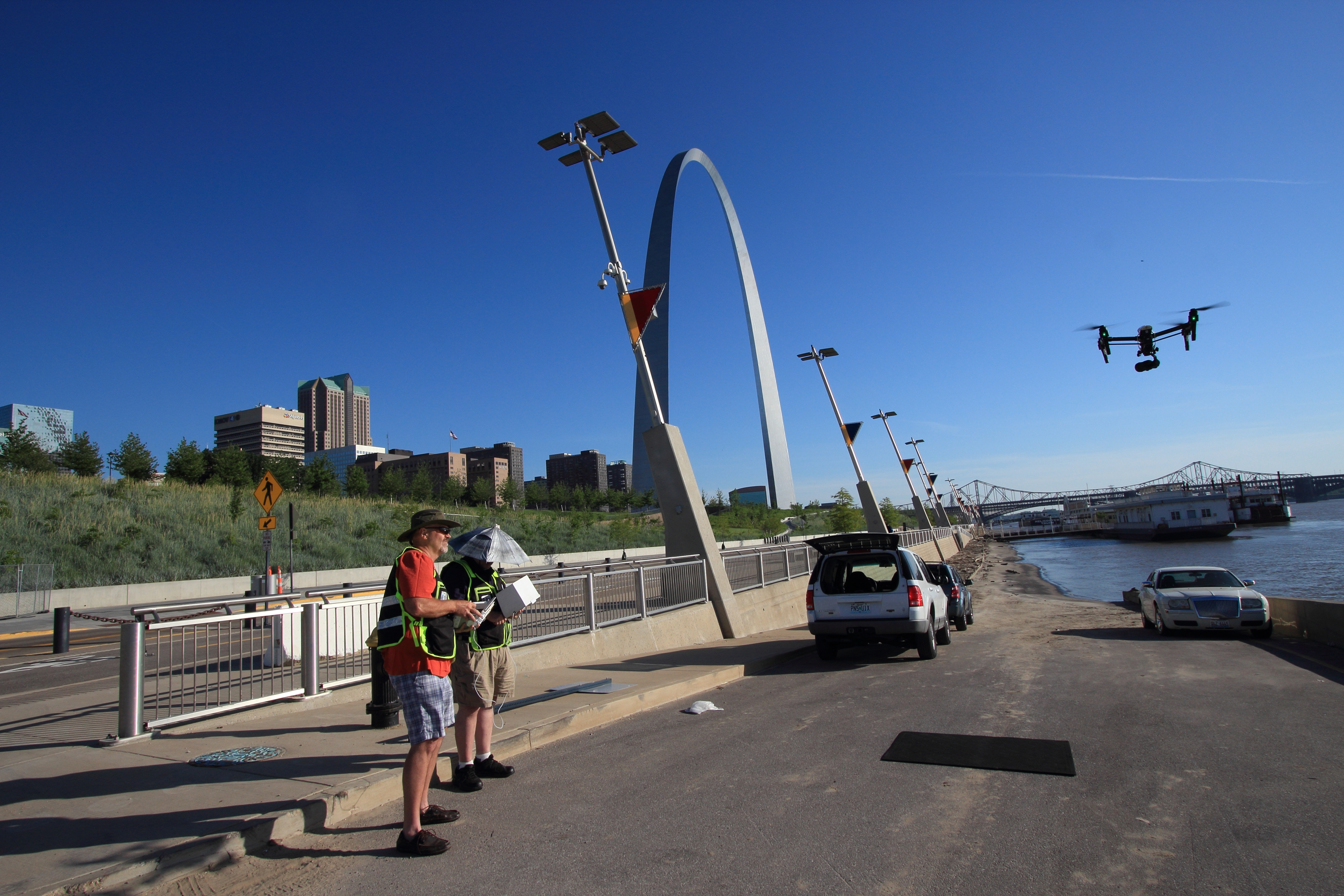
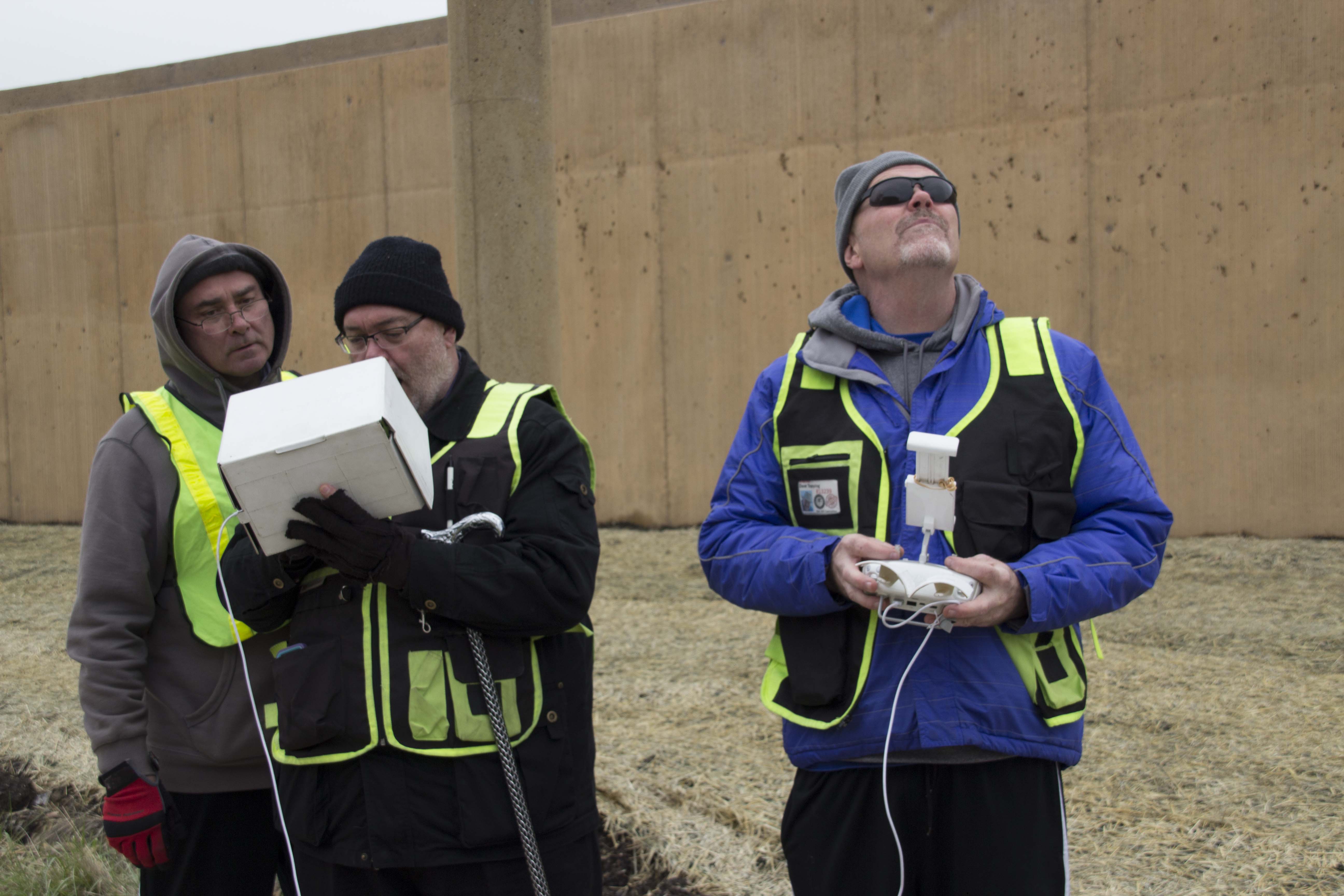
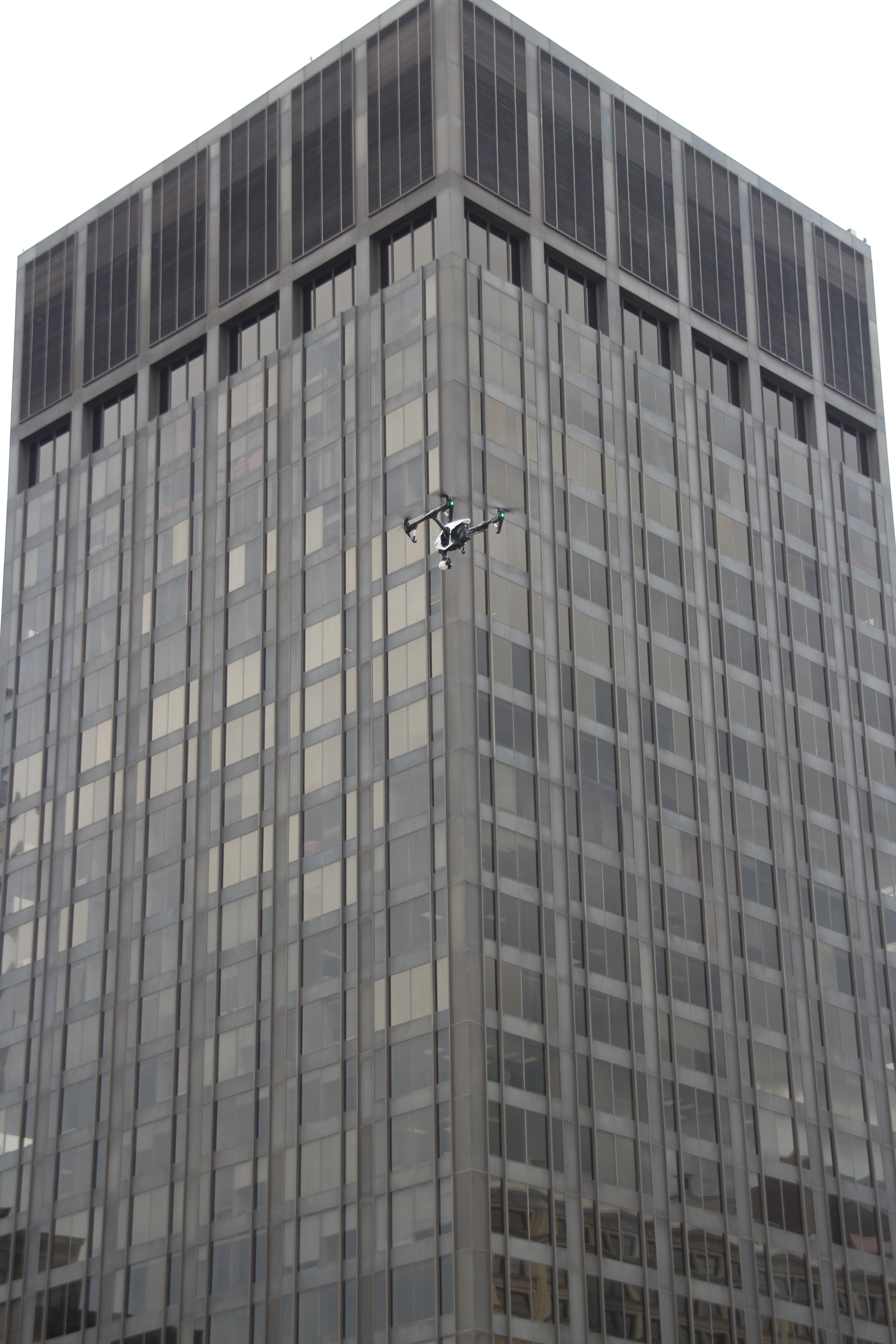
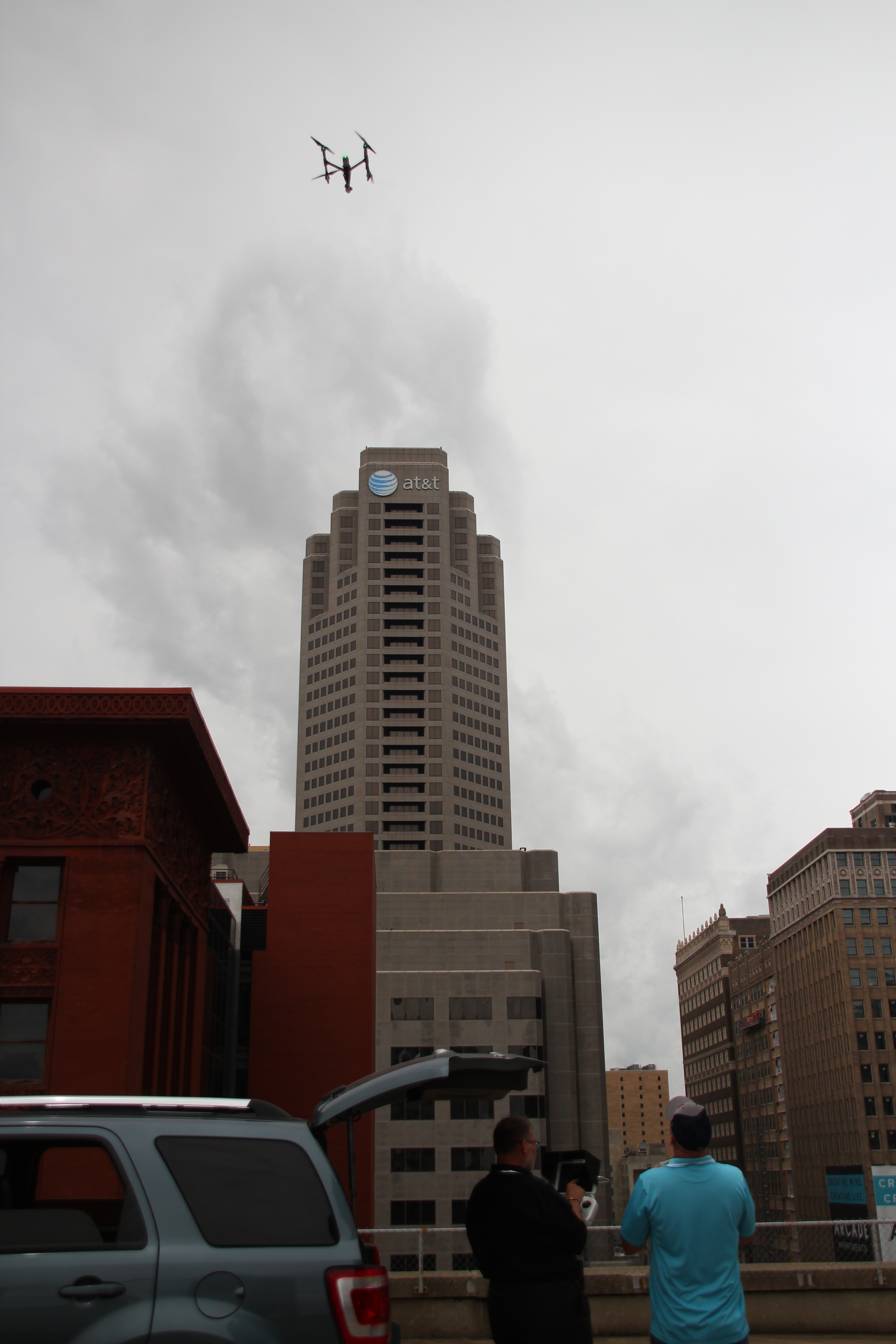
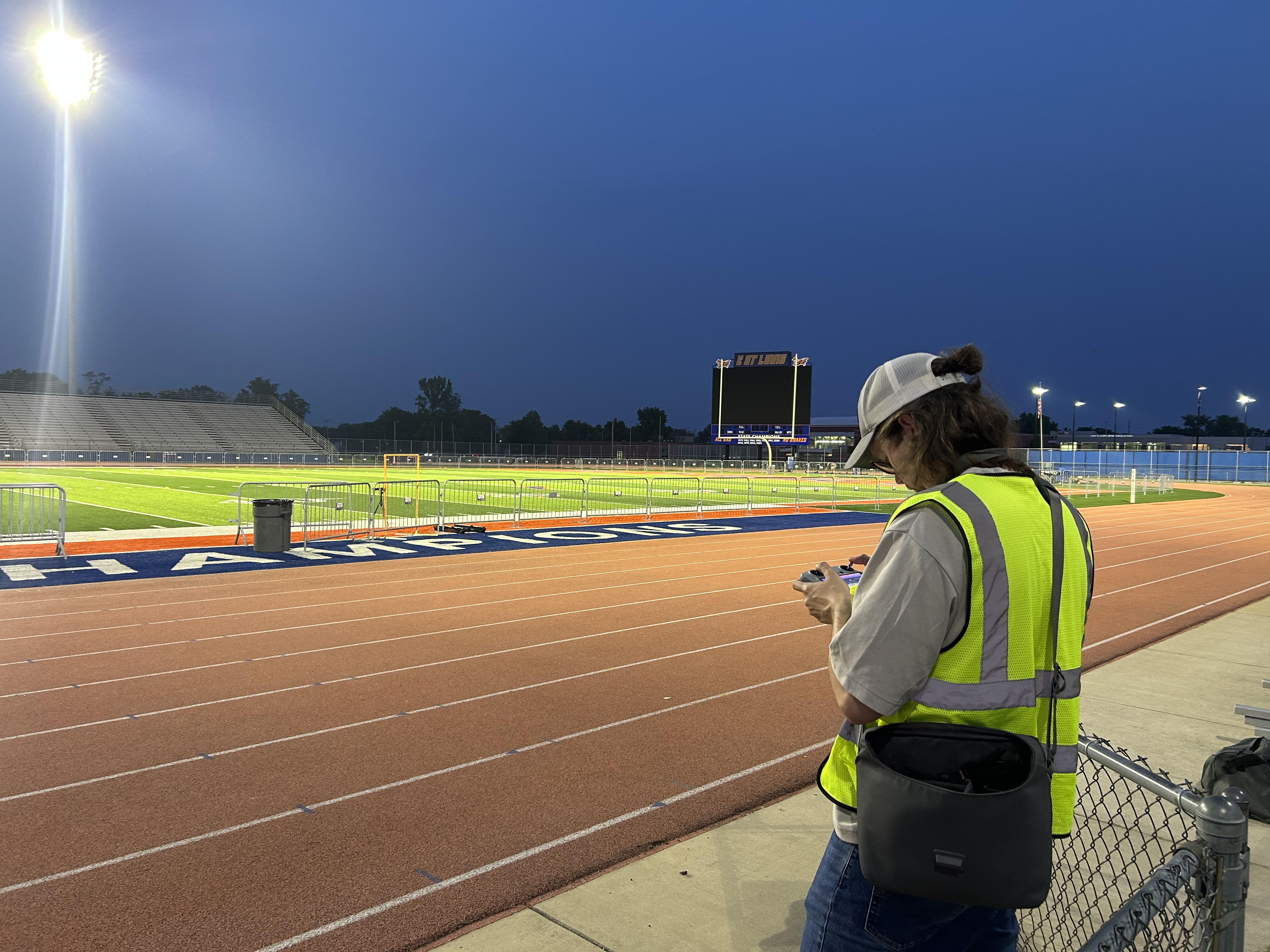
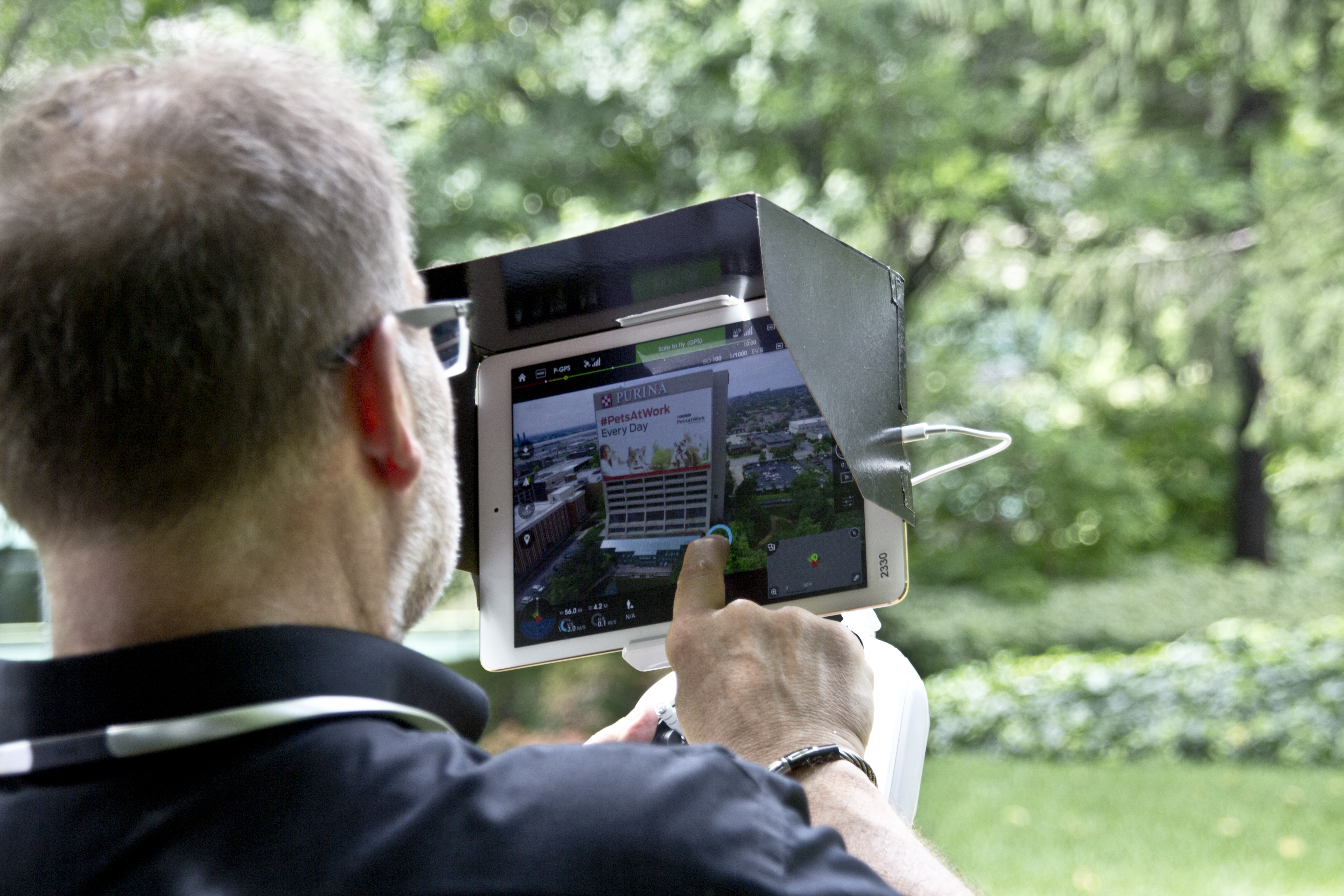
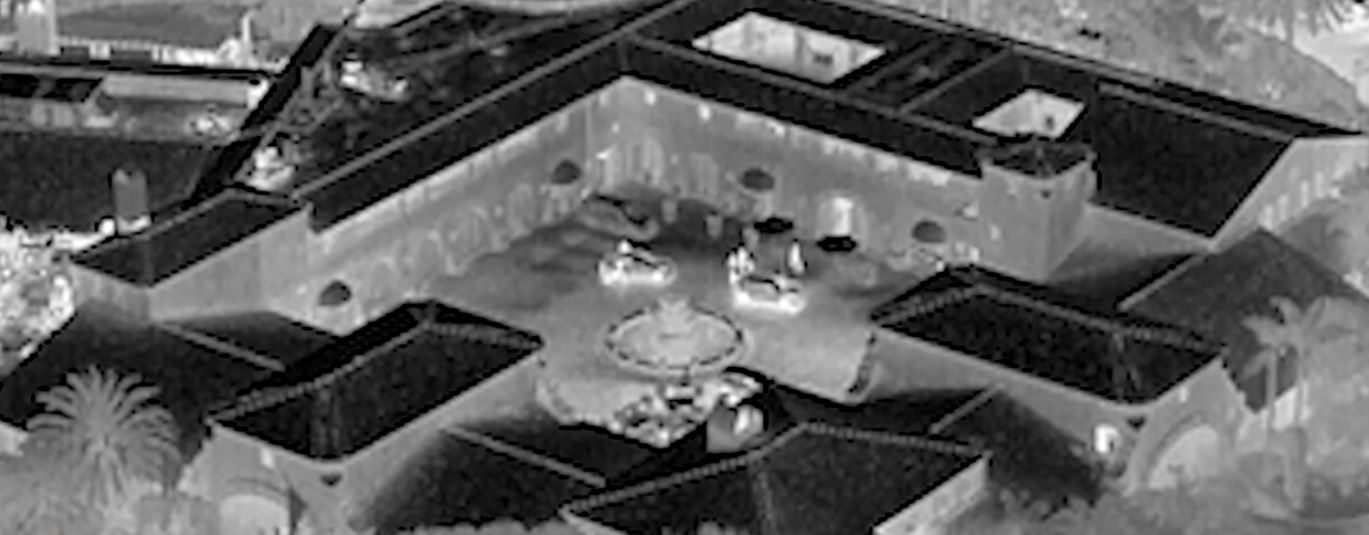
Location scouting and b-roll specialists. Also, we can fly our specialized FPV drones indoors. Other drone special services include infrared thermal, orthomosaics and LiDAR. As a full-service video and photography production corporation, since 1982, St Louis Video has worked with many businesses, marketing firms and creative agencies in the St. Louis area for their marketing photography and video.
Reach out today to discuss your upcoming production requirements and optimize your media investment.
Every organization has a story worth telling, but the effectiveness of that story depends on how it is captured. A professionally produced business video is more than attractive visuals—it is a strategic communication tool that builds trust, explains complex ideas, showcases expertise, and motivates viewers to take action.
Among the most valuable production techniques available to today’s businesses are professionally filmed interviews paired with purposeful b-roll. Together, these elements create engaging, informative videos that educate audiences while reinforcing the credibility of your organization.
Whether your goal is attracting customers, recruiting employees, educating stakeholders, or strengthening your brand, interview-driven productions remain one of the smartest long-term investments in your marketing strategy.
Every Successful Video Begins with a Purpose
Before cameras are unpacked, successful productions begin by answering a simple question:
What should the audience think, feel, or do after watching?
That answer shapes every creative decision—from selecting interview subjects and filming locations to determining camera movement, lighting style, and supporting visuals.
When production begins with clearly defined objectives, the finished video becomes far more effective because every scene supports a specific business goal.
Interviews Create Human Connections
Businesses often spend significant resources explaining what they do, yet audiences are more interested in who is behind the organization.
Interview-based productions allow viewers to hear directly from:
Company leadership
Department managers
Technical experts
Employees
Customers
Physicians
Engineers
Community partners
Real people speaking from genuine experience create confidence that scripted advertisements rarely achieve.
A relaxed, well-directed interview communicates authenticity while allowing your organization’s personality to shine through naturally.
B-Roll Brings Your Story to Life
An interview provides the message. B-roll provides the proof.
Instead of asking viewers to imagine your business, supporting footage lets them experience it.
Effective b-roll might include:
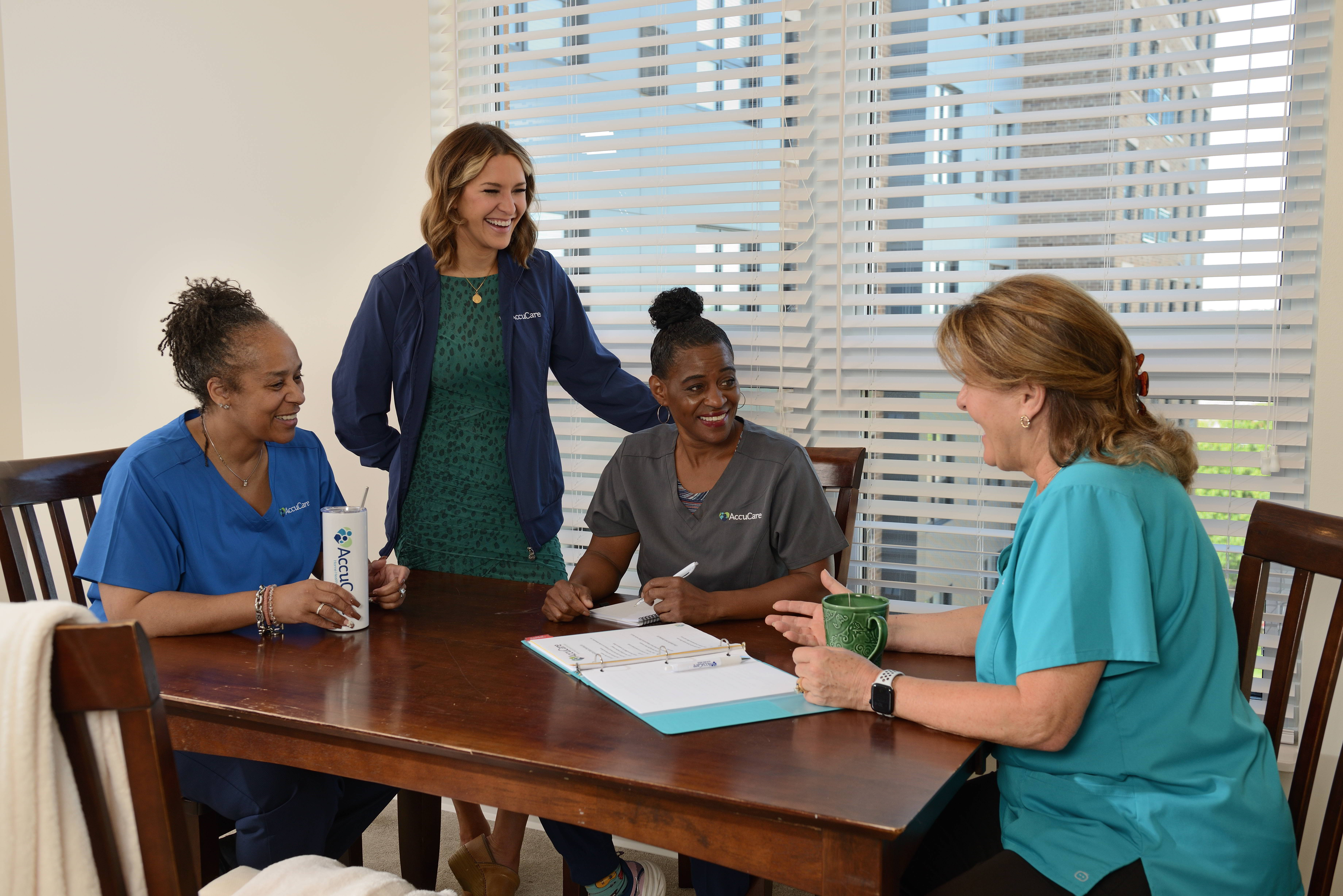
Employees collaborating
Equipment in operation
Products being assembled
Customer interactions
Manufacturing processes
Office environments
Facility walkthroughs
Architectural details
Drone establishing shots
Close-up product imagery
When thoughtfully planned, every supporting shot strengthens the story while keeping the audience visually engaged.
Planning the Shoot Saves Time and Budget
Organizations sometimes assume the majority of production happens during filming. In reality, experienced producers know the most valuable work occurs beforehand.
Comprehensive planning reduces delays while producing more usable footage.
Preparation often includes:
Production consultations
Story development
Interview preparation
Location evaluations
Equipment selection
Crew scheduling
Shot planning
Logistics coordination
Careful planning allows production days to move efficiently while minimizing disruption to daily business operations.
Studio or On-Location?
The answer depends entirely on the message.
Studio Production
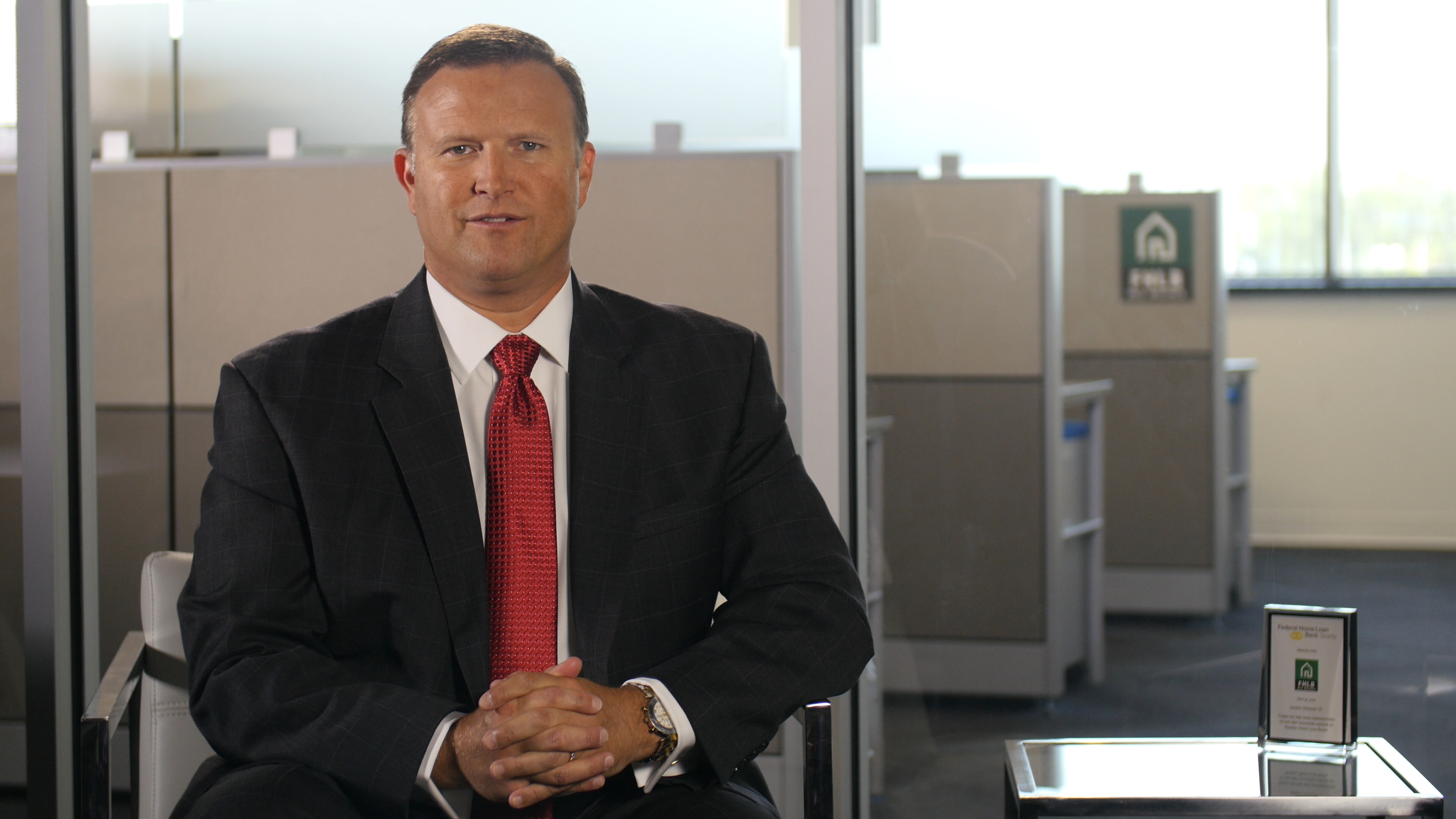
Studio environments offer complete creative control.
Advantages include:
Consistent lighting
Controlled sound
Flexible backgrounds
Professional interview sets
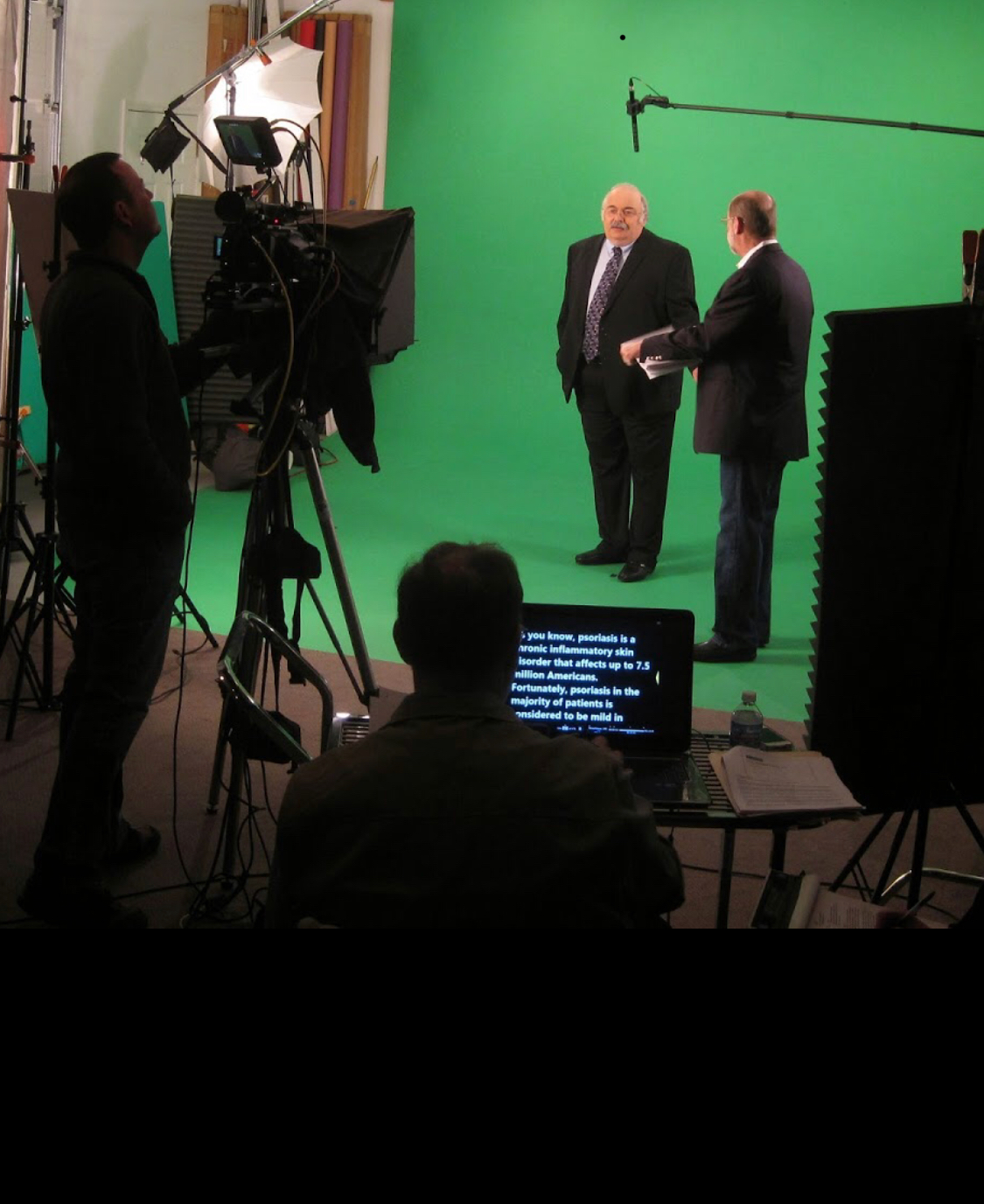
Teleprompter integration
Reliable scheduling
Minimal distractions
Studios are ideal for executive messaging, educational content, product presentations, podcasts, and training programs.
On-Location Production
Real environments tell authentic stories.
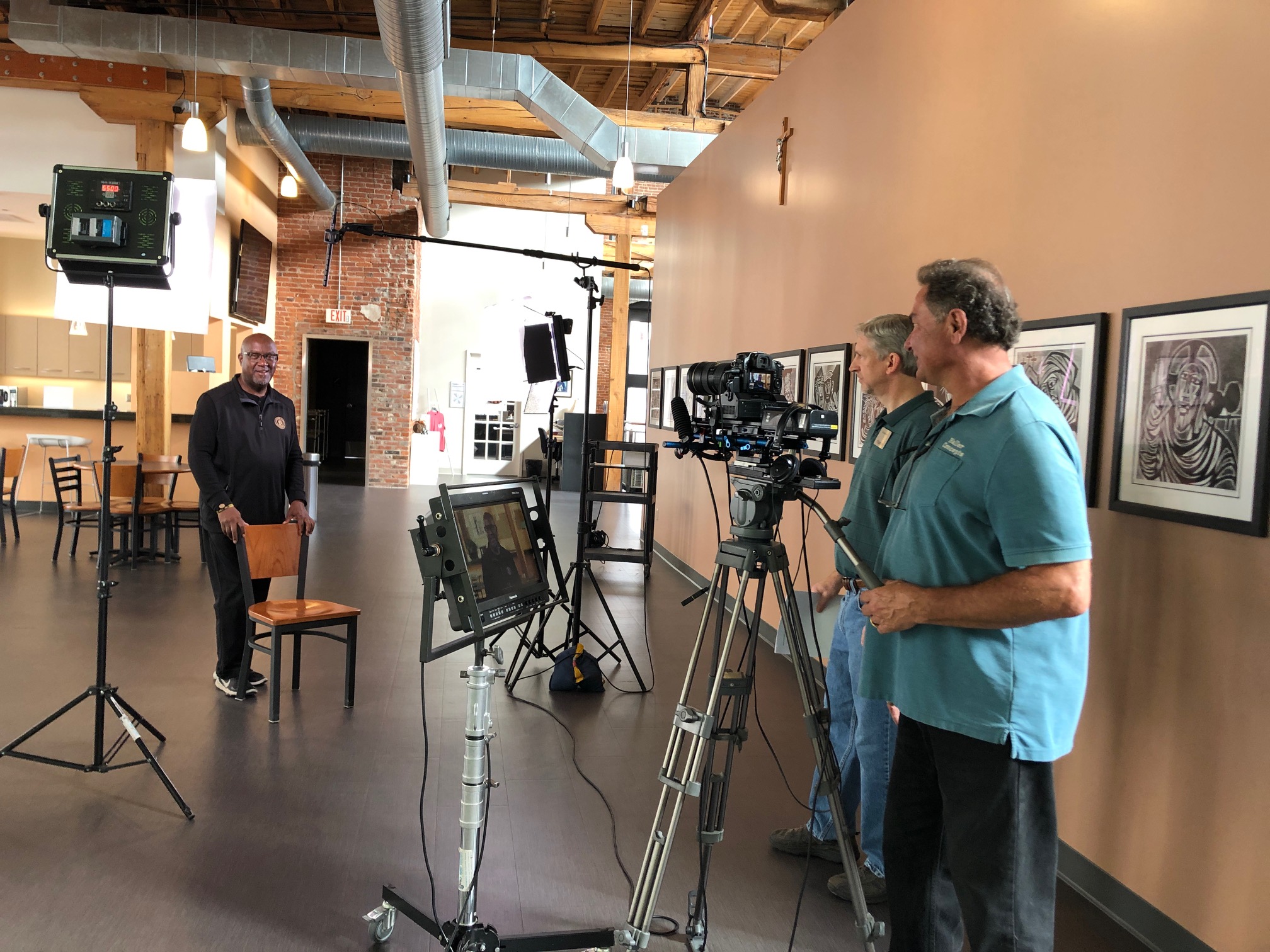
Producing interviews inside your workplace demonstrates transparency while showcasing your people and operations.
Location productions frequently feature:
Corporate headquarters
Manufacturing facilities
Healthcare environments
Warehouses
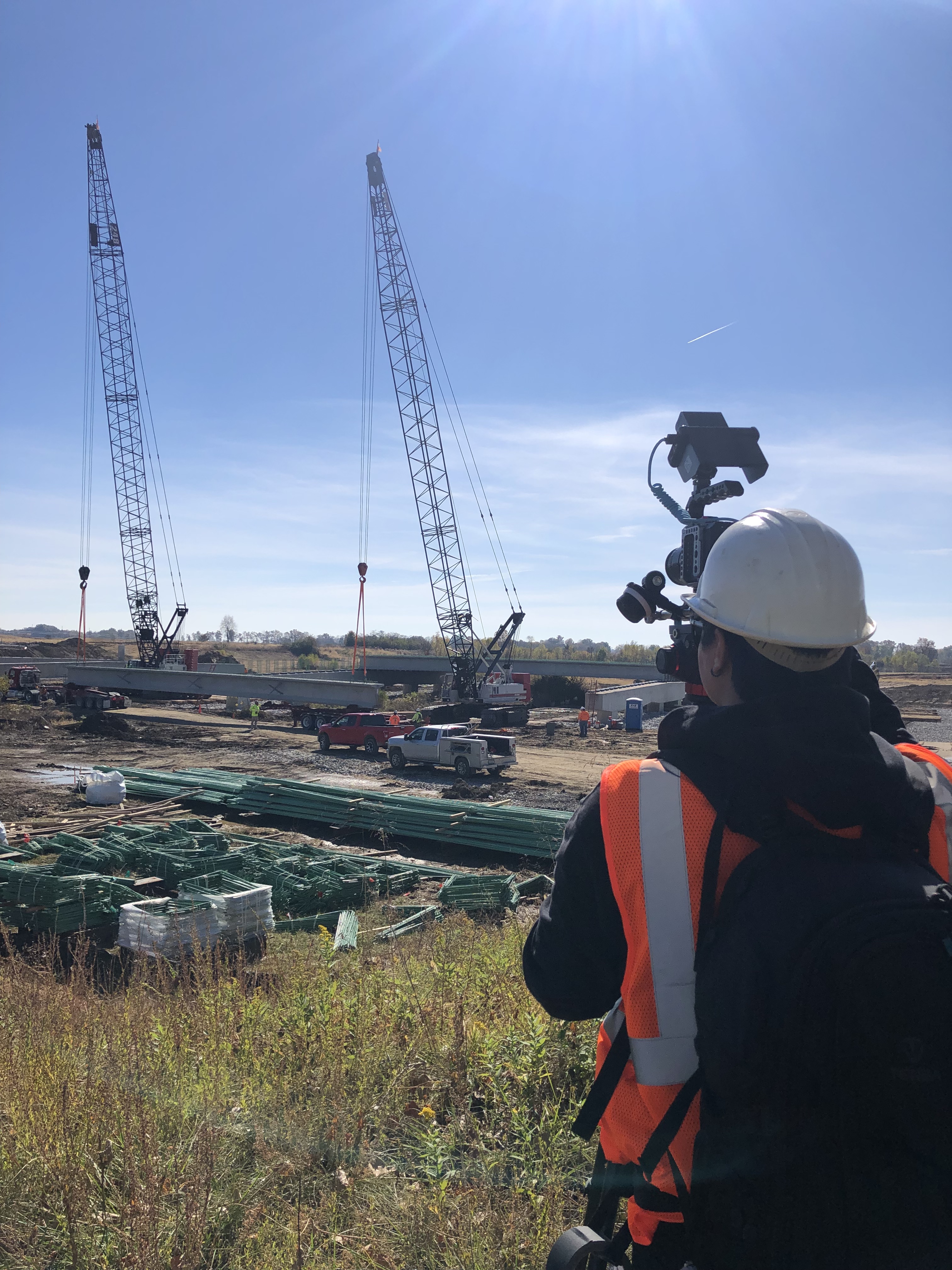
Construction projects
Schools
Commercial offices
Hospitality venues
The setting itself becomes part of the story.
Great Lighting Does More Than Illuminate
Professional lighting shapes mood, creates dimension, and directs viewer attention.
It also:
Enhances facial appearance
Separates subjects from backgrounds
Maintains brand consistency
Improves image quality
Supports color accuracy
Creates a polished visual style
Lighting should never distract from the message—it should quietly elevate it.
Clean Audio Protects Your Message
Nothing undermines credibility faster than poor sound.
Professional productions prioritize audio because viewers quickly forgive imperfect visuals but rarely tolerate muffled dialogue or distracting background noise.
Experienced crews utilize professional microphones, dedicated audio recorders, and continuous monitoring to ensure every word is captured clearly.
Every Shot Should Have a Purpose
Experienced videographers don’t simply record everything they see.
Instead, they intentionally capture visual sequences that support editing and storytelling.
This includes:
Wide establishing views
Medium action shots
Detail close-ups
Natural transitions
Environmental textures
Employee interactions
Equipment movement
Product demonstrations
Purposeful shooting creates flexibility during post-production while improving pacing throughout the finished video.
Aerial Perspectives Expand the Story
Drone cinematography has become an essential storytelling tool for many organizations.
Aerial imagery can showcase:
Corporate campuses
Industrial facilities
Commercial developments
Construction progress
Healthcare systems
Educational campuses
Distribution centers
Public venues
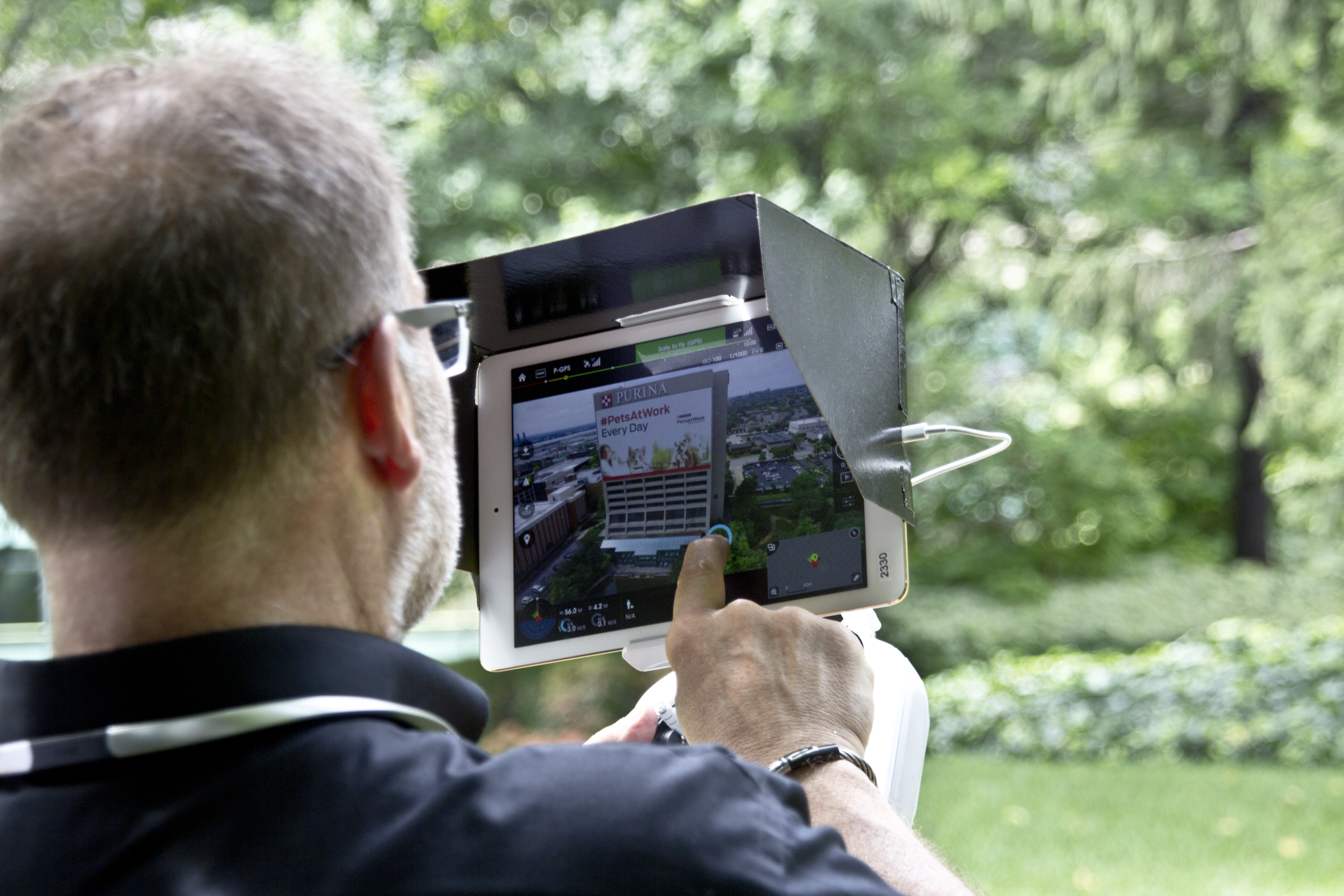
For interior productions, FPV drone technology offers smooth, immersive flights through offices, manufacturing facilities, warehouses, athletic venues, museums, and commercial spaces, creating dynamic perspectives impossible with conventional cameras.
Producing Content for Multiple Platforms
Today’s business videos rarely live in only one location.
One professionally planned production can provide content for:
Company websites
YouTube
LinkedIn
Instagram
Facebook
Trade show presentations
Recruiting campaigns
Sales presentations
Email marketing
Internal communications
Digital advertising
Capturing multiple formats during a single production extends the value of your investment while maintaining visual consistency across every platform.
Artificial Intelligence Supports Modern Production
Artificial Intelligence has become an important tool throughout today’s production workflow.
Professional production teams use AI to improve efficiency through:
Interview transcription
Caption generation
Audio enhancement
Searchable content organization
Editing assistance
Color workflow improvements
Content repurposing
Versioning for multiple platforms
AI enhances productivity while experienced producers continue making the creative decisions that shape compelling visual stories.
Professional Production Creates Long-Term Marketing Assets
The strongest business videos are designed for longevity.
Rather than producing content for a single campaign, experienced production teams capture footage that can be reused throughout future marketing initiatives.
Interview footage, environmental imagery, aerial cinematography, product demonstrations, employee interactions, and branded visuals become a growing media library that supports communications for years to come.
This approach maximizes return on investment while reducing the need for frequent reshoots.
St Louis Video: Your Complete Commercial Production Partner
Since 1982, St Louis Video has helped businesses, corporations, healthcare providers, educational institutions, manufacturers, nonprofit organizations, government agencies, and creative firms throughout the St. Louis region produce professional commercial photography and video that communicates with clarity and confidence.
We are a full-service commercial production company offering experienced producers, directors, videographers, photographers, editors, lighting specialists, audio technicians, and FAA-certified drone pilots who understand every phase of professional image acquisition.
Our capabilities include studio and on-location video production, commercial photography, editing, post-production, color grading, motion graphics, licensed drone services, and complete project management from concept through final delivery. Every production is customized to meet your organization’s communication objectives while delivering media optimized for broadcast, web, streaming, social media, presentations, training, and digital marketing. We also specialize in repurposing existing photography and video content, helping organizations extend the value of every production across multiple platforms and campaigns.
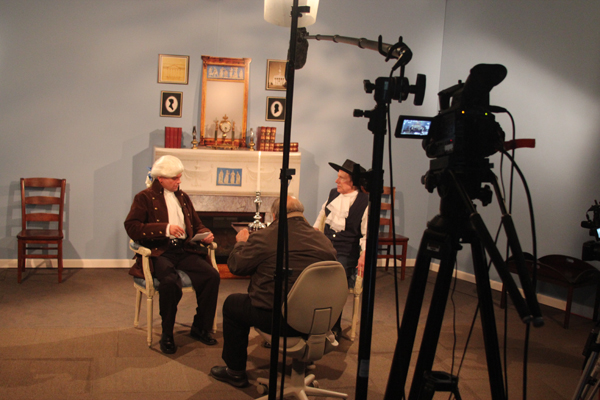
Our private production studio offers a comfortable, fully equipped environment for executive interviews, podcasts, educational programming, testimonials, product demonstrations, and branded content. Professional lighting systems, flexible set configurations, custom backgrounds, and ample space for props allow us to create polished productions in a controlled environment.
Beyond traditional production services, St Louis Video provides comprehensive location scouting, cinematic b-roll acquisition, indoor FPV drone flights, aerial cinematography, infrared thermal imaging, orthomosaic mapping, and LiDAR data collection. Whether documenting facilities, creating marketing campaigns, supporting engineering projects, or producing cinematic corporate storytelling, our experienced crews deliver creative solutions backed by decades of production expertise.
From a single interview to a multi-day commercial production, St Louis Video combines creative vision, technical excellence, the latest Artificial Intelligence workflows, and more than four decades of experience to help organizations produce visual content that informs, inspires, and delivers measurable business results.
ERAS headshots have always been a required element of the application, but their role has shifted. With residency programs receiving record numbers of applications and relying more heavily on holistic, values-based review, admissions and program committees are spending less time per file — which means visual and video content is doing more work, faster, to communicate professionalism and fit.
A growing number of programs also now solicit optional or required short video statements, sometimes in lieu of (or in addition to) the traditional interview. These clips are typically 30–90 seconds, unscripted or lightly scripted, and designed to let programs assess communication style, presence, and authenticity — qualities that are difficult to convey through text alone. Institutions that get ahead of this trend and offer students professionally produced video assets, rather than leaving them to record on a phone in a dorm room, are giving their applicants a measurable edge.
The Real Cost Drivers Behind Headshot and Video Programs
When institutions evaluate options for producing ERAS headshots and video clips at scale, three cost drivers typically determine the final price tag:
1. Per-session versus batch production. Booking individual freelance photographers for one-off sessions is almost always the most expensive path per student, both in dollars and in coordination time. A batch-production model — where a crew sets up once and processes a continuous flow of students over one or several days — dramatically lowers the per-person cost while improving consistency across the cohort.
2. Studio versus improvised space. Converting a conference room or classroom into a temporary photo studio sounds cost-saving on paper, but it introduces hidden costs: rented lighting, backdrop rentals, extra crew time for setup and teardown, and inconsistent results if ambient light changes throughout the day. A dedicated, pre-lit studio space eliminates these variables entirely.
3. Post-production workflow. ERAS has specific technical requirements for photo files (JPEG format, defined pixel dimensions, and file size limits), and video clips often need to be trimmed, color-corrected, and exported in specific formats and aspect ratios depending on the program’s submission portal. Production teams with an efficient, partially automated post-production pipeline can turn around hundreds of finished assets in days rather than weeks — which directly affects labor cost.
Best Practices for a Cost-Efficient, High-Quality Program
Schedule in structured blocks, not open-ended windows. Assigning students to 10–15 minute time slots across a single day or a few consecutive days allows a production crew to maintain lighting and camera settings, minimizing setup changes and maximizing throughput.
Standardize wardrobe and background guidance in advance. Sending students a simple one-page guide on appropriate attire (white coat or business professional, depending on program preference) and grooming reduces retakes and keeps the visual identity of the cohort consistent.
Use a single controlled environment for both photo and video. Capturing headshots and video clips in the same studio setup, back-to-back, means students only need to show up once — saving both their time and the institution’s coordination overhead.
Build in light direction and coaching. A brief, calm prompt from an experienced director — helping a nervous student relax their shoulders or find a natural starting sentence for their video clip — measurably improves outcomes without adding significant time per session.
Plan for revisions and late additions. Residency application cycles include students who join late, need retakes, or require updated assets the following year. A production partner with retained lighting setups, style notes, and file archives can accommodate these requests without re-creating the entire production from scratch.
What to Look for in a Production Partner
Not every commercial photography or video vendor is equipped to run an efficient, high-volume ERAS session. Decision makers should look for a partner that offers:
A dedicated studio space (versus mobile-only services), to control lighting and eliminate rental costs
Experience with structured, high-volume scheduling for cohorts, not just individual bookings
Familiarity with ERAS technical specifications for both photo and video file delivery
A streamlined, technology-assisted post-production workflow to control turnaround time and cost
The flexibility to scale from a small residency class to a large medical school cohort
Choosing a partner with these capabilities up front — rather than assembling ad hoc freelance talent each cycle — is consistently the single biggest lever for controlling cost while raising the quality bar for every student’s application.
About St Louis Video
At St Louis Video, we’re a full-service professional video production and commercial photography company serving medical schools, GME offices, hospital systems, businesses, marketing firms, and creative agencies throughout the St. Louis area. We bring the right equipment and an experienced creative crew to every project, ensuring successful footage and image acquisition from the first frame to final delivery.
We offer full-service studio and location video and photography, along with editing, post-production, and licensed drone services — all customizable to the diverse media requirements of programs like ERAS headshot and video initiatives. Our private studio lighting and visual setup is ideal for structured, high-volume sessions like residency headshots and short video clips, and it’s large enough to incorporate props and set elements for more involved productions. We support every aspect of production, from setting up a custom interview or headshot studio to supplying professional sound and camera operators and all necessary equipment, ensuring your next production is seamless and successful.
We’re well-versed in every file type and media style required by platforms like ERAS, and we apply the latest in artificial intelligence across our media services to streamline post-production and speed up turnaround without compromising quality. Beyond headshots and video clips, we specialize in repurposing photography and video branding to help institutions gain more traction from the assets they’ve already invested in, along with location scouting and b-roll production for broader marketing needs.
For projects requiring an aerial perspective, our licensed drone services include specialized FPV drones capable of indoor flight, along with infrared thermal imaging, orthomosaics, and LiDAR capture.
Whether you’re coordinating headshots and video clips for an entire graduating class or producing a full institutional marketing campaign, St Louis Video delivers the consistency, efficiency, and professionalism decision makers need. Contact St Louis Video to plan your next cost-efficient production.
Healthcare organizations face increasing competition when recruiting top medical residents. Prospective physicians evaluate far more than salary, benefits, and location—they also examine your organization’s culture, facilities, technology, educational opportunities, and work environment. Before submitting an application, many candidates will visit your website, watch videos, browse social media, and review online content to determine whether your residency program aligns with their career goals.
This creates an opportunity for hospitals, healthcare systems, universities, and residency programs to communicate their strengths through professionally produced photography and video. Even more importantly, it presents an opportunity to do so in a highly cost-efficient manner by producing multiple marketing assets during a single production day.
Medical Residency Recruitment Has Become a Visual Marketing Competition
Today’s residency candidates are digital-first decision makers. They expect authentic visual storytelling that demonstrates what life inside your program actually looks like.
Professional photography and video allow prospective residents to experience:
Clinical learning environments
Faculty interaction and mentorship
Simulation laboratories
Advanced medical technology
Research opportunities
Resident collaboration
Community involvement
Hospital culture
Campus amenities
The surrounding St. Louis region
High-quality visuals help prospective applicants picture themselves becoming part of your program long before they schedule an interview.
Why One Production Day Saves Thousands
One of the biggest mistakes organizations make is scheduling separate productions throughout the year.
Instead, experienced production planning allows hospitals to capture virtually every marketing need during one coordinated shoot.
During a single production day you can capture:
Recruitment videos
Physician interviews
Resident testimonials
Lifestyle photography
Clinical photography
Department group portraits
Environmental campus images
Website banner photography
Social media clips
Vertical videos for Instagram, LinkedIn, Facebook and YouTube Shorts
B-roll throughout multiple departments
Drone footage of campus and surrounding facilities
By carefully organizing the production schedule, each scene supports multiple marketing objectives simultaneously.
Every Image Should Have Multiple Uses
Cost efficiency isn’t simply about reducing production expenses—it’s about maximizing the value of every photograph and video clip.
One interview can become:
A two-minute recruiting video
Several 30-second social media videos
Website content
Physician profile videos
Internal communications
Conference presentations
Continuing education materials
Likewise, one photography session can provide hundreds of professionally edited images for:
Annual reports
Digital advertising
Recruitment brochures
Trade show displays
Residency program websites
Press releases
LinkedIn company pages
Hospital newsletters
This approach significantly lowers the long-term cost of content creation.
Real residents interacting with faculty, nurses, patients (where appropriate), and fellow physicians create credibility that generic imagery simply cannot match.
The most successful medical productions begin weeks before cameras arrive.
A professional production team develops:
Shot lists
Interview questions
Production schedules
Department coordination
Patient privacy planning
Location logistics
Equipment requirements
Lighting strategies
Audio planning
Backup production plans
Proper preparation minimizes disruption while maximizing usable content.
High-Quality Audio Matters as Much as Video
Viewers often forgive less-than-perfect visuals.
They rarely forgive poor sound.
Professional microphones, audio mixers, experienced sound technicians, and carefully controlled interview environments ensure physicians and residents sound confident, articulate, and trustworthy.
Excellent audio dramatically improves perceived production quality.
Drone Video Adds Valuable Perspective
Modern residency marketing increasingly benefits from aerial imagery.
Professional drone footage showcases:
Hospital campuses
Medical centers
Research facilities
Parking access
Nearby neighborhoods
University partnerships
Green spaces
Regional attractions
These visuals help applicants better understand both the campus and the surrounding community.
Advanced drone platforms can also capture specialty imagery including indoor FPV drone flights through facilities, infrared thermal imaging, orthomosaic mapping, and LiDAR scanning for engineering, construction, facility documentation, and campus planning projects.
Build a Content Library Instead of Individual Projects
Organizations often think in terms of producing one video.
The better strategy is creating a content library.
Every production should generate assets for immediate use and future campaigns.
A well-organized media library allows marketing departments to quickly develop:
Recruitment campaigns
Residency announcements
Website updates
Digital advertising
Email marketing
Social media campaigns
Internal communications
Public relations materials
This dramatically extends the value of every production investment.
Artificial Intelligence Accelerates Content Production
Artificial Intelligence is transforming professional photography and video workflows.
Today’s AI-assisted production can help streamline:
Video editing
Audio cleanup
Caption generation
Transcription
Content organization
Image enhancement
Color matching
Background cleanup
Metadata tagging
Multi-platform content optimization
AI doesn’t replace experienced producers—it enhances efficiency, allowing organizations to receive more finished content in less time while maintaining professional quality standards.
Choosing the Right Production Partner
Healthcare marketing requires more than simply owning cameras.
Medical environments demand production teams that understand:
HIPAA awareness
Hospital workflow
Physician scheduling
Patient sensitivity
Infection-control considerations
Lighting in clinical environments
Professional interviewing
Efficient production management
Experience minimizes disruption while maximizing production value.
Invest Once, Market for Years
Medical residency recruitment is increasingly competitive. Professional photography and video help organizations communicate excellence, attract qualified applicants, strengthen their brand, and improve recruitment outcomes.
The most cost-effective approach isn’t producing less content—it’s producing smarter content that serves multiple marketing objectives across numerous platforms for years to come.
Why Choose St Louis Video?
Since 1982, St Louis Video has partnered with businesses, healthcare organizations, marketing firms, creative agencies, and institutions throughout the St. Louis region to produce compelling commercial photography and video that delivers measurable marketing value. We understand how to maximize production efficiency by capturing a wide variety of assets during every production, helping clients stretch their marketing budgets while maintaining exceptional quality.
As a full-service commercial photography and video production company, St Louis Video provides experienced creative direction, producers, directors of photography, professional camera operators, lighting specialists, sound technicians, editors, and licensed FAA Part 107 drone pilots equipped to handle productions of every size.
We offer complete studio and on-location photography and video production, post-production editing, color correction, motion graphics, audio mixing, and customized deliverables for virtually every media platform. Our experienced team is well-versed in today’s diverse file formats, codecs, editing software, and distribution requirements, ensuring your content is optimized for websites, broadcast, streaming platforms, digital advertising, social media, trade shows, presentations, and internal communications.
Our private production studio provides a professionally lit environment ideal for interviews, physician testimonials, executive messaging, product demonstrations, and educational productions. The studio is spacious enough to incorporate props, branded backgrounds, and custom set designs that reflect your organization’s identity.
We also specialize in content repurposing—transforming one production into dozens of valuable marketing assets that increase audience engagement and maximize return on investment. Leveraging the latest Artificial Intelligence tools alongside decades of production expertise, we streamline editing workflows, enhance media quality, accelerate content delivery, and optimize assets for multiple distribution channels.
Beyond traditional aerial cinematography, our specialized drone capabilities include indoor FPV drone flights, infrared thermal imaging, orthomosaic mapping, LiDAR scanning, construction documentation, infrastructure inspections, and facility imaging. Our experienced location scouting and b-roll specialists help ensure every production captures compelling visuals that strengthen your brand story.
From designing custom interview sets and supplying professional lighting, cameras, teleprompters, and audio equipment to providing complete production crews and post-production services, St Louis Video delivers seamless, efficient productions that produce outstanding results. Whether your project involves medical residency recruitment, healthcare marketing, corporate communications, training, education, or commercial advertising, we have the experience, equipment, and creative expertise to help your organization communicate with confidence.
In today’s hyper-connected digital landscape, your brand’s first impression is almost always visual. Before a potential client reads a single word of your copy, they’ve already formed an opinion based on the imagery and video content they encounter. For decision-makers responsible for marketing, photography, and video production services, understanding the strategic value of professional headshots and video clips is no longer optional — it’s a competitive necessity.
The Digital Storefront: Why First Impressions Are Visual
Your website and social media profiles function as your organization’s digital storefront. Unlike a physical location where atmosphere, signage, and staff presence contribute to the experience, online your visuals carry the entire weight of that first interaction. Research consistently shows that users form judgments about a website’s credibility within milliseconds — and those judgments are overwhelmingly driven by visual quality.
Amateur or outdated headshots signal neglect. Shaky, poorly lit video clips undermine authority. Conversely, sharp, professionally produced imagery communicates competence, trustworthiness, and investment in your brand identity before a single word is consumed.
Professional Headshots: More Than Just a Good Photo
Many organizations underestimate what a professional headshot actually accomplishes. A well-executed headshot is not simply a photograph of a person — it is a carefully constructed communication tool that conveys professionalism, personality, approachability, and brand alignment simultaneously.
Consistency Across Your Team
For businesses with multiple team members, consistent headshot styling across your website and LinkedIn profiles projects organizational cohesion. Inconsistent imagery — some photos taken on smartphones, others professionally lit, varying backgrounds and cropping — creates a fragmented brand experience that erodes credibility. A unified visual language across your entire team reinforces the message that your organization is coordinated, detail-oriented, and professional.
Platform-Specific Considerations
Different digital platforms have different visual requirements and audience expectations. LinkedIn headshots benefit from clean, professional backgrounds and business-appropriate styling that speaks directly to a B2B audience. Instagram and other social platforms may call for slightly more personality and environmental context. A skilled photographer understands how to capture headshots that translate effectively across multiple platforms without requiring entirely separate shoots.
Technical Quality That Scales
High-resolution, properly lit headshots retain their quality whether displayed as a small circular avatar on a social media profile or scaled up for a conference banner or press release. Low-quality images degrade rapidly at larger sizes, creating unprofessional results the moment your brand extends beyond a thumbnail.
Video Clips: The Currency of Modern Digital Engagement
If photography is the foundation of your digital visual identity, video is the engine driving engagement across virtually every major platform. From LinkedIn to YouTube, Instagram Reels to your company’s homepage, short-form and long-form video content consistently outperforms static imagery in reach, engagement, and conversion metrics.
The Power of the Short-Form Introduction Video
A 60 to 90-second professional introduction video featuring your leadership team or key personnel does more to humanize your brand than almost any other single marketing asset. Viewers form emotional connections with faces, voices, and authentic presence in ways that static imagery simply cannot replicate. For professional service firms, consultancies, healthcare organizations, legal practices, and B2B companies, this human connection is frequently the deciding factor in a prospect’s choice to engage further.
Interview-Style Video Content
Thought leadership video content — structured as professional interviews, Q&A formats, or expert commentary segments — positions your team members as credible authorities in their fields. When produced with proper lighting, professional sound, clean backgrounds, and skilled editing, these clips are extraordinarily versatile assets. A single well-produced interview session can be repurposed into a full-length feature for YouTube, shorter clips for LinkedIn and Instagram, audio-only podcast content, embedded website content, and sales enablement materials — multiplying the return on a single production investment.
Consistency Between Still and Motion Content
The most sophisticated brand content strategies ensure visual consistency between headshot photography and video content. Matching color grading, lighting aesthetics, and stylistic approaches across both mediums creates a cohesive brand identity that resonates with audiences across every touchpoint.
The Technical Dimensions Decision-Makers Must Understand
For marketing directors, brand managers, and organizational leaders commissioning visual content, a foundational understanding of the technical requirements helps ensure the content you invest in actually serves its intended purpose.
Resolution and File Format Requirements
Different platforms and use cases demand different file specifications. Web-optimized images for fast page load times are formatted differently than print-ready files. Social media platforms compress uploaded video, meaning footage must be produced at a higher quality threshold to maintain acceptable resolution after platform processing. Working with a production team that understands these technical specifications from the outset eliminates the costly mistake of discovering your content doesn’t meet requirements after the shoot is complete.
Lighting and Audio: The Non-Negotiable Foundations
In video production, poor audio is more damaging to viewer perception than even poor video quality. Studies on viewer behavior consistently find that audiences will tolerate lower visual quality far more readily than they will tolerate substandard sound. Professional-grade microphones, proper acoustic management, and experienced sound operators are not luxuries — they are baseline requirements for credible video content.
Similarly, professional lighting transforms not only the technical quality of imagery but its emotional tone. Properly lit subjects appear more authoritative, approachable, and trustworthy. Poorly lit video and photography, regardless of the quality of the camera used, undermines the subject’s presence and the brand’s credibility.
The Role of Artificial Intelligence in Modern Production
AI-driven tools have fundamentally transformed post-production workflows. From intelligent noise reduction and color correction to automated transcription, smart cropping for platform-specific aspect ratios, and AI-enhanced upscaling, forward-thinking production companies are leveraging these technologies to deliver higher-quality results with greater efficiency. For clients, this means faster turnaround times, more consistent results, and expanded creative possibilities — all without sacrificing the human creative judgment that distinguishes truly exceptional content from algorithmically adequate content.
Repurposing: Maximizing the Return on Your Visual Investment
One of the most significant opportunities available to organizations investing in professional photography and video is content repurposing. A strategic shoot produces not a single asset, but a library of content that can be deployed across multiple channels, campaigns, and timeframes.
A professional headshot session might yield primary headshots for each team member, casual lifestyle variants for social media, cropped versions optimized for various platforms, and imagery suitable for press releases, speaker bios, and email signatures. A single interview video production can be edited into a full-length feature, multiple short-form clips, still frames for social media graphics, and audio content for podcast distribution.
This multiplier effect means that the cost per asset across a comprehensive repurposing strategy is dramatically lower than producing individual pieces of content for each platform and purpose. Organizations that approach visual content production with a repurposing strategy from the outset consistently generate significantly stronger returns on their production investment.
Selecting the Right Production Partner
Not all photography and video production services are created equal. For business and organizational decision-makers, the following criteria should guide the selection of a production partner for headshots and video clip content.
Experience with Commercial and Corporate Content
Consumer photography and commercial production are fundamentally different disciplines. A production partner with deep experience in corporate, marketing, and commercial content understands the specific demands of business audiences, brand guidelines, and the technical requirements of distributing content across diverse platforms and media types.
Full-Service Capability
Fragmented production workflows — sourcing a photographer separately from a video team, separately from an editor, separately from a motion graphics artist — introduce coordination inefficiencies, inconsistencies in visual style, and logistical friction. A full-service production partner who manages the entire pipeline from pre-production planning through final delivery provides a more cohesive result and a more efficient process.
Equipment and Technical Infrastructure
Professional-grade cameras, lighting systems, audio equipment, and post-production software represent a substantial investment that directly impacts output quality. Evaluate prospective partners not only on their portfolio but on the technical infrastructure they bring to each production.
Location Flexibility and Studio Capability
The ability to produce content both in a controlled studio environment and on location is essential for organizations with diverse content needs. Studio environments offer maximum control over lighting, sound, and visual presentation. Location shooting captures authentic environmental context and brand story. The best production partners deliver excellence in both settings.
St. Louis Video: Your Full-Service Visual Content Partner Since 1982
For organizations in the St. Louis area and beyond seeking a production partner with the experience, equipment, and creative expertise to deliver exceptional headshots and video content, St. Louis Video has been setting the standard for commercial photography and video production for over four decades.
As a full-service professional commercial photography and video production company, St. Louis Video brings the right equipment and experienced creative crew to every engagement — ensuring successful image and video acquisition regardless of the complexity or scale of the production. From small-team headshot sessions to comprehensive video content campaigns, we offer complete studio and location production services, professional editing, post-production, and fully licensed drone services.
Our private studio is purpose-built for the demands of commercial production. The lighting and visual setup is optimized for small productions and professional interview scenarios, while the studio footprint is large enough to incorporate props and set elements that elevate your production’s visual storytelling. Every aspect of your production is supported under one roof — from custom interview studio configuration and professional sound operators to experienced camera operators and a full complement of professional production equipment.
When your content needs take you beyond the studio, our location scouting expertise and dedicated b-roll specialists ensure your on-location production is as controlled and creatively compelling as any studio shoot. Our licensed drone services extend your visual storytelling into dimensions most production companies cannot reach, including specialized FPV drone operation for dynamic indoor environments. For clients with advanced technical requirements, our drone capabilities extend to infrared thermal imaging, orthomosaic mapping, and LiDAR data acquisition.
We understand that the visual content you produce today must serve your brand across a diverse and constantly evolving media landscape. St. Louis Video is fluent in all file types, formats, and styles of media — and we are actively integrating the latest artificial intelligence tools across all of our media services to deliver faster turnaround, enhanced quality, and expanded creative capabilities.
Repurposing your photography and video assets to maximize reach and traction across platforms is a core specialty. We approach every production with a content strategy perspective — ensuring the assets we produce for you work harder and go further across web, social media, email, broadcast, and beyond.
Since 1982, St. Louis Video has partnered with businesses, marketing firms, and creative agencies throughout the St. Louis region to produce the photography and video content that drives marketing success. When your brand’s visual identity demands the best — contact St. Louis Video.
Business events move quickly, and they rarely offer a second chance. Whether your organization is hosting a conference, annual meeting, awards dinner, executive retreat, trade show appearance, client appreciation event, product launch, fundraising gala, or internal leadership gathering, the visuals captured during that event often become some of your most valuable marketing assets. Strong event photography and video do far more than document what happened. They help extend the life of the event, reinforce your brand, support future promotions, and show clients, prospects, employees, and stakeholders how your organization presents itself in the real world.
For decision makers responsible for marketing, communications, branding, and media production, hiring an experienced business events photographer and video production team in St. Louis is not simply about getting coverage. It is about creating useful, polished visual content that serves multiple business purposes long after the event ends.
At St Louis Video, we understand that business event coverage must balance speed, strategy, discretion, and production quality. The job is not just to show up with cameras. The job is to understand what matters, anticipate key moments, work efficiently in live environments, and deliver media that can be repurposed across many channels.
Why Business Event Coverage Matters More Than Ever
A well-covered business event produces content that can be used across marketing, communications, sales, recruiting, training, and public relations. One event can generate weeks or months of useful media when approached strategically.
Professional event photography and video can support:
website updates
social media campaigns
post-event recap videos
internal communications
recruiting materials
investor and stakeholder updates
PR outreach
future event promotion
sales presentations
email marketing
brand storytelling
testimonial and interview content
Many companies spend heavily on the planning, logistics, venue, presenters, branding materials, and attendee experience of an event, but then underinvest in the visual documentation. That is often a mistake. Once the event is over, the remaining value comes from what was captured and how effectively that content can be used.
Business Event Photography Is Not the Same as General Event Coverage
Corporate and organizational events require a different level of awareness than social or consumer events. A business event photographer and videographer must understand branding, executive presence, staging, messaging, timing, and audience interaction.
In business settings, coverage often needs to include:
keynote speakers
executive presentations
networking interactions
branded environmental shots
sponsor visibility
team collaboration
audience engagement
award presentations
wide room scenes
candid interactions
VIP attendance
exhibit displays
product demonstrations
breakout sessions
behind-the-scenes operations
Each of these visual categories serves a different purpose. Some images help show scale and energy. Others build credibility. Some support future event promotion, while others provide valuable content for annual reports, websites, LinkedIn posts, media kits, and internal documentation.
A seasoned team knows how to capture all of these without interrupting the flow of the event.
What Decision Makers Should Expect From a Professional Event Team
When businesses hire experienced event photographers and videographers, they should expect far more than basic coverage. They should expect planning, coordination, adaptability, and purposeful execution.
A professional team should be prepared to:
understand the event schedule in advance
identify must-capture people and moments
coordinate with internal marketing or communications staff
work around venue limitations and lighting challenges
manage audio concerns for live speeches and interviews
capture both candid and intentional branded content
shoot for multiple final deliverables
maintain a professional, low-profile presence
react quickly to changing event conditions
Business events are live productions. Timelines shift. Speakers run long. Lighting varies from room to room. Important guests arrive unexpectedly. A skilled production crew stays flexible while still delivering organized, complete visual coverage.
Photography and Video Should Work Together
One of the most effective approaches to business event coverage is integrating both photography and video into one coordinated production plan. Photography captures decisive moments, expressions, branding, and environmental context. Video adds energy, motion, voice, atmosphere, and narrative.
Together, they allow an organization to produce a much richer content package.
For example, a single event can yield:
polished still images for web and press use
a highlight reel for social and website promotion
executive interview clips
attendee testimonials
speaker excerpts
behind-the-scenes b-roll
sponsor visibility assets
short-form content for digital marketing campaigns
This integrated approach is especially valuable for businesses that want to maximize their event investment. Instead of treating photography and video as separate afterthoughts, a coordinated team can capture both formats with efficiency and purpose.
Planning for Better Business Event Results
The best event media starts before the event begins. Coverage is stronger when the production team understands the objectives ahead of time.
Before a business event, it is helpful to define:
what the media will be used for
who the most important people are
what moments are non-negotiable
what branding elements should be emphasized
whether interviews or testimonials are needed
what turnaround time is required
which spaces deserve environmental coverage
what tone the final media should convey
Some businesses want highly polished, brand-driven imagery. Others want more natural, documentary-style coverage. Many want both. Clarifying those goals in advance helps the production team shoot with intention.
It also helps determine whether additional tools or services should be included, such as a second shooter, drone footage, lighting support, interview setups, dedicated b-roll coverage, or same-day content delivery.
The Importance of B-Roll at Business Events
B-roll is often one of the most overlooked and most valuable parts of event production. While keynote speeches and posed moments are important, the connective footage is what gives an event recap video depth, movement, and storytelling power.
Strong business event b-roll may include:
guests arriving
branded signage
room setup details
hands-on demonstrations
registration activity
networking moments
audience reactions
presenters preparing backstage
catering and hospitality details
exhibit interactions
close-ups of products or materials
exterior establishing shots of the venue
This footage helps create a more complete visual story. It also gives marketers flexibility when editing future videos, building social clips, or refreshing website content.
At St Louis Video, location scouting and b-roll are specialties because these details matter. Good b-roll is not filler. It is what makes event storytelling more professional, more credible, and more usable.
Location Scouting Makes Event Coverage Stronger
Business events happen in all kinds of environments: hotels, convention centers, offices, campuses, manufacturing facilities, outdoor spaces, private clubs, warehouses, and branded showrooms. Every location presents different opportunities and limitations.
Location scouting helps identify:
the best camera positions
traffic flow patterns
lighting conditions
branding visibility
sound challenges
potential interview spots
entrances and gathering spaces
elevated vantage points
drone feasibility and restrictions
When a production team understands the location in advance, the event day becomes smoother and more productive. That preparation reduces missed opportunities and helps the crew move more efficiently.
Indoor FPV Drone Coverage Adds a New Dimension
For some business events, standard photography and video are only part of the story. Organizations that want more dynamic and visually distinctive content may benefit from indoor FPV drone coverage.
Specialized FPV drones can fly indoors to create dramatic motion shots through event spaces, offices, production areas, exhibit environments, and branded interiors. This can be especially powerful for:
opening sequences in event recap videos
facility showcases
convention and expo walk-throughs
corporate environment tours
hospitality and venue promotion
behind-the-scenes media
Indoor FPV drone footage offers a perspective that is energetic, immersive, and memorable. When used correctly, it helps a company stand out from the standard look of typical event videos.
Of course, indoor FPV drone work requires experience, planning, and safe operation. It is not something to improvise. A professional team evaluates the space, shot design, timing, safety, and coordination needed to capture those visuals effectively.
Specialized Drone Services for Business and Industrial Applications
Some events and business productions benefit from more than conventional aerial footage. Depending on the project, specialized drone services can provide added value for documentation, analysis, planning, and marketing.
These services may include:
Infrared Thermal Imaging
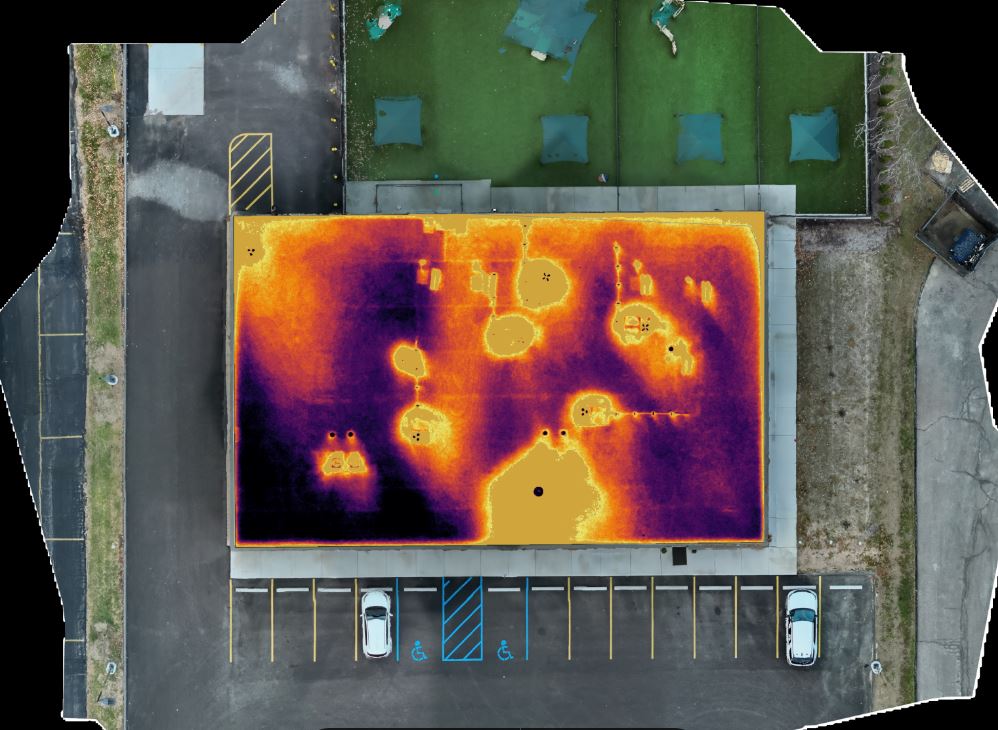
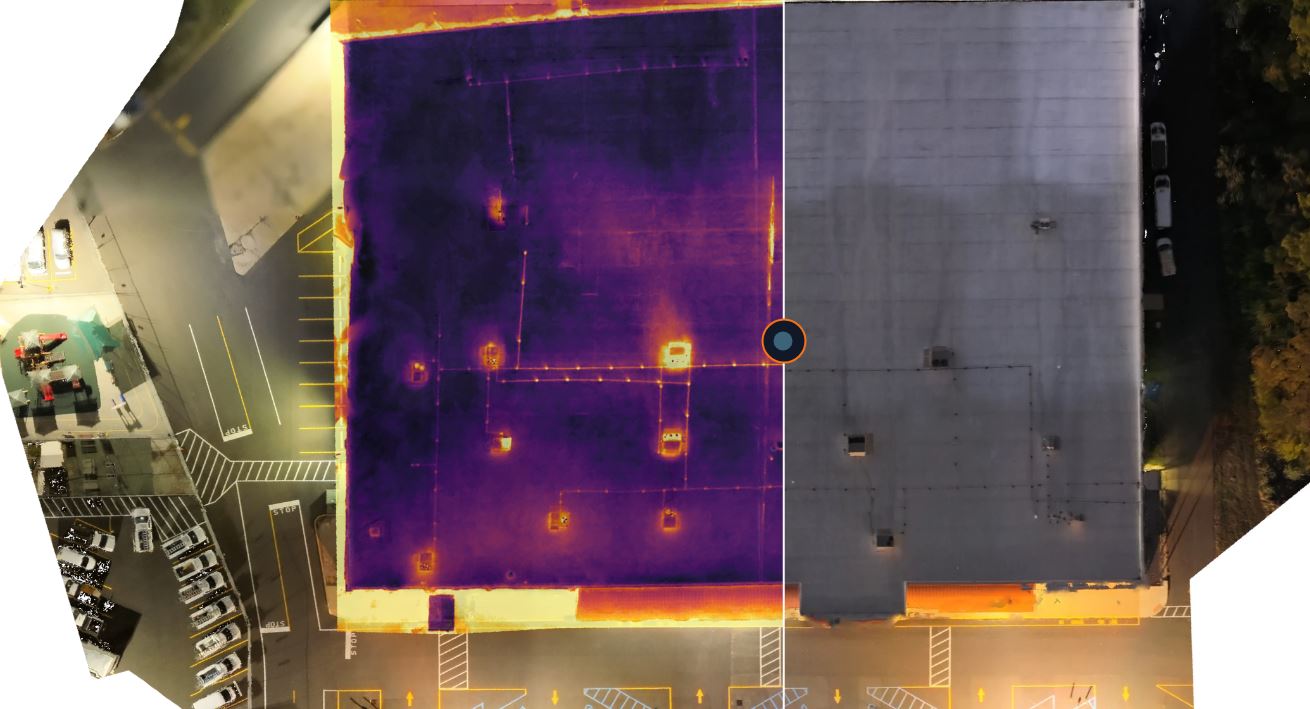
Infrared thermal drone imaging can be valuable for certain facility, infrastructure, roofing, and inspection-related projects. While this is different from standard event coverage, it can be combined with broader production work for organizations that want both marketing visuals and technical imaging support.
Orthomosaics
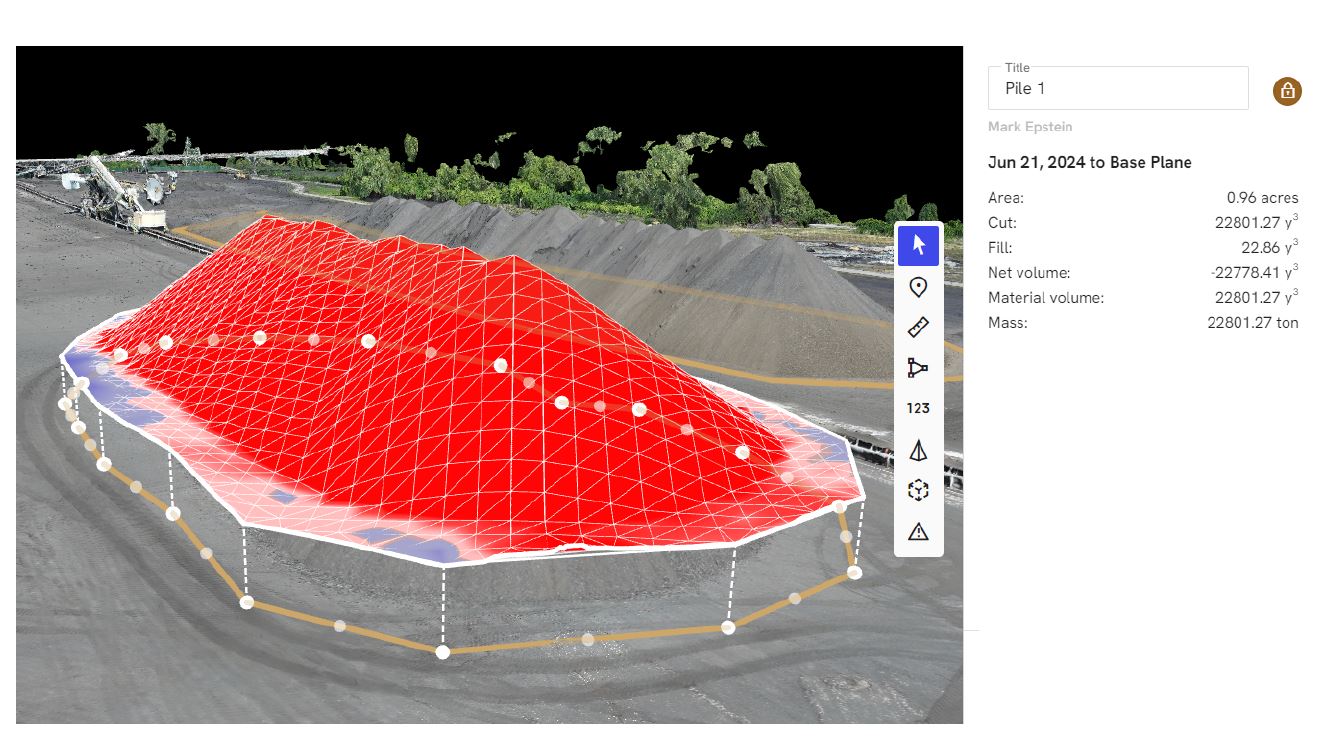
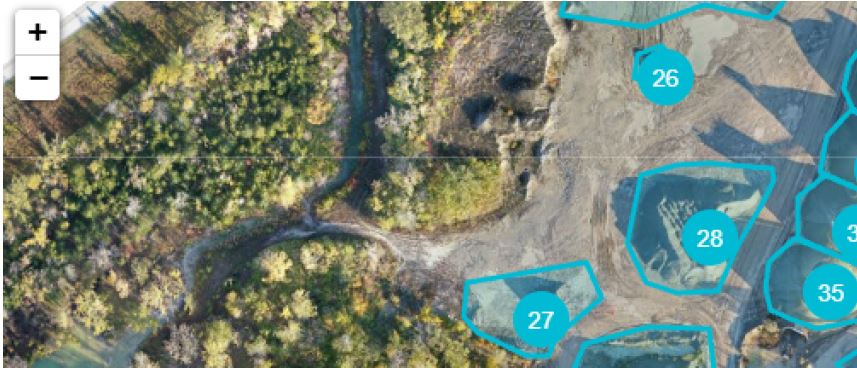
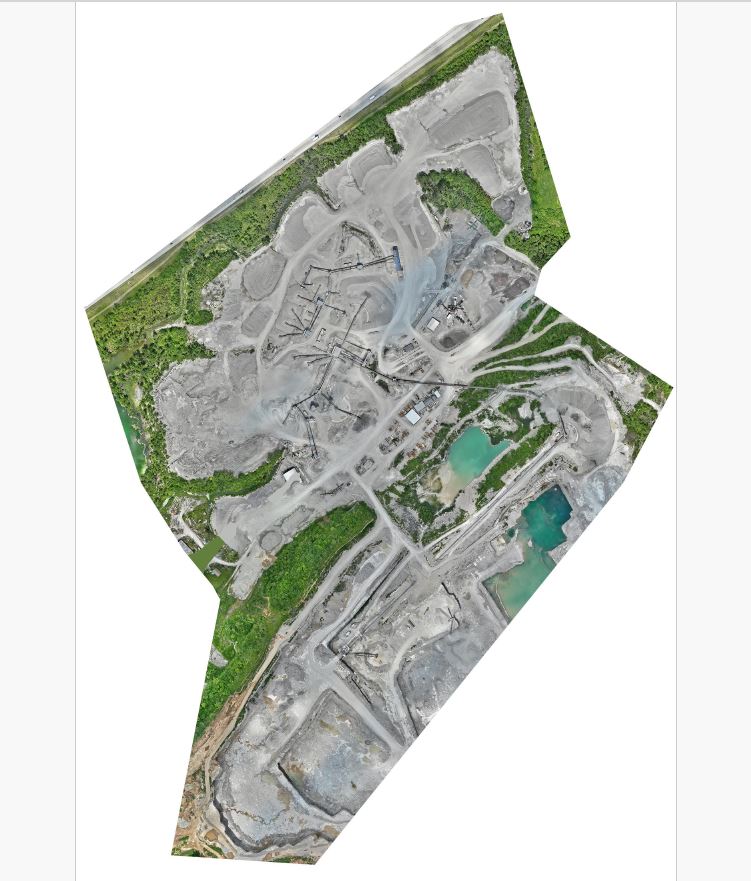
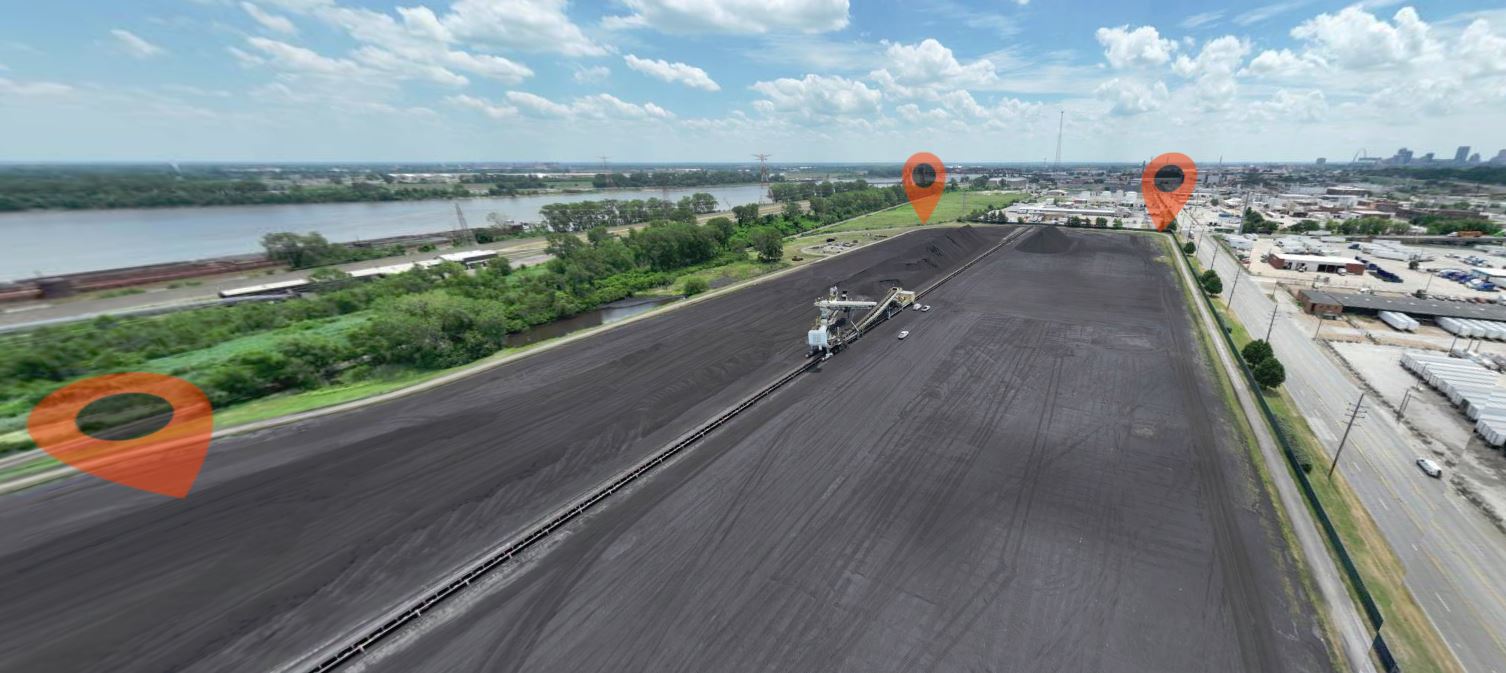
Orthomosaic mapping is useful when businesses need a high-resolution, geometrically corrected aerial overview of a site. This can support construction, development, land planning, facility documentation, and progress reporting.
LiDAR
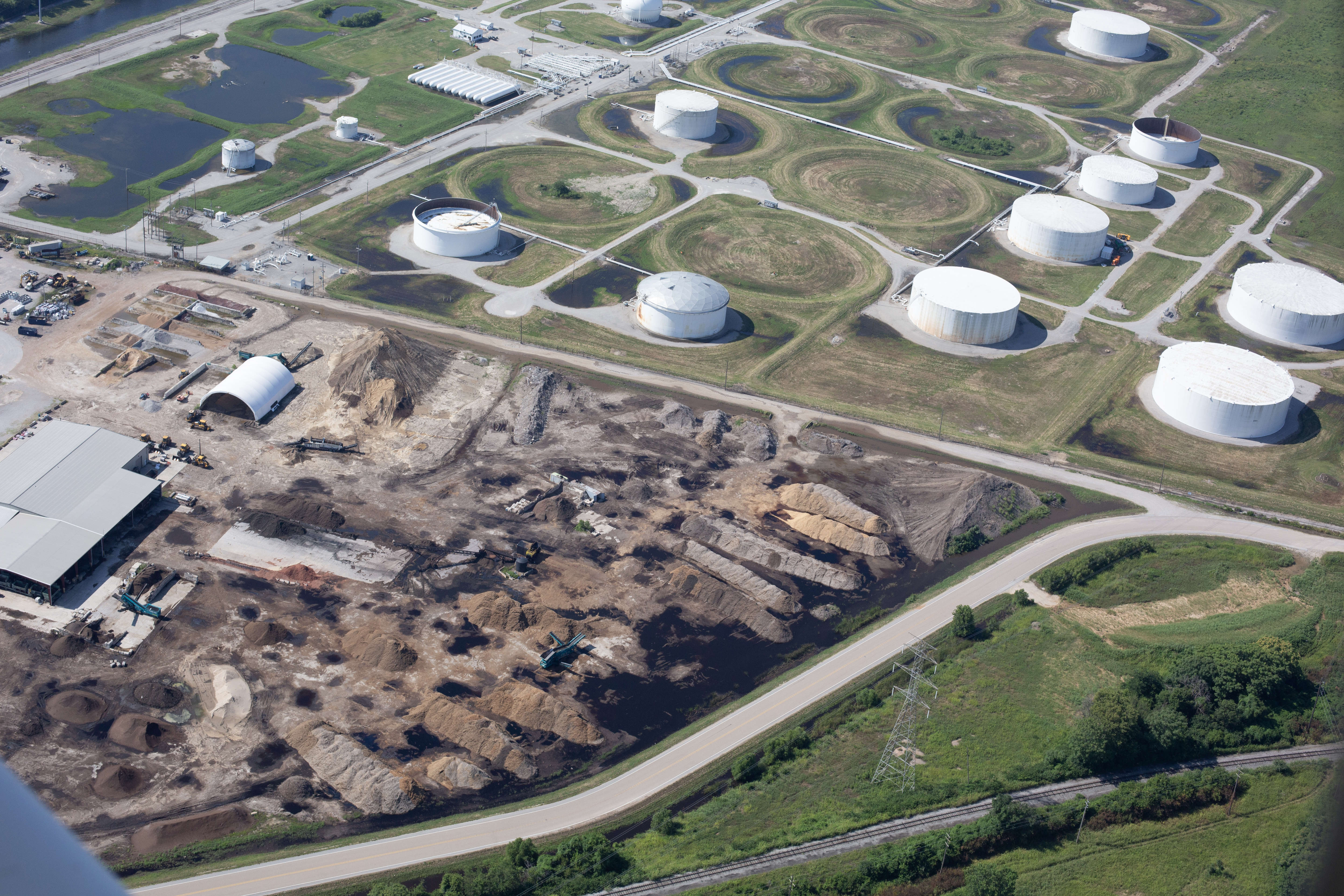
LiDAR-based drone services can help capture highly detailed spatial information for specific environments and applications. This may be useful for industrial, land, infrastructure, and survey-related projects that require more than traditional visual media.
For organizations that operate in construction, engineering, logistics, manufacturing, real estate development, utilities, or large-site management, having access to both creative production and technical drone services can be a significant advantage.
Event Coverage Should Produce More Than a Gallery
Too often, companies receive a folder of event images and a video clip, but no real strategy for using the content. The most effective business event coverage is planned around repurposing.
A strong production partner helps you think beyond simple documentation.
Content from one event can often be repurposed into:
homepage banners
service page visuals
recruiting campaigns
social media calendars
email headers
client case studies
presentation decks
sizzle reels
future event invitations
corporate overview videos
testimonial edits
sales and proposal support materials
This is where experienced business event production becomes especially valuable. The goal is not just coverage for coverage’s sake. The goal is to build a useful media library that keeps working after the event is over.
Choosing the Right Business Event Photographer and Video Team in St. Louis
When evaluating partners for business event coverage, organizations should look beyond simple portfolios and pricing. They should consider whether the team understands business communication, live production realities, and long-term marketing value.
Important considerations include:
experience with corporate and organizational events
ability to capture both photography and video
professionalism with executives, clients, and guests
comfort in live, fast-moving environments
understanding of branding and messaging
access to proper lighting, audio, and support gear
drone capability where appropriate
editing and post-production support
ability to deliver content in formats useful to marketing teams
A team that understands the needs of decision makers can make the process easier, the event coverage more complete, and the final deliverables more useful across departments.
Why Experience Still Matters
Technology changes, but experience remains critical. Business events are unpredictable, and polished results usually come from crews who know how to adapt in real time. That includes reading a room, anticipating moments, balancing technical demands, and keeping the production aligned with the client’s goals.
A seasoned event photographer and video team does not just react. They prepare. They solve problems before they become visible. They capture what is important without creating friction. They know when to direct and when to disappear into the background.
That level of professional judgment is especially important when events involve leadership teams, clients, media, sponsors, or high-value brand visibility.
St Louis Video for Business Events Photography and Video
Since 1982, St Louis Video has worked with many businesses, marketing firms, and creative agencies throughout the St. Louis area for their marketing photography and video needs. We understand how to cover business events with a strategic eye, technical precision, and a strong sense of what decision makers actually need from their visual content.
St Louis Video is a full-service professional commercial photography and video production company with the right equipment and creative crew service experience for successful image acquisition. We offer full-service studio and location video and photography, as well as editing, post-production, and licensed drone services. St Louis Video can customize your productions for diverse types of media requirements. Repurposing your photography and video branding to gain more traction is another specialty. We are well-versed in all file types and styles of media and accompanying software. We use the latest in Artificial Intelligence for all our media services.
Our private studio lighting and visual setup is perfect for small productions and interview scenes, and our studio is large enough to incorporate props to round out your set. We support every aspect of your production, from setting up a private, custom interview studio to supplying professional sound and camera operators, as well as providing the right equipment, ensuring your next video production is seamless and successful.
We are also location scouting and b-roll specialists. For projects that call for dynamic and immersive visuals, we can fly our specialized FPV drones indoors. Other drone special services include infrared thermal, orthomosaics, and LiDAR.
For organizations looking for experienced business events photographer and video services in St. Louis, St Louis Video brings the production knowledge, technical capability, and creative perspective needed to create event media that is not only well captured, but highly useful long after the event is over.
For businesses and organizations that need more than attractive aerial imagery, LiDAR drone services offer a major step forward in how sites, structures, terrain, and assets are documented. While traditional photography and standard drone video are excellent for marketing, inspections, and visual communication, there are projects where decision-makers need measurable spatial data, not just visuals. That is where LiDAR becomes especially valuable.
St Louis LiDAR drone services help companies capture highly detailed three-dimensional information about a property, construction site, industrial facility, development parcel, or infrastructure corridor with speed and efficiency. For architects, engineers, contractors, developers, facility managers, municipalities, utilities, and organizations managing large campuses or complex sites, LiDAR can provide a clearer picture of existing conditions and help reduce uncertainty before expensive decisions are made.
At St Louis Video, we work with organizations that need both visual excellence and practical data acquisition. LiDAR services fit squarely into that intersection. When deployed correctly, LiDAR drone mapping can improve planning, reduce rework, support safer operations, and give teams a stronger foundation for everything from design and permitting to construction progress and long-term asset management.
What LiDAR Means in a Drone Workflow
LiDAR stands for Light Detection and Ranging. In simple terms, a LiDAR sensor emits rapid pulses of laser light and measures how long it takes those pulses to return after hitting surfaces. That information is used to generate dense point clouds that represent the shape and elevation of the environment in three dimensions.
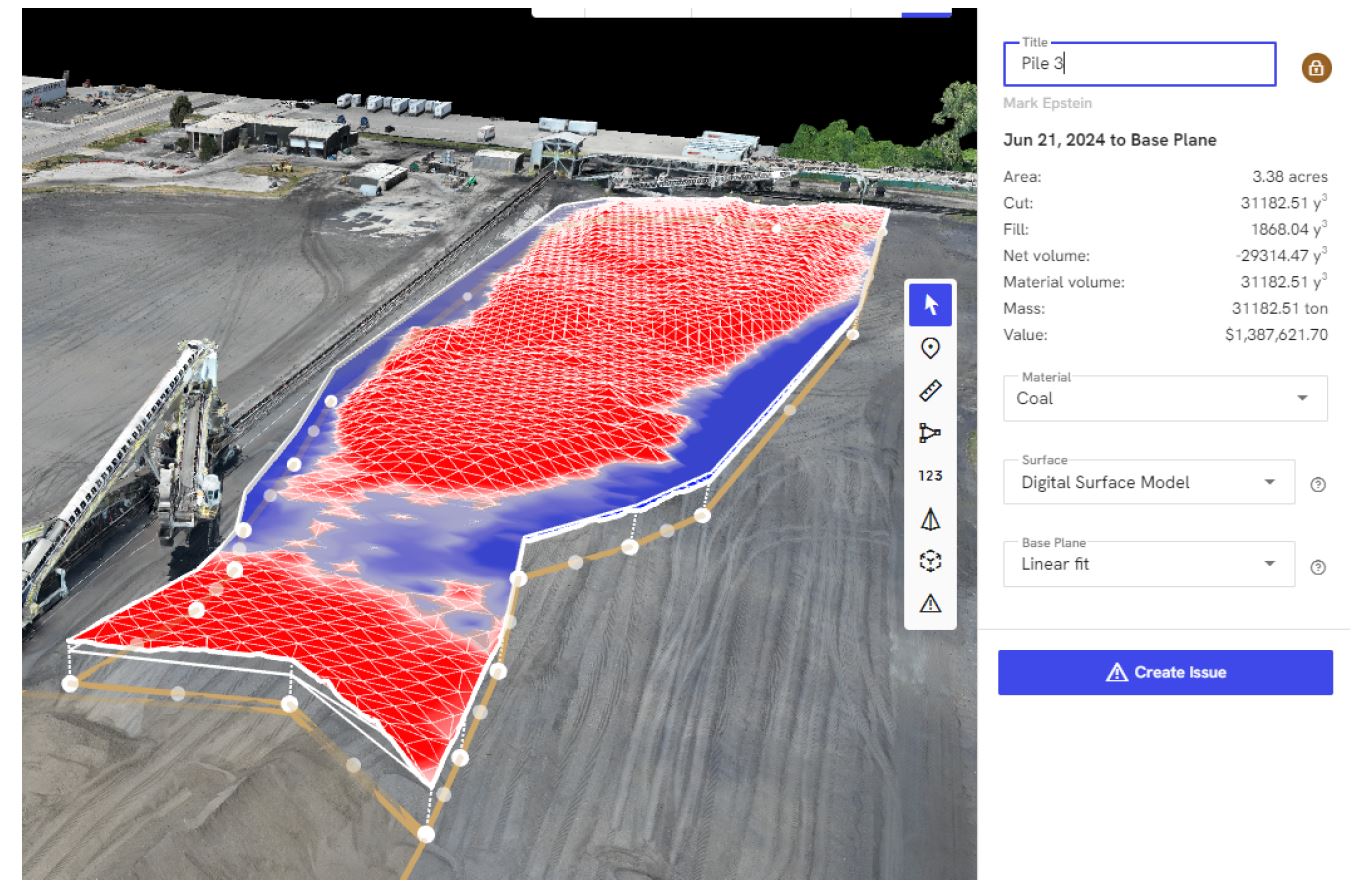
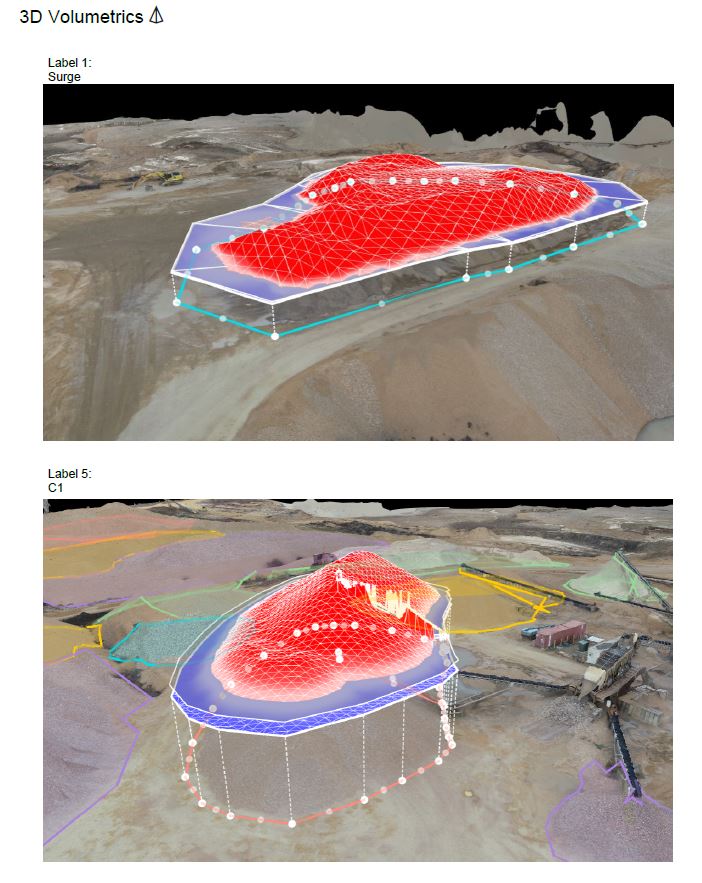
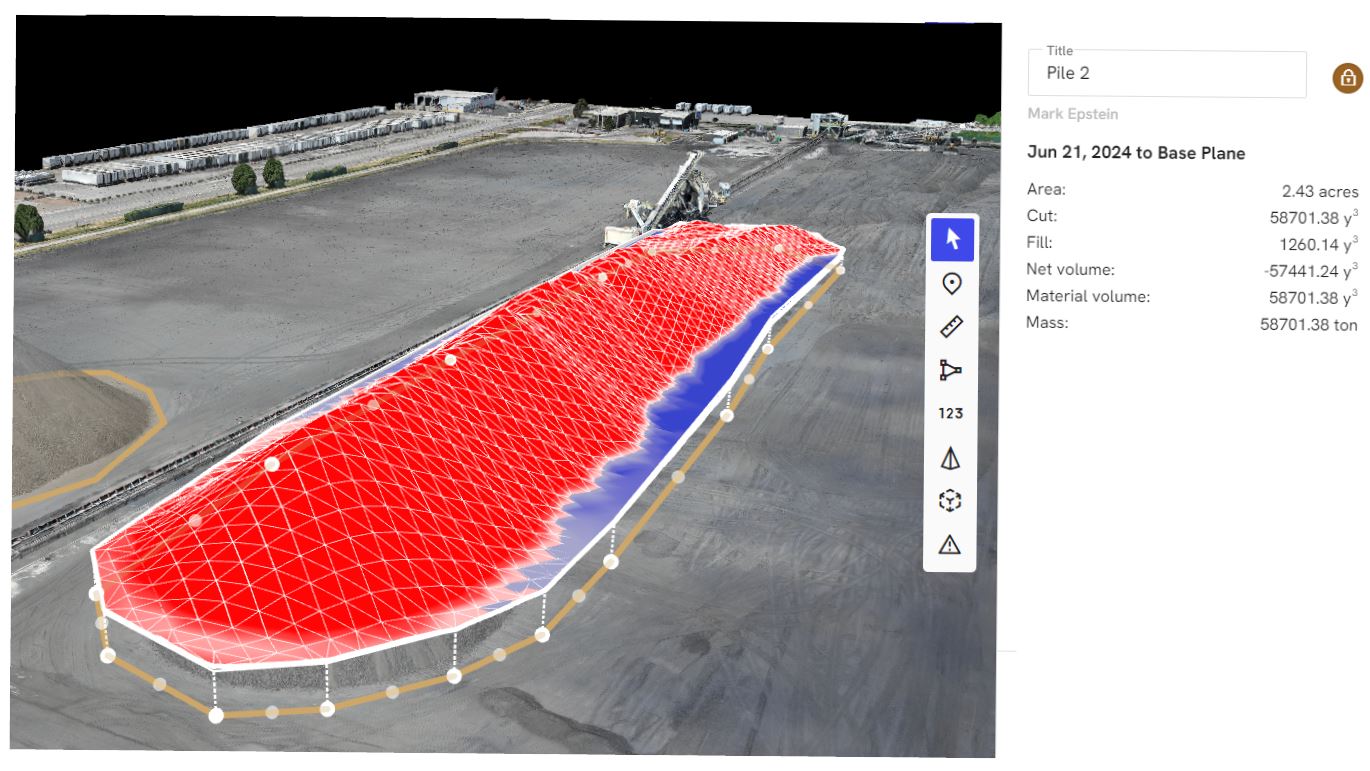
Unlike conventional aerial photography alone, LiDAR is designed to collect spatial information in a highly structured way. Instead of only creating pictures of a site, it builds measurable data that can be used to analyze topography, grade changes, stockpiles, drainage paths, surface conditions, vegetation, structures, and built environments.
This matters because many business decisions depend on more than visual appearance. A developer may need to understand site contours before planning improvements. A construction firm may need accurate terrain data for earthwork analysis. A facility manager may need a better understanding of roof geometry, site access, drainage behavior, or surrounding obstacles. A municipal team may need efficient documentation of public infrastructure and land conditions. LiDAR helps transform a drone from a camera platform into a data-collection tool.
Why Businesses Are Turning to LiDAR Drone Services
The biggest advantage of LiDAR drone services is that they help decision-makers work from current, detailed site information without relying solely on old surveys, incomplete drawings, or fragmented field observations.
For many projects, conditions change quickly. Construction sites evolve weekly. Industrial properties add equipment, barriers, and access constraints. Land development opportunities often require up-to-date understanding of terrain and features. Traditional field methods still have value, but drone-based LiDAR can dramatically improve speed of capture across large or hard-to-access areas.
That efficiency is not just about saving time. It is about reducing blind spots.
A marketing team may use drone video to show a development from above, but an operations or planning team may need to know the exact relationship between surfaces, elevations, slopes, and obstacles. LiDAR helps fill that gap. It supports better coordination between stakeholders because it gives teams a shared, data-based view of the project area rather than relying on assumptions or fragmented observations.
Common Business Applications for St Louis LiDAR Drone Services
LiDAR is especially useful when organizations need reliable 3D site data for planning, analysis, and documentation. In the St. Louis area, that can include a wide range of commercial, industrial, institutional, and municipal uses.
Site Planning and Land Development
Before design work begins, developers and project teams need to understand the physical reality of a site. LiDAR drone mapping can help identify contours, elevation changes, drainage patterns, access points, tree cover, grading challenges, and site constraints. This is useful for greenfield developments, redevelopment sites, industrial expansions, and campus planning.
Accurate site information early in the process can help reduce surprises later. It can also support more informed conversations among owners, architects, engineers, and contractors.
Construction Progress and Earthwork Visibility
Construction teams often need a better way to document changing site conditions. LiDAR can help track terrain changes, monitor grading progress, and document the relationship between built elements and surrounding site conditions.
For projects involving excavation, fill, embankments, or utility work, current spatial data can be valuable for coordination and reporting. It also gives owners and project managers a more objective record of site status at different stages of the job.
Infrastructure and Corridor Documentation
Roadways, utility corridors, drainage systems, rights-of-way, and public works environments can be difficult to capture thoroughly using ground-level methods alone. Drone-based LiDAR can provide a broader view of these environments while still delivering measurable detail.
This can support planning, maintenance reviews, documentation, and coordination among engineering, public agency, and contractor teams.
Industrial and Facility Environments
Industrial sites often present a mix of challenges: large footprints, active operations, restricted access zones, complex geometry, and safety concerns. LiDAR drone services can help document these environments more efficiently while reducing the need for prolonged on-foot access to certain areas.
For organizations managing plants, warehouses, terminals, large rooftops, distribution centers, or energy facilities, LiDAR can support site understanding, capital planning, and infrastructure documentation. In some cases, specialized indoor drone operations can also help document spaces where conventional access is limited.
Vegetation, Terrain, and Surface Analysis
Where terrain and vegetation influence project planning, LiDAR can be a strong option. It is particularly useful where organizations need to understand land shape and surface conditions over a broader area. This may be relevant for utility planning, land management, site feasibility work, stormwater considerations, or preconstruction assessment.
How LiDAR Differs from Standard Drone Photography and Photogrammetry
Many organizations are familiar with aerial photography and orthomosaic mapping generated from overlapping images. That workflow remains very useful and cost-effective in many situations. But LiDAR is different in purpose and output.
Photography-based mapping is ideal when the goal is a high-resolution visual record. It is often excellent for marketing, presentations, basic site overviews, and many mapping applications. LiDAR becomes especially compelling when the project requires a stronger emphasis on geometry, elevation, and spatial measurement.
The right approach depends on the objective. Some projects benefit from one method. Others benefit from both.
That is an important distinction for decision-makers. The best production partner is not the one that simply flies a drone. It is the one that understands what type of capture best serves the project goal. In many cases, a client may need a mix of deliverables: cinematic drone video for marketing, still photography for presentations, and LiDAR data for technical or planning use. A well-rounded production team can help connect those needs instead of treating them as separate silos.
The Strategic Value of LiDAR for Decision-Makers
Executives, facilities leaders, marketers, operations teams, and project managers are all under pressure to make faster and better decisions. LiDAR supports that effort by helping teams work from current, visualized, measurable information.
That value can show up in several ways:
Better pre-project understanding
More confidence in planning conversations
Stronger documentation of existing conditions
Improved communication between technical and non-technical stakeholders
Reduced reliance on guesswork
Faster capture of large or complex areas
A clearer foundation for progress reporting and future comparison
For organizations spending significant money on development, maintenance, site improvements, or capital projects, better information early can be worth far more than the cost of capture.
What to Look for in a LiDAR Drone Services Provider
Not every drone operator is equipped to support a professional LiDAR workflow. Capturing the data is only part of the job. Businesses should also look for a provider that understands project goals, airspace considerations, site logistics, safety, file handling, deliverables, and how LiDAR fits into a broader visual and production strategy.
A strong provider should be able to discuss:
The purpose of the data capture
The environment being documented
Flight and access considerations
The type of deliverables needed
Coordination with marketing, engineering, operations, or project stakeholders
How the LiDAR mission fits into the larger production or documentation effort
That last point matters more than many clients initially realize. A site may need technical data for internal use, but it may also need polished visuals for investor decks, public communications, recruitment, proposals, or brand storytelling. A team that understands both technical acquisition and visual production can create a more unified result.
Why LiDAR Works Well Alongside Professional Video and Photography
One of the biggest missed opportunities in business media is treating technical capture and brand storytelling as unrelated functions. In reality, many organizations benefit when those workflows are coordinated.
A construction company may need LiDAR data for planning and also need progress video for stakeholders. A property owner may need measurable site documentation and also want high-end imagery for leasing and marketing. A manufacturing firm may want drone-based documentation of assets while also capturing corporate media for recruitment or public relations.
When one experienced production partner can manage multiple aspects of that work, the result is typically more efficient, more consistent, and easier for the client to manage.
That is a major advantage of working with a team that understands not just drones, but full-service commercial production.
St Louis LiDAR Drone Services for a More Informed Project Workflow
LiDAR is not just a technical add-on. It is a practical business tool. It helps organizations see sites more clearly, communicate conditions more effectively, and make decisions with greater confidence. For companies navigating development, operations, facility planning, infrastructure documentation, or construction management, that added clarity can be a real competitive advantage.
At St Louis Video, we understand that decision-makers need more than attractive images. They need reliable visual communication, efficient production, and the right tools for the job. That is why LiDAR drone services can be such a valuable part of a broader media and documentation strategy.
St Louis Video is a full-service professional commercial photography and video production company with the right equipment, creative crew, and service experience for successful image acquisition. We offer full-service studio and location video and photography, as well as editing, post-production, and licensed drone services. St Louis Video can customize your productions for diverse types of media requirements. Repurposing your photography and video branding to gain more traction is another specialty. We are well-versed in all file types, styles of media, and accompanying software. We use the latest in Artificial Intelligence for all our media services. Our private studio lighting and visual setup is perfect for small productions and interview scenes, and our studio is large enough to incorporate props to round out your set. We support every aspect of your production, from setting up a private, custom interview studio to supplying professional sound and camera operators, as well as providing the right equipment, ensuring your next video production is seamless and successful. We can fly our specialized drones indoors. As a full-service video and photography production corporation, since 1982, St Louis Video has worked with many businesses, marketing firms, and creative agencies in the St. Louis area for their marketing photography and video.
Whether communicating internally to stakeholders or externally to a target market, video drives engagement.
However, as decision-makers in marketing and operations, you face a perennial challenge: balancing the undeniable need for high-quality video assets against finite budgets. There is a pervasive misconception that professional video production requires Hollywood-level expenditures.
As a veteran producer in the St. Louis market, I can tell you that this is false. High-impact corporate messaging—specifically interviews and supporting B-roll—does not require an exorbitant budget. It requires strategy, experience, and the right execution partners.
“Cost-efficient” does not mean “cheap.” Cheap production inevitably shows on screen, damaging brand integrity. Cost-efficient means maximizing the return on investment for every dollar spent on a production day.
Here is an expert perspective on how to achieve maximum value when acquiring interviews and B-roll in the St. Louis area.
The Interview: Efficiency Through Controlled Environments
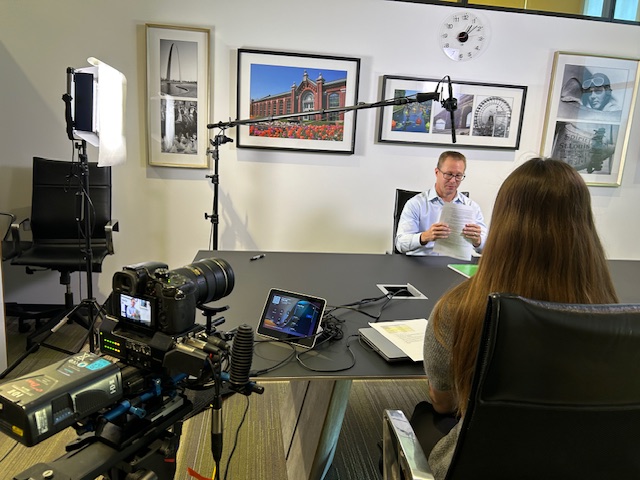
The executive or subject-matter expert (SME) interview is often the backbone of corporate video. It provides the narrative structure and humanizes the brand.
The primary enemy of budget during an interview shoot is unpredictability. Shooting on-location at your active place of business seems cost-effective initially, but often introduces expensive variables: fluctuating ambient noise, inconsistent sunlight streaming through windows, and interruptions from staff. These lead to retakes, longer crew hours, and inflated post-production costs to “fix” the footage.
The Cost-Efficient Solution: Utilize a dedicated production studio.
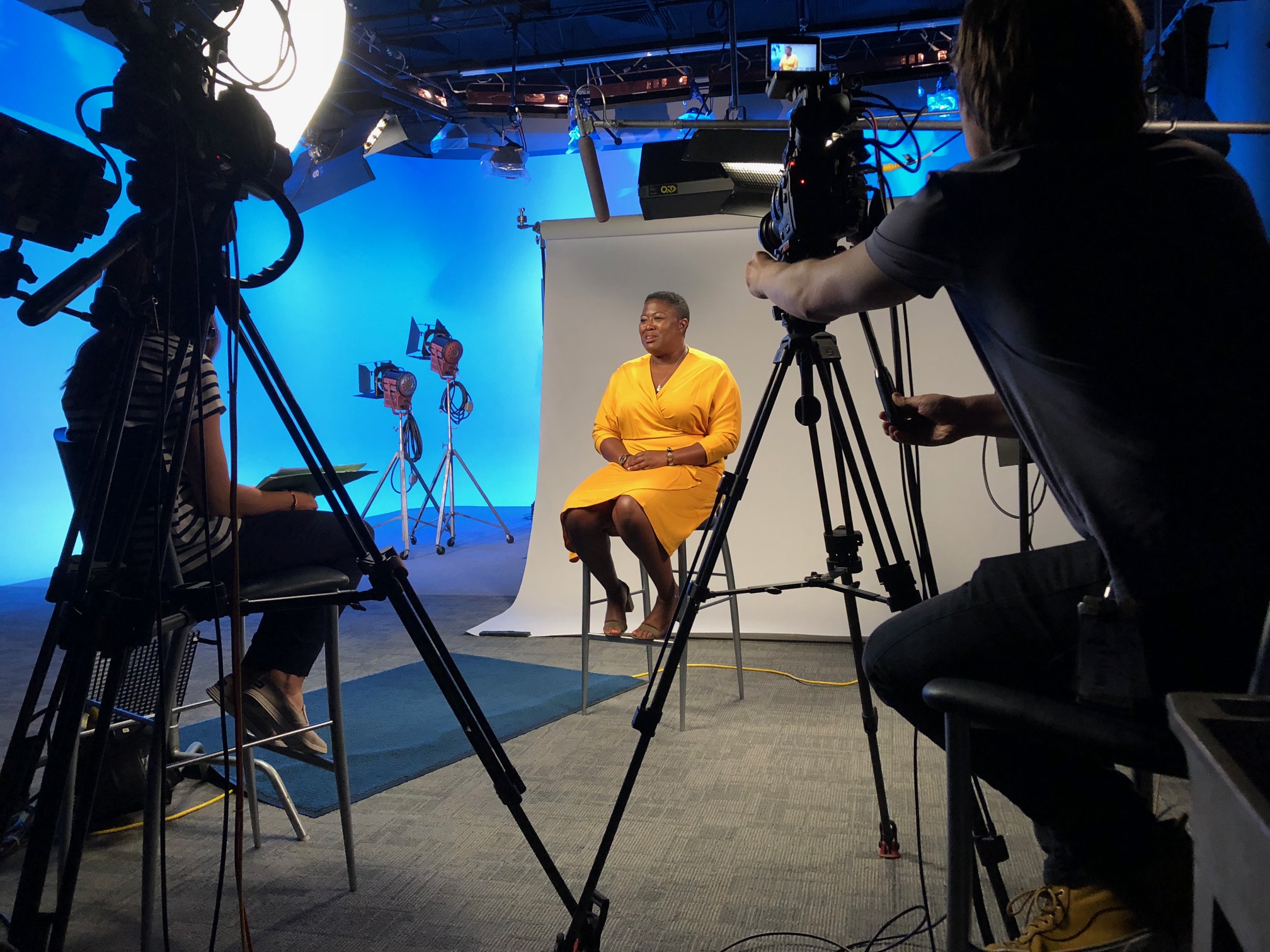
A controlled studio environment removes variables. Lighting is perfected once and remains consistent. Sound is pristine. We can batch-record multiple interviews in a single half-day session, rather than spreading them over a week at various locations. By centralizing acquisition in a purpose-built space, you maximize the sheer volume of usable content generated per hour.
B-Roll: The Visual Context That Should Not Be An Afterthought
If interviews are the “tell,” B-roll is the “show.” B-roll is the supplementary footage intercut with the main interview—shots of your facility, your product in action, or employees interacting.
Many organizations treat B-roll as a secondary concern, leading to “spray and pray” shooting—capturing generic footage without a plan. This wastes time on set and creates headaches in the editing room.
The Cost-Efficient Solution: Strategic Shot Lists.
Experienced producers do not just turn on the camera; we plan the edit before we shoot. By developing a targeted shot list aligned with the interview topics, we ensure every minute spent shooting B-roll produces usable assets. We focus on acquiring varied angles—wide shots to establish location, medium shots for action, and tight detail shots for texture—to give editors the flexibility they need without wasting time on redundant footage.
The Ultimate Efficiency: Asset Longevity and Repurposing
The single greatest factor in cost-efficiency is not what happens on the shoot day; it is what happens to the footage afterward. If you spend your budget on a shoot that yields only one three-minute video, your ROI is limited.
A truly efficient production must be designed for repurposing from day one.
Today’s media landscape is fragmented. You need horizontal video for your website and YouTube, vertical video for TikTok and Instagram Reels, and square formats for LinkedIn feeds. An experienced production team understands this during the acquisition phase. We frame shots to accommodate different aspect ratios later.
A single, well-planned interview day in St. Louis can yield:
The primary long-form corporate video.
Five to ten short, punchy social media clips.
High-resolution still frames from the video for print or web marketing.
Clean audio for internal podcasts.
When you view video production not as a one-off expense, but as the creation of a long-term media library, the cost per asset drops dramatically.
Partnering with St Louis Video for Seamless Execution
Achieving this level of cost-efficiency requires a partner who understands the entire lifecycle of media production.
Since 1982, St Louis Video has operated as a full-service professional commercial photography and video production company. We have decades of experience working alongside businesses, marketing firms, and creative agencies throughout the St. Louis area, ensuring their budgets translate into high-quality, effective media assets.
We provide the right equipment and extensive creative crew service experience tailored to your specific project scope. We support every aspect of your production to ensure it is seamless and successful—from supplying professional sound engineers and camera operators on location to setting up our private, custom interview studio.
Our studio facility is optimized for efficiency. It includes private lighting and visual setups perfect for small productions and interviews, yet it is large enough to incorporate specialized props to round out your set design.
St Louis Video is equipped to handle diverse media requirements. We are fully licensed to fly specialized drones indoors for unique perspectives on your operations, alongside traditional outdoor aerials. Furthermore, we stay at the forefront of technology, utilizing the latest in Artificial Intelligence to enhance culling, editing, and asset management across all our media services.
We are well-versed in all file types, styles of media, and accompanying software, specializing in repurposing your photography and video branding to gain more traction across every platform you utilize.
When you need high-quality acquisition that respects your budget and maximizes your long-term ROI, trust the experienced team at St Louis Video.