How to Make Your B-Roll More Interesting: Proven Techniques for Stronger Visual Storytelling

When it comes to video production for business and marketing, B-roll is often underestimated—yet it’s the connective tissue that gives your story visual richness, depth, and professionalism. While A-roll may be the on-camera interviews or primary narrative footage, B-roll provides essential context, texture, and emotion. The quality of your B-roll can elevate your final production—or expose it as generic and uninspired.

As experienced video professionals at St Louis Video, we’ve seen the difference between passable and powerful B-roll, and we’ve developed strategies that ensure every frame works to support your message, engage your audience, and reinforce your brand identity.

What Makes B-Roll Effective?

At its core, effective B-roll does three things:

  1. Supports the Narrative – It enhances or illustrates what’s being said in your A-roll.
  2. Adds Visual Energy – It breaks up static shots and brings movement, texture, and variation.
  3. Reinforces the Brand – Every frame is an opportunity to reflect your company’s values, culture, and professionalism.

Strategies for Making B-Roll More Interesting

1. Shoot for Emotion, Not Just Coverage

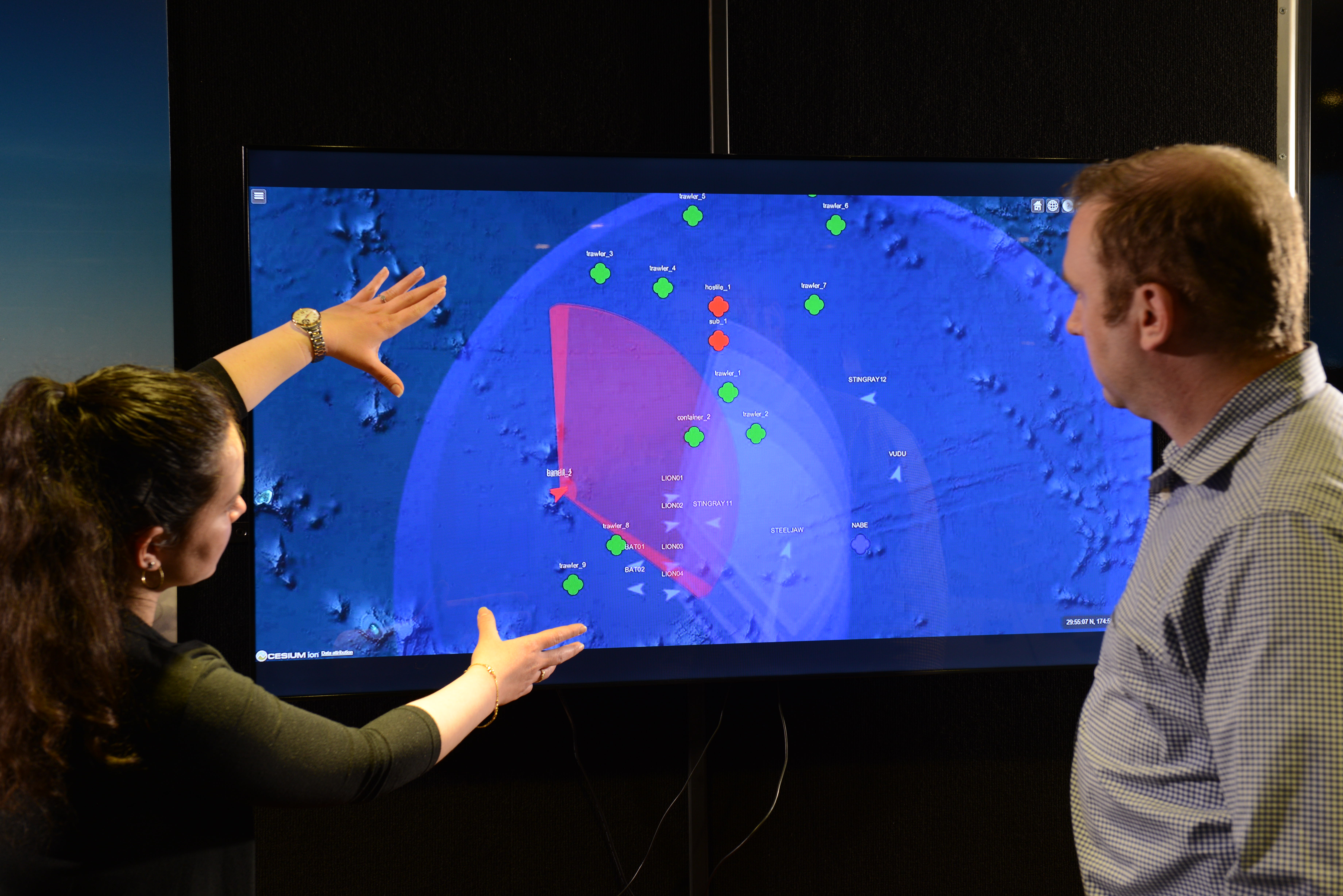
B-roll shouldn’t be treated as filler. Avoid simply capturing “someone typing” or “people shaking hands.” Instead, focus on storytelling moments—expressions, reactions, small details that convey mood or meaning. Emotionally driven visuals resonate more deeply with viewers.

2. Use Cinematic Composition

Apply the same care to your B-roll as you would to your hero shots. Utilize leading lines, the rule of thirds, foreground/background layering, and negative space to give visual depth. Movement—whether it’s a gentle slider push or a purposeful handheld walk-through—adds a layer of energy and interest.

3. Light With Intention

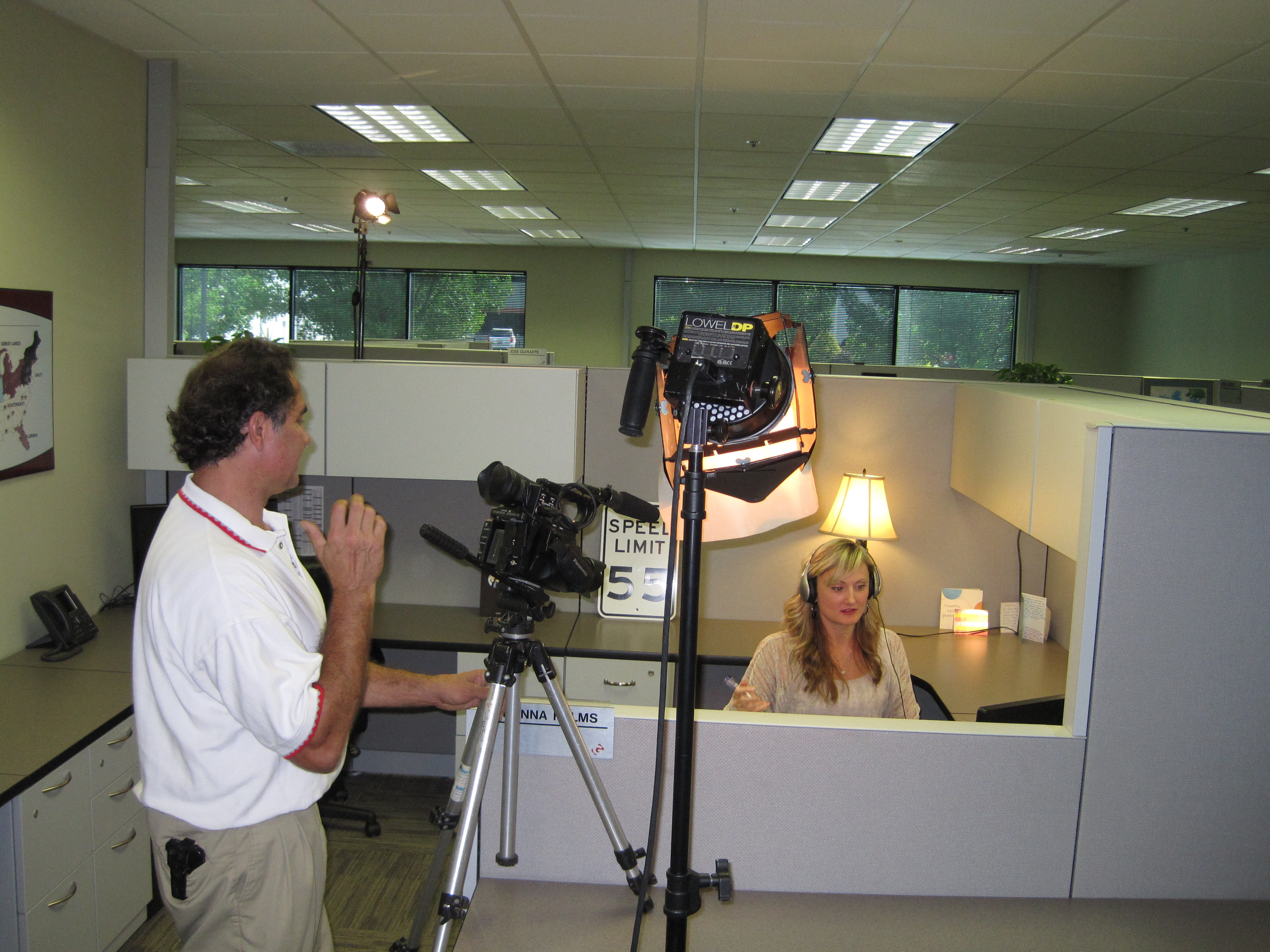
Don’t rely solely on ambient lighting. Even B-roll benefits from intentional lighting setups. Use practical lights or simple modifiers to create contrast and sculpt the scene. If you’re shooting in an office, bounce a key light for a more polished look, or add a backlight to separate your subject from the background.

4. Incorporate Unique Angles and Perspectives

Get low, shoot overhead, move behind objects, or frame through windows and doorways. Interesting angles can create visual intrigue and help break the monotony of traditional business video tropes.

5. Use Movement to Your Advantage

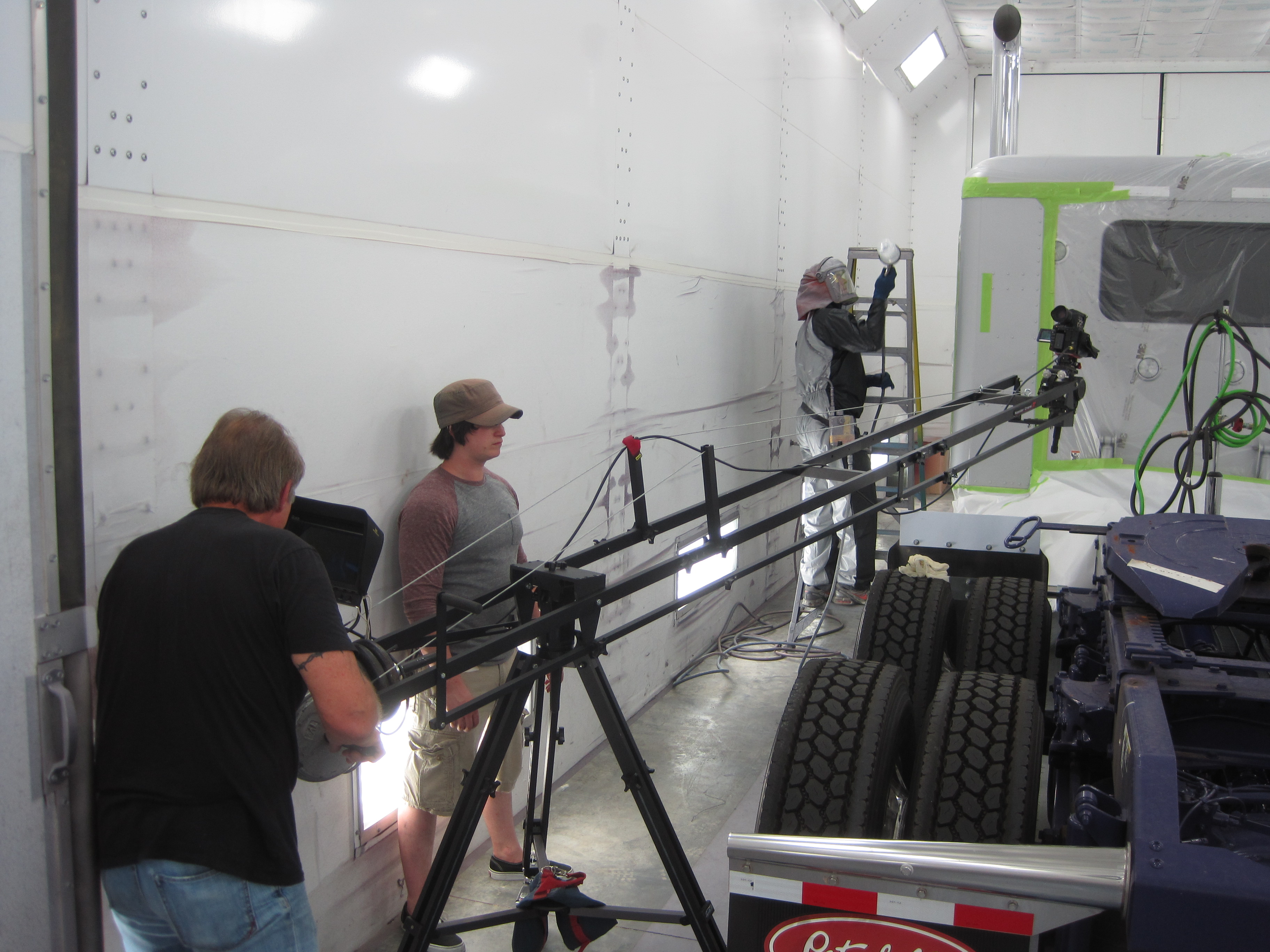
Whether it’s camera movement (dolly, gimbal, drone) or subject movement (walking, working, interacting), dynamic motion brings your B-roll to life. Drone footage, for instance, can add cinematic scale even in simple office exterior shots.

6. Leverage Slow Motion or Speed Ramping

These techniques, when used purposefully, can add drama or highlight specific actions. Slow motion gives weight and emphasis to otherwise mundane activities. Just avoid overusing it—it should support the mood, not distract from it.

7. Capture Natural Sound and Texture

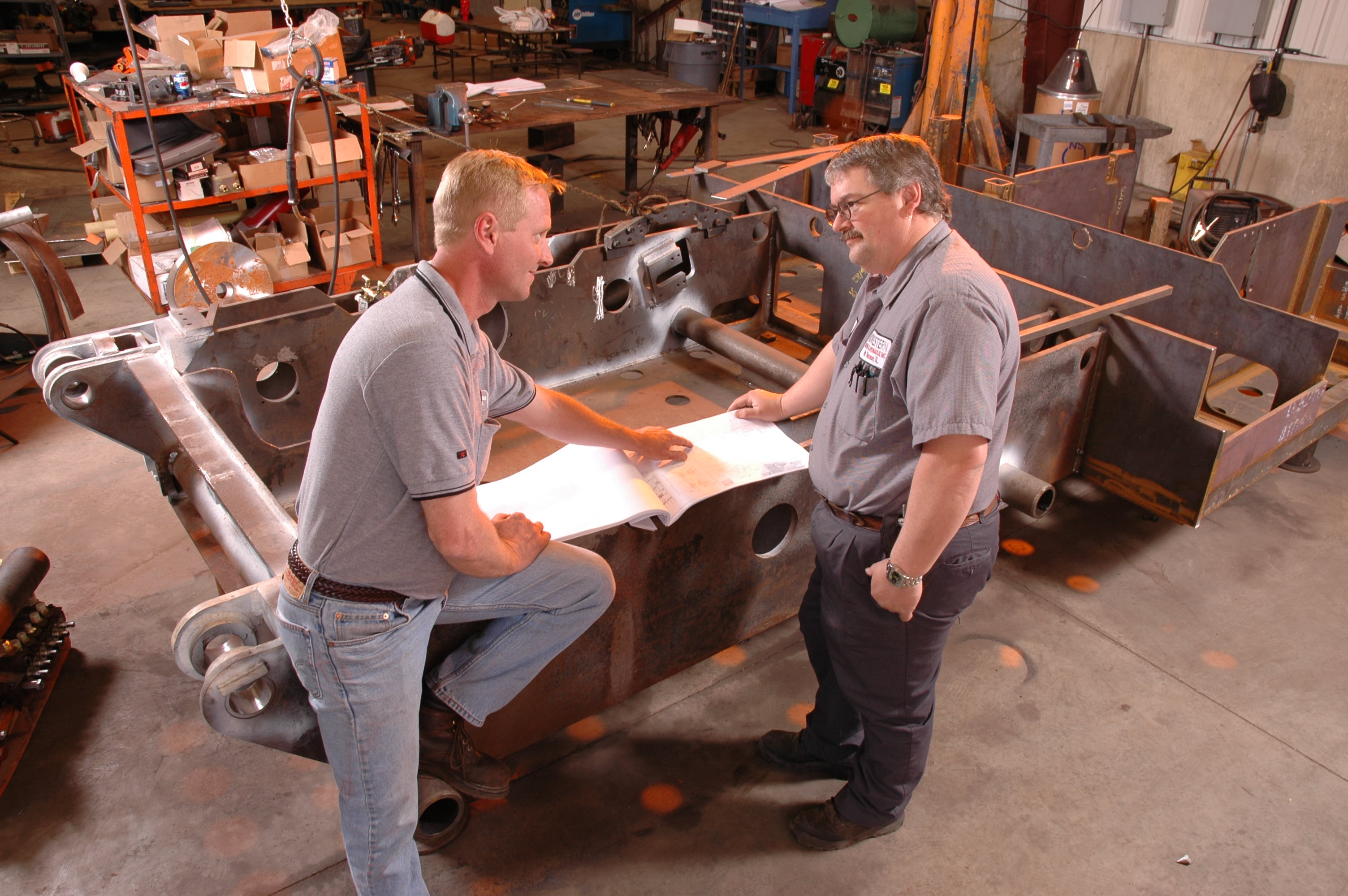
Sometimes, B-roll isn’t just about what you see. Capturing ambient sound (coffee machines, chatter, industrial noises) can enhance authenticity and later be layered into your final edit for realism and immersion.

8. Match B-roll to Script and Storyboards

Don’t wait until post-production to make B-roll decisions. Align it with your messaging and script. Plan ahead to capture visuals that directly reinforce key talking points or transitions in your final video.


Why Work with St Louis Video for Compelling B-Roll?

At St Louis Video, we understand that powerful B-roll is never an afterthought—it’s an integral part of strategic visual storytelling. As a full-service professional commercial photography and video production company, we have the tools, talent, and techniques to ensure your B-roll not only meets industry standards—but exceeds expectations.

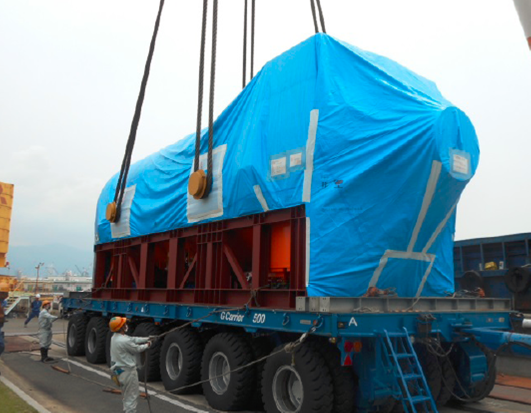
With decades of experience since 1982, our creative crew and modern equipment ensure successful image acquisition in any environment—studio, on-location, or in the air. Our licensed drone pilots can fly both outdoors and indoors for shots that add scope and cinematic flair. Whether you need sleek office visuals, industrial workflows, or event environments captured with artistry, we deliver.

Our private studio setup is optimized for interview scenes and small productions with controlled lighting, while our editing and post-production experts ensure your B-roll is clean, color-graded, and seamlessly integrated into your larger project. We are fluent in all file types, styles of media, and editing software, and we incorporate AI-driven media enhancement to increase visual fidelity and performance.

We specialize in repurposing video and photo content across platforms—turning one shoot into multiple branded assets, driving greater ROI. Whether you’re collaborating with a creative agency or need a self-contained solution, St Louis Video supports every aspect of your production.

If you’re ready to transform your brand’s content with visuals that command attention and engage audiences, St Louis Video is your partner in professional video storytelling.


Contact us today to learn how we can customize your next production with engaging, purposeful B-roll that makes your message unforgettable.

314-913-5626
stlouisvideos@gmail.com

How to Choose the Right Interview Style Production for Your Audience

Choosing the right interview style for your video production is critical to ensuring that your message resonates with your audience. Whether you’re creating content for marketing, internal communication, or corporate storytelling, the style you select will shape how the viewer connects with the message. In this blog post, we will guide you through the key factors to consider when selecting an interview style that aligns with your audience’s expectations and the goals of your production.

Short, impactful interviews work best on social platforms, where viewers have shorter attention spans. For these, a walking interview or on-location shoot with quick edits and a more personal tone is ideal.

1. Understand the Purpose of Your Interview

The first step in selecting the right interview style is understanding the purpose of your video. Is the interview meant to inform, inspire, entertain, or showcase an authority figure? The tone of the interview should align with its purpose.

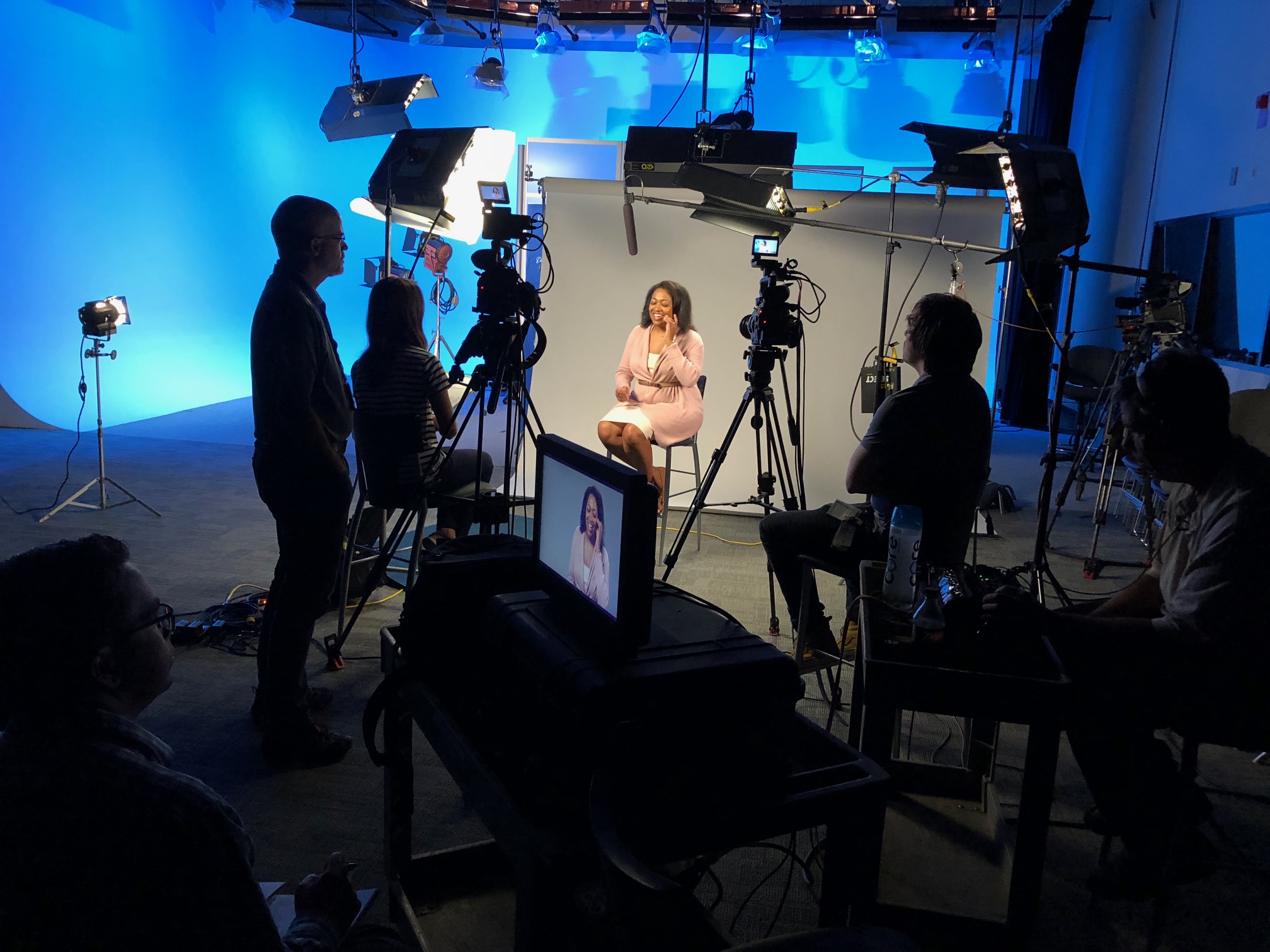
  • For Educational Content: A traditional sit-down interview works well for delivering clear, focused information from an expert. This style is perfect for professional settings where the goal is to present facts or share insights.
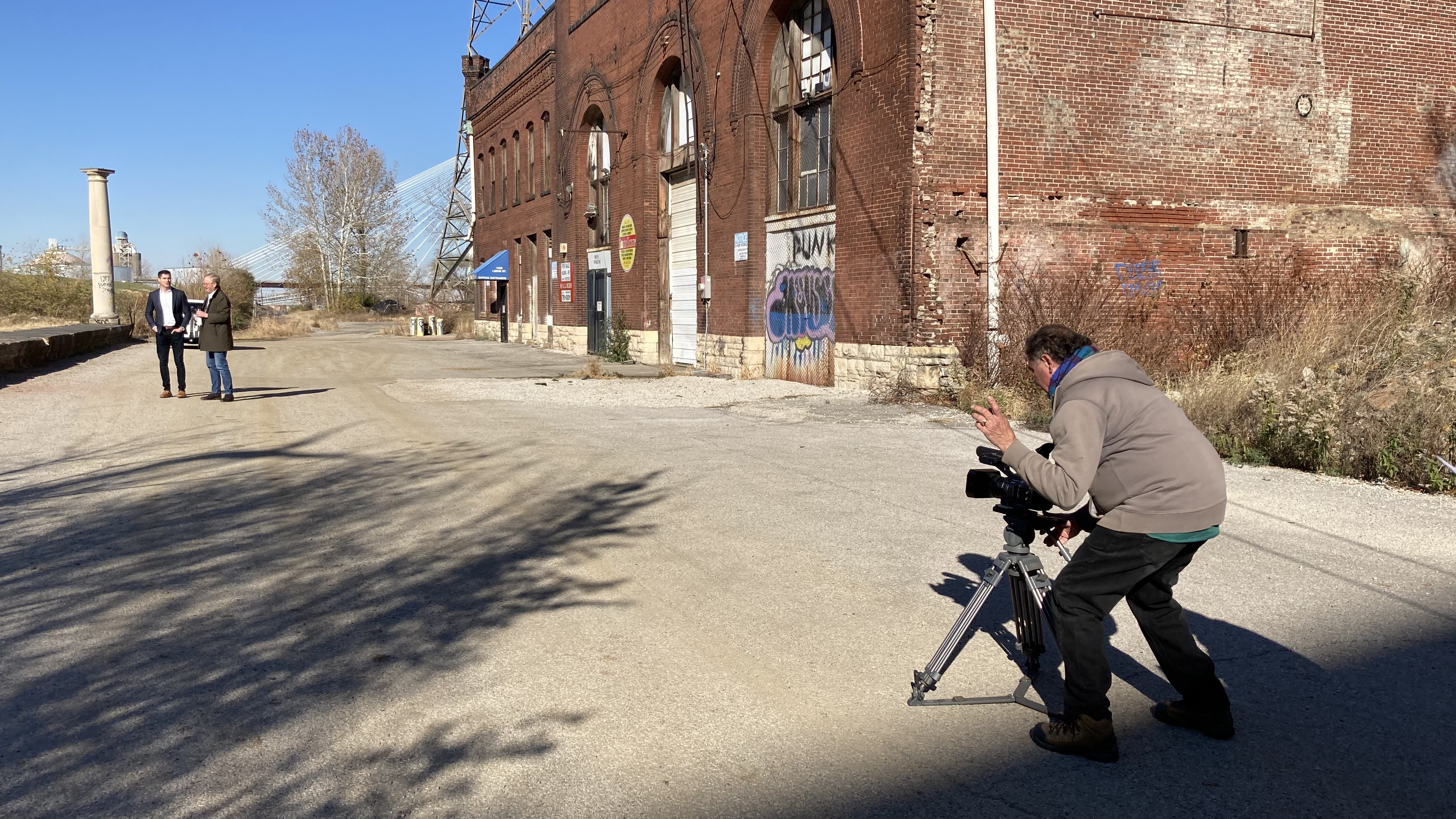
  • For Emotional Storytelling: If your goal is to create an emotional connection with the audience, consider a walking interview or an on-location shoot. These styles make the interview feel more personal and natural, allowing the audience to relate to the interviewee on a deeper level.
  • For Authority and Leadership: When the goal is to showcase a leader or expert, a sit-down interview with professional lighting and minimal distractions conveys authority and credibility. This approach helps maintain a focused, polished image that supports the expertise of the interviewee.

2. Match the Interview Style to Your Audience

Understanding your audience’s preferences and expectations is key when deciding on the interview style. A corporate board of directors may expect a formal approach, while potential customers on social media may respond better to a more relaxed and engaging format.

  • For Corporate Clients and Executives: A traditional sit-down interview in a controlled studio or professional setting ensures a polished look that appeals to a corporate audience. Clean, straightforward interviews help convey professionalism and reliability.
  • For Younger or More Casual Audiences: If your target audience is more casual or creative, an on-location interview or roundtable discussion may provide a more engaging and relatable atmosphere. For instance, interviewing a team in a creative office space or outdoor environment helps bring authenticity and personality to the forefront.

3. Consider the Tone and Atmosphere You Want to Create

The tone of the interview sets the mood for the entire production. Do you want a serious, formal conversation or a more relaxed, conversational tone? Different interview styles will achieve different atmospheres.

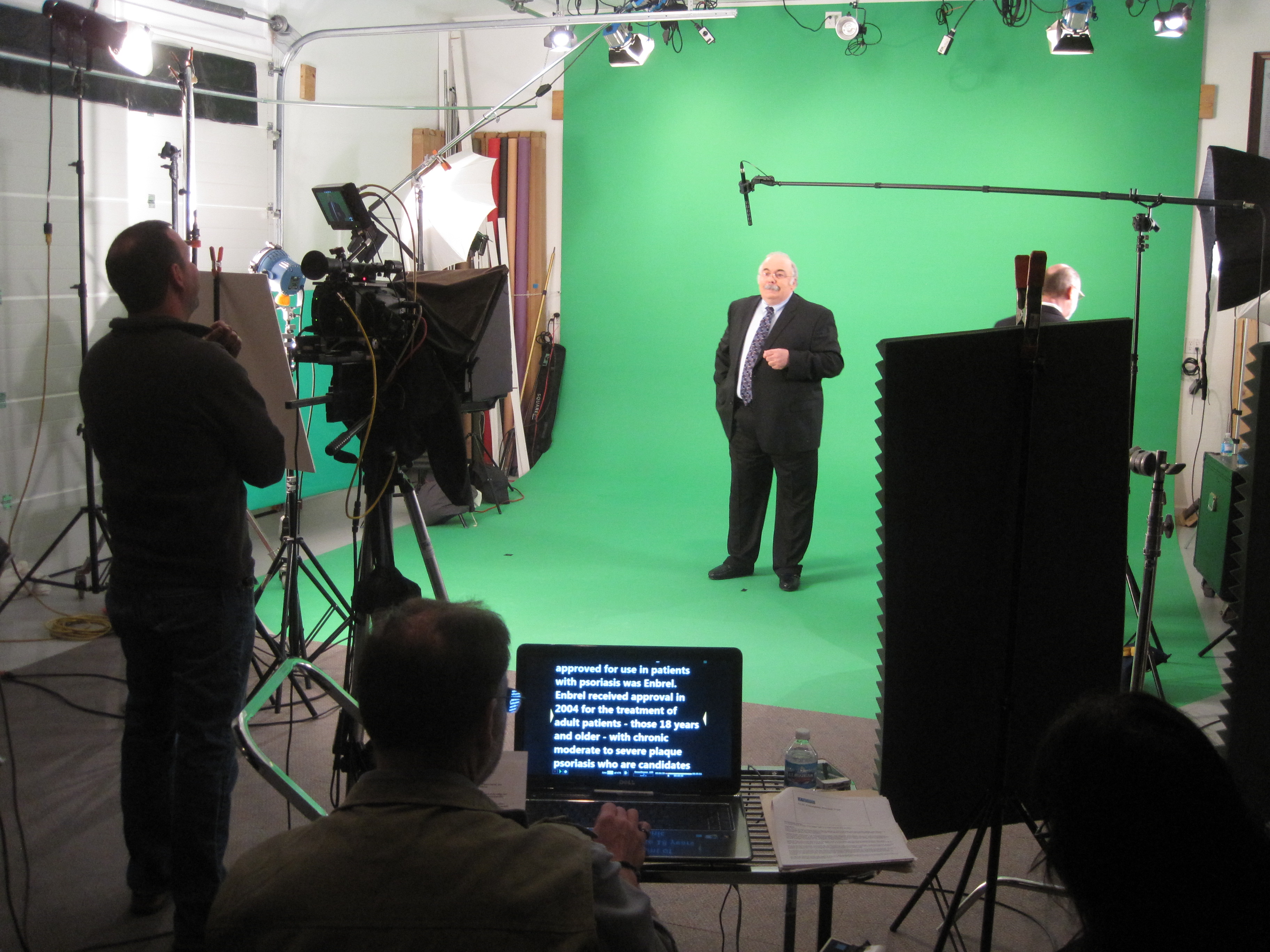
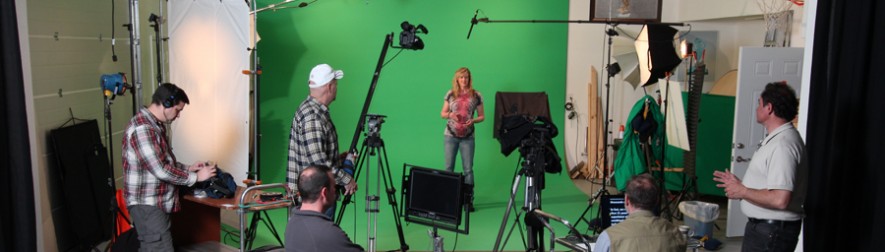
  • Formal and Authoritative: A traditional sit-down interview or green screen setup is ideal for when you need a formal, controlled environment that focuses the viewer’s attention on the subject’s expertise.
  • Casual and Engaging: If your goal is to create a relaxed and friendly atmosphere, walking interviews or on-location settings work well. These styles allow the interviewee to feel more at ease, which often results in a more natural and engaging conversation.
  • Dynamic and Collaborative: For content that involves multiple perspectives or collaboration, a roundtable interview can help showcase the diversity of ideas and create an atmosphere of teamwork. This style is effective for group discussions, brainstorming sessions, or when presenting multiple viewpoints.

4. Evaluate the Production Resources Available

The style you choose will often depend on the resources you have available, including time, equipment, and crew. Some styles require more preparation and equipment than others.

  • Sit-Down Interviews: These are typically the easiest to execute with minimal setup. A professional studio setup with controlled lighting and sound is ideal for this type of interview. This style is efficient and cost-effective for straightforward, high-quality results.
  • On-Location Interviews: Shooting on-location provides authenticity, but it requires more effort in terms of logistics. Factors such as travel, permits, and controlling natural light can add complexity to the shoot. However, the results are worth the extra effort when you need a visually compelling and immersive environment.
  • Walking or Multi-Camera Interviews: These styles require more crew and technical equipment. Walking interviews, for instance, require coordinating cameras and lighting while capturing the subject in motion. Multi-camera setups are ideal for dynamic shoots but demand additional resources for filming and editing.

5. What Are the Length and Format of the Interview?

The duration and format of your interview should also influence the style you choose. Shorter interviews may lend themselves better to a straightforward sit-down style, while longer interviews benefit from a more dynamic approach to maintain viewer engagement.

  • Short Interviews: For brief, to-the-point interviews, a single-camera setup with a clean background is effective. You can also utilize two-camera setups to add variety and keep the content visually interesting.
  • Long Interviews or Documentaries: For longer content, consider incorporating more dynamic shots, like two-camera setups, walking interviews, or on-location shoots. These styles help keep the audience engaged throughout the length of the interview.

6. How Will the Interview Be Used?

Where and how you intend to use the footage will impact the interview style you choose. Are you sharing this video on social media, using it for a corporate presentation, or embedding it on your website? Different platforms and contexts require different approaches.

  • Social Media: Short, impactful interviews work best on social platforms, where viewers have shorter attention spans. For these, a walking interview or on-location shoot with quick edits and a more personal tone is ideal.
  • Corporate Videos: For videos that will be used in presentations, on company websites, or in investor relations, a formal sit-down interview in a controlled environment offers clarity and professionalism.

7. What is Your Budget and Timeline?

Finally, your budget and timeline will play a crucial role in determining the style of the interview. More complex setups like multi-camera interviews, green screens, or on-location shoots will require a larger budget and longer production times.

  • Budget-Conscious Productions: For more affordable and time-efficient productions, a sit-down interview in a studio setting is the best option. It’s quick to set up, requires fewer crew members, and is easier to execute.
  • Higher Budget and Time Flexibility: If your project has a larger budget and flexible timeline, consider investing in dynamic walking interviews or on-location shoots for a visually rich experience that aligns with your goals.

Why St. Louis Video is Your Go-To Partner for Corporate Video Productions

At St. Louis Video, we bring decades of experience to every production, offering full-service professional commercial photography and video production services. Since 1982, we’ve worked with businesses, marketing firms, and agencies in the St. Louis area, providing high-quality videos that help our clients achieve their goals.

We offer a wide range of services, including full-service studio and location video and photography, editing, post-production, and licensed drone pilots. Our team is well-versed in all media types, file formats, and editing software, ensuring that your video content is perfectly tailored to your needs.

Our private studio is equipped with customizable lighting and setups, making it ideal for small productions and interview scenes. We can also incorporate props to enhance your set, and our specialized drones allow us to capture stunning aerial shots indoors for a truly unique production.

Whether you need a custom interview studio setup, sound and camera operators, or help with every part of your video production, St. Louis Video is here to ensure your project is a success. Let us help you elevate your video production and achieve the results you’re looking for.

314-913-5626
stlouisvideos@gmail.com