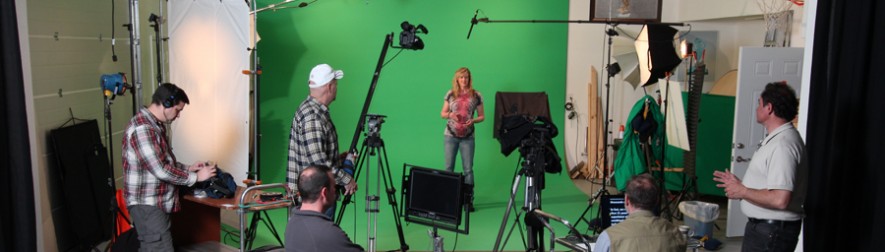
How to Choose the Right Interview Style Production for Your Audience

Choosing the right interview style for your video production is critical to ensuring that your message resonates with your audience. Whether you’re creating content for marketing, internal communication, or corporate storytelling, the style you select will shape how the viewer connects with the message. In this blog post, we will guide you through the key factors to consider when selecting an interview style that aligns with your audience’s expectations and the goals of your production.

Short, impactful interviews work best on social platforms, where viewers have shorter attention spans. For these, a walking interview or on-location shoot with quick edits and a more personal tone is ideal.

1. Understand the Purpose of Your Interview

The first step in selecting the right interview style is understanding the purpose of your video. Is the interview meant to inform, inspire, entertain, or showcase an authority figure? The tone of the interview should align with its purpose.

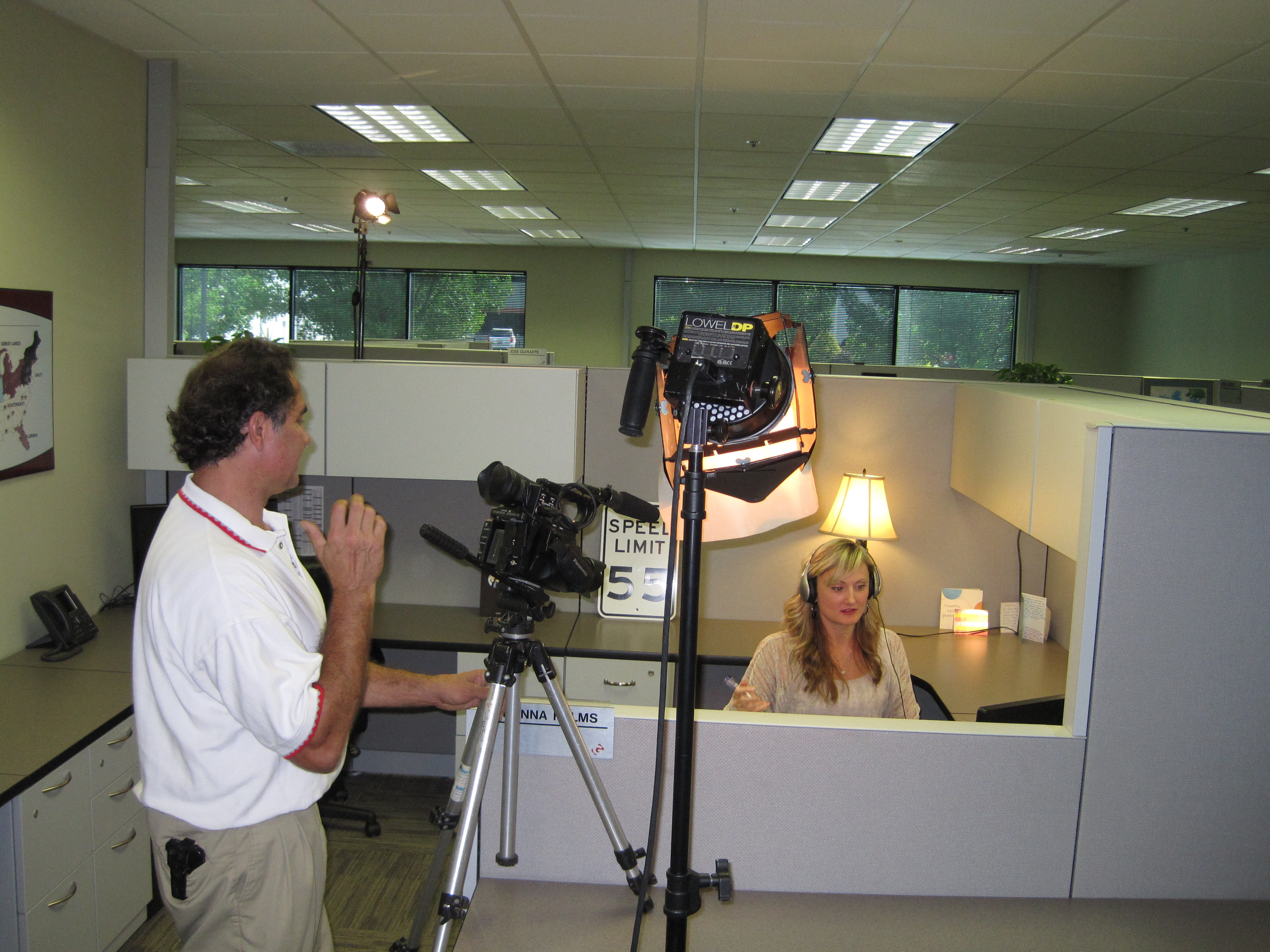
  • For Educational Content: A traditional sit-down interview works well for delivering clear, focused information from an expert. This style is perfect for professional settings where the goal is to present facts or share insights.
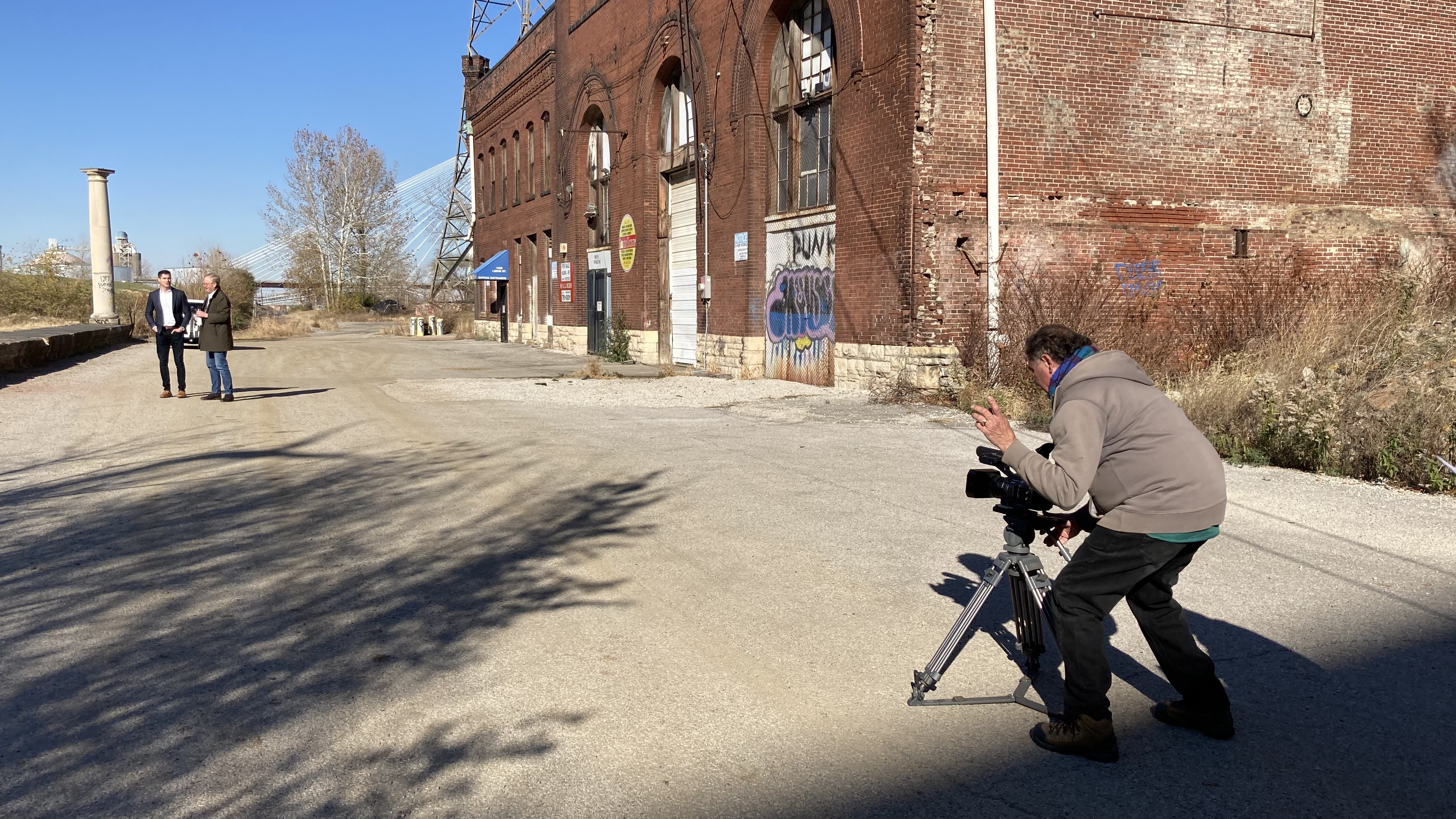
  • For Emotional Storytelling: If your goal is to create an emotional connection with the audience, consider a walking interview or an on-location shoot. These styles make the interview feel more personal and natural, allowing the audience to relate to the interviewee on a deeper level.
  • For Authority and Leadership: When the goal is to showcase a leader or expert, a sit-down interview with professional lighting and minimal distractions conveys authority and credibility. This approach helps maintain a focused, polished image that supports the expertise of the interviewee.

2. Match the Interview Style to Your Audience

Understanding your audience’s preferences and expectations is key when deciding on the interview style. A corporate board of directors may expect a formal approach, while potential customers on social media may respond better to a more relaxed and engaging format.

  • For Corporate Clients and Executives: A traditional sit-down interview in a controlled studio or professional setting ensures a polished look that appeals to a corporate audience. Clean, straightforward interviews help convey professionalism and reliability.
  • For Younger or More Casual Audiences: If your target audience is more casual or creative, an on-location interview or roundtable discussion may provide a more engaging and relatable atmosphere. For instance, interviewing a team in a creative office space or outdoor environment helps bring authenticity and personality to the forefront.

3. Consider the Tone and Atmosphere You Want to Create

The tone of the interview sets the mood for the entire production. Do you want a serious, formal conversation or a more relaxed, conversational tone? Different interview styles will achieve different atmospheres.

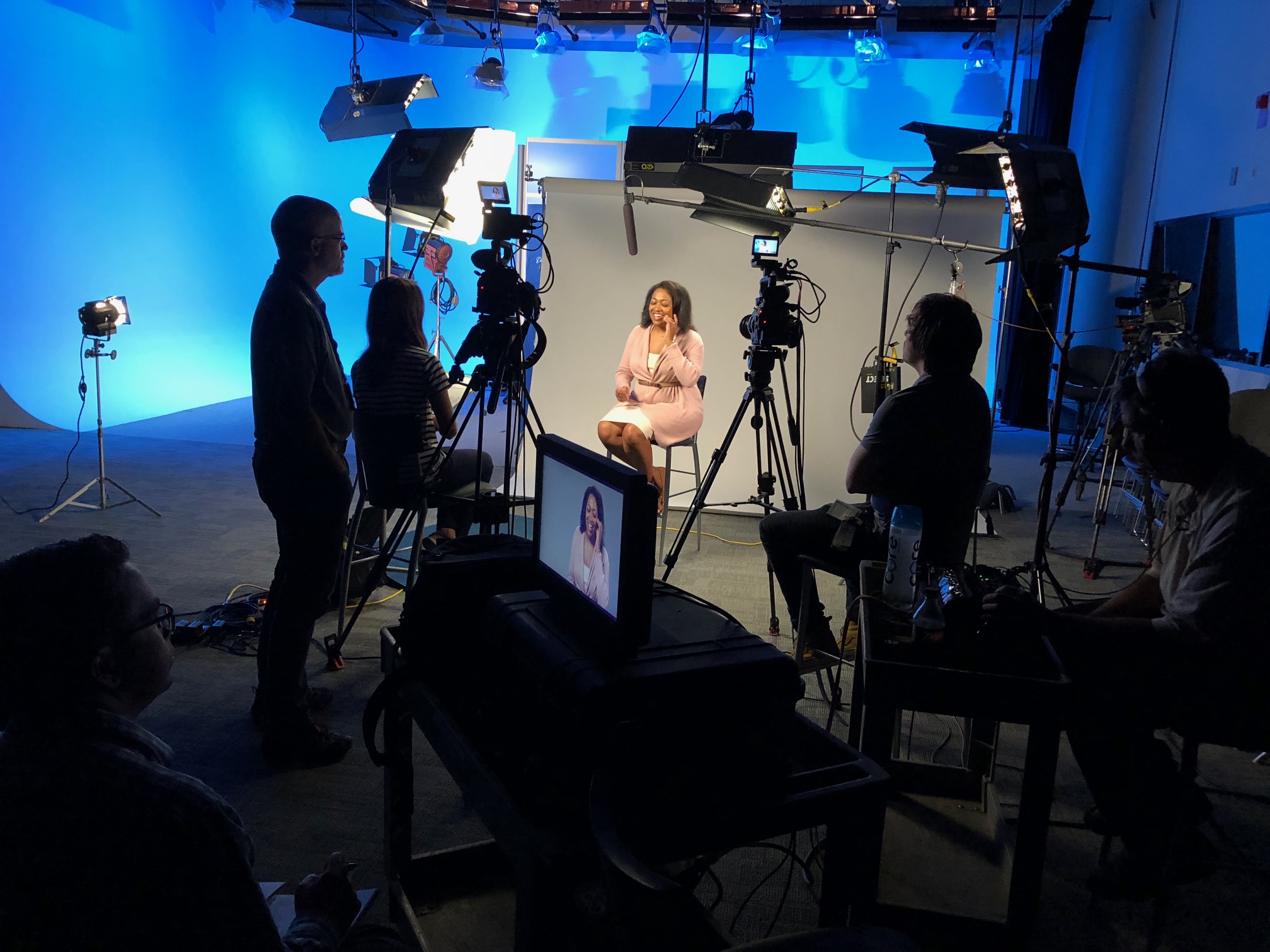
  • Formal and Authoritative: A traditional sit-down interview or green screen setup is ideal for when you need a formal, controlled environment that focuses the viewer’s attention on the subject’s expertise.
  • Casual and Engaging: If your goal is to create a relaxed and friendly atmosphere, walking interviews or on-location settings work well. These styles allow the interviewee to feel more at ease, which often results in a more natural and engaging conversation.
  • Dynamic and Collaborative: For content that involves multiple perspectives or collaboration, a roundtable interview can help showcase the diversity of ideas and create an atmosphere of teamwork. This style is effective for group discussions, brainstorming sessions, or when presenting multiple viewpoints.

4. Evaluate the Production Resources Available

The style you choose will often depend on the resources you have available, including time, equipment, and crew. Some styles require more preparation and equipment than others.

  • Sit-Down Interviews: These are typically the easiest to execute with minimal setup. A professional studio setup with controlled lighting and sound is ideal for this type of interview. This style is efficient and cost-effective for straightforward, high-quality results.
  • On-Location Interviews: Shooting on-location provides authenticity, but it requires more effort in terms of logistics. Factors such as travel, permits, and controlling natural light can add complexity to the shoot. However, the results are worth the extra effort when you need a visually compelling and immersive environment.
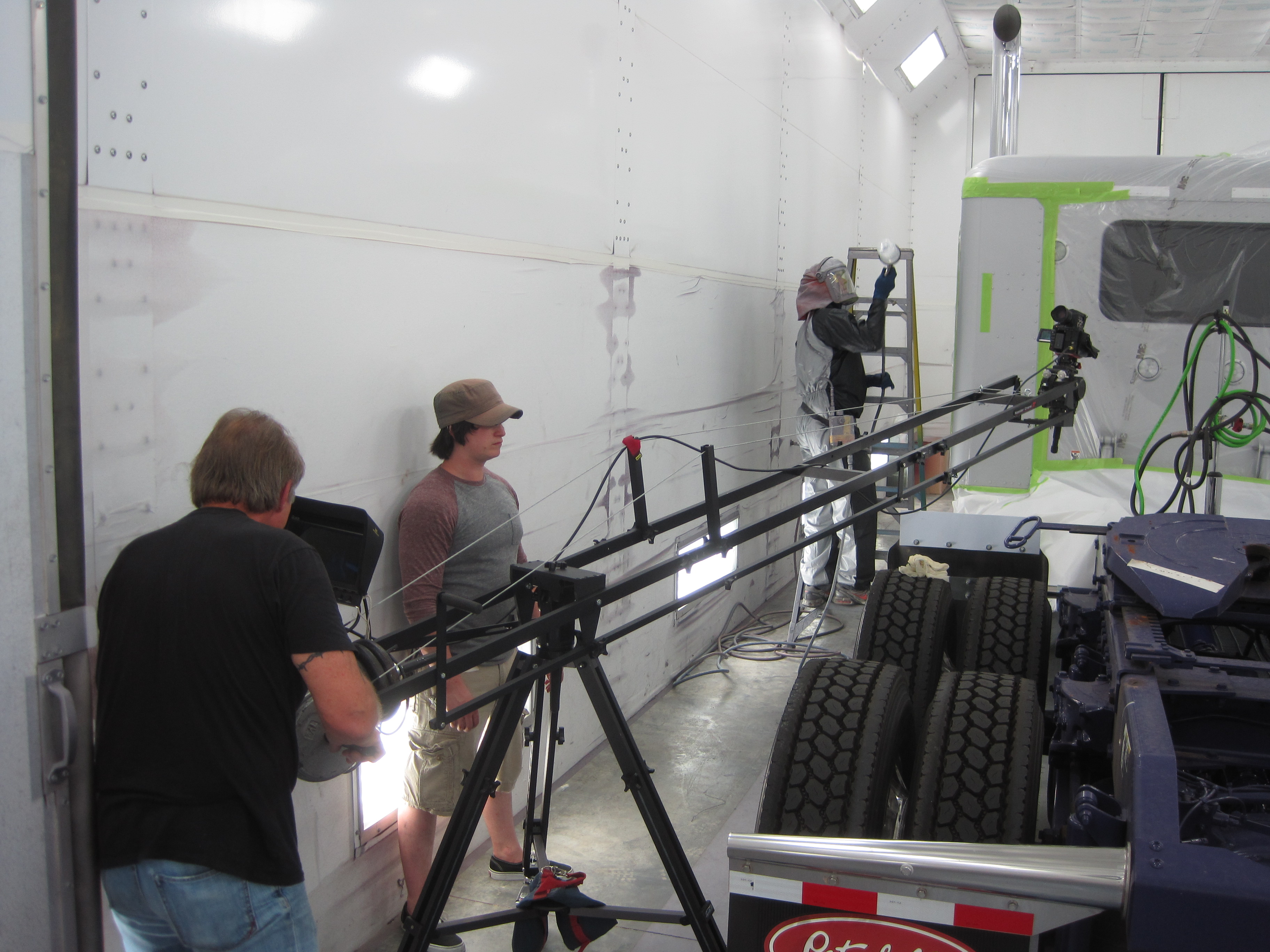
  • Walking or Multi-Camera Interviews: These styles require more crew and technical equipment. Walking interviews, for instance, require coordinating cameras and lighting while capturing the subject in motion. Multi-camera setups are ideal for dynamic shoots but demand additional resources for filming and editing.

5. What Are the Length and Format of the Interview?

The duration and format of your interview should also influence the style you choose. Shorter interviews may lend themselves better to a straightforward sit-down style, while longer interviews benefit from a more dynamic approach to maintain viewer engagement.

  • Short Interviews: For brief, to-the-point interviews, a single-camera setup with a clean background is effective. You can also utilize two-camera setups to add variety and keep the content visually interesting.
  • Long Interviews or Documentaries: For longer content, consider incorporating more dynamic shots, like two-camera setups, walking interviews, or on-location shoots. These styles help keep the audience engaged throughout the length of the interview.

6. How Will the Interview Be Used?

Where and how you intend to use the footage will impact the interview style you choose. Are you sharing this video on social media, using it for a corporate presentation, or embedding it on your website? Different platforms and contexts require different approaches.

  • Social Media: Short, impactful interviews work best on social platforms, where viewers have shorter attention spans. For these, a walking interview or on-location shoot with quick edits and a more personal tone is ideal.
  • Corporate Videos: For videos that will be used in presentations, on company websites, or in investor relations, a formal sit-down interview in a controlled environment offers clarity and professionalism.

7. What is Your Budget and Timeline?

Finally, your budget and timeline will play a crucial role in determining the style of the interview. More complex setups like multi-camera interviews, green screens, or on-location shoots will require a larger budget and longer production times.

  • Budget-Conscious Productions: For more affordable and time-efficient productions, a sit-down interview in a studio setting is the best option. It’s quick to set up, requires fewer crew members, and is easier to execute.
  • Higher Budget and Time Flexibility: If your project has a larger budget and flexible timeline, consider investing in dynamic walking interviews or on-location shoots for a visually rich experience that aligns with your goals.

Why St. Louis Video is Your Go-To Partner for Corporate Video Productions

At St. Louis Video, we bring decades of experience to every production, offering full-service professional commercial photography and video production services. Since 1982, we’ve worked with businesses, marketing firms, and agencies in the St. Louis area, providing high-quality videos that help our clients achieve their goals.

We offer a wide range of services, including full-service studio and location video and photography, editing, post-production, and licensed drone pilots. Our team is well-versed in all media types, file formats, and editing software, ensuring that your video content is perfectly tailored to your needs.

Our private studio is equipped with customizable lighting and setups, making it ideal for small productions and interview scenes. We can also incorporate props to enhance your set, and our specialized drones allow us to capture stunning aerial shots indoors for a truly unique production.

Whether you need a custom interview studio setup, sound and camera operators, or help with every part of your video production, St. Louis Video is here to ensure your project is a success. Let us help you elevate your video production and achieve the results you’re looking for.

314-913-5626
stlouisvideos@gmail.com

How to work with non-professional talent on camera for your next video production.

Do you need to capture great video footage, but your budget won’t stretch to professional talent? Working with non-professionals can be a challenge, but this article will guide you through everything you need to know. Unlock the secrets to getting the perfect take with non-professional talent – and make sure your next video production is a success!

When working with non-professional talent, it is essential to remember that it can be a challenging process but well worth the effort. Preparation is key before going into any video production.

Introduction

Whether you’re a video content creator, a corporate video producer, or an aspiring filmmaker, chances are you’ll need to work with non-professional talent at some point. Non-professional actors can bring a lot to your production: realism, naturalism and relatability—all of which are invaluable when it comes to creating successful videos.

But getting non-professional talent on board for filming can sometimes be challenging. Dealing with individuals who have very little (or even zero!) experience in front of the camera can be difficult if you don’t know what to do. Here are some tips on how you can effectively manage non-professional talent and create the best possible result from your next project:

  • Be prepared.
  • Set expectations.
  • Be patient.
  • Give direction.
  • Be encouraging.
  • Be flexible.

Benefits of Working with Non-professional Talent

Working with non-professional talent on camera has numerous benefits that can make your next video production successful. Non-professional talent can provide a fresh face, voice and approach that is clearly distinct from professional actors and/or talent. When working with non-professionals, you avoid the obvious pitfalls associated with handling contracts, residuals and stress of high pressure productions. Additionally, using non-professional talent allows for creative freedom that may not be possible when working with a professional actor or lead character.

There are several additional benefits when using non-professional talent in your upcoming video production:

  1. Budget Savings – One of the biggest advantages to utilizing non-professional talent is cost savings. Enacting large budgets for actors for multiple shoots and days of productions is difficult to manage within any restrictive budget, professional or not. When you opt to use regular citizens as actors in a project you save money by avoiding costly union fees and residuals which allows you to invest it elsewhere in the production process where cost savings are most needed (equipment rental, location fees, etc).
  2. More Authentic Reactions – Professional actors have been trained to act on command therefore some scenes come off as staged or more scripted than natural. With everyday people instinctively reacting with facial expressions or verbal outbursts that are more believable due to familiarity the audience is more likely to identify the authenticity of each character’s reaction leading to higher engagement viewing experiences where realism is necessary for your project’s success.
  3. Increased Perspectives – When engaging audiences having multiple perspectives they can provide insight into social issues from an outside point of view allowing viewers get well defined alternate viewpoints.
Working with non-professional talent on camera can be easy if you plan your video production.

Identifying the Right Non-professional Talent

When creating a video production that requires non-professional talent, it’s important to find the right people for the job. You want to ensure that they are comfortable with the subject matter and can present it in a clear and agreeable manner. Depending on the project, you can use different methods of locating potential non-professional talent.

  1. Professional networking sites: Professional networking sites like LinkedIn can be great resources for finding non-professional talent with skills relevant to what you need for your project. Simply create a profile stating what you’re looking for in terms of someone with certain qualifications or skillsets and begin searching for potential candidates who are willing to lend their expertise to your project.
  2. Cold emails: Cold emails can be sent out to industry professionals, such as actors, directors and producers, who may have some experience working on camera but not necessarily in a professional capacity. This is a great way to source additional talent that might not otherwise be accessible through traditional channels or networks. Additionally, these emails may also provide an avenue into researching more experienced professionals if needed.
  3. Referrals: Friends and family may also offer meaningful referrals or insights into potential non-professional talent that could be suitable for your video production needs. They can provide helpful information regarding the individual’s aptitude in presenting the material set forth by your team’s vision as well as offer personal anecdotes that reflect positively upon their behalf while making casting decisions.

By utilizing any of these methods when trying to identify suitable non-professional talent, producers can greatly increase their chances of success while assembling the appropriate group of individuals who will bring their respective projects life!

Preparing Non-professional Talent for a Video Production

Getting non-professional talent on camera for a video production is often a challenge, but with a few steps, you can have a set of well-prepared participants ready for their performance.

  • Ensure that your non-professional talent knows what to expect on the shoot date and what questions they may be asked during their on-screen interview. Reassure them that their performance and professionalism are important to the production. Let them know that although there won’t be any direct direction from the producer or director during the shoot, there will be someone off camera “calling” lines to help them stay on track.
  • Provide information about wardrobe for each person involved in the video production. Not only will it make them look better on screen but also emphasize the message you’re trying to portray in your video project. Additionally, providing those involved with some basic knowledge of how to present themselves while they are being filmed is also recommended; this includes tips such as avoiding movement and looking at the camera when speaking. Also emphasize that keeping eye contact is critical for providing an engaging delivery for viewers and keeping them interested in your film project.
  • Have an agreed upon run-through of questions agreed upon ahead of time so everyone knows what topics will be covered when it comes time to film; this gives everyone involved extra confidence knowing they’ll know what answers they need to provide when completing their on-camera interview or presentation segment.

With these steps taken ahead of time, you can not only help separate yourself from other filmmakers shooting with non-professional talent but also make sure you get excellent results from those participating in your efforts!

Setting Up Rehearsals and Rehearsal Process

Rehearsal is a key factor in the success of any video production involving non-professional talent. A well-executed rehearsal allows participants to become comfortable on set, practice their lines, learn blocking and camera positions, and feel confident in their performance.

The length of rehearsal will vary based on the complexity of the project, however each working session should allow enough time for a quick review of the scene and filming parameters. Additionally, it is important to keep rehearsals engaging by utilizing various acting exercises and warmups throughout to energize the cast and encourage creativity amongst participants.

As well as rehearsing lines, time should be set aside for running through basic visual positions as this will provide familiarity with the environment before filming begins. In addition to learning blocking guidance from the director, it is beneficial for an off-camera script reader to be present during rehearsals. This gives actors a clear picture of how the finished product will sound beyond individual lines or scene components.

It is worthwhile to make sure that all cast members understand their roles in each scene before filming commences; paying special attention to timing elements such as pauses when working with non-professional talent who are not yet skilled in constructing realistic conversations on camera. Rehearsals are also invaluable when it comes to improving performance as they equip actors with more control over what they deliver during shooting—possibly boosting performances beyond expectations!

Working with Non-professional Talent on Camera

When creating your video content, you may find it necessary to include non-professional or amateur talent on camera. Working with non-professional talent can bring additional challenges and techniques that need to be taken into consideration. Here are some tips on how to work with non-professional talent on camera and produce great results:

  1. Cast the Right Person: When selecting the right person for your project, make sure they match the look and feel of what you’re trying to accomplish. Anyone can read from a script, but bringing something unique to the table is important for a successful production.
  2. Prepare for Interviews: Before any shooting day, practice interviewing with individuals who feel comfortable in front of a camera. Showing someone how to look lively on-camera will help ensure natural performance and better results than if they were unfamiliar with the process.
  3. Knowledge of Technical Terms: If you’re working with people who have little experience in front of a camera or within a production role, make sure they are aware of technical terms associated with film production such as ‘marker’, ‘close up’ and ‘take one’ etc., so they know what is expected during recording sessions – this will help keep everyone on the same page while shooting your footage!
  4. Rehearse First: This is particularly important if you have scripted dialogue that needs to be followed closely by actors – rehearsing beforehand should make them more comfortable as well as confident when it comes time to start filming – this also helps iron out any issues before going on set! It’s always good practice to give an actionable direction after each take too so that each take build upon one another for better end results during edits later on down the post production line!

Technical Aspects of Working with Non-professional Talent

When working with non-professional talent on camera for your next video production, there are a few technical aspects to consider in order to set them up for success:

  • Audio quality is important, so be sure to use a lavaliere microphone and an audio recorder (such as the Zoom H4n or similar) to capture audio externally. This will help make sure that you get professional sounding results.
  • Lighting can also have dramatic impact on the overall look of your video, so make sure you have adequate lighting with a good mix of soft and hard light sources.
  • When it comes to camera setup, pay close attention to the angle of your shots as well as any movement you record – too much camera shake can make footage difficult to watch.
  • Finally, provide clear direction to your talent before or during shooting so that they understand what is being asked of them. Encourage open dialogue with your talent during shooting and be patient while they are trying out something new on camera.

With these tips in mind, you should be able achieve excellent results when working with non-professional talent!

Final Thoughts and Takeaways

When working with non-professional talent, it is essential to remember that it can be a challenging process but well worth the effort. Preparation is key before going into any video production. Make sure you create a clear environment and provide clear instructions to your talent to guarantee success in your production.

An effective way of ensuring that you have your material ready for when shooting commences is by doing pre-interviews or sending scripts beforehand. This can lessen the time spent on set, helping everyone feel more comfortable once on camera. Finally, after filming take time to review takes and give informative feedback to the talent; allowing everyone involved in the project feel confident that they did their best work possible.

In conclusion, when working with non-professional talent it is important to:

  • Communicate clearly
  • Provide guidance throughout the process
  • Ensure that everyone feels comfortable and confident in their performance

Resulting in a creative and successful video project!

314-913-5626
Mike Haller
St Louis Video Producer
stlouisvideos@gmail.com