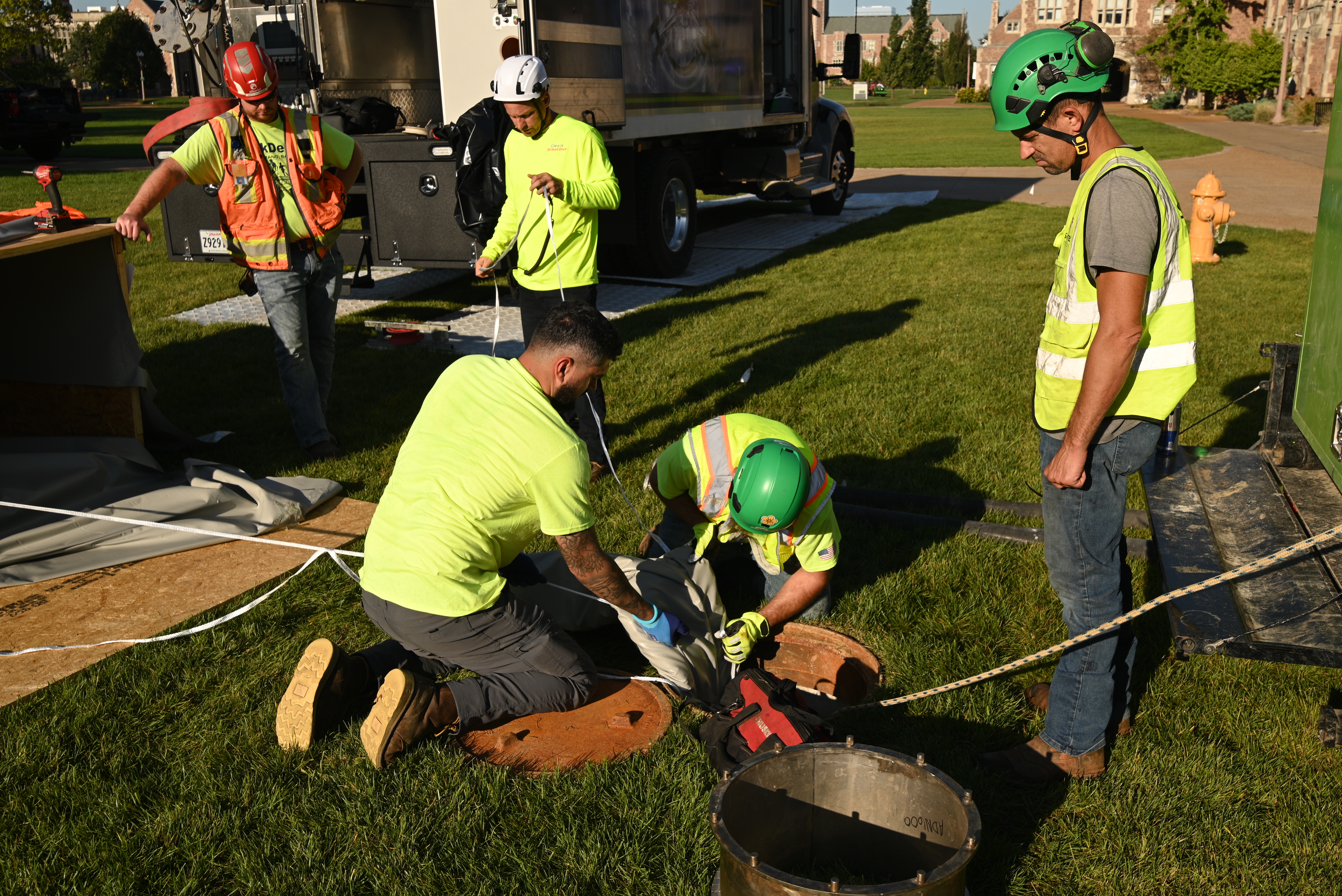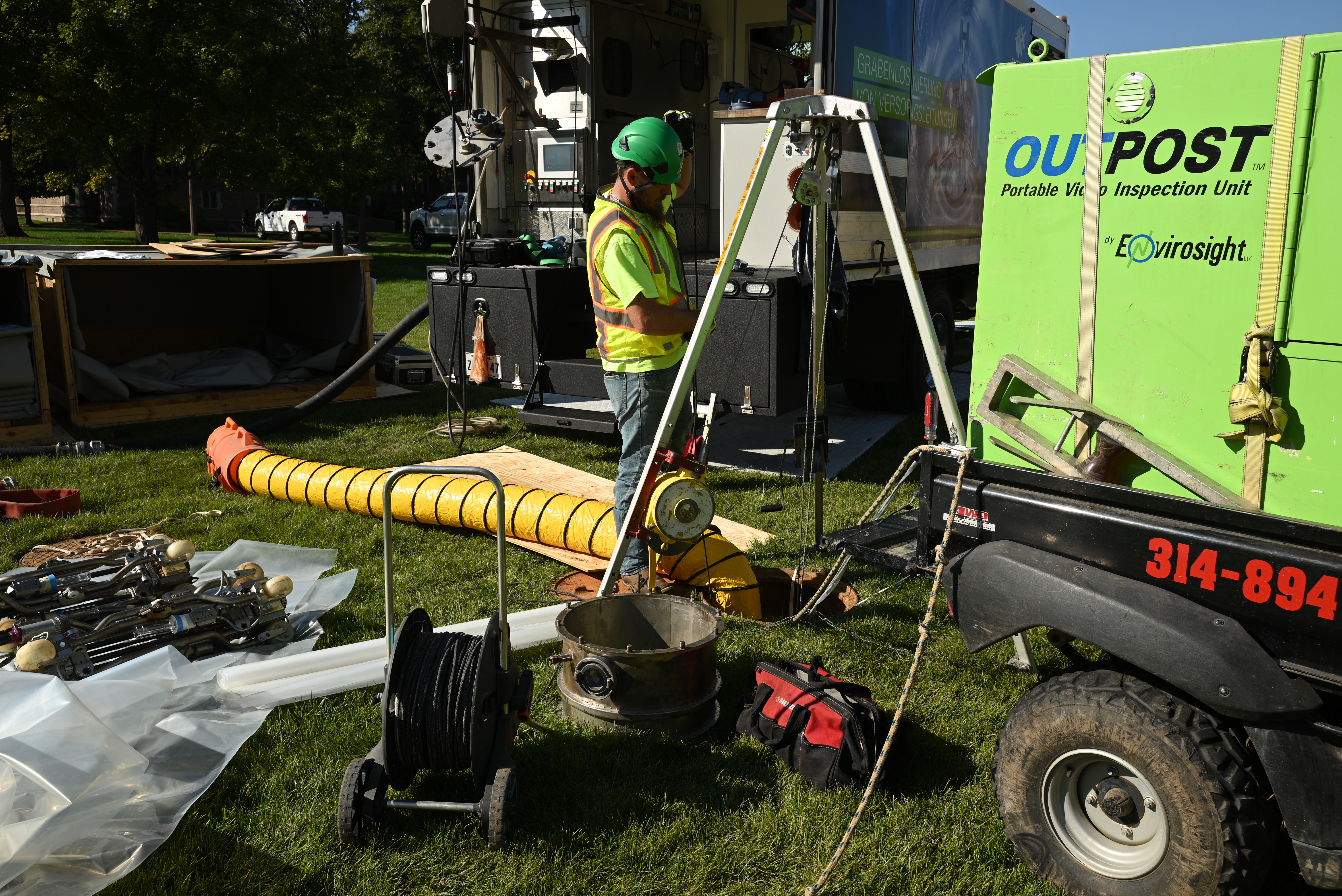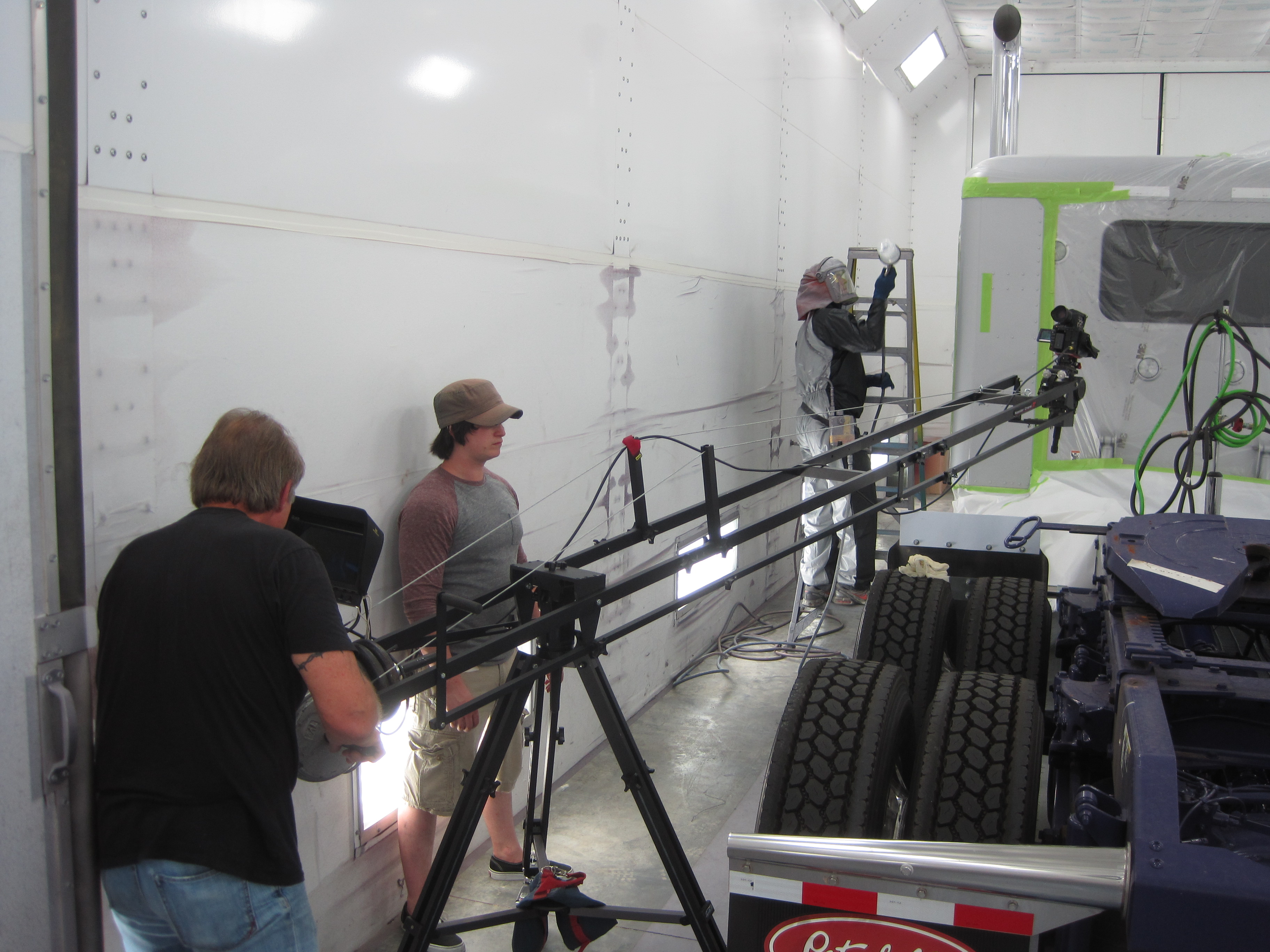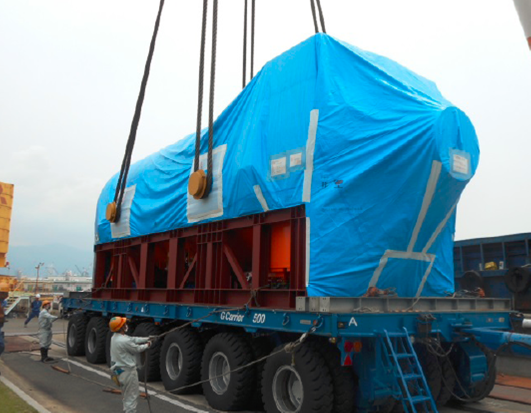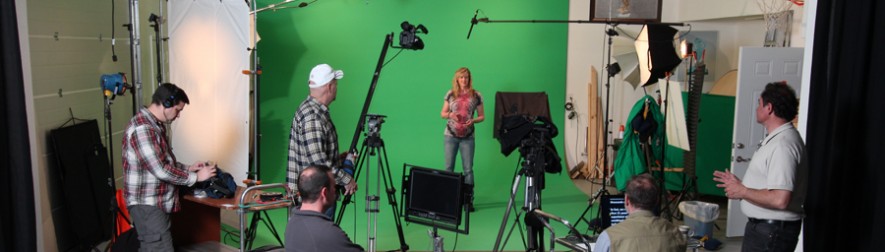
Beyond the Boredom: Crafting Safety Training Videos That Workers Actually Watch

In the dynamic landscape of modern business, safety isn’t just a buzzword – it’s a fundamental pillar of operational success, employee well-being, and regulatory compliance. Yet, for many organizations, safety training videos often conjure images of monotonous lectures, dated visuals, and glazed-over employee eyes. At St Louis Video And Photo, we understand that effective safety training isn’t about simply checking a box; it’s about creating content that genuinely engages, informs, and ultimately protects your most valuable asset: your workforce.

As experienced videographers, photographers, and producers, we’ve witnessed firsthand the transformative power of well-crafted visual storytelling. The key to “making safety training videos that workers actually watch” lies in moving beyond the didactic and embracing approaches that resonate with today’s visually-driven audiences.

The Problem with Traditional Safety Videos

The typical safety training video often falls short for several reasons:

  • Information Overload: A deluge of technical jargon without context or practical application can overwhelm viewers.
  • Lack of Engagement: Static shots, disembodied voiceovers, and a lack of relatable scenarios fail to capture and hold attention.
  • Irrelevance: Generic content that doesn’t directly address the specific risks and procedures of a particular workplace can feel disconnected.
  • Repetitive and Stale: Using the same old videos year after year leads to viewer fatigue and a diminished impact.

Strategies for Engaging Safety Training

So, how do you break free from the mold and create safety training videos that workers not only watch but actively learn from?

1. Embrace Storytelling and Real-World Scenarios

Instead of listing rules, illustrate consequences and best practices through narratives. Show a relatable character making a mistake and the subsequent impact, or demonstrating the correct procedure in a clear, concise manner. This humanizes the training and makes the information stick. Consider using:

  • “What If” Scenarios: Present a hazardous situation and then show the correct intervention.
  • Employee Testimonials (Carefully Scripted): Hearing from peers about how a safety procedure helped them can be powerful.
  • Mini-Dramas: Even short, simple scenarios can create an emotional connection and reinforce the message.

2. Keep it Concise and Modular

Attention spans are shorter than ever. Break down complex topics into smaller, digestible modules. Each module can focus on a single concept, making it easier for viewers to absorb and recall information. Think micro-learning: short, impactful videos (3-5 minutes) that can be accessed on demand. This also allows for greater flexibility in training schedules.

3. High-Quality Production Values Matter

A professionally produced video signals that your organization takes safety seriously. This doesn’t necessarily mean Hollywood budgets, but it does mean clear audio, crisp visuals, appropriate lighting, and thoughtful editing. Shaky camera work, poor sound, and distracting backgrounds undermine credibility.

4. Incorporate Interactive Elements

Engaging doesn’t just mean watching; it means participating. Consider integrating:

  • Quizzes and Knowledge Checks: Embed questions directly into the video to test comprehension.
  • Decision Points: Allow viewers to make choices within a scenario to see the different outcomes.
  • Augmented Reality (AR) or Virtual Reality (VR) Elements (where applicable): For highly complex or dangerous scenarios, immersive technologies can provide invaluable hands-on experience in a safe environment.

5. Leverage Visuals and Graphics Effectively

“Show, don’t just tell” is a golden rule in video production. Use:

  • Animations and Motion Graphics: To explain complex processes or illustrate abstract concepts.
  • Infographics: To present data or key statistics in an easily digestible format.
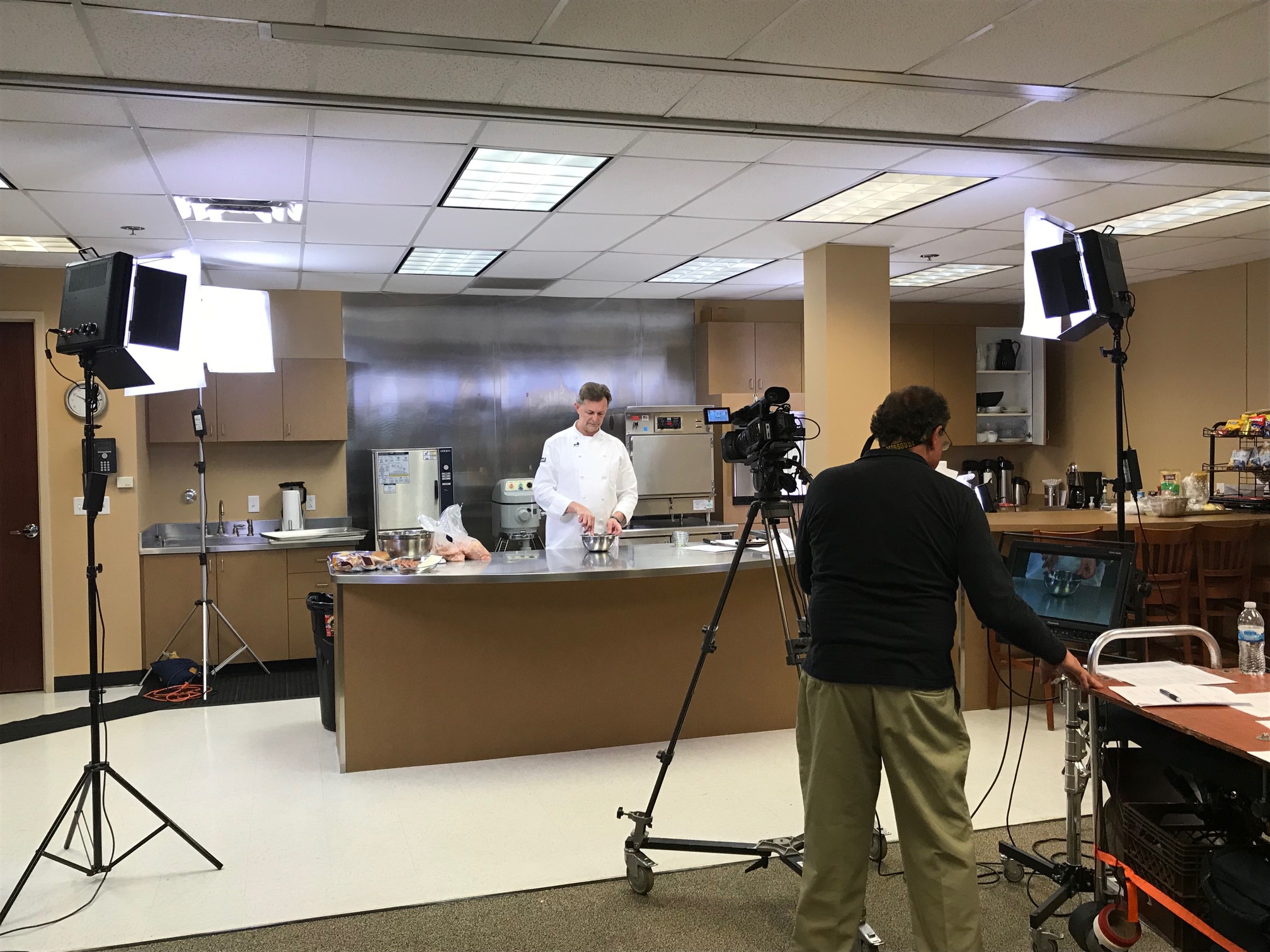
  • Clear Demonstrations: Physically show the correct way to operate equipment, don PPE, or perform a task.

6. Tailor to Your Audience and Workplace

Generic safety videos rarely hit the mark. Customize your content to reflect the specific risks, equipment, and culture of your organization. This makes the training feel relevant and valuable to your employees.

7. Update Regularly

Safety protocols evolve, and so should your training materials. Regularly review and update your videos to ensure they reflect current best practices, equipment, and regulations. This also keeps the content fresh and prevents viewer fatigue.

Why St Louis Video And Photo is Your Partner in Effective Safety Training

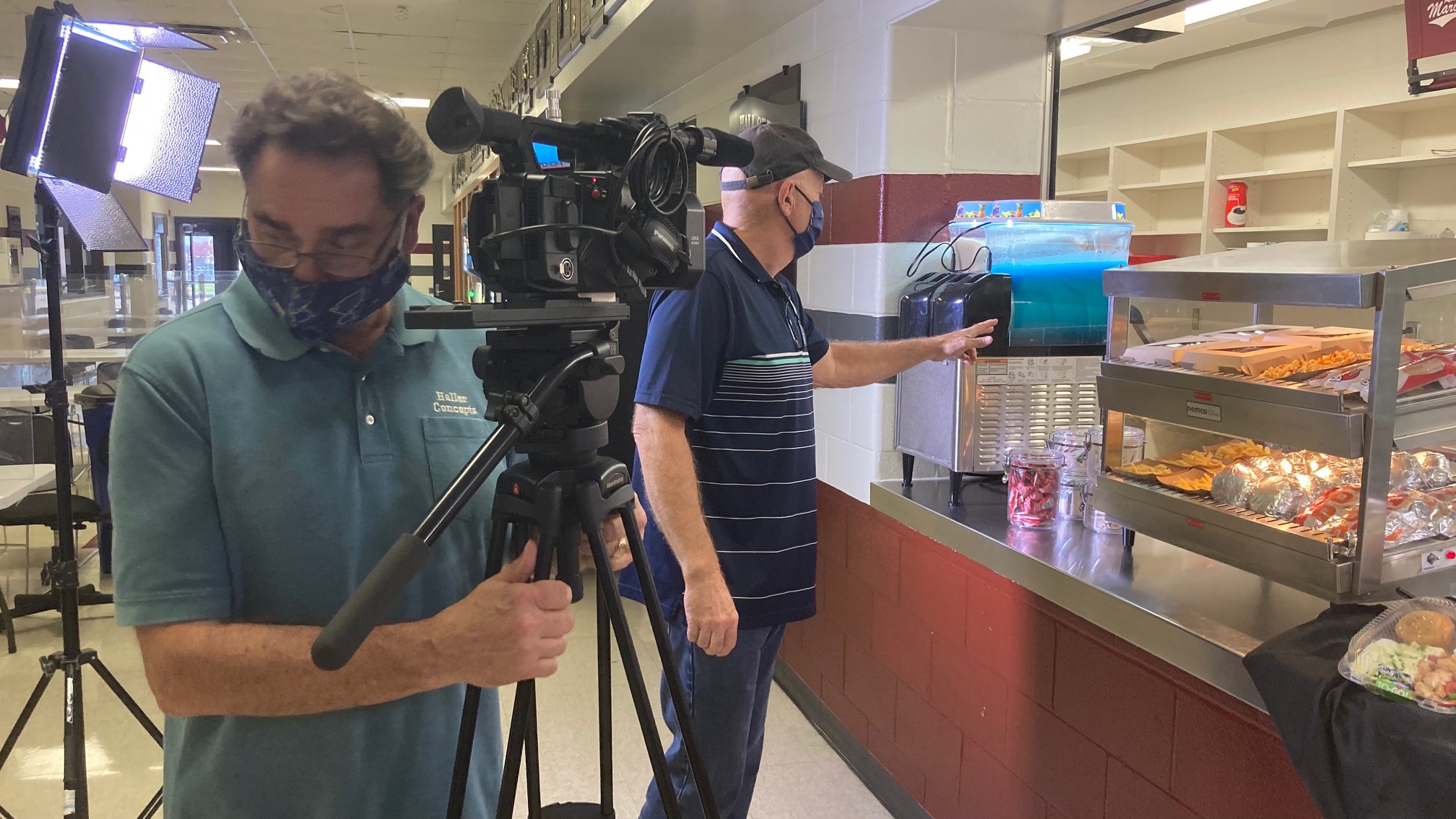
At St Louis Video And Photo, we are more than just a production company; we are your strategic partner in creating compelling and effective visual content. Since 1982, we have been a full-service professional commercial photography and video production company, equipped with the right tools and a seasoned creative crew to ensure successful image acquisition for businesses and organizations across the St. Louis area.

We offer comprehensive studio and location video and photography services, alongside expert editing, post-production, and licensed drone pilots. Our capabilities extend to customizing productions for diverse media requirements, and we specialize in repurposing your photography and video branding to maximize reach and impact. We are fluent in all file types, media styles, and accompanying software, staying ahead with the latest in Artificial Intelligence for all our media services.

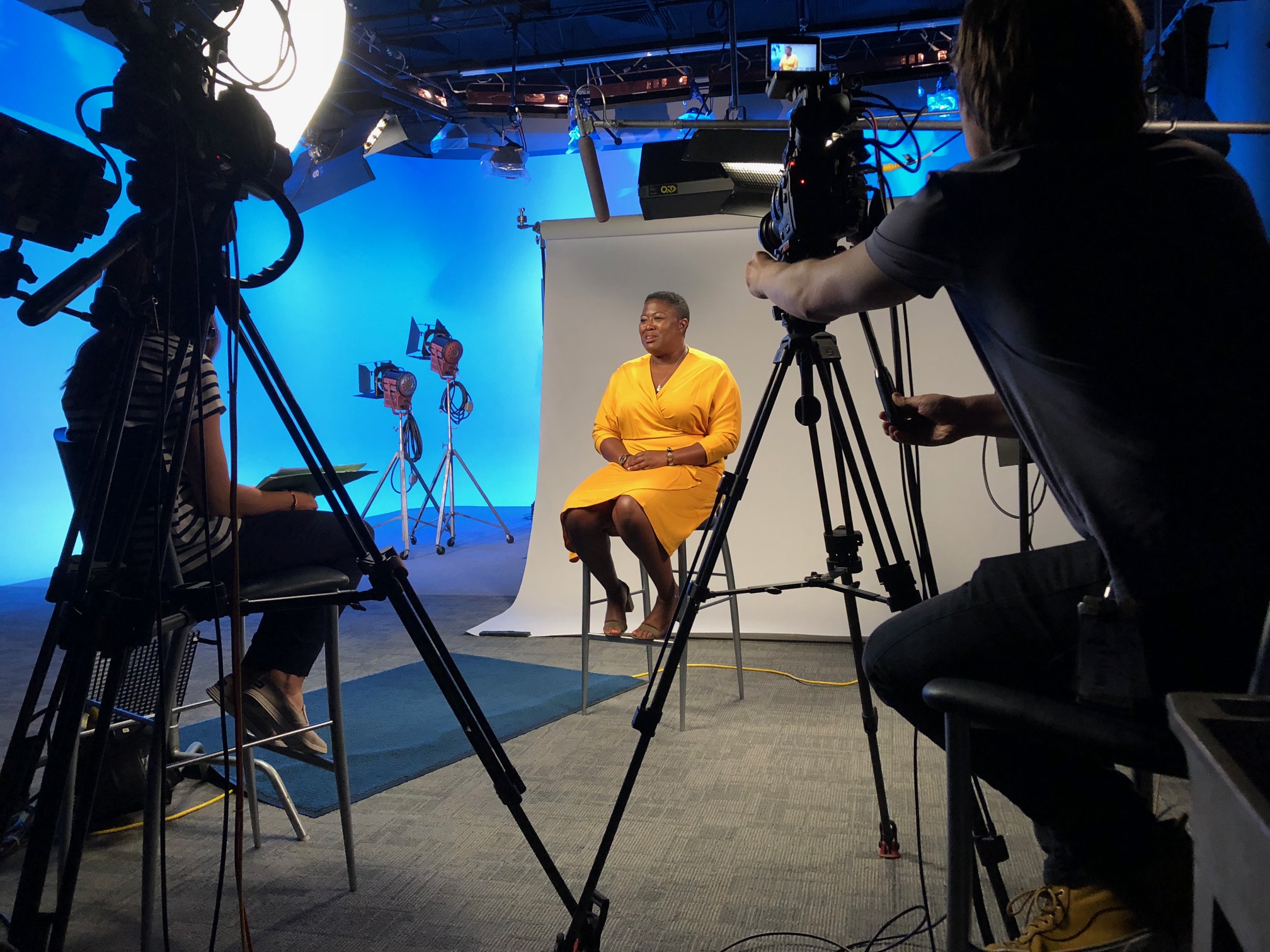
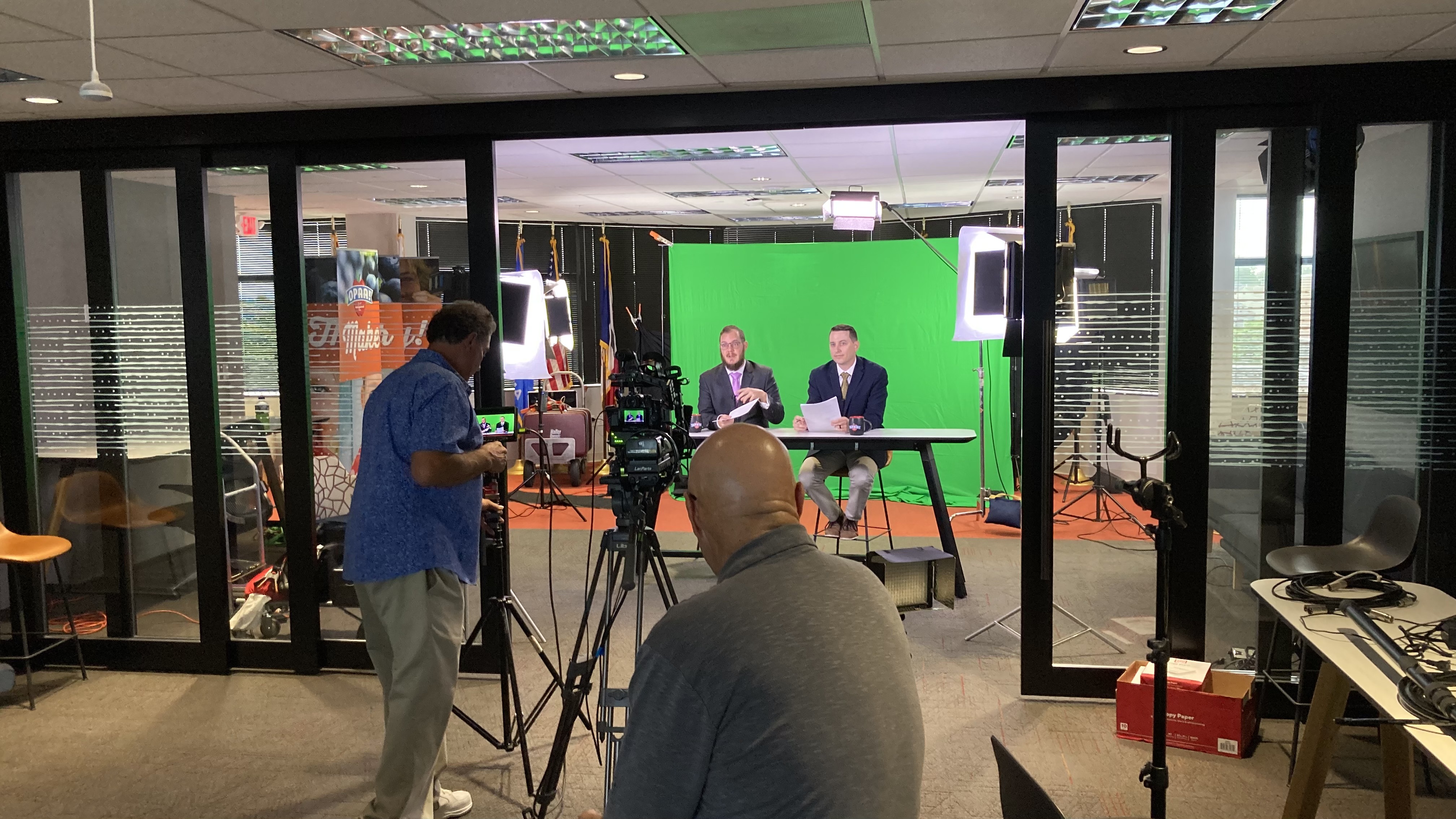
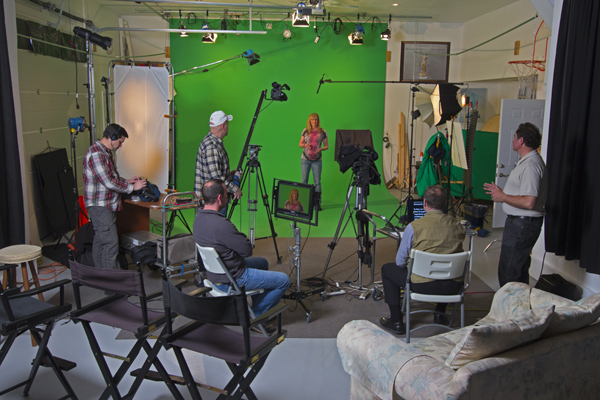
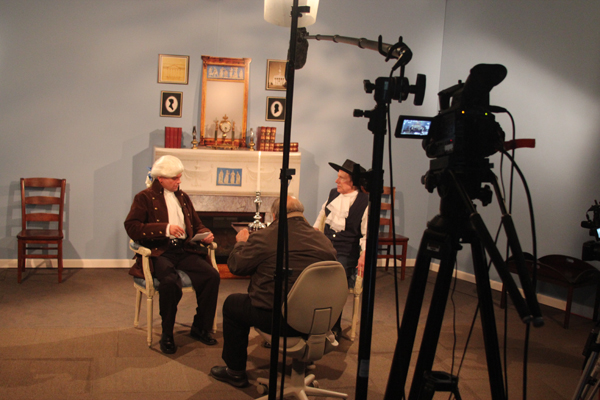
Our private studio boasts optimal lighting and visual setups, perfect for small productions, professional interviews, and incorporating props to create a complete set. We support every facet of your production—from designing a custom interview studio to providing professional sound and camera operators, and supplying cutting-edge equipment—all to guarantee a seamless and successful video production. Our expertise even includes flying specialized drones indoors for unique perspectives.

Having collaborated with numerous businesses, marketing firms, and creative agencies in St. Louis for over four decades, St Louis Video And Photo possesses the experience and insight to transform your safety training from a mandatory chore into an engaging, educational, and ultimately life-saving experience. Let us help you produce safety videos that workers actually watch, understand, and apply, fostering a safer, more productive environment for everyone.

314-913-5626
stlouisvideos@gmail.com

Why Your Team Needs Ongoing Training Videos: Boosting Productivity, Engagement, and Success

In today’s fast-paced business environment, the need for ongoing training is more important than ever. For organizations to remain competitive, it’s essential to ensure that employees have the necessary skills, knowledge, and understanding to succeed in their roles. Training videos are a powerful tool in achieving this, providing an engaging, scalable, and efficient way to train employees on an ongoing basis.

Ongoing training also allows employees to stay ahead of industry trends, sharpen their skills, and adapt to new technologies or workflows, all of which are critical for long-term success.

1. Enhancing Employee Engagement and Retention

Training videos help improve employee engagement by offering an interactive and visually stimulating experience. Rather than relying on traditional training methods such as printed manuals or in-person lectures, which can be monotonous, video-based training keeps employees’ attention with dynamic visuals, real-world examples, and relatable scenarios.

Employees are more likely to retain information when it is presented through a combination of visuals and narration. This makes training videos a perfect tool for conveying complex processes or product information in an easy-to-understand and memorable way. Additionally, they are an ideal solution for remote teams or employees with different learning styles, providing flexibility and accessibility for continuous learning.

2. Cost-Effective and Scalable

Developing in-person training sessions for large teams can be costly and time-consuming. Travel expenses, booking a trainer, and organizing the logistics can add up quickly. With training videos, companies can create a one-time investment in content that can be used repeatedly, eliminating the need for costly recurring sessions. Once created, training videos can be accessed anytime, from anywhere, reducing the costs associated with in-person events and allowing organizations to scale training across teams or even global locations.

3. Customizable for Specific Training Needs

Another significant advantage of using training videos is the ability to tailor them to meet specific business needs. Training videos can cover a wide range of topics, from company policies and software tutorials to product demonstrations and safety procedures. Whether you need an overview for new hires or specialized training for a particular department, video content can be customized to address unique challenges and learning goals.

Moreover, video training can be periodically updated to reflect new processes, policies, or products, ensuring that employees are always up to date. Unlike printed training materials that may quickly become outdated, video training allows companies to respond to changes swiftly and cost-effectively.

4. Tracking Progress and Measuring Effectiveness

With modern video platforms and learning management systems (LMS), tracking employee progress and measuring the effectiveness of training is easier than ever. You can monitor how much content employees have completed, how long they engaged with the video, and even assess their retention through integrated quizzes and surveys. This data-driven approach allows companies to continuously improve their training programs and ensure that employees are meeting the desired learning outcomes.

5. Promoting a Continuous Learning Culture

Training is not a one-time event; it should be an ongoing process. By implementing a system of regular training videos, companies can foster a culture of continuous learning. Employees will come to expect and look forward to regular updates, keeping them engaged and motivated to improve their skills. Ongoing training also allows employees to stay ahead of industry trends, sharpen their skills, and adapt to new technologies or workflows, all of which are critical for long-term success.

Why St. Louis Video is Your Perfect Partner for Ongoing Training Videos

At St. Louis Video, we understand the importance of high-quality, engaging training videos for corporate success. Our team has been creating impactful video and photography productions since 1982, providing businesses with the tools they need to effectively communicate with their teams.

As a full-service professional commercial photography and video production company, we offer the right equipment and creative expertise to help you achieve your training goals. Whether you’re looking for studio or location video production, our experienced team is well-equipped to capture your content exactly as you envision. Our private studio offers customized lighting and setups, ideal for creating professional, polished training videos, including small productions and interview setups.

Additionally, our expertise in repurposing photography and video branding ensures that your content will not only serve its training purpose but also boost your brand’s visibility and engagement. We are proficient in all file types, media styles, and accompanying software, ensuring compatibility with your internal systems and media platforms.

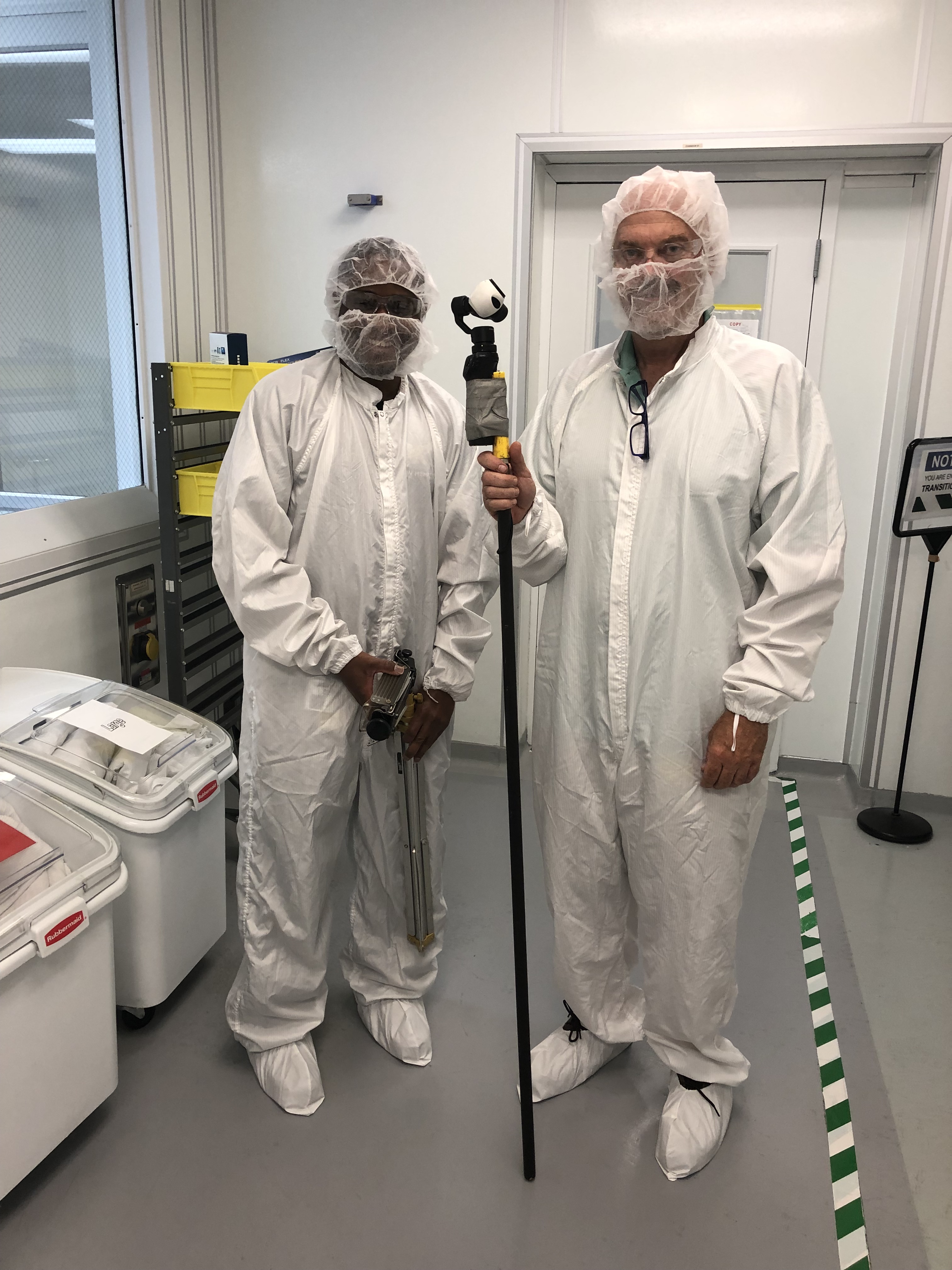
Our team can fly specialized drones indoors, offering unique and creative angles that enhance your videos. Whether you need sound and camera operators or customized sets for interviews, we can provide the complete production experience.

St. Louis Video’s long history of serving businesses, marketing firms, and agencies in the St. Louis area makes us a trusted partner for high-quality corporate video production. We are committed to delivering videos that are not only educational but also engaging and memorable, ensuring that your ongoing training programs are effective and impactful.

Let St. Louis Video help you enhance your training programs, streamline learning processes, and promote a culture of continuous development. Contact us today to discuss how we can assist with your next video production project!

314-913-5626
stlouisvideos@gmail.com

What Are the Different Types of Videos You Can Create for Your Small Business?

In today’s digital landscape, video content is not just a luxury; it’s a necessity. Businesses of all sizes, particularly small businesses, can harness the power of video to engage their audience, promote their brand, and drive sales. But with so many types of videos to choose from, how do you decide which one is right for your business? Let’s explore the various types of videos you can create to elevate your small business.

Educational or training videos are used to inform or train your audience, whether they are customers or employees. These videos can be a valuable resource for onboarding new employees, offering product training, or providing expert insights on industry topics.

1. Promotional Videos

Promotional videos are designed to showcase your products, services, or brand in a compelling way. These videos are often used in marketing campaigns, on social media, or on your website’s homepage. The goal is to create a strong first impression and entice potential customers to learn more about what you offer.

Key Elements:

  • High-quality visuals
  • A strong call to action
  • Engaging music and voiceover

2. Explainer Videos

Explainer videos break down complex concepts, products, or services in an easy-to-understand format. Typically animated or featuring a spokesperson, these videos are perfect for introducing a new product or explaining how your service works.

Key Elements:

  • Simple and clear messaging
  • Visual aids like graphics or animations
  • A focus on the problem and solution

3. Testimonial Videos

Testimonial videos feature your customers sharing their positive experiences with your brand. These videos are incredibly powerful because they build trust and credibility, showing potential customers that your business delivers on its promises.

Key Elements:

  • Genuine customer stories
  • Professional lighting and sound
  • Subtle branding

4. Corporate Videos

Corporate videos provide an overview of your company’s culture, values, and mission. These videos are ideal for recruitment, investor relations, or company introductions. A well-crafted corporate video can help humanize your brand and foster a deeper connection with your audience.

Key Elements:

  • Behind-the-scenes footage
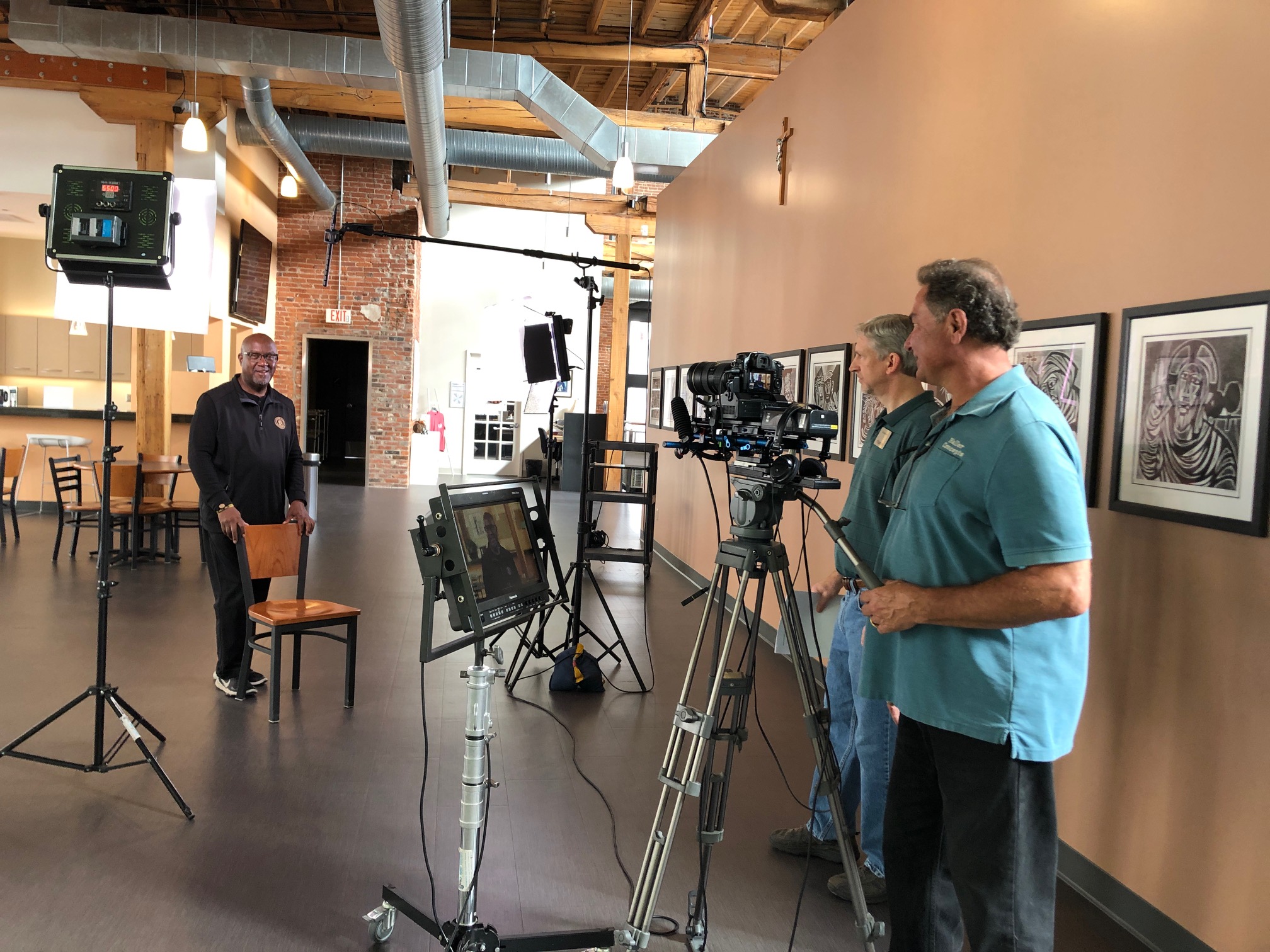
  • Employee interviews
  • A focus on company values

5. Product Demos

Product demo videos are all about showing your product in action. These videos can be live-action or animated and should highlight the key features and benefits of your product. Product demos are particularly effective for tech companies or businesses with a complex product offering.

Key Elements:

  • Clear, concise demonstration
  • Focus on key features and benefits
  • High-quality close-up shots

6. Event Coverage

If your business hosts events, such as conferences, trade shows, or product launches, capturing these events on video is a great way to extend their reach. Event coverage videos can be used for future marketing campaigns, social media content, or internal communications.

Key Elements:

  • Professional filming and editing
  • Highlights of key moments
  • Interviews with attendees or speakers

7. Educational/Training Videos

Educational or training videos are used to inform or train your audience, whether they are customers or employees. These videos can be a valuable resource for onboarding new employees, offering product training, or providing expert insights on industry topics.

Key Elements:

  • Clear instructional content
  • Visual aids and demonstrations
  • Professional narration or on-screen text

8. Social Media Videos

Social media videos are typically short, attention-grabbing pieces designed for platforms like Instagram, Facebook, or TikTok. These videos should be visually appealing and to the point, capturing the viewer’s attention within the first few seconds.

Key Elements:

  • Vertical format for mobile viewing
  • Quick, engaging content
  • Strong visual branding

9. Drone Footage

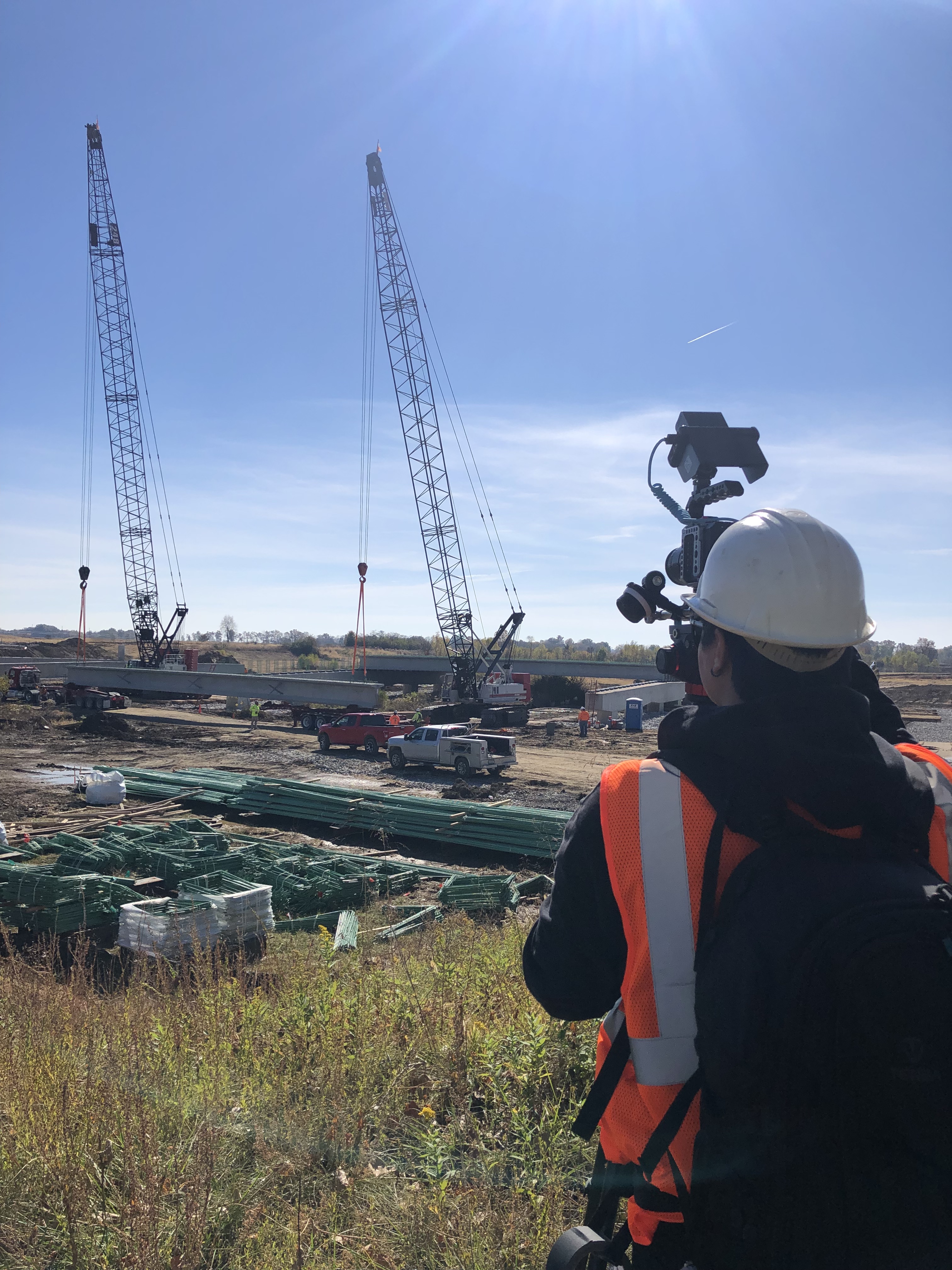
Drone videos offer a unique perspective, particularly for businesses in real estate, construction, or outdoor events. Drones can capture stunning aerial shots, providing a bird’s-eye view that adds a dynamic element to your videos.

Key Elements:

  • High-resolution drone cameras
  • Smooth, stable footage
  • Aerial perspectives of key locations or events

10. Interview Videos

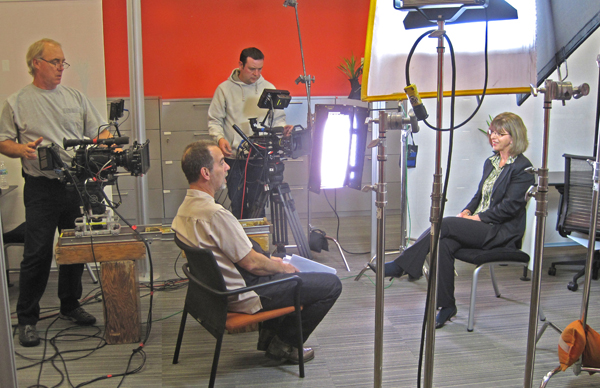
Interview videos are a great way to feature thought leaders, experts, or employees discussing relevant topics. These videos can be used for content marketing, internal communications, or building thought leadership.

Key Elements:

  • Professional lighting and sound
  • Engaging questions and answers
  • A focus on the interviewee’s expertise

11. Webinars

Webinars are live or pre-recorded sessions where you share insights, conduct training, or present new products. They’re an excellent tool for B2B businesses or educational institutions looking to engage with their audience in a more interactive format.

Key Elements:

  • Interactive features like Q&A sessions
  • High-quality video and audio
  • Valuable, informative content

Why Choose St Louis Video?

At St Louis Video, we understand the importance of creating high-quality videos that resonate with your audience and achieve your business goals. With over four decades of experience in the industry, we’ve worked with countless businesses, marketing firms, and agencies in the St. Louis area, delivering exceptional results every time.

Our full-service approach covers everything from studio and location video production to editing, post-production, and licensed drone operations. Whether you need a simple interview setup or a comprehensive media campaign, our creative crew and state-of-the-art equipment are at your service. We specialize in repurposing your photography and video branding to maximize its impact across multiple platforms.

Our private studio is equipped with everything you need for a successful production, including specialized lighting and visual setups perfect for small productions and interview scenes. Plus, with our ability to fly drones indoors, we can capture unique footage that sets your business apart.

When you partner with St Louis Video, you’re choosing a team dedicated to making your vision a reality. From pre-production planning to final edits, we’re here to ensure your next video production is flawless.

Ready to elevate your business with professional video content? Contact St Louis Video today and let’s create something extraordinary.

314-913-5626
stlouisvideos@gmail.com

What is Resolution in Photography?

In the world of photography, capturing images is an art that is built upon technical foundations. One of the key technical aspects that greatly influences the quality and clarity of an image is resolution. Whether you’re a professional photographer or an enthusiast, understanding resolution is essential to producing images that stand out and make an impact. In this article, we’ll delve into the concept of resolution in photography, its significance, and how it plays a crucial role in the creation of stunning visual content.

The more pixels an image has, the higher its resolution and subsequently, the finer the details it can capture.

Understanding Resolution

Resolution in photography refers to the amount of detail that an image holds. It is often expressed in terms of pixels and represents the number of pixels present in both the width and height of an image. The more pixels an image has, the higher its resolution and subsequently, the finer the details it can capture. Resolution is a critical factor that determines how crisp an image appears when printed or displayed digitally.

Pixel Count and Image Quality

The pixel count directly correlates with image quality. A higher pixel count provides the capability to capture intricate details, vibrant colors, and smooth gradients. This becomes particularly evident when images are viewed in larger formats, such as posters or banners, where low-resolution images can appear pixelated and lack sharpness.

Modern cameras come with varying resolution capabilities, ranging from entry-level models to high-end professional cameras. For example, a typical smartphone might have a resolution of around 12 megapixels, while professional DSLR cameras can offer resolutions exceeding 50 megapixels.

Impact on Printing

Resolution plays a significant role in how an image appears when it’s printed. The concept of dots per inch (DPI) comes into play here. DPI refers to the number of ink dots printed per inch on paper. A higher DPI results in more dots, creating a smoother and more detailed print. To achieve high-quality prints, an image’s resolution needs to be appropriate for the desired print size.

If an image’s resolution is too low for the print size, the result is a phenomenon known as pixilation, where individual pixels become visible to the naked eye, leading to a loss of image clarity. To avoid pixilation and ensure a professional-looking print, it’s crucial to use images with adequate resolution for the intended print dimensions.

Resolution in Digital Displays

In the realm of digital displays, such as computer monitors, tablets, and smartphones, resolution also plays a pivotal role. The clarity and sharpness of images on these screens are greatly influenced by their pixel density. Pixel density refers to the number of pixels per inch on a display screen. Displays with higher pixel densities showcase images more vividly and with finer details.

Common display resolutions include Full HD (1920×1080 pixels), 4K Ultra HD (3840×2160 pixels), and even 8K Ultra HD (7680×4320 pixels). The choice of resolution depends on the display’s physical dimensions and the intended use. For instance, a larger monitor would require a higher resolution to maintain image sharpness, especially when viewing from a closer distance.

Balancing Resolution and File Size

While high resolution is desirable for capturing details, it’s essential to strike a balance between resolution and file size, especially when it comes to sharing images online. Images with extremely high resolutions can result in large file sizes, which might be impractical for web usage due to slower loading times.

Compression techniques, such as JPEG and PNG formats, help reduce file sizes while maintaining acceptable image quality. However, excessive compression can lead to a loss of detail and an increase in artifacts. Finding the right balance between resolution and file size is crucial when preparing images for different platforms.

How St Louis Video & Photo Can Elevate Your Visual Content

As a full-service video production and photography studio based in St. Louis, we at St Louis Video & Photo understand the intricacies of resolution and its role in creating captivating visual content. With years of experience, we’ve catered to the diverse needs of businesses and organizations, both large and small, in the St. Louis region.

Our team of experienced professionals excels in all aspects of video production and photography, ensuring that your multimedia creations are of the highest quality. Whether it’s corporate branding, business marketing, or any other visual communication needs, we have the expertise to deliver exceptional results.

As a professional photo and video company, St Louis Video & Photo has produced hundreds of video projects for all types of businesses and organizations. Our commitment to excellence and attention to detail set us apart as a trusted partner for all your visual content requirements.

Don’t settle for ordinary. Elevate your brand with visually striking content. Contact St Louis Video & Photo to explore how we can enhance your corporate branding and business marketing through the power of high-quality video production and photography.

314-913-5626
stlouisvideos@gmail.com