Lens-Level Polish: Why Teleprompters Create Professional-Looking Videos

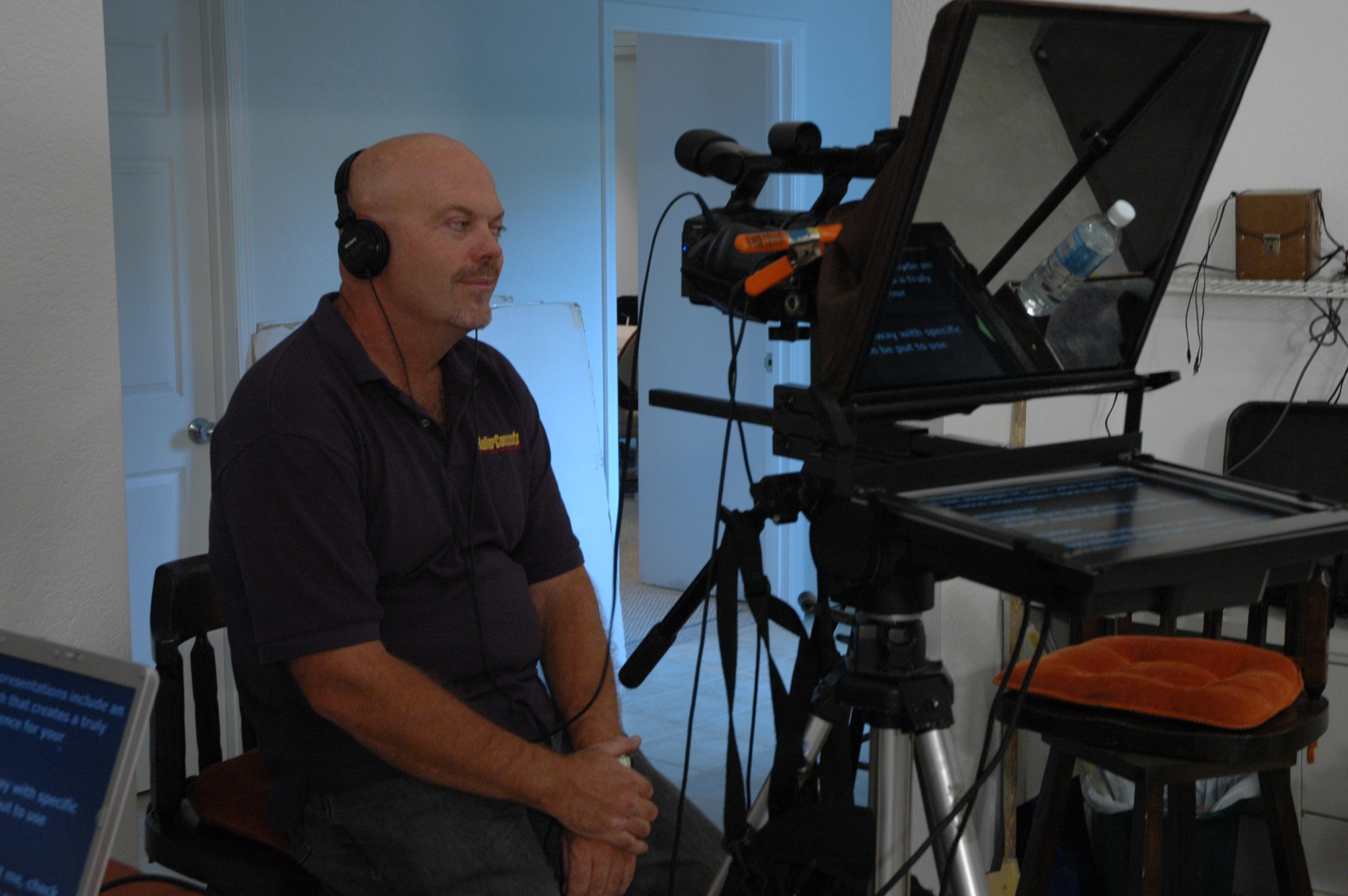
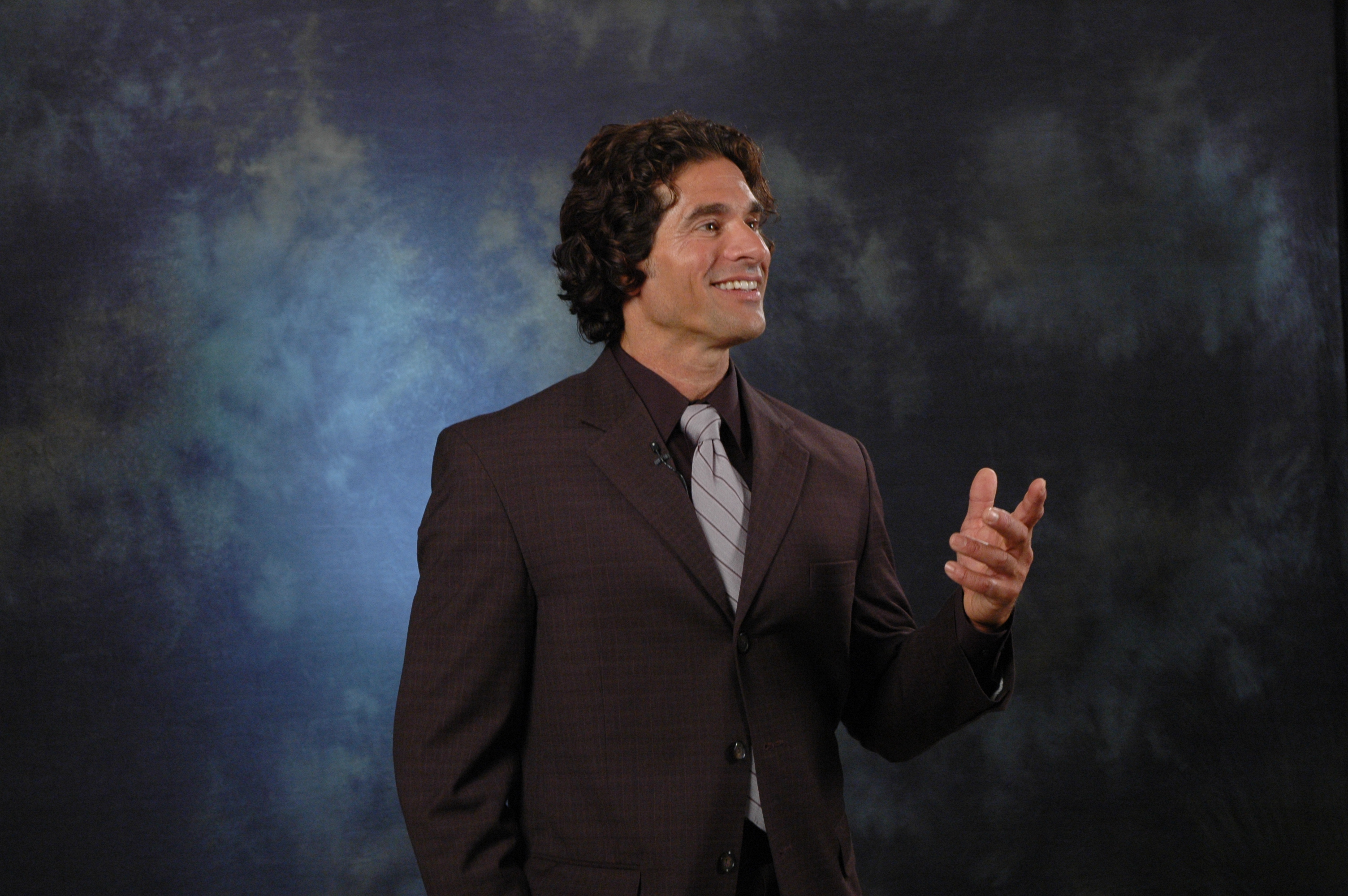
For executives, engineers, clinicians, and sales leaders who don’t live on camera, a teleprompter is the fastest path to polished delivery. It doesn’t make people sound robotic—poor setup and coaching do. With the right script, optics, and operator, a teleprompter frees your talent to focus on presence while your brand stays on message.

Why Teleprompters Work (For Non-Actors, Too)

  • Cognitive relief: No memorization. Working memory goes to tone, pace, and connection.
  • Message fidelity: Brand, legal, and technical language are delivered accurately.
  • Schedule control: Fewer restarts and pickups reduce crew hours and room time.
  • Consistency at scale: Multiple speakers, one voice—ideal for product lines and multi-market rollouts.

Best Use Cases

  • Leadership announcements and culture messages
  • Product explainers and regulated claims
  • Training modules and onboarding
  • Fundraising and investor updates
  • Multi-language/localized content (script-first translation)

Script Engineering: Write for the Mouth, Not the Page

  • Pacing: 120–140 words per minute for non-professional talent; shorten dense sentences.
  • Structure: One idea per sentence. Favor active voice and concrete nouns.
  • Readability: Sentence case, short lines, generous line breaks; avoid all caps in body copy.
  • Pronunciation: Add phonetics for jargon and names (e.g., “biologics (bye-oh-LAH-jiks)”).
  • Performance cues: Light markers—[beat], [smile], [gesture small], [hold]—to shape cadence.
  • Two versions: A Full script for complete info and a Tight script for time-boxed reads.
  • Compliance: Lock “do-not-change” claims early and highlight them for the operator.

Optics & Lighting That Flatter Prompter Reads

  • Lens choice: Full-frame 85–135mm (or 50–85mm on Super35) to compress micro eye movement.
  • Camera distance: Back the camera up; use longer focal length to maintain intimacy without eye drift.
  • Prompter glass size: Larger beamsplitter for slower readers—less visible eye travel.
  • Brightness balance: Match prompter luminance to key light to avoid squinting and reflections.
  • Eyeglasses: Slightly tilt prompter glass and adjust key/fill angles to eliminate double-reflections.
  • Line of sight: Align copy to the optical center of the lens—1–2 inches off looks “shifty.”

Coaching: Natural Over “Newsreader”

  • Warm-ups: Two fast “throwaway” takes to lift energy and settle nerves.
  • Thought chunking: One idea per breath; operator pauses at commas and resumes on the inhale.
  • Eye focus: “Look through the lens, not at the words.” We place the lens behind the copy’s focal area.
  • Hands & posture: Ground stance, unlock knees, invite purposeful hand movement in-frame.
  • Energy ladder: Record passes at 90%, 100%, and 110% intensity; select per brand tone.
  • Safety takes: One conversational paraphrase for authenticity, one precise read for compliance.

The Operator: Your Hidden Superpower

A dedicated prompter operator (separate from camera and director) listens, anticipates, and rides speed/emphasis live. They also:

  • Manage last-minute script updates and create section bookmarks
  • Insert visual signposts (— dashes, • bullets) to cue phrasing
  • Coordinate with sound for breath-friendly pacing and with gaffer for glare control

Remote, Live, and Hybrid Setups

  • Remote executives: Compact camera-mounted prompter with return video for live eyeline coaching.
  • Webinars & keynotes: Confidence monitors near lens; headlines in the prompter keep presenters off slide-reading.
  • Field shoots: Lightweight units for mobile crews; battery-backed tablets as contingency.
  • AI assists (pre-production): Timing forecasts, readability passes, and pronunciation maps to set scroll targets.

When Not to Teleprompt (Or When to Go Hybrid)

  • Emotion-first testimonials: Use guided beats instead of verbatim lines.
  • Rapid dialog or banter: Bullet prompts or IFB ear cues often play more naturally.
  • Hands-on demos: Teleprompt for open/close; let the demo breathe with beat-level notes.

Risk Management & Compliance

  • Route scripts through brand/legal before shoot day; highlight locked lines.
  • Capture a clean “compliance take” with slower pace and clear enunciation.
  • Pre-plan captions and translations at the script stage to avoid post compromises.

What Decision Makers Can Measure

  • Retake reduction: Lower crew hours and studio rental time
  • Fewer approvals cycles: Pre-approved language plus accurate reads
  • Message consistency: Cross-functional alignment across regions and teams
  • Asset reuse: Script-aligned captions, cutdowns, and social snippets delivered faster

Troubleshooting Quick Hits

  • Looks like “reading”: Increase glass size, back the camera up, bump focal length, slow scroll.
  • Glare on glasses: Adjust key angle, dim prompter, add polarizer if needed.
  • Eye drift: Re-center copy; ensure talent stands square to lens.
  • Tripping over jargon: Add phonetics; split long nouns across lines.
  • Tech failure: Keep a synced tablet backup and printed Tight script on set.

Producer Checklist

Pre-Production

  • Lock Full + Tight scripts; add phonetics and performance cues
  • Approve claims/legal language; highlight “do-not-change” lines
  • Book large-glass unit and dedicated operator for long or technical copy
  • Choose lens package (85–135mm FF equivalent); build lighting plan for anti-glare
  • Schedule 20 minutes per speaker for warm-ups

On Set

  • Match prompter brightness to key; confirm eyeline alignment with a 20–30s test read
  • Run two high-energy throwaways; capture keeper takes at natural pace
  • Record paraphrase (authenticity) and compliance (precision) passes
  • Slate sections for easy post assembly and caption sync

Post

  • Generate captions directly from final script (no drift)
  • Deliver vertical/square cutdowns using script-aligned hooks
  • Archive scripts, approvals, and pronunciation notes for future sessions

Sample Script Excerpt (Prompter-Friendly)

[smile] “If your team makes great products but struggles to tell the story on camera, there’s a fix. A pro teleprompter lets real people sound like themselves—while staying perfectly on message.” [beat] “Today, I’ll show you how we standardize delivery across teams without draining calendars.” [gesture small] “Let’s get started.”


About St Louis Video and Photo

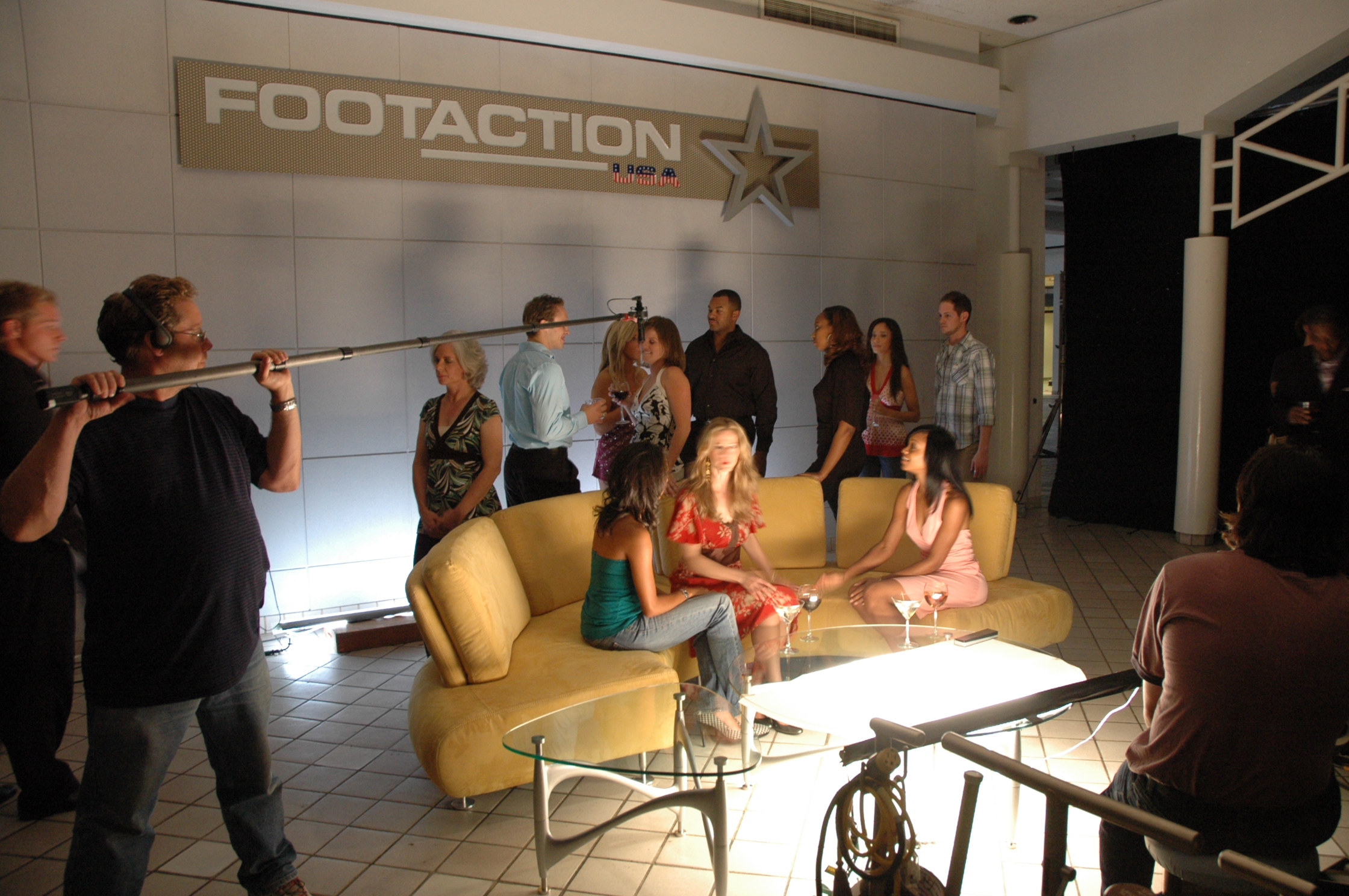
Since 1982, St Louis Video and Photo has helped businesses, marketing firms, and creative agencies across the St. Louis area produce confident, on-brand video and photography. We’re a full-service professional commercial photography and video production company with the right equipment and a seasoned creative crew for successful image acquisition. We offer full-service studio and location video and photography, along with editing and post-production, and licensed drone pilots. St Louis Video and Photo can customize your productions for diverse media requirements, and we specialize in repurposing your photography and video branding to gain more traction across channels. We’re well-versed in all file types and styles of media and accompanying software, and we use the latest Artificial Intelligence across our media services for speed and consistency. Our private studio lighting and visual setup is perfect for small productions and interview scenes, and our studio is large enough to incorporate props to round out your set. We support every aspect of your production—from setting up a private, custom interview studio to supplying professional sound and camera operators, as well as providing the right equipment—ensuring your next video production is seamless and successful. And yes, we can fly our specialized drones indoors.

314-913-5626
stlouisvideos@gmail.com

The Best Types of Marketing Videos to Boost Your Sales and Convert Viewers into Buyers

In today’s competitive business environment, compelling video content is no longer optional—it’s essential. Businesses that utilize high-quality, purpose-driven videos enjoy stronger engagement, higher conversion rates, and better brand retention. As decision makers overseeing your company’s marketing strategy, understanding what types of videos drive results can help you maximize ROI and grow your customer base.

Here’s a strategic breakdown of the most effective video types designed to boost sales:


1. Product Demo Videos

Purpose: Show how your product works in action
Why it Works: 90% of users say that product videos help them make buying decisions. A professionally shot demonstration video builds trust, explains product features clearly, and reduces hesitation in the buyer’s journey.
Best Use: Website product pages, Amazon listings, sales presentations, or onboarding support.


2. Customer Testimonial Videos

Purpose: Build credibility through authentic customer voices
Why it Works: Social proof is one of the most powerful marketing tools. Video testimonials provide emotional resonance and real-world proof that your service delivers results.
Best Use: Landing pages, social media ads, proposal decks, and follow-up emails to prospects.


3. Explainer Videos

Purpose: Simplify complex ideas or processes
Why it Works: Explainer videos use clear visuals, narration, and motion graphics to distill complicated services or technologies. These are particularly effective for software, consulting, and B2B companies.
Best Use: Homepages, tradeshow screens, and YouTube channels.


4. Branded Storytelling Videos

Purpose: Connect emotionally and build brand loyalty
Why it Works: People remember stories, not stats. A narrative-driven brand video that showcases your mission, values, or history helps customers form a long-term emotional bond with your company.
Best Use: “About Us” sections, investor presentations, recruitment tools, and social media.


5. Behind-the-Scenes or Company Culture Videos

Purpose: Humanize your brand
Why it Works: Audiences crave authenticity. These videos showcase your team, your work environment, or how your services are delivered. It builds rapport and sets your business apart from faceless competitors.
Best Use: LinkedIn, recruiting platforms, and corporate presentations.


6. Short-Form Social Media Videos

Purpose: Engage fast-scrolling audiences on mobile
Why it Works: Platforms like Instagram Reels, YouTube Shorts, and TikTok reward bite-sized, engaging video content. These videos are ideal for promotions, tips, or teaser campaigns that lead back to longer content or sales funnels.
Best Use: Brand awareness, influencer marketing, and seasonal promotions.


7. Event Recap or Highlight Videos

Purpose: Extend the impact of your events
Why it Works: Conferences, product launches, and trade shows cost time and money—video helps you get ongoing value from those investments. Highlight reels and recaps can be reused in future marketing materials or shared with those who missed the event.
Best Use: Email campaigns, blogs, and annual reports.


Why Quality Matters: Production Value = Perception Value

A professionally produced video reflects directly on the quality of your business. Poor lighting, shaky footage, bad audio, or inconsistent messaging can harm your brand more than help it. Working with a full-service production company ensures that your video tells the right story in the right way, with cinematic polish and strategic intent.


Why Partner with St Louis Video

At St Louis Video, we bring over four decades of expertise to every production. As a full-service professional commercial photography and video production company, we offer:

  • Studio and location video and photography
  • Expert editing, post-production, and licensed drone pilots
  • Full customization for your brand’s unique media needs
  • Advanced use of Artificial Intelligence to streamline and enhance production workflows
  • Repurposing of your video and photo content to get more traction across platforms
  • Studio setups ideal for small-scale productions and interview scenes
  • Indoor drone video capability, perfect for controlled or creative environments
  • An experienced creative crew that delivers perfect image acquisition, every time

Since 1982, we’ve helped businesses, marketing firms, and agencies across the St. Louis area boost their brand visibility, communicate more clearly, and increase sales through impactful video.

If you’re ready to create strategic video content that moves the needle, contact St Louis Video today. Let’s turn your story into your strongest sales tool.

314-913-5626
stlouisvideos@gmail.com

Keep It Real: When Location Interviews Win Over Studios

In today’s media-saturated landscape, authenticity is the new currency. Consumers are more skeptical than ever of overly produced content that feels disconnected from real experiences. For businesses and organizations looking to connect meaningfully with their audience, location-based interviews have emerged as a powerful tool to convey honesty, culture, and credibility—sometimes even outperforming traditional studio setups.

The Power of Authentic Environments

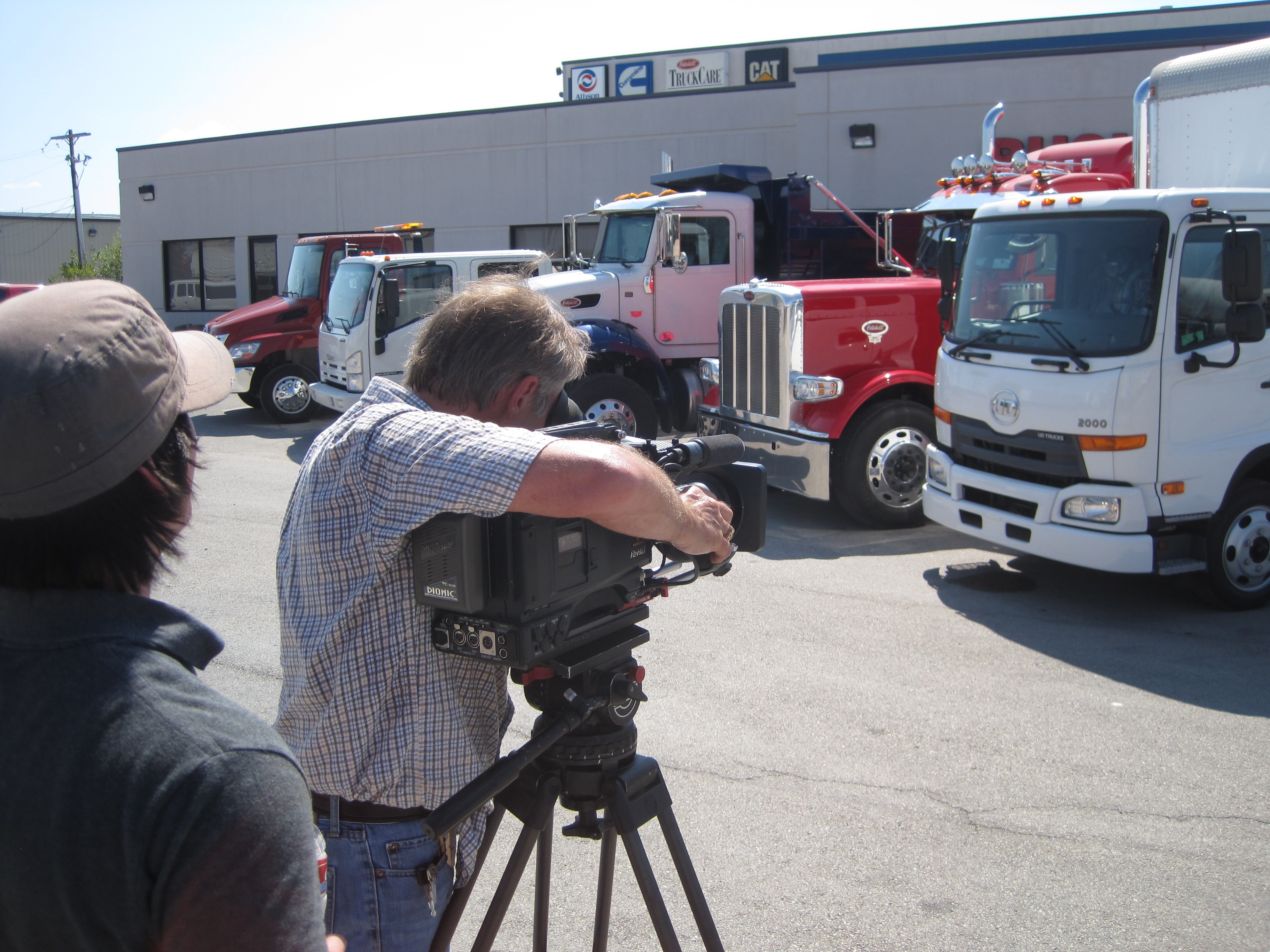
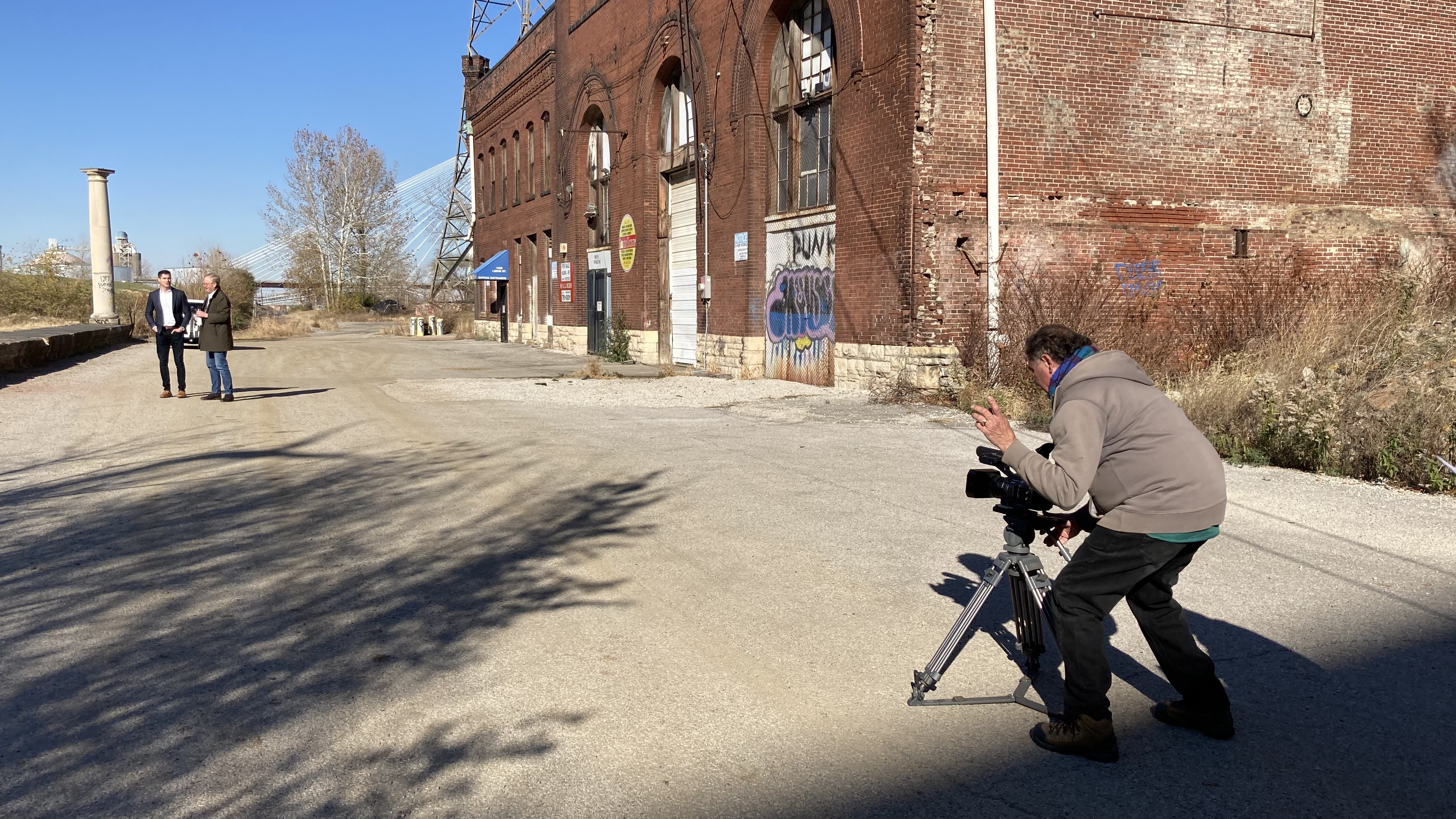
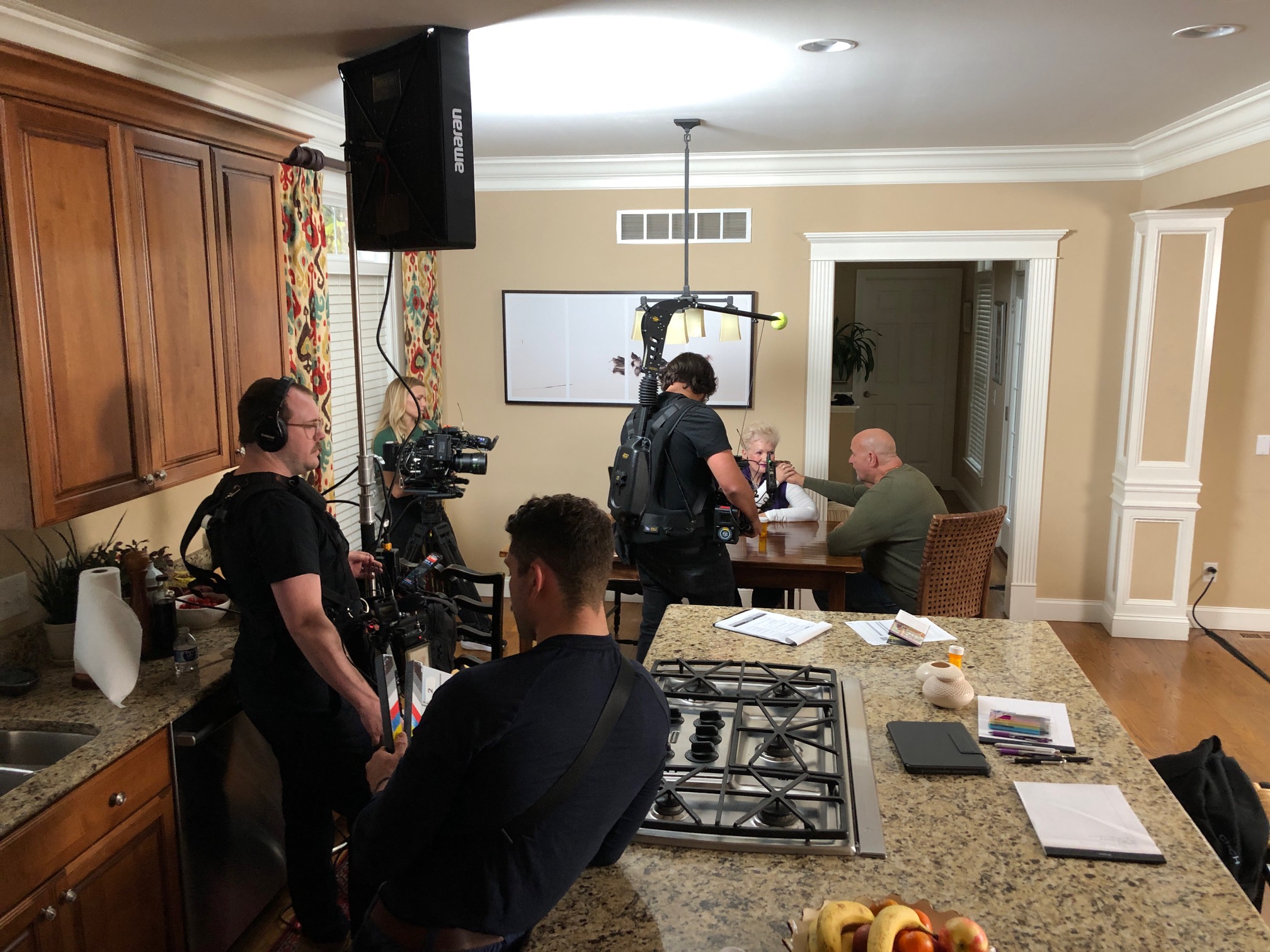
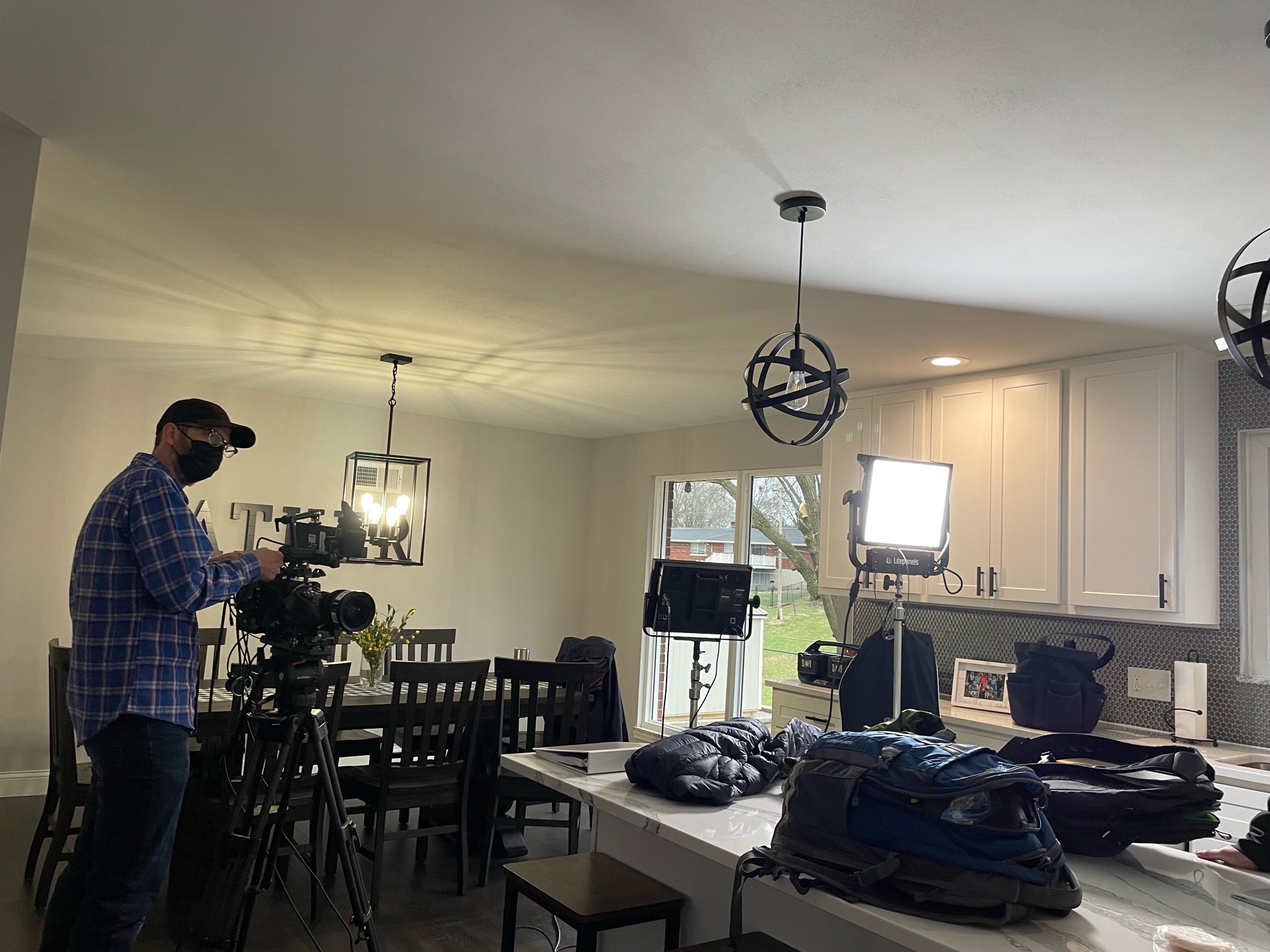
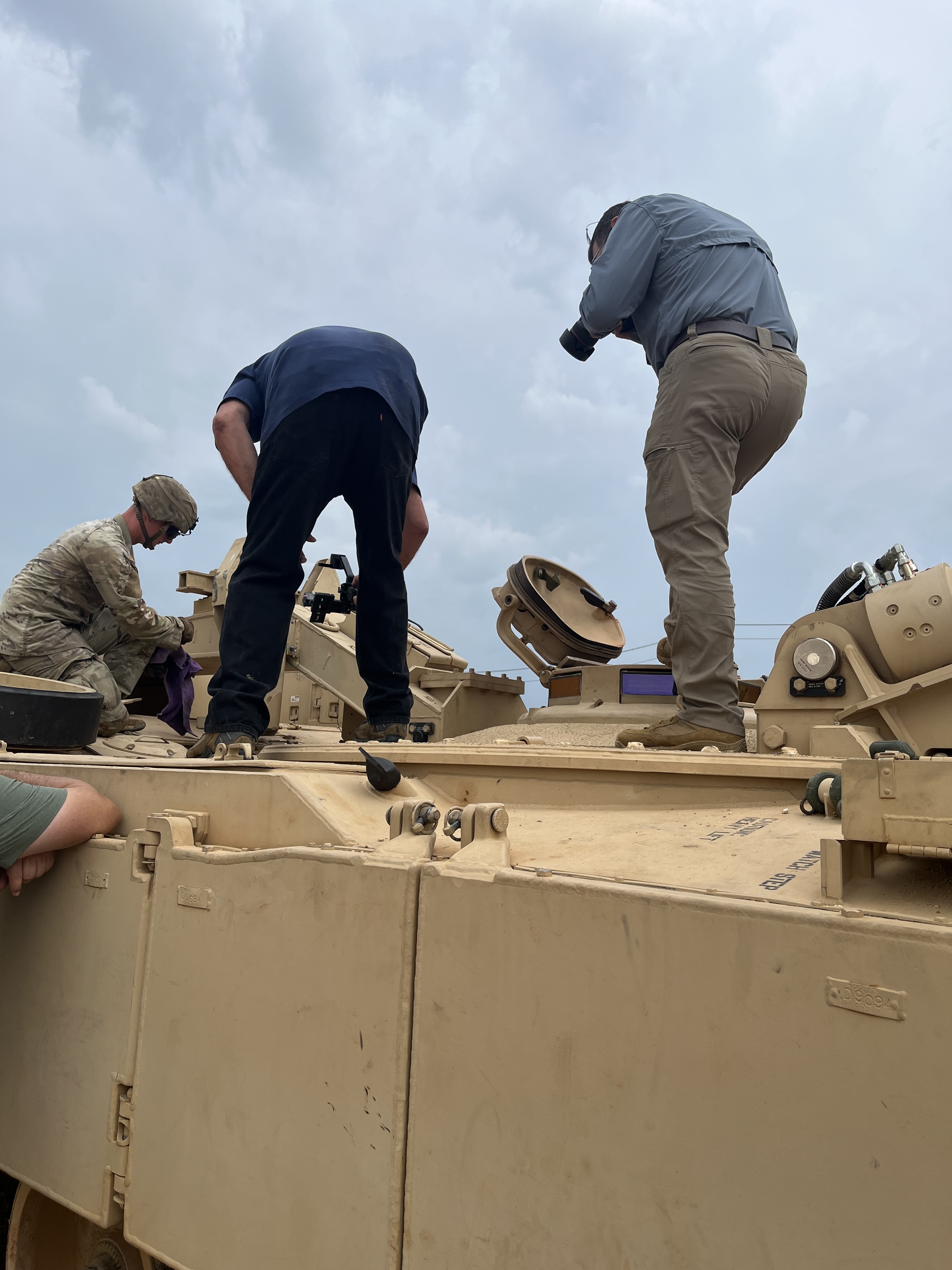
While studio interviews offer a controlled setting with optimal lighting and acoustics, they can sometimes come across as overly polished or generic. A location interview—conducted in an office, facility, job site, or other real-world setting—immediately lends context and believability to the story. Audiences get a glimpse into the working environment, which helps establish trust and reinforce brand identity. Whether it’s an architect discussing a design at a construction site or a healthcare provider sharing a patient story in a clinic, the environment becomes a character in the narrative.

Capturing Candidness and Comfort

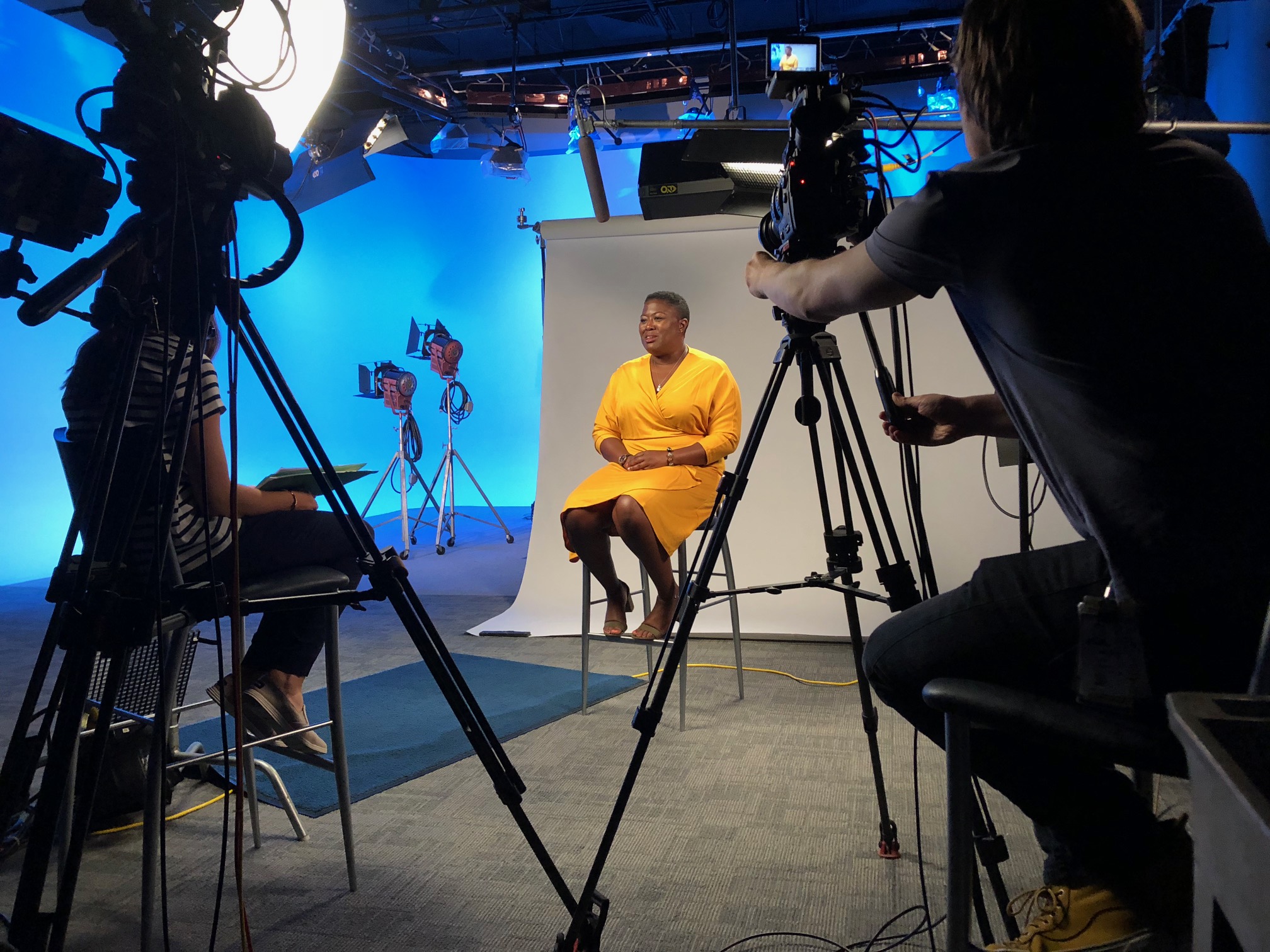
Many subjects feel more relaxed and natural in familiar surroundings. Studio lighting, large cameras, and boom mics can intimidate non-actors. But when someone is interviewed in their own space—be it a conference room, lab, or shop floor—they’re more likely to speak comfortably and confidently. That realness translates directly on camera, creating testimonials and interviews that feel human, heartfelt, and trustworthy.

Flexibility and Visual Impact

Location interviews also provide a dynamic range of visuals. B-roll opportunities abound, offering engaging cutaway shots that help illustrate the message and maintain audience interest. Instead of adding artificial props or fabricated backdrops, your brand’s real story is framed by its own environment. It’s not just what’s said that matters—it’s what’s seen.

When Location Isn’t Ideal

Of course, there are moments when studios win: controlled sound, professional lighting, custom backdrops, and privacy. Studio setups are often the best option for scripted videos, training content, or interviews that require numerous takes. However, for marketing-driven interviews, customer testimonials, or employee stories—especially when relatability is key—a location shoot often delivers more impact.

Hybrid Approaches: The Best of Both Worlds

At St Louis Video, we often recommend a hybrid strategy—interview on location, then bring select elements into the studio for follow-up visuals, voiceovers, or explainer segments. This ensures continuity in quality while maximizing the authenticity of the message.


Why Choose St Louis Video for Your Interview Production?

At St Louis Video, we understand the nuance of choosing the right setting for every interview. As a full-service professional commercial photography and video production company, we offer the equipment, experience, and creative insight necessary for high-impact interviews—whether on-site, in-studio, or both.

We provide:

  • Full-service studio and location video and photography
  • Expert editing and post-production
  • Licensed drone pilots for aerial context and dynamic visuals
  • Custom-built interview setups with lighting, sound, and camera operators
  • Private studio lighting designed for intimate sit-downs
  • A studio large enough to accommodate props and set pieces
  • AI-enhanced media services for maximum efficiency and adaptability
  • Expertise in repurposing your photography and video branding to reach broader audiences
  • In-depth knowledge of all media file types and styles

And yes—we can fly drones indoors.

Since 1982, St Louis Video has collaborated with countless businesses, marketing firms, and creative agencies throughout the St. Louis area. From testimonial interviews to brand stories, we bring your message to life—authentically and effectively.

Let’s keep it real. Let’s make your next video production resonate.


Want help deciding between a studio or location shoot for your next interview?
Contact St Louis Video today—we’ll help you find the perfect fit.

314-913-5626
stlouisvideos@gmail.com

Should You Script Testimonials? What Experts Say

In the world of corporate video production, testimonial videos have become a cornerstone of marketing strategy. A well-crafted testimonial can build trust, enhance credibility, and provide social proof to potential customers. However, a common question arises in the production process: Should testimonial videos be scripted?

Spontaneous responses often contain genuine emotion that resonates more strongly with viewers than a carefully crafted script.

The Argument for Scripting Testimonials

Some professionals argue that scripting testimonial videos ensures a polished and coherent message. Here are a few benefits of scripting:

  1. Consistency in Messaging – A script ensures that key selling points and brand messaging are clearly communicated. This prevents testimonials from veering off-topic or becoming too long-winded.
  2. Professionalism – A structured script can make a video appear more polished and well-produced, giving the impression of a high-quality production that aligns with a company’s brand standards.
  3. Legal and Compliance Requirements – In industries that require careful wording due to legal considerations, a script can help avoid liability issues and ensure accuracy.
  4. Time Efficiency – Testimonial recordings can be streamlined when participants know exactly what to say, reducing production time and post-production editing.

The Argument Against Scripting Testimonials

On the other hand, many video production experts advocate for an unscripted, natural approach. Here’s why:

  1. Authenticity – Customers and clients value authenticity. When testimonials feel overly scripted, they may come across as rehearsed and insincere, diminishing their impact.
  2. Emotional Connection – Spontaneous responses often contain genuine emotion that resonates more strongly with viewers than a carefully crafted script.
  3. Engagement and Relatability – Viewers are more likely to trust and connect with a person who speaks naturally and in their own words rather than reading off a script.
  4. Improvisation Leads to Unique Insights – An unscripted testimonial allows clients to express their experiences in a personal and memorable way that might not be captured in a rigid script.

The Best of Both Worlds: A Guided Approach

Rather than choosing between fully scripted or entirely spontaneous testimonials, the most effective approach is often a hybrid method:

  1. Provide Talking Points – Instead of a verbatim script, offer key points that guide the testimonial in the right direction while allowing natural expression.
  2. Pre-Interview Discussions – Before filming, discuss the main message with the participant so they feel prepared but not overly rehearsed.
  3. Multiple Takes – Allow multiple takes to capture the best version of the testimonial while keeping the delivery natural and engaging.
  4. Skilled Editing – In post-production, skilled editors can refine the footage to highlight the most compelling moments while maintaining authenticity.

How St Louis Video Can Help You Capture the Perfect Testimonial

At St Louis Video, we specialize in crafting compelling testimonial videos that align with your brand’s marketing goals. As a full-service professional commercial photography and video production company, we have the right equipment and creative expertise to ensure successful image acquisition.

Our services include:

  • Full-service studio and location video and photography – Whether in our fully equipped studio or at a client’s location, we provide high-quality production environments.
  • Editing and post-production – We fine-tune testimonials to enhance their authenticity while ensuring a professional final product.
  • Licensed drone pilots – We can incorporate aerial shots for dynamic testimonials.
  • Customizable productions – We tailor each project to fit diverse media requirements, repurposing photography and video branding for maximum traction.
  • Private studio lighting and set design – Our setup is perfect for small productions, allowing for well-lit, professional testimonial recordings.
  • Specialized drone operation, including indoor flights – We can create unique and engaging shots that elevate testimonial videos.

Since 1982, St Louis Video has worked with businesses, marketing firms, and creative agencies in the St. Louis area to produce high-quality marketing photography and video. Whether you prefer a scripted approach, an organic testimonial, or a mix of both, our experienced team will ensure your testimonial videos effectively engage and convert your audience.

Contact us today to bring your vision to life with professional testimonial video production.

314-913-5626
stlouisvideos@gmail.com

How to Edit B-Roll for a Smooth Interview Flow

Incorporating B-roll into interview footage is an essential skill for creating engaging and visually dynamic video content. When executed properly, B-roll enhances storytelling, maintains audience interest, and provides seamless transitions between key points in an interview. However, poorly edited B-roll can feel disjointed, distracting, or even reduce the impact of the message. Here’s a strategic approach to editing B-roll for a smooth interview flow.

Don’t overshadow the interview with excessive B-roll—let the words remain the focus.

1. Understand the Narrative

Before you begin editing, identify the key takeaways from the interview. Understanding the main message will help you choose B-roll that reinforces the story rather than just filling space. Ask yourself:

  • What is the core message of the interview?
  • Are there visual elements that complement the subject’s statements?
  • How can B-roll enhance the emotional impact of the interview?

2. Match B-Roll to Dialogue

For a seamless transition, your B-roll should directly relate to the spoken content. If an interviewee discusses a product, a process, or an event, your B-roll should visually represent that. Select footage that naturally connects to the speaker’s words, ensuring relevance and coherence.

For example:

  • If the interview is about company culture, include shots of employees collaborating.
  • If discussing a product launch, use footage of the product in action.
  • If talking about a significant achievement, show relevant milestone visuals.

3. Use Natural Cutaways to Enhance Engagement

Cutaways are essential for making interviews feel more natural and less like a static talking-head shot. Well-placed B-roll can:

  • Hide jump cuts when an interviewee stumbles or needs to be edited down.
  • Smooth transitions between different topics or segments.
  • Create a more immersive experience by visually supporting key points.

4. Timing and Pacing of B-Roll

A common mistake in editing is cutting to B-roll too soon or letting it linger too long. Here are key timing strategies:

  • Sync to key phrases: Introduce B-roll as the interviewee mentions relevant topics.
  • Avoid overuse: Don’t overshadow the interview with excessive B-roll—let the words remain the focus.
  • Match pacing: If the interview has an energetic tone, use quick-cut B-roll. For a more relaxed discussion, longer and smoother transitions work better.

5. Maintain Visual Consistency

To ensure a professional-looking final product, keep your B-roll stylistically consistent with the main interview footage. Consider:

  • Color grading: Ensure B-roll and interview footage have a uniform color scheme.
  • Lighting: Match lighting tones between B-roll and interview clips.
  • Framing and composition: Maintain a visual balance between interview shots and supplementary footage.

6. Leverage Motion to Maintain Engagement

To add cinematic quality, use subtle motion elements in B-roll, such as:

  • Slow-motion footage for dramatic emphasis.
  • Zoom-in or zoom-out effects to direct focus.
  • Panning shots to establish context.

Avoid abrupt or unnecessary movements that could be jarring to the viewer. Smooth motion transitions help maintain a cohesive visual narrative.

7. Use B-Roll to Bridge Gaps and Create Seamless Edits

There may be times when you need to edit out a portion of the interview. B-roll is the perfect tool to cover those cuts while keeping the audience engaged. If a response is cut for brevity or clarity, use relevant B-roll to fill the gap so the flow remains uninterrupted.

8. Consider Audio Overlays for Enhanced Storytelling

When using B-roll, natural sounds or soft background music can enhance engagement. If the B-roll features industry settings, adding ambient sounds can make the visuals feel more immersive. Avoid overpowering the dialogue—ensure the focus remains on the interviewee’s voice.

9. Test and Refine the Edit

After the first cut, review the edit multiple times. Ask for feedback from team members or clients to ensure the B-roll enhances the message rather than distracting from it. Make final adjustments to timing, color grading, and transitions before exporting the final version.

Why Choose St. Louis Video for Your Next Production?

At St. Louis Video, we understand the power of well-crafted visual storytelling. As a full-service professional commercial photography and video production company, we have the right equipment and an experienced creative crew to ensure successful image acquisition. Whether you need full-service studio or location video and photography, editing, post-production, or licensed drone pilots, we tailor each production to meet your specific media requirements.

One of our specialties is repurposing photography and video branding to maximize engagement across platforms. We’re well-versed in all file types, media styles, and accompanying software, ensuring seamless integration into your marketing strategy.

Our private studio lighting and visual setup is perfect for small productions and interview scenes, with enough space to incorporate props to round out your set. Whether you need a custom interview studio setup, sound and camera operators, or specialized equipment, we have everything required for a flawless production. Plus, our specialized drones can fly indoors, offering unique perspectives for your projects.

Since 1982, St. Louis Video has been a trusted partner for businesses, marketing firms, and creative agencies across St. Louis, delivering high-quality marketing photography and video content. Let us help you craft compelling visual narratives that elevate your brand and captivate your audience.

Ready to bring your vision to life? Contact St. Louis Video today!

314-913-5626
stlouisvideos@gmail.com

Short Video Ideas for Every Brand or Business

In today’s fast-paced digital landscape, short videos have emerged as a powerful tool for brands and businesses to communicate their message effectively. With platforms like Instagram, TikTok, and YouTube Shorts gaining immense popularity, businesses must adapt their marketing strategies to harness the potential of short-form video content. Here are some creative ideas for short videos that can elevate your brand’s presence and engage your audience.

Educational content not only engages viewers but also encourages them to return for more insights.

1. Behind-the-Scenes Sneak Peeks

Give your audience an exclusive look at what goes on behind the scenes. Whether it’s a glimpse of your production process, team brainstorming sessions, or event preparations, behind-the-scenes videos create a sense of transparency and connection with your brand. This type of content helps humanize your business and build trust with your audience.

2. Product Demonstrations

Short videos are ideal for showcasing your products in action. Create concise, engaging demonstrations that highlight the features and benefits of your offerings. Consider using a before-and-after format, testimonials, or even user-generated content to illustrate how your product solves a problem or enhances the customer’s life.

3. Customer Testimonials

Capture authentic customer experiences through short testimonial videos. These powerful endorsements can significantly influence potential buyers, as they provide social proof and build credibility. Encourage satisfied customers to share their stories, and consider incorporating compelling visuals or a brief Q&A format to make the content more engaging.

4. Quick Tips and Tricks

Position your brand as an industry expert by sharing valuable tips and tricks related to your niche. These can be quick how-to videos, hacks, or best practices that provide immediate value to your audience. Educational content not only engages viewers but also encourages them to return for more insights.

5. Event Highlights

If your business hosts or participates in events, create highlight reels showcasing the key moments. These videos can include guest speakers, product launches, or even fun activities that took place. Event highlights can generate excitement and serve as a promotional tool for future events.

6. Animated Explainers

For complex products or services, consider using animated explainer videos to simplify your message. Animation can effectively convey information in an engaging manner, making it easier for your audience to understand your offerings. Keep it short and focus on the main benefits to capture attention quickly.

7. Employee Spotlights

Highlighting your team members through short video profiles can foster a strong company culture and showcase the talent behind your brand. These videos can introduce team members, share their roles, and even include fun facts or personal stories. It helps potential clients connect with the people they will work with.

8. Challenges and Contests

Engage your audience by hosting video challenges or contests. Encourage customers to submit short videos using your product or showcasing their creativity related to your brand. Not only does this generate user-generated content, but it also builds a community around your brand.

9. Seasonal Promotions

Create short promotional videos around holidays or special occasions. Use festive themes and messaging to capture your audience’s attention and encourage them to take advantage of seasonal offers. This approach can enhance your brand’s visibility and drive sales during peak times.

10. Company Values and Mission

Share your company’s values, mission, and vision through impactful short videos. This content can resonate deeply with your audience, especially if they align with your brand’s ethos. Use compelling visuals and storytelling techniques to create an emotional connection.

Conclusion

Short videos present an incredible opportunity for brands to engage their audience and convey their message effectively. At St. Louis Video, we understand the importance of high-quality, customized video content that meets your specific needs. As a full-service professional commercial photography and video production company, we are equipped with the right tools and a creative crew to ensure successful image acquisition.

With over 40 years of experience, St. Louis Video specializes in full-service studio and location video and photography, editing, post-production, and licensed drone pilots. We can customize your productions to cater to diverse media requirements and excel at repurposing your photography and video branding for maximum traction.

Our private studio lighting and visual setup are perfect for small productions and interview scenes, allowing us to create tailored environments for your projects. We offer extensive support, from custom interview studio setups to providing sound and camera operators, ensuring every aspect of your production is handled with care.

Let us help you achieve the perfect video production, whether indoors or out. With St. Louis Video, you have a partner dedicated to bringing your vision to life, helping you engage your audience and elevate your brand presence.

314-913-5626
stlouisvideos@gmail.com

The Best Ways to Edit Your Marketing Video Interviews

Marketing video interviews are a powerful tool for businesses to build credibility, share success stories, and connect with their audience. Capturing the interview footage is just the first step; the real magic happens in the editing process. Editing not only ensures that your content is polished but also plays a crucial role in creating an engaging narrative that resonates with viewers. Here’s how you can effectively edit your marketing video interviews to maximize impact.

Text can be used to emphasize key points or highlight quotes from the interviewee. This ensures that even if viewers are watching without sound, they can still grasp the main message.

1. Start with a Clear Objective

Before diving into the editing process, it’s essential to understand the core objective of the interview video. Are you trying to convey customer satisfaction, highlight a new product, or showcase your company’s expertise? Having a clear focus will help guide the editing decisions, from the structure of the video to the choice of visuals and music.

Once the purpose is clear, it becomes easier to sift through interview footage and extract only the most relevant and compelling content.

2. Select the Best Clips

Interview footage can often be long and full of conversational filler. During the editing process, it’s important to identify and use only the most impactful and concise responses. Look for clips where the interviewee speaks clearly, with passion and authority. These clips should align with your marketing message.

Make sure to:

  • Remove any hesitations, “ums” and “ahs.”
  • Trim long-winded answers to stay focused on the core message.
  • Combine answers when necessary for clarity and conciseness.

A streamlined interview keeps viewers engaged and ensures that the message comes across without unnecessary distractions.

3. Add B-Roll for Visual Variety

While the interviewee’s talking head is important, too much of it can become visually monotonous. This is where B-roll footage comes in. B-roll provides visual context and breaks up the interview, making the video more dynamic.

For example, if the interview is about a product, include B-roll footage of the product being used. If the focus is on customer service, show your team in action, helping customers. B-roll not only reinforces the interviewee’s words but also keeps the audience visually engaged.

4. Incorporate Graphics and Text

Incorporating text overlays and motion graphics can be highly effective in enhancing marketing video interviews. Text can be used to emphasize key points or highlight quotes from the interviewee. This ensures that even if viewers are watching without sound, they can still grasp the main message.

Additionally, adding your company’s branding, logos, or call-to-action graphics can help make the video feel more polished and professional. Subtle yet effective motion graphics can also increase production value and ensure your brand is remembered.

5. Optimize for the Platform

Consider where your video will be published—whether it’s your website, YouTube, social media, or a landing page. Each platform has unique requirements. For example:

  • Social Media: Keep your videos short and to the point (1-2 minutes), and consider adding captions, as many viewers watch without sound.
  • Website: You may have more flexibility with length, so include a more detailed narrative.
  • YouTube: Focus on optimizing the title, description, and tags for SEO, while keeping the video engaging from the first few seconds to retain audience interest.

Tailoring your video’s format to the platform will ensure it’s effective wherever it’s shared.

6. Balance Music and Sound Effects

Background music can greatly enhance the tone of your video interview, but it’s crucial to strike the right balance. Music should complement the interview and not overpower the dialogue. Keep the volume low and choose tracks that align with the tone of the interview. If you are showcasing an inspirational story, uplifting music works well. For corporate updates, a more subdued, professional tone may be appropriate.

Sound effects can also be used sparingly to emphasize transitions or specific visuals, but they should never detract from the spoken content.

7. End with a Strong Call to Action

After viewers watch your marketing video interview, guide them on what to do next. Whether it’s visiting your website, contacting your team, or signing up for a newsletter, include a clear call to action at the end. This could be a combination of text, visuals, or even the interviewee themselves encouraging viewers to take the next step. A strong, actionable close reinforces the purpose of the video and helps convert viewers into leads.

8. Polish with Color Grading and Sound Editing

No matter how well-shot your interview is, editing is key to achieving a professional look. Color grading ensures that your video has a consistent and appealing look across all shots, whether they were taken in different lighting conditions or at various times. Meanwhile, sound editing ensures the audio is crisp, balanced, and free of distractions like background noise or hums.

Professional post-production teams, like those at St Louis Video, know how to fine-tune these elements to elevate the overall quality of your production.

Conclusion: St Louis Video – Your Partner for Professional Video Editing and Production

At St Louis Video, we understand that great video production is not just about recording; it’s about crafting a story that resonates with your audience. As a full-service professional commercial photography and video production company, we offer the right combination of equipment and creative expertise for successful image acquisition. Whether it’s through our studio or on-location, we provide full-service video and photography production, editing, and post-production services, as well as licensed drone pilots.

Our specialty lies in repurposing your photography and video branding to gain more traction in the marketplace. We’re well-versed in all media file types, styles, and the accompanying software. Our private studio lighting and visual setup is perfect for small productions and interview scenes, offering a versatile space that can be tailored to your production needs.

With over four decades of experience, we’ve worked with businesses, marketing firms, and agencies across St. Louis, delivering custom productions for various media requirements. From private interview studio setups to sound and camera operators, we’ve got everything you need to make your next video production flawless. We even fly specialized drones indoors!

When you partner with St Louis Video, you’re not just getting a production team—you’re getting a creative ally that’s committed to your success since 1982.

Ready to bring your next marketing video to life? Contact us today to get started!

FAQs When Combining Photography and Video in Your Company Production

In today’s dynamic marketing landscape, integrating photography and video into your company’s production can significantly amplify your brand’s visibility and engagement. However, navigating the intricacies of both mediums requires strategic planning and execution. Here, we address some of the most frequently asked questions to help you understand the nuances and optimize your production efforts.

Integrate photography and video seamlessly in your final output. For instance, use photographs to highlight key points in a video presentation or as engaging thumbnails for video content.

Why Combine Photography and Video?

1. Enhanced Storytelling

Combining photography and video enables you to tell a more compelling and comprehensive story. While photographs capture moments in time, videos add motion and sound, bringing those moments to life.

2. Improved Engagement

Studies show that content incorporating both images and videos garners more engagement. Videos can convey complex messages quickly, while photographs add a visual punch to your narrative.

3. Versatility in Content Use

Photographs and videos can be repurposed across various platforms and campaigns, from social media posts and website content to presentations and advertisements.

What Are the Key Considerations for a Combined Production?

1. Consistency in Style

Maintaining a consistent style across both photography and video is crucial. This includes the use of colors, lighting, and overall aesthetic to ensure your brand’s identity is cohesive and recognizable.

2. Planning and Scripting

Careful planning and scripting are essential. Outline the key messages and goals for your production. Determine which elements are best captured as photos and which should be filmed. This ensures that both mediums complement each other and convey your intended message effectively.

3. Technical Aspects

Consider the technical aspects such as lighting, camera settings, and framing. Ensure that the equipment used for both photography and video can produce high-quality results that meet your standards.

How to Optimize the Use of Photography and Video Together?

1. Seamless Integration

Integrate photography and video seamlessly in your final output. For instance, use photographs to highlight key points in a video presentation or as engaging thumbnails for video content.

2. Storyboarding

Create a storyboard to visualize the flow of your production. This helps in planning the sequence of shots and ensuring that both photographs and videos align with your narrative.

3. Post-Production

Invest in professional editing and post-production. This not only enhances the quality of your content but also ensures that both photographs and videos are polished and aligned with your brand’s message.

Common Challenges and How to Overcome Them

1. Budget Constraints

Combining photography and video can be cost-intensive. Prioritize your goals and allocate your budget accordingly. Consider working with a full-service production company that can offer bundled services for cost efficiency.

2. Time Management

Coordinating a production that involves both photography and video requires meticulous scheduling. Plan your shoot days to maximize efficiency and minimize downtime.

3. Technical Expertise

Lack of technical expertise can hinder the quality of your production. Partner with professionals who have the necessary skills and experience to deliver high-quality results.

Why Choose St Louis Video for Your Combined Production Needs?

At St Louis Video, we are a full-service professional commercial photography and video production company with the right equipment and creative crew to ensure successful image acquisition. We offer comprehensive services, including:

  • Full-service studio and location video and photography
  • Expert editing and post-production
  • Licensed drone pilots for aerial shots

We customize productions to meet diverse media requirements and are adept at repurposing your photography and video branding to maximize impact. Our proficiency in all file types, media styles, and accompanying software ensures your content is versatile and ready for any platform.

Our private studio is ideal for small productions and interview scenes, with ample space for props to enhance your set. From providing sound and camera operators to specialized indoor drones, we have everything to make your next production flawless.

St Louis Video has partnered with numerous businesses, marketing firms, and agencies in the St. Louis area, delivering exceptional corporate photography and video solutions. Let us help you elevate your brand with our expertise and comprehensive production capabilities.

314-913-5626
stlouisvideos@gmail.com