How Thermal Drone Inspections Reveal Hidden Leaks in Commercial Buildings

Commercial buildings rarely fail overnight. Roof systems slowly saturate, parapet walls trap moisture, and aging mechanicals start to sweat and drip behind ceilings and facades. By the time visible staining, bubbling, or mold appears, the damage is already expensive—and often disruptive to operations.

Thermal drone inspections change that timeline.

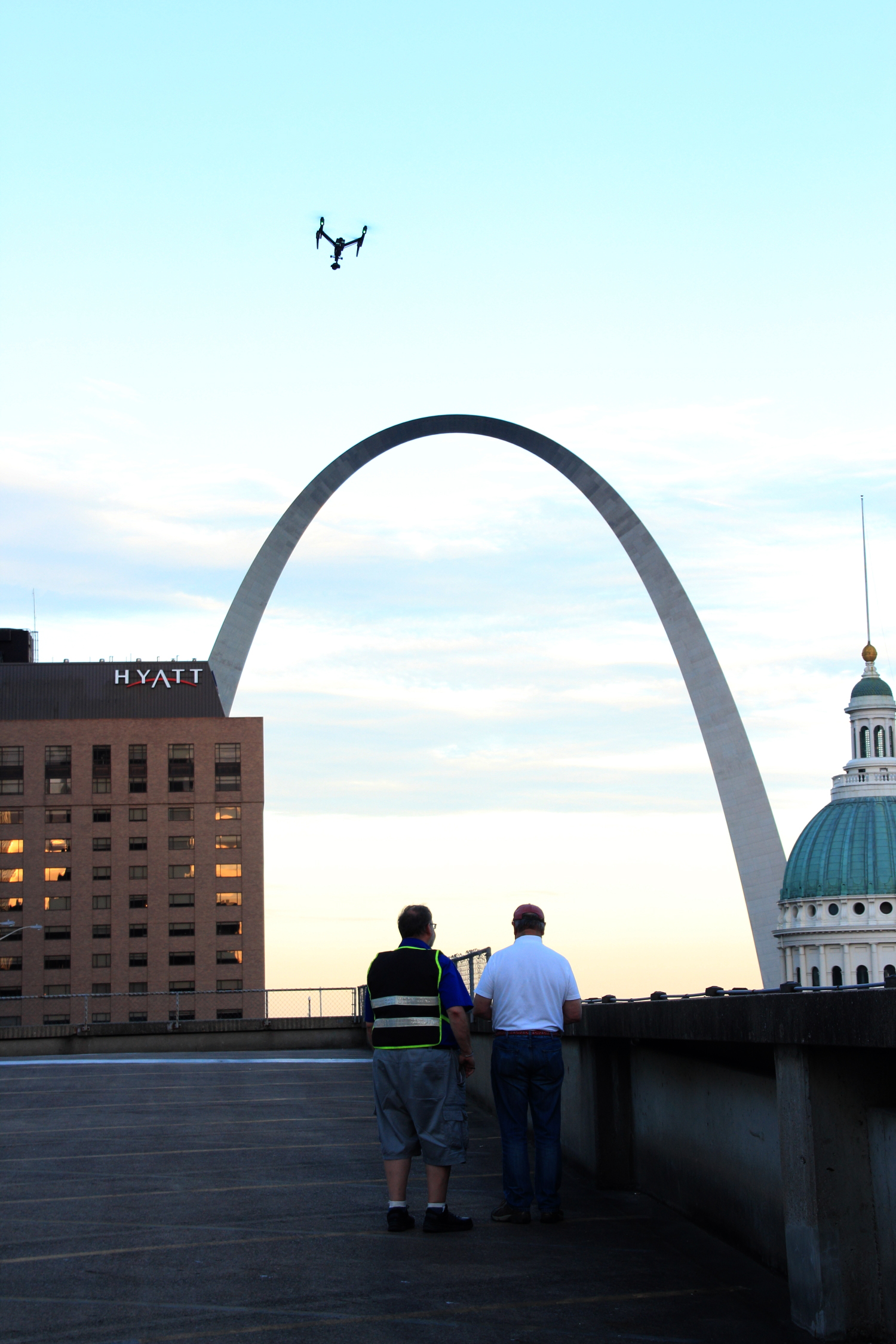
By combining high-resolution RGB cameras with radiometric thermal sensors, modern drones can detect hidden leaks and moisture buildup long before they become a crisis. For property owners, facility managers, and marketing decision makers, this isn’t just a “cool new toy”—it’s a practical risk-management and storytelling tool that protects assets and provides powerful visuals for stakeholder communication.

In this article, we’ll break down how thermal drones work, why they’re so effective for commercial properties, and how to integrate this technology into your maintenance, capital planning, and marketing workflows.


Why Moisture Is the Silent Killer of Commercial Buildings

Water intrusion is one of the most common causes of premature building failure. On commercial properties, the usual suspects include:

  • Flat and low-slope roofs that pond water and slowly saturate insulation
  • Poorly sealed penetrations around HVAC units, vents, skylights, and parapet walls
  • Clogged drains and gutters that push water back toward the structure
  • Aging or failed membranes that allow slow seepage instead of dramatic leaks
  • Hidden plumbing leaks in ceilings, walls, or under slab areas

The problem isn’t just the water itself; it’s what happens over time:

  • Insulation loses R-value and drives energy costs up
  • Structural elements weaken or corrode
  • Mold growth becomes a health and liability issue
  • Interior finishes and tenant spaces are damaged
  • Insurance claims and deductibles eat into budgets

Traditional inspections—walking the roof, looking for blisters or standing water, cutting test cores—are limited. They’re labor-intensive, often disruptive, and still rely heavily on “visible” symptoms. Thermal drones let you see the invisible phase of moisture problems.


How Thermal Drones Detect Hidden Leaks and Moisture

The basics of thermal imaging

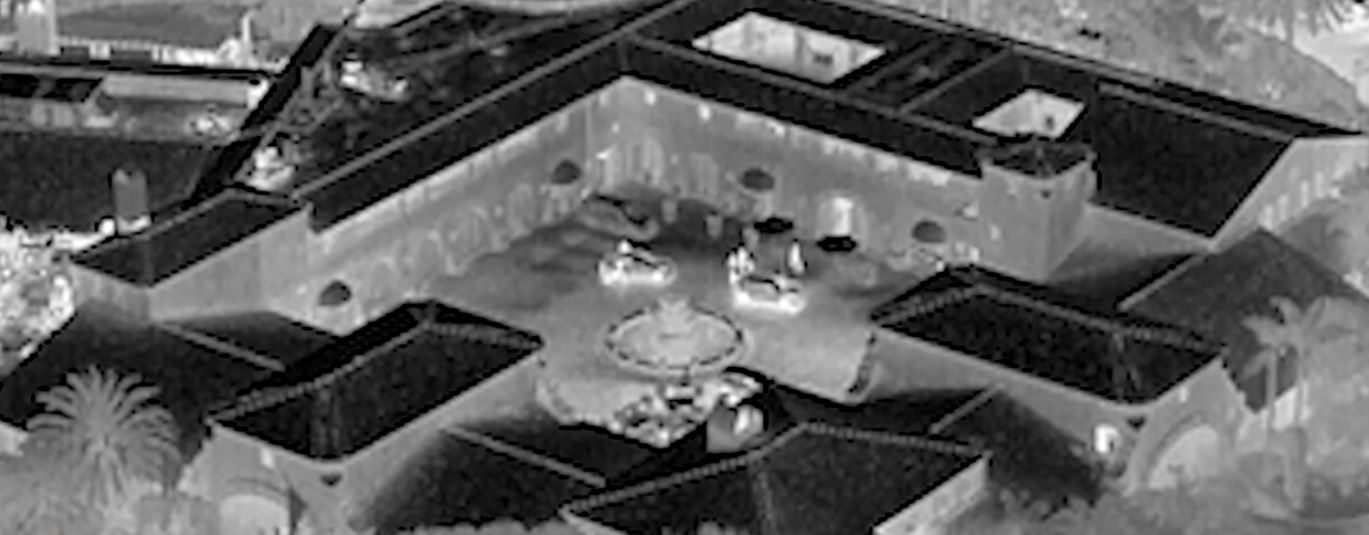
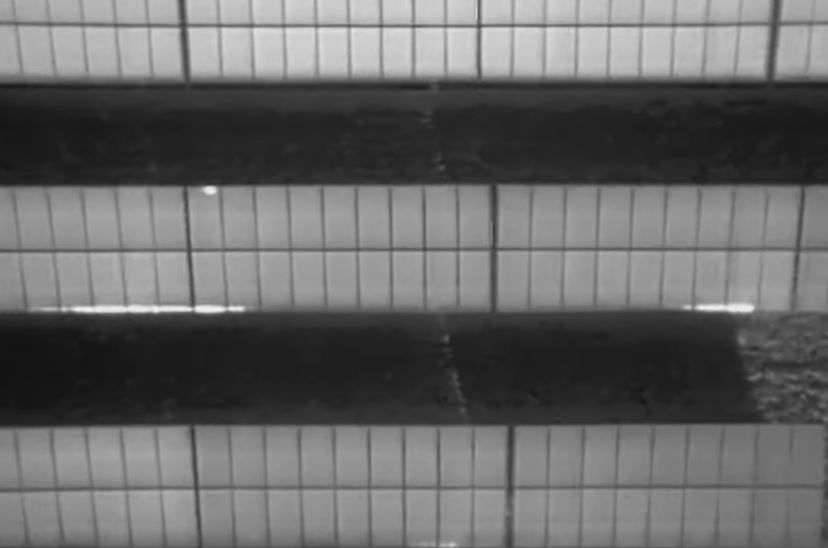
Thermal cameras don’t see light; they see surface temperature variations. Wet materials heat and cool differently than dry ones. On a commercial roof, for example:

  • During the day, the sun warms the roof surface
  • After sunset, dry areas cool at a certain rate
  • Wet or saturated areas retain heat longer and appear as distinct hot or cold zones

A drone equipped with a high-quality thermal (FLIR-type) sensor can capture this temperature pattern across the entire roof or building envelope in a matter of minutes.

Why drones are better than handheld thermal alone

Handheld thermal cameras are useful, but they’re limited to line-of-sight and require physical access. Drones add several advantages:

  • Full-system coverage – Roofs, facades, parapets, mechanical yards, parking decks, even elevated signage
  • Consistent vantage point – Stable altitude and flight path provide repeatable results over time
  • Speed – Large roofs and multi-building campuses can be scanned in a single flight window
  • Safety – No need for technicians to walk questionable roof areas or work near unprotected edges

The result is a complete thermal map of the building, not just a handful of spot checks.


Ideal Conditions for Thermal Drone Leak Detection

Effective thermal work isn’t guessing—it’s controlled imaging under the right conditions. A professional thermal drone inspection typically considers:

  • Time of day
    • Early evening or early morning often provides the best differential between wet and dry materials.
  • Weather conditions
    • Clear or partly cloudy is preferred. Heavy rain, snow cover, or high winds can degrade results.
  • Recent rainfall
    • Some moisture is needed; too little and there may be nothing to detect, too much and everything looks uniformly wet.
  • Surface types and emissivity
    • Different roofing materials, coatings, and metals emit heat differently and must be interpreted correctly.

A serious provider will never tell you “thermal works any time, under any conditions.” Instead, we plan flight windows to give you meaningful, interpretable data—backed by visual RGB images and, when appropriate, ground-truth verification.


Key Use Cases on Commercial Properties

1. Flat and low-slope roof systems

This is the most common application—and often the highest ROI.

Thermal drone inspections can help:

  • Pinpoint saturated insulation beneath membranes
  • Identify compromised seams and flashing areas
  • Locate ponding water zones that may not be obvious from ground level
  • Prioritize repairs vs. replacement based on moisture patterns

Instead of replacing an entire roof based on age alone, property owners can make targeted repairs where saturation is highest and extend the life of the remaining system. That’s capital allocation backed by visual evidence.

2. Exterior walls, facades, and parapets

Moisture doesn’t only come from above. Poor flashing, compromised expansion joints, and window failures can allow water into wall systems.

Thermal drones can:

  • Scan full facades quickly on multi-story buildings
  • Reveal hidden moisture pockets behind cladding or masonry
  • Help document potential water paths around windows, balconies, and transitions

Combined with close-up RGB visuals, these scans become powerful documentation for engineers, contractors, and insurers.

3. Mechanical yards and rooftop equipment

HVAC units, ducting, vents, and penetrations are frequent leak points.

Thermal drones can help identify:

  • Condensate drainage issues
  • Duct insulation failures
  • Hot and cold spots indicating air leakage or water intrusion around curbs

This is especially valuable when you’re coordinating roof work with mechanical upgrades—using thermal imaging to ensure both trades are working from the same visual data.

4. Parking structures and decks

In multi-level parking structures, trapped moisture can accelerate concrete deterioration and reinforcement corrosion.

Thermal mapping can:

  • Highlight areas retaining moisture longer than adjacent surfaces
  • Support preventive maintenance planning
  • Provide before/after documentation for repairs and sealing projects

From Flight to Action: Deliverables That Decision Makers Can Use

Thermal drone inspections are only as valuable as the clarity of the deliverables. Decision makers need more than “pretty pictures”—they need actionable, understandable outputs.

A well-structured inspection typically includes:

  • Orthomosaic thermal maps of roofs or facades
  • Side-by-side thermal and visible-light imagery for context
  • Annotated images and callouts showing likely leak or saturation zones
  • Video flythroughs for leadership presentations and board updates
  • Summary findings and recommended next steps from an experienced imaging team

For marketing and communication teams, these visuals are also a storytelling asset: powerful, easy-to-understand images that illustrate proactive maintenance, ESG initiatives, and stewardship of facilities.


Limitations and the Importance of Proper Interpretation

Because you’re likely skeptical (and rightly so), it’s important to acknowledge what thermal drone inspections do not do:

  • They don’t see through materials – they detect surface temperature differences, which must be interpreted in context.
  • They don’t replace core cuts or invasive tests when engineering confirmation is required.
  • They can produce false positives if the surface is contaminated, reflective, or influenced by unrelated heat sources.

This is why experience matters. A team that understands building science, roofing systems, and imaging principles is far more valuable than a pilot with a drone and a thermal sensor. The technology is powerful—but the interpretation and documentation are what drive real ROI.


Where Thermal Drones Fit in Your Asset Strategy

For owners, managers, and marketing decision makers, thermal drone inspections can support:

  • Proactive maintenance planning – Identify issues early and budget repairs over time.
  • Capital expenditure justification – Visual evidence helps boards and stakeholders understand why major projects are necessary.
  • Insurance documentation – Pre- and post-event imaging can support claims and show prior condition.
  • Tenant communication – Demonstrate due diligence in maintaining safe, efficient, and dry facilities.
  • Brand positioning – Show that your organization uses modern tools and data-driven decision making.

When integrated with regular visual inspections, engineering assessments, and asset management plans, thermal drone work becomes a repeating data layer—not a one-off stunt.


How St. Louis Video Supports Thermal Drone Inspections and Visual Storytelling

At St. Louis Video, we approach thermal drone work the same way we approach every production: with a focus on clarity, reliability, and real-world use.

Our team combines:

  • Experienced videographers and photographers who understand composition and clarity
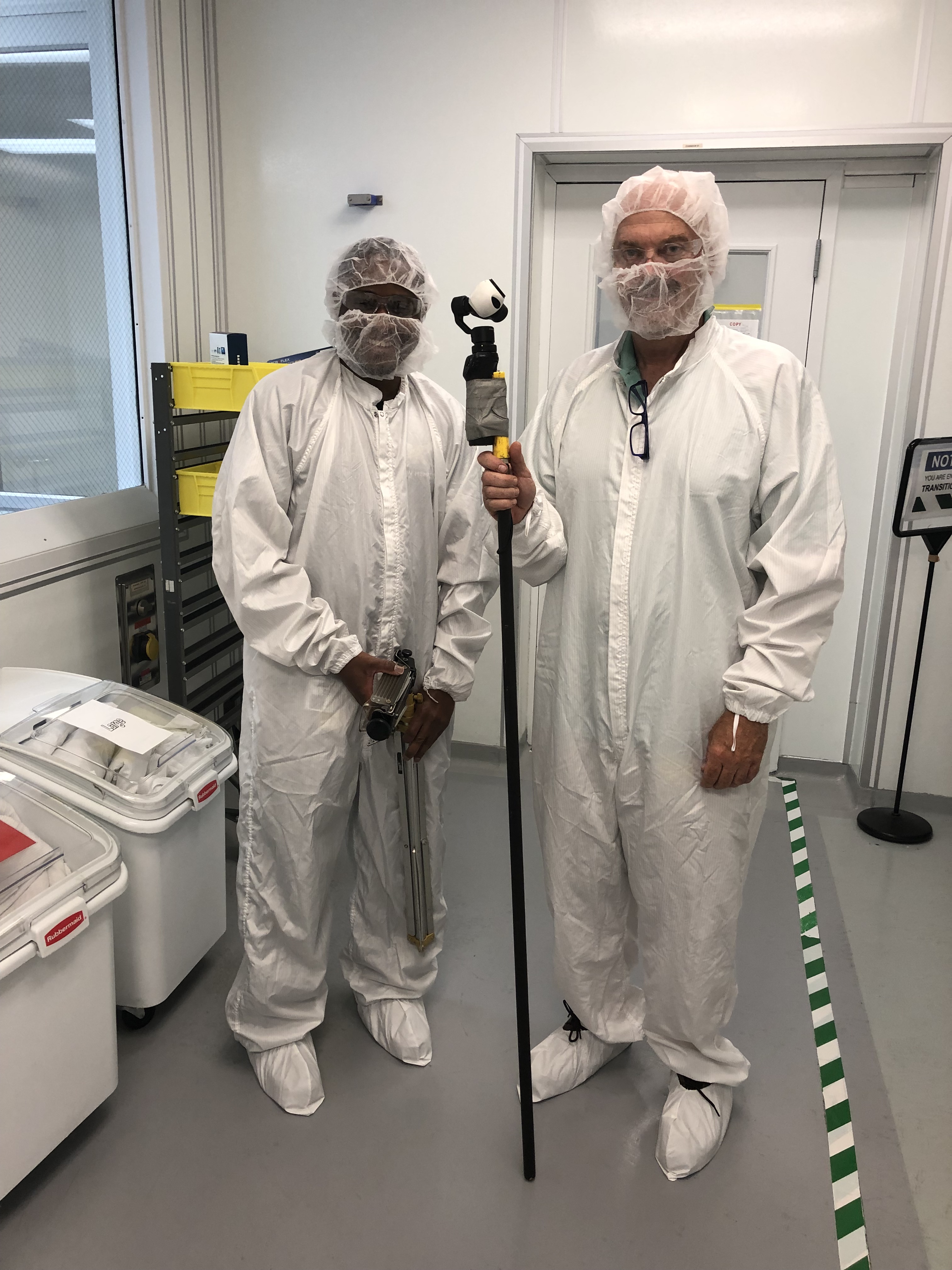
  • Licensed drone pilots familiar with commercial airspace, site safety, and indoor flight challenges
  • Editors and post-production specialists who turn raw data into clean, usable deliverables
  • AI-driven workflows that help classify, organize, and present imagery efficiently across platforms

We don’t just “fly and hand off files.” We collaborate with your facilities, marketing, and leadership teams to ensure the visuals we capture support real decisions—whether that’s prioritizing roof repairs, documenting successful remediation, or telling a compelling story about your organization’s stewardship of its properties.


Partnering with St. Louis Video for Your Next Inspection or Production

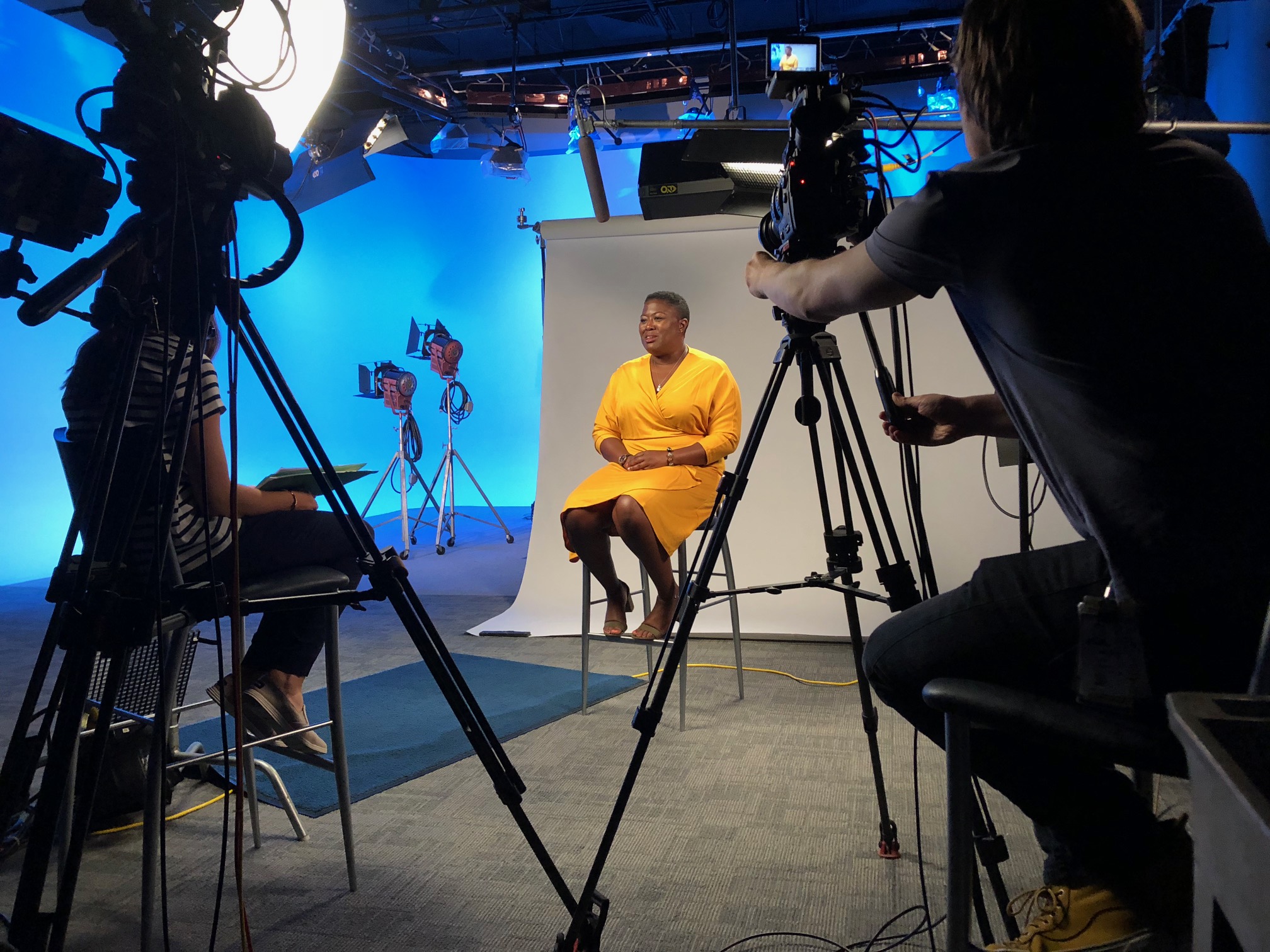
Experienced St. Louis Video is a full-service professional commercial photography and video production company with the right equipment and creative crew service experience for successful image acquisition. We offer full-service studio and location video and photography, as well as editing, post-production and licensed drone pilots. St. Louis Video can customize your productions for diverse types of media requirements. Repurposing your photography and video branding to gain more traction is another specialty. We are well-versed in all file types and styles of media and accompanying software. We use the latest in Artificial Intelligence for all our media services. Our private studio lighting and visual setup is perfect for small productions and interview scenes. Our studio is large enough to incorporate props to round out your set. We support every aspect of your production—from setting up a private, custom interview studio to supplying professional sound and camera operators, as well as providing the right equipment—ensuring your next video production is seamless and successful. We can fly our specialized drones indoors. As a full-service video and photography production corporation, since 1982, St. Louis Video has worked with many businesses, marketing firms and creative agencies in the St. Louis area for their marketing photography and video.

314-913-5626
stlouisvideos@gmail.com

B-Roll, Budget Moves That Elevate Your Edit.

In the competitive landscape of business and organizational marketing, compelling visual content is no longer a luxury, but a necessity. While grand productions often steal the spotlight, the true magic in effective video storytelling often lies in the subtle yet powerful impact of well-executed B-roll. For decision-makers in photography, marketing, and video production services, understanding how to maximize the impact of B-roll, even with budget constraints, is a game-changer.

B-roll, for the uninitiated, refers to supplemental or alternative footage intercut with the main shot. It’s the visual texture that adds depth, context, and emotional resonance to your primary narrative, whether that’s an interview, a product demonstration, or a corporate announcement. Skimping on B-roll can leave your content feeling flat and unengaging, but with strategic planning and creative execution, you can achieve professional results without breaking the bank.

Strategic Planning: Your First Line of Defense Against Budget Overruns

The most effective way to save money on B-roll is to plan meticulously. Before a single frame is shot, ask yourself:

  • What is the core message? Every piece of B-roll should reinforce or enhance your primary narrative. Don’t just shoot for the sake of it.
  • Who is your audience? Understanding your target demographic will guide your aesthetic choices and help you select relevant visuals.
  • What emotions do you want to evoke? B-roll is excellent for setting tone and mood. Do you want to convey professionalism, innovation, warmth, or efficiency?
  • What existing assets can be repurposed? Do you have high-quality stills, graphics, or even older video clips that can be cleverly integrated?
  • Create a detailed shot list. This is non-negotiable. Break down your main story into segments and identify specific B-roll shots that will complement each. This minimizes wasted time and ensures you capture everything you need.

By front-loading your planning, you can significantly reduce the amount of time spent on location, optimize equipment usage, and streamline the editing process, all of which translate directly to cost savings.

Creative Techniques for Budget-Friendly B-Roll

Once your planning is in place, it’s time to get creative with your execution. Here are some expert tips for generating impactful B-roll without a Hollywood budget:

  1. Embrace Natural Light: Good lighting is paramount, but it doesn’t always require expensive gear. Utilizing natural light—whether it’s the soft glow of a window, the golden hour outdoors, or dappled sunlight—can produce stunning, professional-looking results.Tip: Position your subjects strategically relative to light sources and use reflectors (even DIY ones like white foam board) to bounce light and fill shadows.
  2. Focus on Detail and Abstraction: Sometimes the most compelling B-roll isn’t a wide shot, but an intimate close-up. Think about the textures, movements, and small details that tell a story about your product, service, or people. This could be hands at work, a close-up of a product’s unique feature, or the subtle expressions on an employee’s face. These shots require minimal setup but offer rich visual information.
  3. Utilize Available Resources (and People): Look around your office, facility, or location for interesting backgrounds, props, and even willing “talent” among your staff. Authentic, unscripted moments of people working or interacting can be incredibly powerful. Ensure you have the necessary releases if you’re featuring identifiable individuals.
  4. Master Camera Movement (or Lack Thereof): While cinematic camera movements are enticing, simple, stable shots can be just as effective. A steady tripod shot focusing on a specific action, or a slow, deliberate pan can convey professionalism and focus. If you do want movement, invest in a basic slider or gimbal for smooth, controlled motion. Even a well-executed handheld shot (with careful technique) can add a documentary feel.
  5. Vary Your Angles and Perspectives: Don’t get stuck at eye level. Experiment with high-angle shots looking down, low-angle shots looking up, and unique perspectives that offer a fresh view of your subject matter. This adds visual interest and keeps your audience engaged.
  6. Consider Time-Lapse and Hyperlapse: For capturing processes, busy environments, or environmental changes, time-lapse and hyperlapse photography are excellent budget-friendly options. Many modern cameras (and even smartphones with dedicated apps) can perform these functions with ease, creating dynamic B-roll that compresses time effectively.
  7. Optimize for Repurposing: Think about how your B-roll can serve multiple purposes. Can a single shot be used in a corporate video, a social media clip, and a website header? Shooting with versatility in mind means you get more mileage out of each piece of footage, maximizing your investment.

The St. Louis Video And Photo Advantage

At St. Louis Video And Photo, we understand that successful image acquisition is about more than just a camera and a vision; it’s about combining expert technical skill with creative insight and strategic planning, especially when working within budget constraints. As a full-service professional commercial photography and video production company since 1982, we bring a wealth of experience to every project.

We boast the right equipment and a creative crew service experience honed over decades, ensuring successful image acquisition from concept to final delivery. We offer comprehensive studio and location video and photography services, alongside advanced editing and post-production capabilities. Our licensed drone pilots provide stunning aerial perspectives, including the unique ability to fly specialized drones indoors for dynamic interior shots.

St. Louis Video And Photo specializes in customizing productions to meet diverse media requirements, and a key aspect of our expertise is repurposing your photography and video branding to gain maximum traction. We are well-versed in all file types and styles of media and accompanying software, staying at the forefront of industry trends. In fact, we leverage the latest in Artificial Intelligence for all our media services, enhancing efficiency and creative output.

Our private studio offers the perfect controlled environment for small productions and interview scenes, with professional lighting and visual setups. It’s spacious enough to incorporate a variety of props to round out your set, providing a customized backdrop for your message. From setting up a private, custom interview studio to supplying professional sound and camera operators and the right equipment, we support every aspect of your production, ensuring your next video endeavor is seamless and successful.

For businesses, marketing firms, and creative agencies in the St. Louis area seeking unparalleled marketing photography and video, St. Louis Video And Photo is your trusted partner for visual excellence.

314-913-5626
stlouisvideos@gmail.com

Beyond the Boredom: Crafting Safety Training Videos That Workers Actually Watch

In the dynamic landscape of modern business, safety isn’t just a buzzword – it’s a fundamental pillar of operational success, employee well-being, and regulatory compliance. Yet, for many organizations, safety training videos often conjure images of monotonous lectures, dated visuals, and glazed-over employee eyes. At St Louis Video And Photo, we understand that effective safety training isn’t about simply checking a box; it’s about creating content that genuinely engages, informs, and ultimately protects your most valuable asset: your workforce.

As experienced videographers, photographers, and producers, we’ve witnessed firsthand the transformative power of well-crafted visual storytelling. The key to “making safety training videos that workers actually watch” lies in moving beyond the didactic and embracing approaches that resonate with today’s visually-driven audiences.

The Problem with Traditional Safety Videos

The typical safety training video often falls short for several reasons:

  • Information Overload: A deluge of technical jargon without context or practical application can overwhelm viewers.
  • Lack of Engagement: Static shots, disembodied voiceovers, and a lack of relatable scenarios fail to capture and hold attention.
  • Irrelevance: Generic content that doesn’t directly address the specific risks and procedures of a particular workplace can feel disconnected.
  • Repetitive and Stale: Using the same old videos year after year leads to viewer fatigue and a diminished impact.

Strategies for Engaging Safety Training

So, how do you break free from the mold and create safety training videos that workers not only watch but actively learn from?

1. Embrace Storytelling and Real-World Scenarios

Instead of listing rules, illustrate consequences and best practices through narratives. Show a relatable character making a mistake and the subsequent impact, or demonstrating the correct procedure in a clear, concise manner. This humanizes the training and makes the information stick. Consider using:

  • “What If” Scenarios: Present a hazardous situation and then show the correct intervention.
  • Employee Testimonials (Carefully Scripted): Hearing from peers about how a safety procedure helped them can be powerful.
  • Mini-Dramas: Even short, simple scenarios can create an emotional connection and reinforce the message.

2. Keep it Concise and Modular

Attention spans are shorter than ever. Break down complex topics into smaller, digestible modules. Each module can focus on a single concept, making it easier for viewers to absorb and recall information. Think micro-learning: short, impactful videos (3-5 minutes) that can be accessed on demand. This also allows for greater flexibility in training schedules.

3. High-Quality Production Values Matter

A professionally produced video signals that your organization takes safety seriously. This doesn’t necessarily mean Hollywood budgets, but it does mean clear audio, crisp visuals, appropriate lighting, and thoughtful editing. Shaky camera work, poor sound, and distracting backgrounds undermine credibility.

4. Incorporate Interactive Elements

Engaging doesn’t just mean watching; it means participating. Consider integrating:

  • Quizzes and Knowledge Checks: Embed questions directly into the video to test comprehension.
  • Decision Points: Allow viewers to make choices within a scenario to see the different outcomes.
  • Augmented Reality (AR) or Virtual Reality (VR) Elements (where applicable): For highly complex or dangerous scenarios, immersive technologies can provide invaluable hands-on experience in a safe environment.

5. Leverage Visuals and Graphics Effectively

“Show, don’t just tell” is a golden rule in video production. Use:

  • Animations and Motion Graphics: To explain complex processes or illustrate abstract concepts.
  • Infographics: To present data or key statistics in an easily digestible format.
  • Clear Demonstrations: Physically show the correct way to operate equipment, don PPE, or perform a task.

6. Tailor to Your Audience and Workplace

Generic safety videos rarely hit the mark. Customize your content to reflect the specific risks, equipment, and culture of your organization. This makes the training feel relevant and valuable to your employees.

7. Update Regularly

Safety protocols evolve, and so should your training materials. Regularly review and update your videos to ensure they reflect current best practices, equipment, and regulations. This also keeps the content fresh and prevents viewer fatigue.

Why St Louis Video And Photo is Your Partner in Effective Safety Training

At St Louis Video And Photo, we are more than just a production company; we are your strategic partner in creating compelling and effective visual content. Since 1982, we have been a full-service professional commercial photography and video production company, equipped with the right tools and a seasoned creative crew to ensure successful image acquisition for businesses and organizations across the St. Louis area.

We offer comprehensive studio and location video and photography services, alongside expert editing, post-production, and licensed drone pilots. Our capabilities extend to customizing productions for diverse media requirements, and we specialize in repurposing your photography and video branding to maximize reach and impact. We are fluent in all file types, media styles, and accompanying software, staying ahead with the latest in Artificial Intelligence for all our media services.

Our private studio boasts optimal lighting and visual setups, perfect for small productions, professional interviews, and incorporating props to create a complete set. We support every facet of your production—from designing a custom interview studio to providing professional sound and camera operators, and supplying cutting-edge equipment—all to guarantee a seamless and successful video production. Our expertise even includes flying specialized drones indoors for unique perspectives.

Having collaborated with numerous businesses, marketing firms, and creative agencies in St. Louis for over four decades, St Louis Video And Photo possesses the experience and insight to transform your safety training from a mandatory chore into an engaging, educational, and ultimately life-saving experience. Let us help you produce safety videos that workers actually watch, understand, and apply, fostering a safer, more productive environment for everyone.

314-913-5626
stlouisvideos@gmail.com

Lens-Level Polish: Why Teleprompters Create Professional-Looking Videos

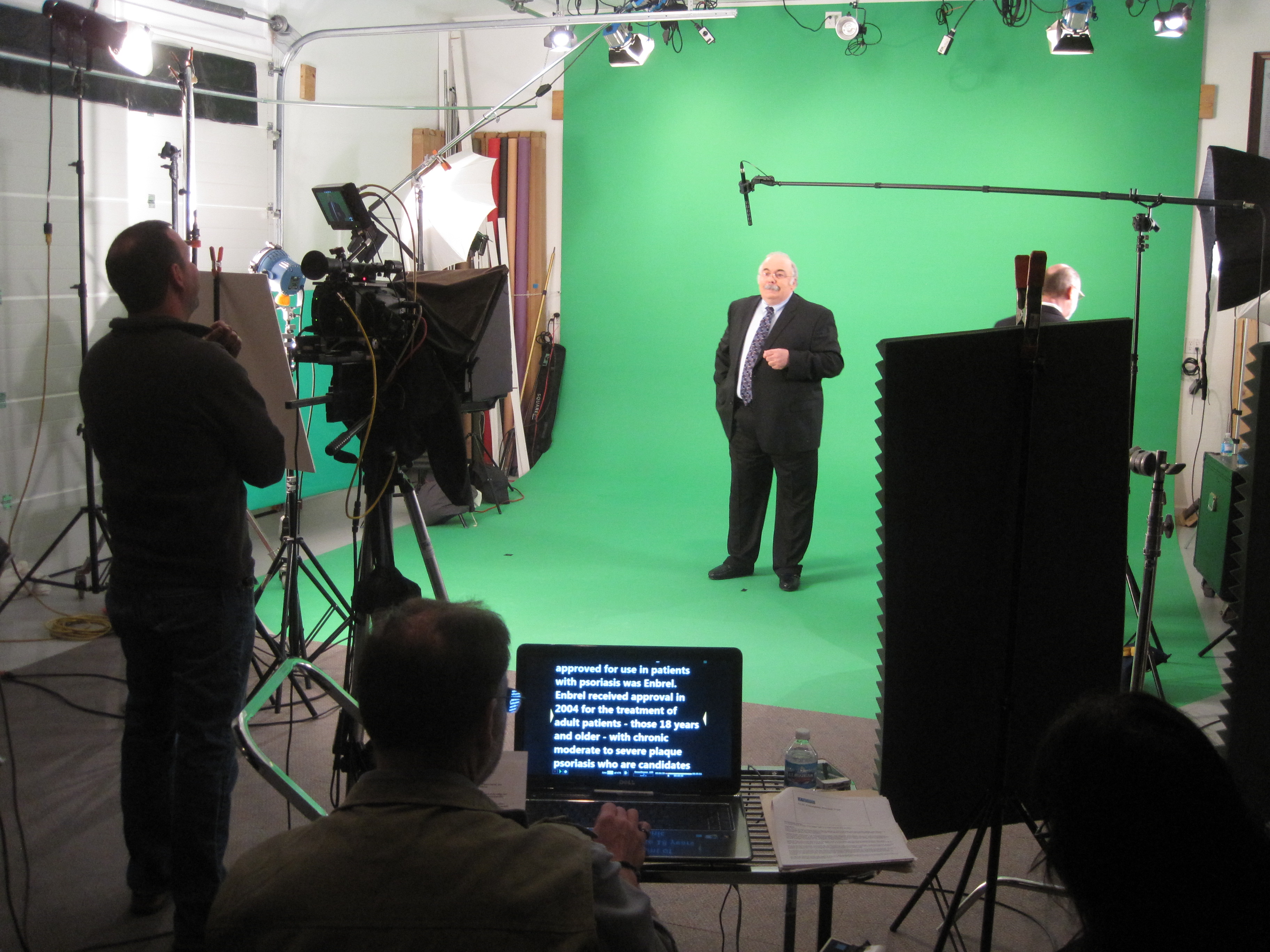
For executives, engineers, clinicians, and sales leaders who don’t live on camera, a teleprompter is the fastest path to polished delivery. It doesn’t make people sound robotic—poor setup and coaching do. With the right script, optics, and operator, a teleprompter frees your talent to focus on presence while your brand stays on message.

Why Teleprompters Work (For Non-Actors, Too)

  • Cognitive relief: No memorization. Working memory goes to tone, pace, and connection.
  • Message fidelity: Brand, legal, and technical language are delivered accurately.
  • Schedule control: Fewer restarts and pickups reduce crew hours and room time.
  • Consistency at scale: Multiple speakers, one voice—ideal for product lines and multi-market rollouts.

Best Use Cases

  • Leadership announcements and culture messages
  • Product explainers and regulated claims
  • Training modules and onboarding
  • Fundraising and investor updates
  • Multi-language/localized content (script-first translation)

Script Engineering: Write for the Mouth, Not the Page

  • Pacing: 120–140 words per minute for non-professional talent; shorten dense sentences.
  • Structure: One idea per sentence. Favor active voice and concrete nouns.
  • Readability: Sentence case, short lines, generous line breaks; avoid all caps in body copy.
  • Pronunciation: Add phonetics for jargon and names (e.g., “biologics (bye-oh-LAH-jiks)”).
  • Performance cues: Light markers—[beat], [smile], [gesture small], [hold]—to shape cadence.
  • Two versions: A Full script for complete info and a Tight script for time-boxed reads.
  • Compliance: Lock “do-not-change” claims early and highlight them for the operator.

Optics & Lighting That Flatter Prompter Reads

  • Lens choice: Full-frame 85–135mm (or 50–85mm on Super35) to compress micro eye movement.
  • Camera distance: Back the camera up; use longer focal length to maintain intimacy without eye drift.
  • Prompter glass size: Larger beamsplitter for slower readers—less visible eye travel.
  • Brightness balance: Match prompter luminance to key light to avoid squinting and reflections.
  • Eyeglasses: Slightly tilt prompter glass and adjust key/fill angles to eliminate double-reflections.
  • Line of sight: Align copy to the optical center of the lens—1–2 inches off looks “shifty.”

Coaching: Natural Over “Newsreader”

  • Warm-ups: Two fast “throwaway” takes to lift energy and settle nerves.
  • Thought chunking: One idea per breath; operator pauses at commas and resumes on the inhale.
  • Eye focus: “Look through the lens, not at the words.” We place the lens behind the copy’s focal area.
  • Hands & posture: Ground stance, unlock knees, invite purposeful hand movement in-frame.
  • Energy ladder: Record passes at 90%, 100%, and 110% intensity; select per brand tone.
  • Safety takes: One conversational paraphrase for authenticity, one precise read for compliance.

The Operator: Your Hidden Superpower

A dedicated prompter operator (separate from camera and director) listens, anticipates, and rides speed/emphasis live. They also:

  • Manage last-minute script updates and create section bookmarks
  • Insert visual signposts (— dashes, • bullets) to cue phrasing
  • Coordinate with sound for breath-friendly pacing and with gaffer for glare control

Remote, Live, and Hybrid Setups

  • Remote executives: Compact camera-mounted prompter with return video for live eyeline coaching.
  • Webinars & keynotes: Confidence monitors near lens; headlines in the prompter keep presenters off slide-reading.
  • Field shoots: Lightweight units for mobile crews; battery-backed tablets as contingency.
  • AI assists (pre-production): Timing forecasts, readability passes, and pronunciation maps to set scroll targets.

When Not to Teleprompt (Or When to Go Hybrid)

  • Emotion-first testimonials: Use guided beats instead of verbatim lines.
  • Rapid dialog or banter: Bullet prompts or IFB ear cues often play more naturally.
  • Hands-on demos: Teleprompt for open/close; let the demo breathe with beat-level notes.

Risk Management & Compliance

  • Route scripts through brand/legal before shoot day; highlight locked lines.
  • Capture a clean “compliance take” with slower pace and clear enunciation.
  • Pre-plan captions and translations at the script stage to avoid post compromises.

What Decision Makers Can Measure

  • Retake reduction: Lower crew hours and studio rental time
  • Fewer approvals cycles: Pre-approved language plus accurate reads
  • Message consistency: Cross-functional alignment across regions and teams
  • Asset reuse: Script-aligned captions, cutdowns, and social snippets delivered faster

Troubleshooting Quick Hits

  • Looks like “reading”: Increase glass size, back the camera up, bump focal length, slow scroll.
  • Glare on glasses: Adjust key angle, dim prompter, add polarizer if needed.
  • Eye drift: Re-center copy; ensure talent stands square to lens.
  • Tripping over jargon: Add phonetics; split long nouns across lines.
  • Tech failure: Keep a synced tablet backup and printed Tight script on set.

Producer Checklist

Pre-Production

  • Lock Full + Tight scripts; add phonetics and performance cues
  • Approve claims/legal language; highlight “do-not-change” lines
  • Book large-glass unit and dedicated operator for long or technical copy
  • Choose lens package (85–135mm FF equivalent); build lighting plan for anti-glare
  • Schedule 20 minutes per speaker for warm-ups

On Set

  • Match prompter brightness to key; confirm eyeline alignment with a 20–30s test read
  • Run two high-energy throwaways; capture keeper takes at natural pace
  • Record paraphrase (authenticity) and compliance (precision) passes
  • Slate sections for easy post assembly and caption sync

Post

  • Generate captions directly from final script (no drift)
  • Deliver vertical/square cutdowns using script-aligned hooks
  • Archive scripts, approvals, and pronunciation notes for future sessions

Sample Script Excerpt (Prompter-Friendly)

[smile] “If your team makes great products but struggles to tell the story on camera, there’s a fix. A pro teleprompter lets real people sound like themselves—while staying perfectly on message.” [beat] “Today, I’ll show you how we standardize delivery across teams without draining calendars.” [gesture small] “Let’s get started.”


About St Louis Video and Photo

Since 1982, St Louis Video and Photo has helped businesses, marketing firms, and creative agencies across the St. Louis area produce confident, on-brand video and photography. We’re a full-service professional commercial photography and video production company with the right equipment and a seasoned creative crew for successful image acquisition. We offer full-service studio and location video and photography, along with editing and post-production, and licensed drone pilots. St Louis Video and Photo can customize your productions for diverse media requirements, and we specialize in repurposing your photography and video branding to gain more traction across channels. We’re well-versed in all file types and styles of media and accompanying software, and we use the latest Artificial Intelligence across our media services for speed and consistency. Our private studio lighting and visual setup is perfect for small productions and interview scenes, and our studio is large enough to incorporate props to round out your set. We support every aspect of your production—from setting up a private, custom interview studio to supplying professional sound and camera operators, as well as providing the right equipment—ensuring your next video production is seamless and successful. And yes, we can fly our specialized drones indoors.

314-913-5626
stlouisvideos@gmail.com

How to Make Your B-Roll More Interesting: Proven Techniques for Stronger Visual Storytelling

When it comes to video production for business and marketing, B-roll is often underestimated—yet it’s the connective tissue that gives your story visual richness, depth, and professionalism. While A-roll may be the on-camera interviews or primary narrative footage, B-roll provides essential context, texture, and emotion. The quality of your B-roll can elevate your final production—or expose it as generic and uninspired.

As experienced video professionals at St Louis Video, we’ve seen the difference between passable and powerful B-roll, and we’ve developed strategies that ensure every frame works to support your message, engage your audience, and reinforce your brand identity.

What Makes B-Roll Effective?

At its core, effective B-roll does three things:

  1. Supports the Narrative – It enhances or illustrates what’s being said in your A-roll.
  2. Adds Visual Energy – It breaks up static shots and brings movement, texture, and variation.
  3. Reinforces the Brand – Every frame is an opportunity to reflect your company’s values, culture, and professionalism.

Strategies for Making B-Roll More Interesting

1. Shoot for Emotion, Not Just Coverage

B-roll shouldn’t be treated as filler. Avoid simply capturing “someone typing” or “people shaking hands.” Instead, focus on storytelling moments—expressions, reactions, small details that convey mood or meaning. Emotionally driven visuals resonate more deeply with viewers.

2. Use Cinematic Composition

Apply the same care to your B-roll as you would to your hero shots. Utilize leading lines, the rule of thirds, foreground/background layering, and negative space to give visual depth. Movement—whether it’s a gentle slider push or a purposeful handheld walk-through—adds a layer of energy and interest.

3. Light With Intention

Don’t rely solely on ambient lighting. Even B-roll benefits from intentional lighting setups. Use practical lights or simple modifiers to create contrast and sculpt the scene. If you’re shooting in an office, bounce a key light for a more polished look, or add a backlight to separate your subject from the background.

4. Incorporate Unique Angles and Perspectives

Get low, shoot overhead, move behind objects, or frame through windows and doorways. Interesting angles can create visual intrigue and help break the monotony of traditional business video tropes.

5. Use Movement to Your Advantage

Whether it’s camera movement (dolly, gimbal, drone) or subject movement (walking, working, interacting), dynamic motion brings your B-roll to life. Drone footage, for instance, can add cinematic scale even in simple office exterior shots.

6. Leverage Slow Motion or Speed Ramping

These techniques, when used purposefully, can add drama or highlight specific actions. Slow motion gives weight and emphasis to otherwise mundane activities. Just avoid overusing it—it should support the mood, not distract from it.

7. Capture Natural Sound and Texture

Sometimes, B-roll isn’t just about what you see. Capturing ambient sound (coffee machines, chatter, industrial noises) can enhance authenticity and later be layered into your final edit for realism and immersion.

8. Match B-roll to Script and Storyboards

Don’t wait until post-production to make B-roll decisions. Align it with your messaging and script. Plan ahead to capture visuals that directly reinforce key talking points or transitions in your final video.


Why Work with St Louis Video for Compelling B-Roll?

At St Louis Video, we understand that powerful B-roll is never an afterthought—it’s an integral part of strategic visual storytelling. As a full-service professional commercial photography and video production company, we have the tools, talent, and techniques to ensure your B-roll not only meets industry standards—but exceeds expectations.

With decades of experience since 1982, our creative crew and modern equipment ensure successful image acquisition in any environment—studio, on-location, or in the air. Our licensed drone pilots can fly both outdoors and indoors for shots that add scope and cinematic flair. Whether you need sleek office visuals, industrial workflows, or event environments captured with artistry, we deliver.

Our private studio setup is optimized for interview scenes and small productions with controlled lighting, while our editing and post-production experts ensure your B-roll is clean, color-graded, and seamlessly integrated into your larger project. We are fluent in all file types, styles of media, and editing software, and we incorporate AI-driven media enhancement to increase visual fidelity and performance.

We specialize in repurposing video and photo content across platforms—turning one shoot into multiple branded assets, driving greater ROI. Whether you’re collaborating with a creative agency or need a self-contained solution, St Louis Video supports every aspect of your production.

If you’re ready to transform your brand’s content with visuals that command attention and engage audiences, St Louis Video is your partner in professional video storytelling.


Contact us today to learn how we can customize your next production with engaging, purposeful B-roll that makes your message unforgettable.

314-913-5626
stlouisvideos@gmail.com

Seamless Perspectives: How to Smoothly Blend Ground Footage with Drone Shots for Compelling Business Videos

In today’s competitive content landscape, professional video production is no longer a luxury—it’s a necessity. For businesses and organizations looking to tell their story visually, the most engaging productions often combine both ground-level cinematography and dynamic aerial footage. But while drone shots can elevate the production value of a video, poorly integrated transitions between ground and aerial shots can disrupt the viewer’s experience and dilute your message.

At St Louis Video, we’ve spent decades mastering the art of blending these two distinct perspectives to create visually rich, cohesive, and compelling content that resonates with audiences and reinforces brand authority. Here’s how to do it right.


1. Plan for the Blend in Pre-Production

The secret to seamlessly integrating drone and ground footage begins before you press record. During pre-production, define your project’s narrative arc and determine where aerial footage can best enhance the story—whether that’s an opening establishing shot, a transitional sequence, or a visual climax. Consider shot types, camera movement, lighting consistency, and scene pacing so both aerial and ground teams are aligned.

At St Louis Video, our creative team works collaboratively to storyboard sequences that take advantage of the dynamic contrast between drone and ground angles, ensuring every shot has a purpose and fits smoothly into the larger visual narrative.


2. Match Camera Settings and Frame Rates

One of the most common missteps in mixing aerial and ground video is failing to match frame rates, shutter speeds, and color profiles. Whether you’re capturing footage on a drone-mounted camera or a ground-based cinema rig, consistency is key. If your drone shoots in 4K at 24fps and your ground camera records in 30fps, you’ll encounter jarring discrepancies in motion and feel.

Our operators at St Louis Video standardize camera settings across all equipment to maintain a professional and uniform aesthetic, making the footage easier to edit and far more fluid on screen.


3. Use Motion to Bridge the Gap

Visual motion is a powerful editing tool when blending perspectives. For example, a tracking ground shot of a vehicle or person moving forward can cut seamlessly into a drone’s forward-moving shot from above. Matching movement direction and speed helps the eye transition naturally, creating an uninterrupted flow that keeps the viewer immersed.

Whether we’re filming a logistics company’s fleet rolling out or a real estate development’s landscape reveal, we use movement cues to ensure edits feel intentional and cinematic.


4. Mind Your Light and Weather Conditions

A sunny drone shot won’t pair well with a cloudy ground sequence. Lighting mismatches not only undermine the production quality but also draw attention to the edit. That’s why we closely monitor weather conditions and schedule both aerial and ground shoots under similar lighting conditions for seamless integration.

Additionally, our drone pilots and ground crews are in constant communication on shoot days to adjust to changing light and adapt accordingly—something many less experienced crews overlook.


5. Color Grading Ties It All Together

Even with perfectly matched shots, raw footage often requires color grading to bring both perspectives into alignment. Drone cameras typically have different sensors and color science than ground cameras. In post-production, we apply consistent LUTs (Look-Up Tables), contrast adjustments, and saturation tuning to unify the look and feel of the entire video.

At St Louis Video, our in-house editors specialize in color matching across devices, ensuring your brand’s visual identity remains consistent from the ground to the sky.


6. Add Subtle Sound Design for Continuity

Sound is an often-overlooked ally in visual transitions. By layering continuous ambient audio or well-chosen music tracks over both drone and ground scenes, you help the viewer’s ear bridge the visual transition. Fading in natural sounds like wind, footsteps, or city ambiance adds realism and maintains engagement.


Why Choose St Louis Video for Ground + Drone Integration?

At St Louis Video, we specialize in professional video production that blends storytelling, technical expertise, and artistic vision. Since 1982, we’ve served businesses, marketing firms, and creative agencies in the St. Louis region with full-service studio and on-location video and photography production.

Whether you need sweeping drone footage, polished ground-level cinematography, or smooth transitions that make both look like part of the same scene, we’ve got the experience and equipment to make it happen. Our private studio space is tailored for interview and product shoots, and our certified drone pilots can even fly indoors when the location requires it.

We’re not just capturing footage—we’re crafting cohesive content that gets results. From AI-enhanced post-production to creative repurposing of your brand’s visual assets, we handle every detail to ensure your message lands with clarity and impact.

Let St Louis Video help you elevate your next production—from ground to sky, and everything in between.

314-913-5626
stlouisvideos@gmail.com

Keep It Real: When Location Interviews Win Over Studios

In today’s media-saturated landscape, authenticity is the new currency. Consumers are more skeptical than ever of overly produced content that feels disconnected from real experiences. For businesses and organizations looking to connect meaningfully with their audience, location-based interviews have emerged as a powerful tool to convey honesty, culture, and credibility—sometimes even outperforming traditional studio setups.

The Power of Authentic Environments

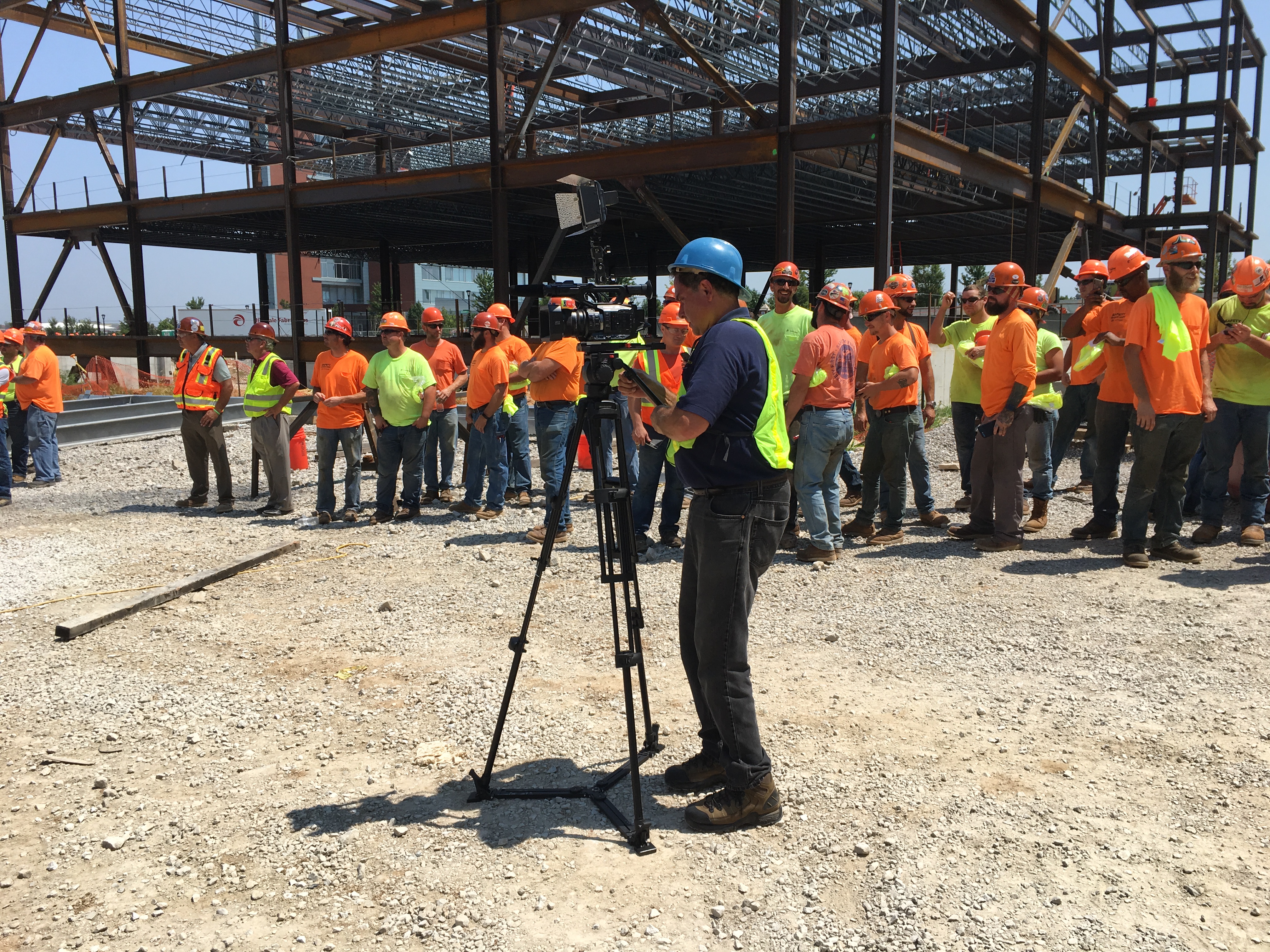
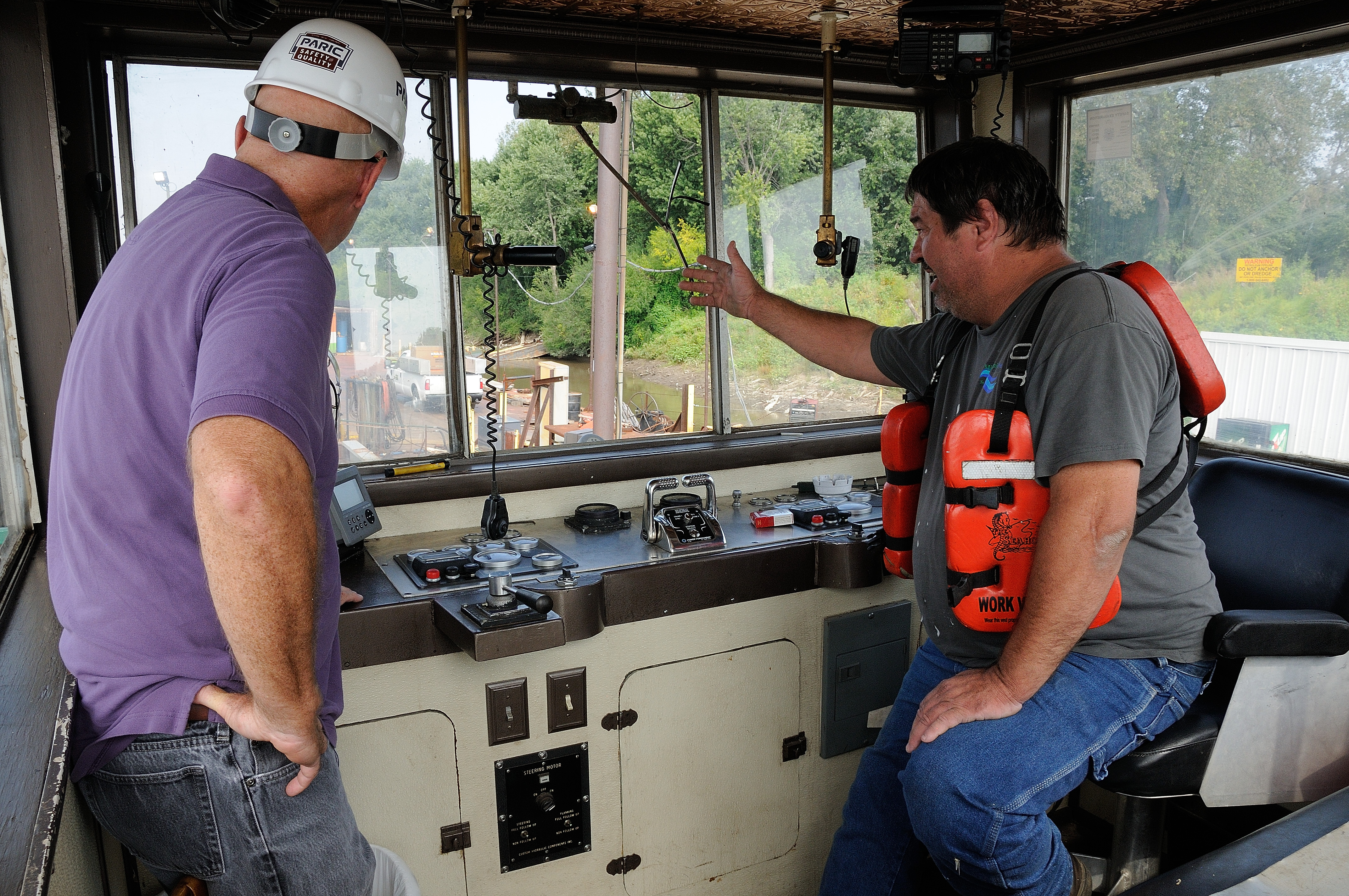
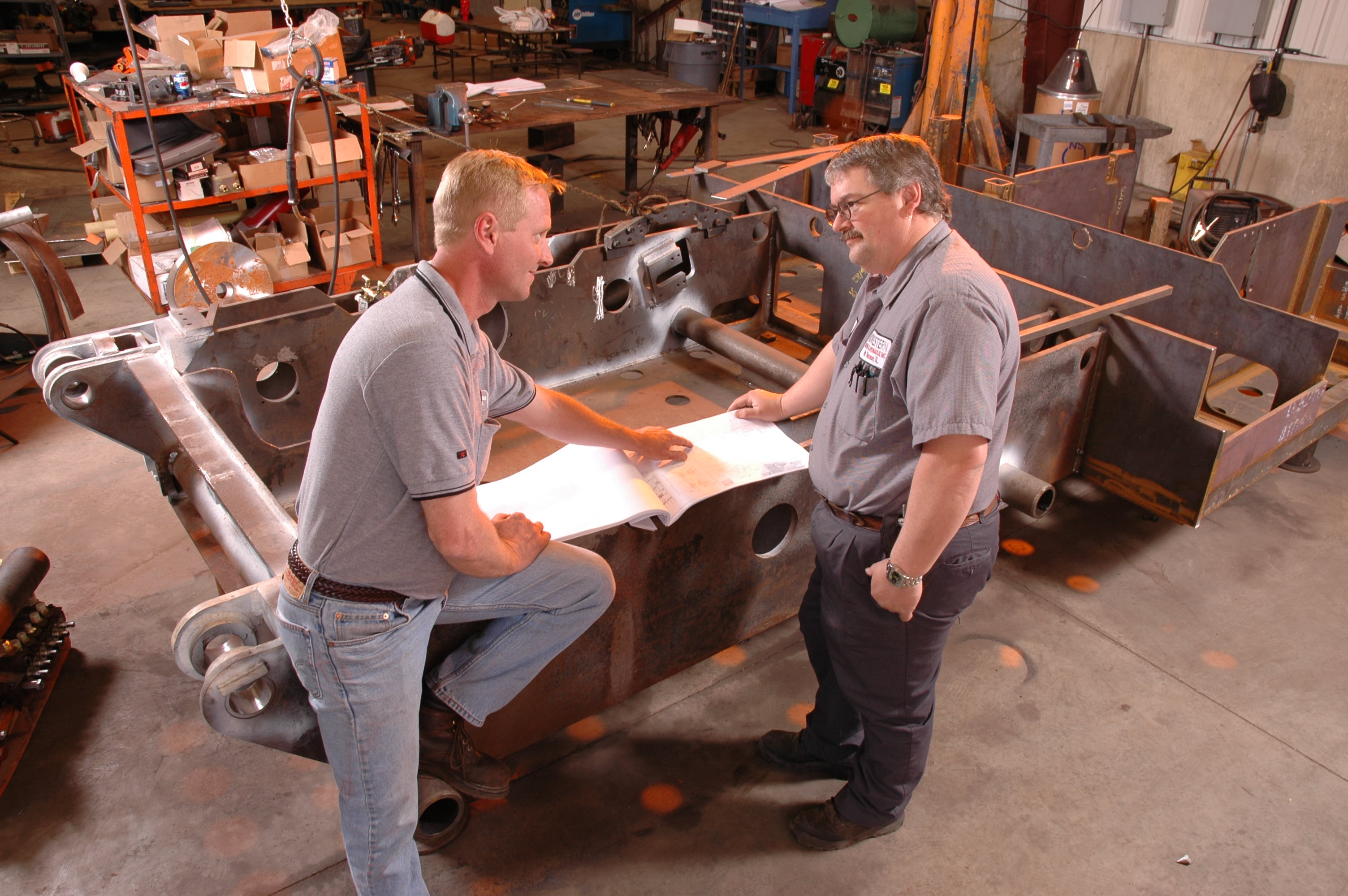
While studio interviews offer a controlled setting with optimal lighting and acoustics, they can sometimes come across as overly polished or generic. A location interview—conducted in an office, facility, job site, or other real-world setting—immediately lends context and believability to the story. Audiences get a glimpse into the working environment, which helps establish trust and reinforce brand identity. Whether it’s an architect discussing a design at a construction site or a healthcare provider sharing a patient story in a clinic, the environment becomes a character in the narrative.

Capturing Candidness and Comfort

Many subjects feel more relaxed and natural in familiar surroundings. Studio lighting, large cameras, and boom mics can intimidate non-actors. But when someone is interviewed in their own space—be it a conference room, lab, or shop floor—they’re more likely to speak comfortably and confidently. That realness translates directly on camera, creating testimonials and interviews that feel human, heartfelt, and trustworthy.

Flexibility and Visual Impact

Location interviews also provide a dynamic range of visuals. B-roll opportunities abound, offering engaging cutaway shots that help illustrate the message and maintain audience interest. Instead of adding artificial props or fabricated backdrops, your brand’s real story is framed by its own environment. It’s not just what’s said that matters—it’s what’s seen.

When Location Isn’t Ideal

Of course, there are moments when studios win: controlled sound, professional lighting, custom backdrops, and privacy. Studio setups are often the best option for scripted videos, training content, or interviews that require numerous takes. However, for marketing-driven interviews, customer testimonials, or employee stories—especially when relatability is key—a location shoot often delivers more impact.

Hybrid Approaches: The Best of Both Worlds

At St Louis Video, we often recommend a hybrid strategy—interview on location, then bring select elements into the studio for follow-up visuals, voiceovers, or explainer segments. This ensures continuity in quality while maximizing the authenticity of the message.


Why Choose St Louis Video for Your Interview Production?

At St Louis Video, we understand the nuance of choosing the right setting for every interview. As a full-service professional commercial photography and video production company, we offer the equipment, experience, and creative insight necessary for high-impact interviews—whether on-site, in-studio, or both.

We provide:

  • Full-service studio and location video and photography
  • Expert editing and post-production
  • Licensed drone pilots for aerial context and dynamic visuals
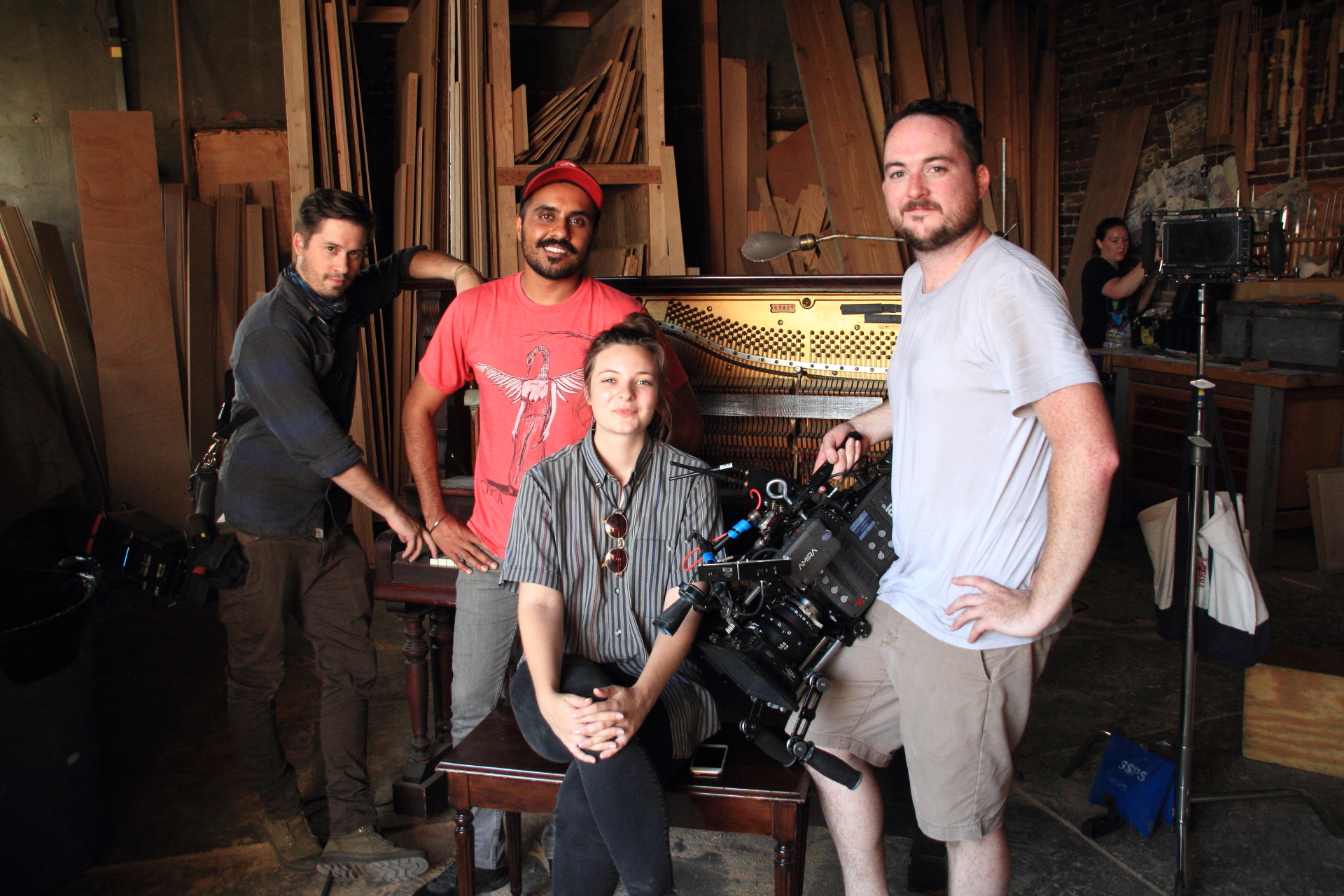
  • Custom-built interview setups with lighting, sound, and camera operators
  • Private studio lighting designed for intimate sit-downs
  • A studio large enough to accommodate props and set pieces
  • AI-enhanced media services for maximum efficiency and adaptability
  • Expertise in repurposing your photography and video branding to reach broader audiences
  • In-depth knowledge of all media file types and styles

And yes—we can fly drones indoors.

Since 1982, St Louis Video has collaborated with countless businesses, marketing firms, and creative agencies throughout the St. Louis area. From testimonial interviews to brand stories, we bring your message to life—authentically and effectively.

Let’s keep it real. Let’s make your next video production resonate.


Want help deciding between a studio or location shoot for your next interview?
Contact St Louis Video today—we’ll help you find the perfect fit.

314-913-5626
stlouisvideos@gmail.com

How to Choose the Right Interview Style Production for Your Audience

Choosing the right interview style for your video production is critical to ensuring that your message resonates with your audience. Whether you’re creating content for marketing, internal communication, or corporate storytelling, the style you select will shape how the viewer connects with the message. In this blog post, we will guide you through the key factors to consider when selecting an interview style that aligns with your audience’s expectations and the goals of your production.

Short, impactful interviews work best on social platforms, where viewers have shorter attention spans. For these, a walking interview or on-location shoot with quick edits and a more personal tone is ideal.

1. Understand the Purpose of Your Interview

The first step in selecting the right interview style is understanding the purpose of your video. Is the interview meant to inform, inspire, entertain, or showcase an authority figure? The tone of the interview should align with its purpose.

  • For Educational Content: A traditional sit-down interview works well for delivering clear, focused information from an expert. This style is perfect for professional settings where the goal is to present facts or share insights.
  • For Emotional Storytelling: If your goal is to create an emotional connection with the audience, consider a walking interview or an on-location shoot. These styles make the interview feel more personal and natural, allowing the audience to relate to the interviewee on a deeper level.
  • For Authority and Leadership: When the goal is to showcase a leader or expert, a sit-down interview with professional lighting and minimal distractions conveys authority and credibility. This approach helps maintain a focused, polished image that supports the expertise of the interviewee.

2. Match the Interview Style to Your Audience

Understanding your audience’s preferences and expectations is key when deciding on the interview style. A corporate board of directors may expect a formal approach, while potential customers on social media may respond better to a more relaxed and engaging format.

  • For Corporate Clients and Executives: A traditional sit-down interview in a controlled studio or professional setting ensures a polished look that appeals to a corporate audience. Clean, straightforward interviews help convey professionalism and reliability.
  • For Younger or More Casual Audiences: If your target audience is more casual or creative, an on-location interview or roundtable discussion may provide a more engaging and relatable atmosphere. For instance, interviewing a team in a creative office space or outdoor environment helps bring authenticity and personality to the forefront.

3. Consider the Tone and Atmosphere You Want to Create

The tone of the interview sets the mood for the entire production. Do you want a serious, formal conversation or a more relaxed, conversational tone? Different interview styles will achieve different atmospheres.

  • Formal and Authoritative: A traditional sit-down interview or green screen setup is ideal for when you need a formal, controlled environment that focuses the viewer’s attention on the subject’s expertise.
  • Casual and Engaging: If your goal is to create a relaxed and friendly atmosphere, walking interviews or on-location settings work well. These styles allow the interviewee to feel more at ease, which often results in a more natural and engaging conversation.
  • Dynamic and Collaborative: For content that involves multiple perspectives or collaboration, a roundtable interview can help showcase the diversity of ideas and create an atmosphere of teamwork. This style is effective for group discussions, brainstorming sessions, or when presenting multiple viewpoints.

4. Evaluate the Production Resources Available

The style you choose will often depend on the resources you have available, including time, equipment, and crew. Some styles require more preparation and equipment than others.

  • Sit-Down Interviews: These are typically the easiest to execute with minimal setup. A professional studio setup with controlled lighting and sound is ideal for this type of interview. This style is efficient and cost-effective for straightforward, high-quality results.
  • On-Location Interviews: Shooting on-location provides authenticity, but it requires more effort in terms of logistics. Factors such as travel, permits, and controlling natural light can add complexity to the shoot. However, the results are worth the extra effort when you need a visually compelling and immersive environment.
  • Walking or Multi-Camera Interviews: These styles require more crew and technical equipment. Walking interviews, for instance, require coordinating cameras and lighting while capturing the subject in motion. Multi-camera setups are ideal for dynamic shoots but demand additional resources for filming and editing.

5. What Are the Length and Format of the Interview?

The duration and format of your interview should also influence the style you choose. Shorter interviews may lend themselves better to a straightforward sit-down style, while longer interviews benefit from a more dynamic approach to maintain viewer engagement.

  • Short Interviews: For brief, to-the-point interviews, a single-camera setup with a clean background is effective. You can also utilize two-camera setups to add variety and keep the content visually interesting.
  • Long Interviews or Documentaries: For longer content, consider incorporating more dynamic shots, like two-camera setups, walking interviews, or on-location shoots. These styles help keep the audience engaged throughout the length of the interview.

6. How Will the Interview Be Used?

Where and how you intend to use the footage will impact the interview style you choose. Are you sharing this video on social media, using it for a corporate presentation, or embedding it on your website? Different platforms and contexts require different approaches.

  • Social Media: Short, impactful interviews work best on social platforms, where viewers have shorter attention spans. For these, a walking interview or on-location shoot with quick edits and a more personal tone is ideal.
  • Corporate Videos: For videos that will be used in presentations, on company websites, or in investor relations, a formal sit-down interview in a controlled environment offers clarity and professionalism.

7. What is Your Budget and Timeline?

Finally, your budget and timeline will play a crucial role in determining the style of the interview. More complex setups like multi-camera interviews, green screens, or on-location shoots will require a larger budget and longer production times.

  • Budget-Conscious Productions: For more affordable and time-efficient productions, a sit-down interview in a studio setting is the best option. It’s quick to set up, requires fewer crew members, and is easier to execute.
  • Higher Budget and Time Flexibility: If your project has a larger budget and flexible timeline, consider investing in dynamic walking interviews or on-location shoots for a visually rich experience that aligns with your goals.

Why St. Louis Video is Your Go-To Partner for Corporate Video Productions

At St. Louis Video, we bring decades of experience to every production, offering full-service professional commercial photography and video production services. Since 1982, we’ve worked with businesses, marketing firms, and agencies in the St. Louis area, providing high-quality videos that help our clients achieve their goals.

We offer a wide range of services, including full-service studio and location video and photography, editing, post-production, and licensed drone pilots. Our team is well-versed in all media types, file formats, and editing software, ensuring that your video content is perfectly tailored to your needs.

Our private studio is equipped with customizable lighting and setups, making it ideal for small productions and interview scenes. We can also incorporate props to enhance your set, and our specialized drones allow us to capture stunning aerial shots indoors for a truly unique production.

Whether you need a custom interview studio setup, sound and camera operators, or help with every part of your video production, St. Louis Video is here to ensure your project is a success. Let us help you elevate your video production and achieve the results you’re looking for.

314-913-5626
stlouisvideos@gmail.com