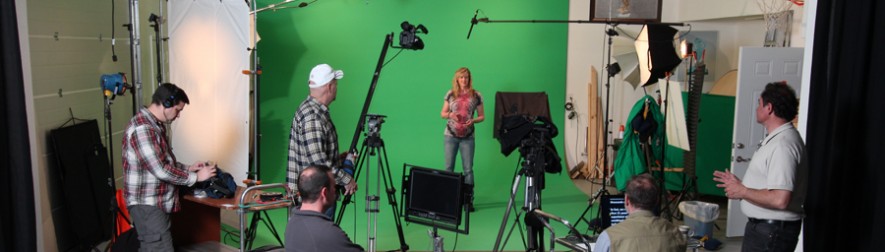
Seamless Perspectives: How to Smoothly Blend Ground Footage with Drone Shots for Compelling Business Videos

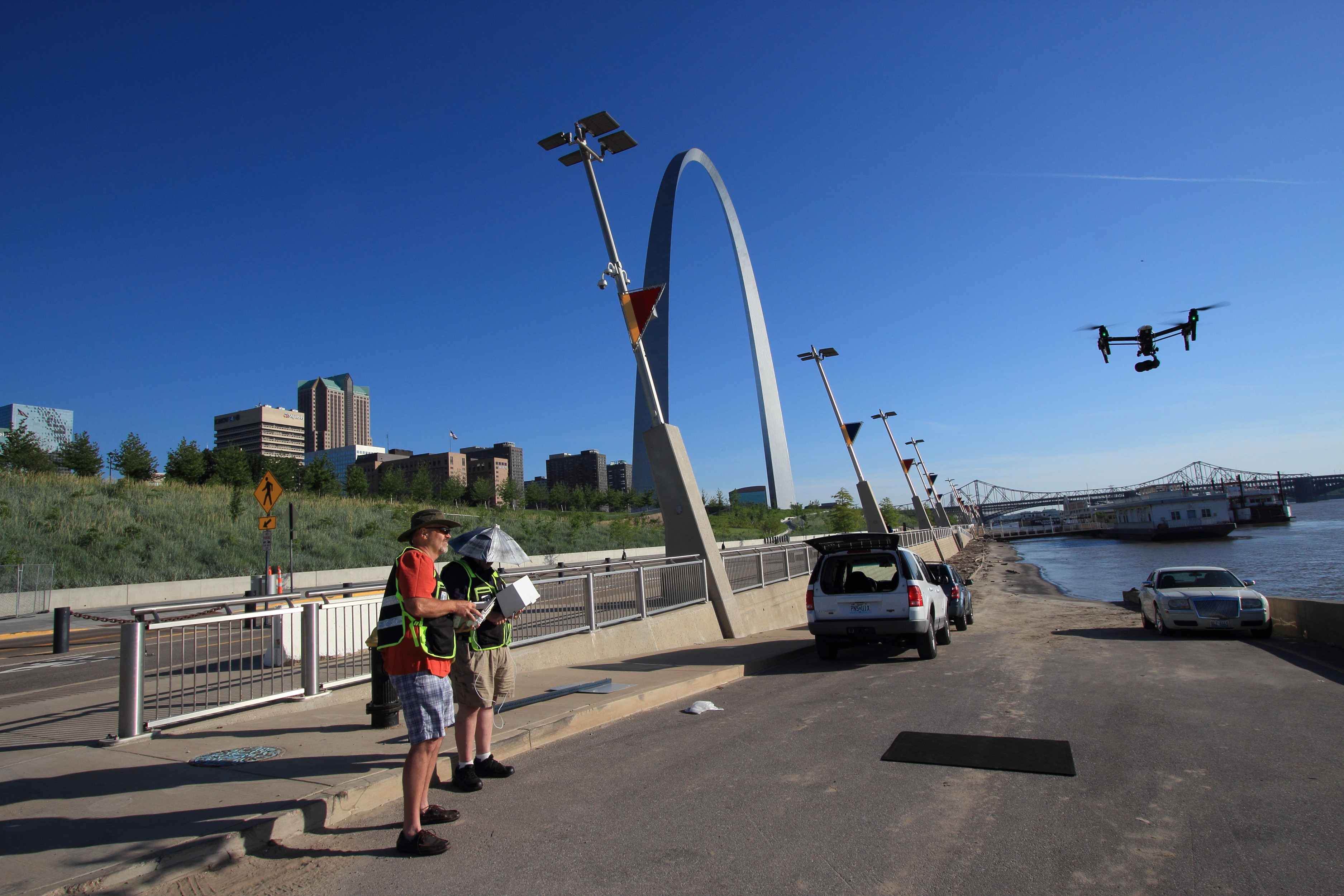
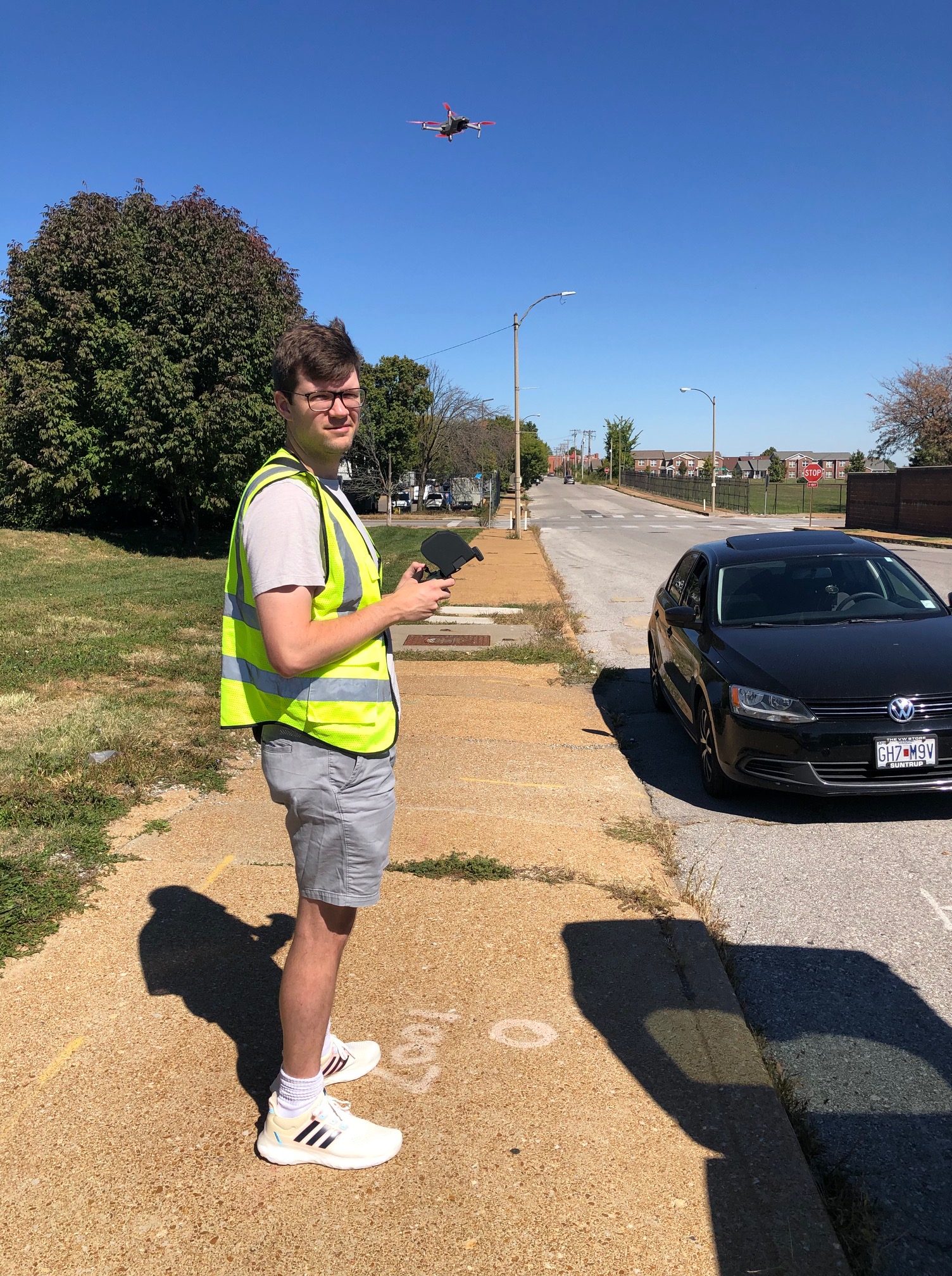
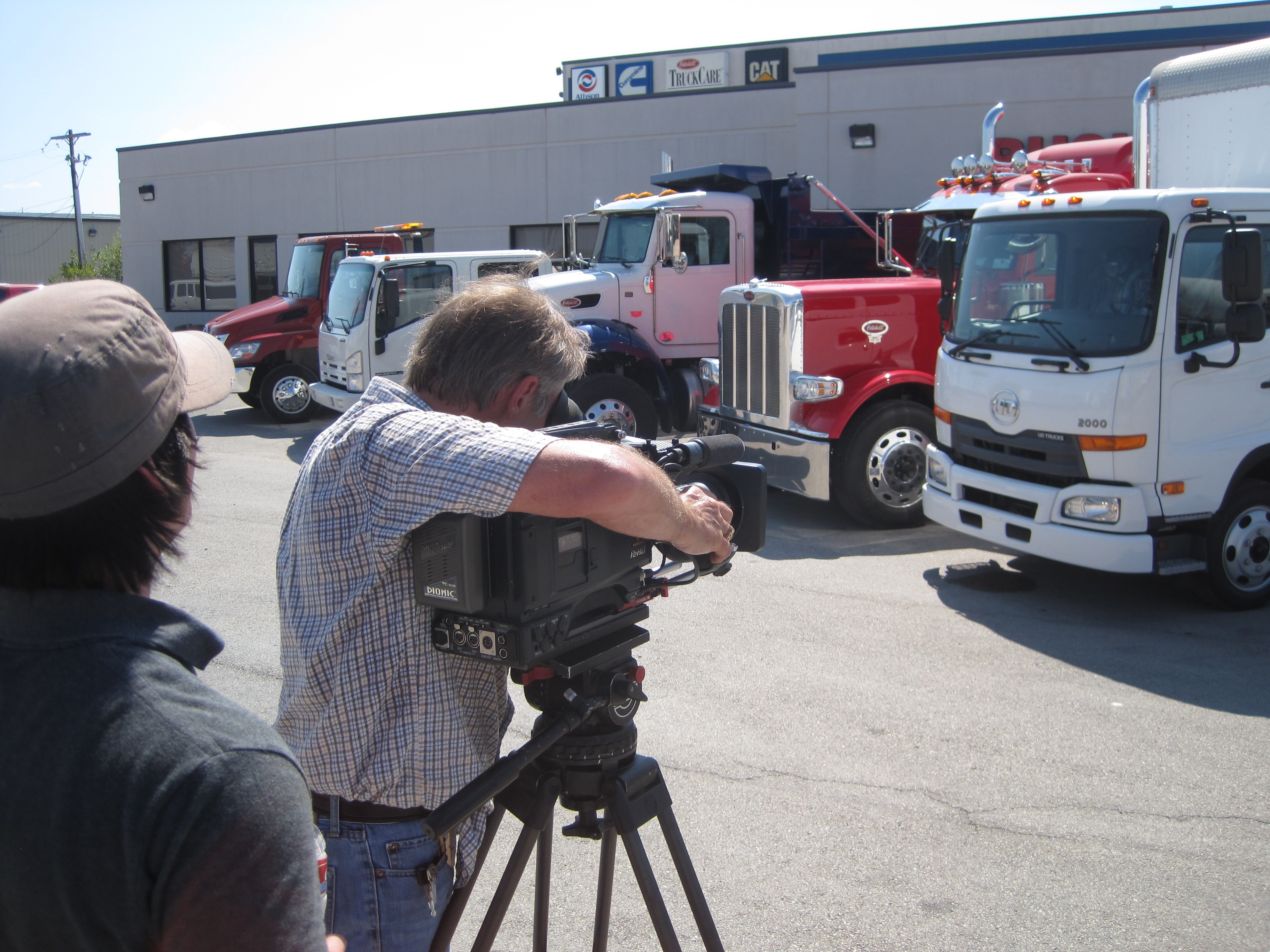
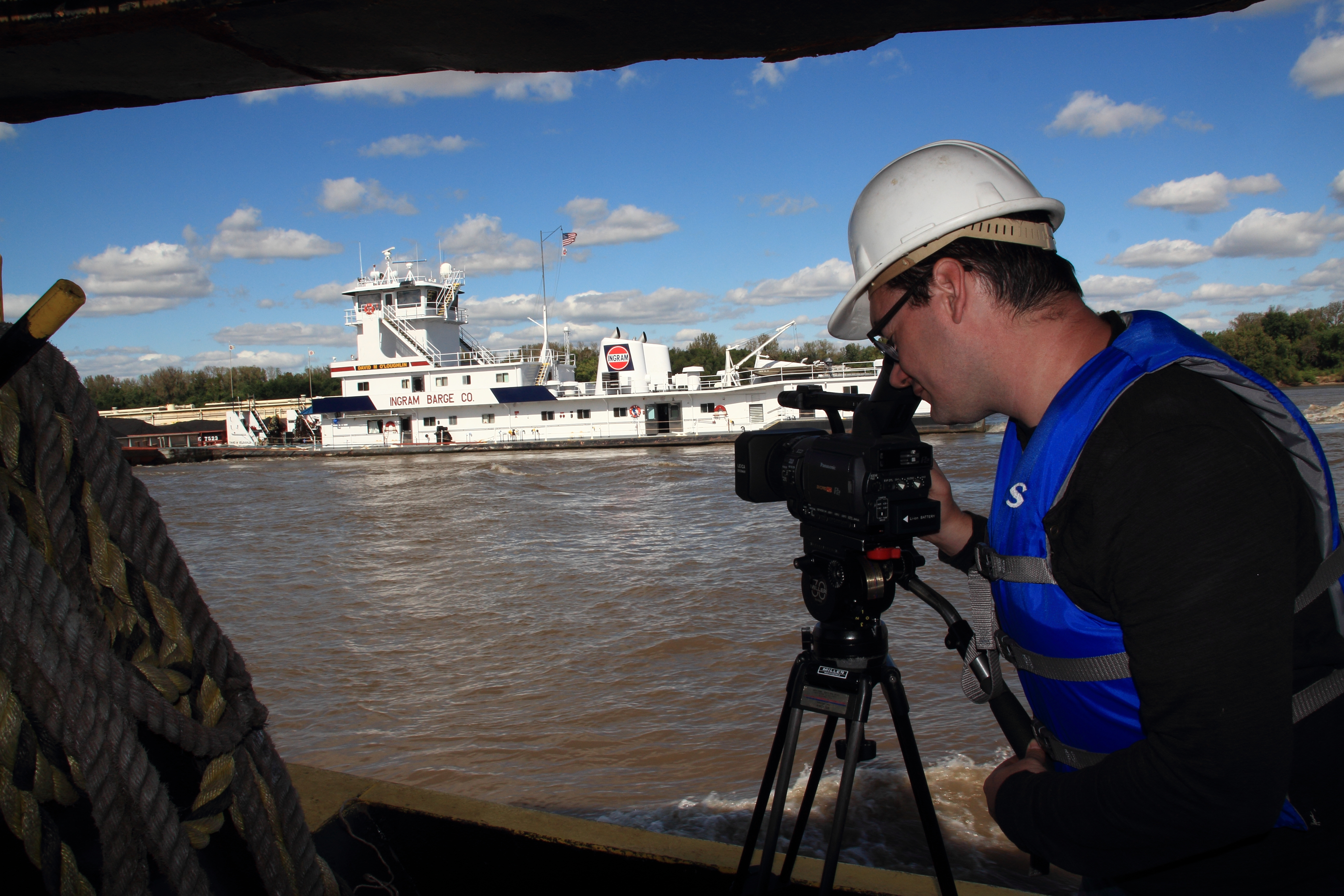
In today’s competitive content landscape, professional video production is no longer a luxury—it’s a necessity. For businesses and organizations looking to tell their story visually, the most engaging productions often combine both ground-level cinematography and dynamic aerial footage. But while drone shots can elevate the production value of a video, poorly integrated transitions between ground and aerial shots can disrupt the viewer’s experience and dilute your message.

At St Louis Video, we’ve spent decades mastering the art of blending these two distinct perspectives to create visually rich, cohesive, and compelling content that resonates with audiences and reinforces brand authority. Here’s how to do it right.


1. Plan for the Blend in Pre-Production

The secret to seamlessly integrating drone and ground footage begins before you press record. During pre-production, define your project’s narrative arc and determine where aerial footage can best enhance the story—whether that’s an opening establishing shot, a transitional sequence, or a visual climax. Consider shot types, camera movement, lighting consistency, and scene pacing so both aerial and ground teams are aligned.

At St Louis Video, our creative team works collaboratively to storyboard sequences that take advantage of the dynamic contrast between drone and ground angles, ensuring every shot has a purpose and fits smoothly into the larger visual narrative.


2. Match Camera Settings and Frame Rates

One of the most common missteps in mixing aerial and ground video is failing to match frame rates, shutter speeds, and color profiles. Whether you’re capturing footage on a drone-mounted camera or a ground-based cinema rig, consistency is key. If your drone shoots in 4K at 24fps and your ground camera records in 30fps, you’ll encounter jarring discrepancies in motion and feel.

Our operators at St Louis Video standardize camera settings across all equipment to maintain a professional and uniform aesthetic, making the footage easier to edit and far more fluid on screen.

3. Use Motion to Bridge the Gap

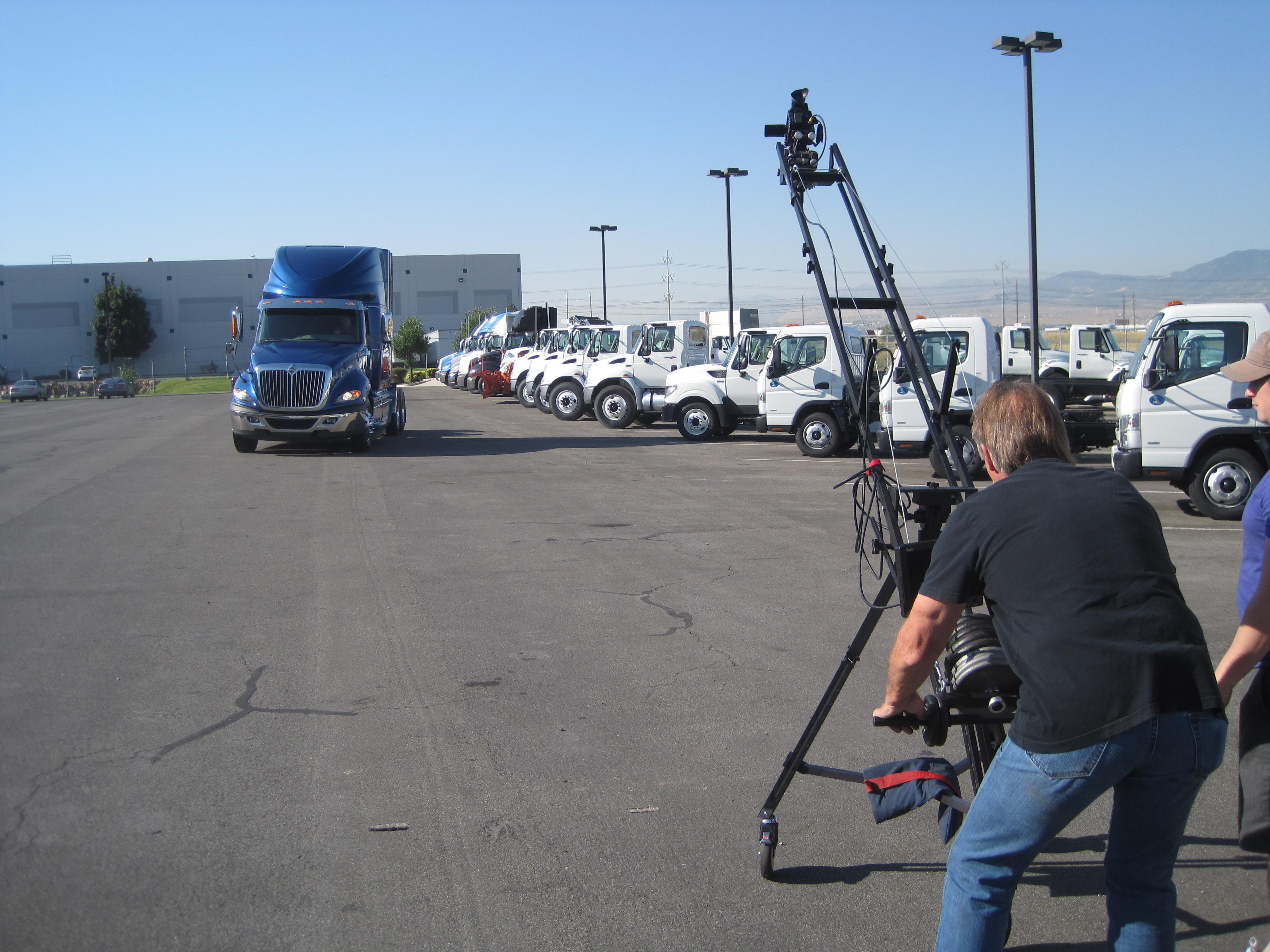
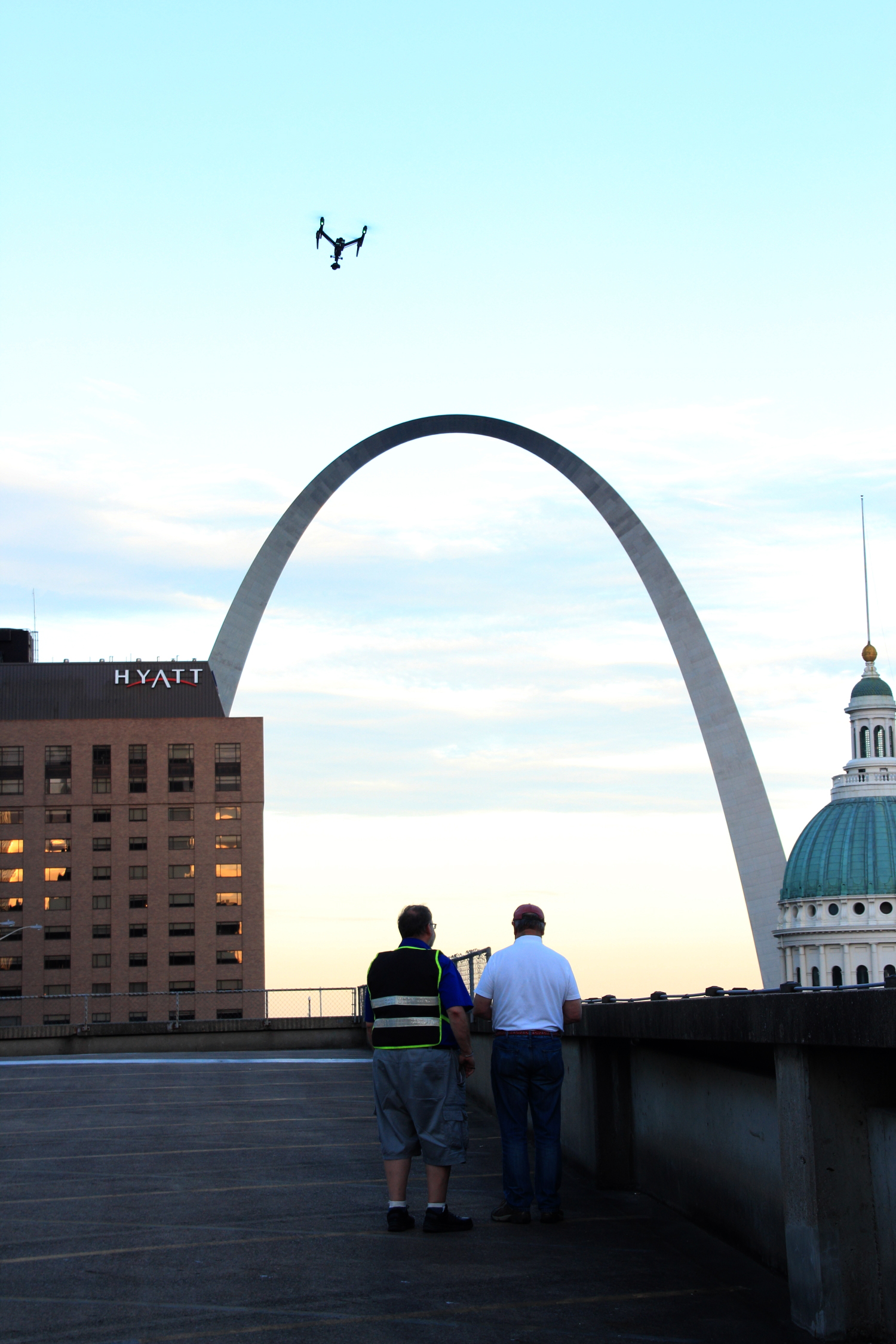
Visual motion is a powerful editing tool when blending perspectives. For example, a tracking ground shot of a vehicle or person moving forward can cut seamlessly into a drone’s forward-moving shot from above. Matching movement direction and speed helps the eye transition naturally, creating an uninterrupted flow that keeps the viewer immersed.

Whether we’re filming a logistics company’s fleet rolling out or a real estate development’s landscape reveal, we use movement cues to ensure edits feel intentional and cinematic.


4. Mind Your Light and Weather Conditions

A sunny drone shot won’t pair well with a cloudy ground sequence. Lighting mismatches not only undermine the production quality but also draw attention to the edit. That’s why we closely monitor weather conditions and schedule both aerial and ground shoots under similar lighting conditions for seamless integration.

Additionally, our drone pilots and ground crews are in constant communication on shoot days to adjust to changing light and adapt accordingly—something many less experienced crews overlook.


5. Color Grading Ties It All Together

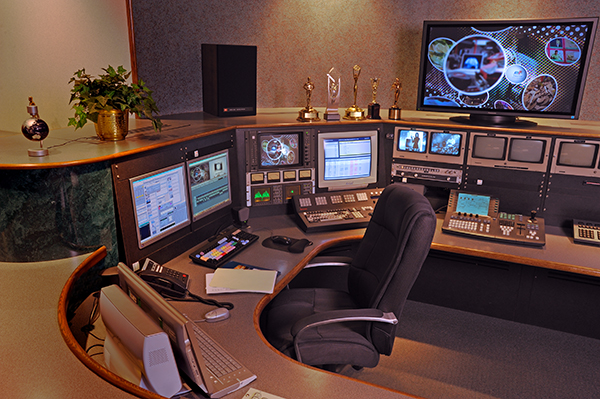
Even with perfectly matched shots, raw footage often requires color grading to bring both perspectives into alignment. Drone cameras typically have different sensors and color science than ground cameras. In post-production, we apply consistent LUTs (Look-Up Tables), contrast adjustments, and saturation tuning to unify the look and feel of the entire video.

At St Louis Video, our in-house editors specialize in color matching across devices, ensuring your brand’s visual identity remains consistent from the ground to the sky.


6. Add Subtle Sound Design for Continuity

Sound is an often-overlooked ally in visual transitions. By layering continuous ambient audio or well-chosen music tracks over both drone and ground scenes, you help the viewer’s ear bridge the visual transition. Fading in natural sounds like wind, footsteps, or city ambiance adds realism and maintains engagement.


Why Choose St Louis Video for Ground + Drone Integration?

At St Louis Video, we specialize in professional video production that blends storytelling, technical expertise, and artistic vision. Since 1982, we’ve served businesses, marketing firms, and creative agencies in the St. Louis region with full-service studio and on-location video and photography production.

Whether you need sweeping drone footage, polished ground-level cinematography, or smooth transitions that make both look like part of the same scene, we’ve got the experience and equipment to make it happen. Our private studio space is tailored for interview and product shoots, and our certified drone pilots can even fly indoors when the location requires it.

We’re not just capturing footage—we’re crafting cohesive content that gets results. From AI-enhanced post-production to creative repurposing of your brand’s visual assets, we handle every detail to ensure your message lands with clarity and impact.

Let St Louis Video help you elevate your next production—from ground to sky, and everything in between.

314-913-5626
stlouisvideos@gmail.com

The Best Types of Marketing Videos to Boost Your Sales and Convert Viewers into Buyers

In today’s competitive business environment, compelling video content is no longer optional—it’s essential. Businesses that utilize high-quality, purpose-driven videos enjoy stronger engagement, higher conversion rates, and better brand retention. As decision makers overseeing your company’s marketing strategy, understanding what types of videos drive results can help you maximize ROI and grow your customer base.

Here’s a strategic breakdown of the most effective video types designed to boost sales:


1. Product Demo Videos

Purpose: Show how your product works in action
Why it Works: 90% of users say that product videos help them make buying decisions. A professionally shot demonstration video builds trust, explains product features clearly, and reduces hesitation in the buyer’s journey.
Best Use: Website product pages, Amazon listings, sales presentations, or onboarding support.


2. Customer Testimonial Videos

Purpose: Build credibility through authentic customer voices
Why it Works: Social proof is one of the most powerful marketing tools. Video testimonials provide emotional resonance and real-world proof that your service delivers results.
Best Use: Landing pages, social media ads, proposal decks, and follow-up emails to prospects.


3. Explainer Videos

Purpose: Simplify complex ideas or processes
Why it Works: Explainer videos use clear visuals, narration, and motion graphics to distill complicated services or technologies. These are particularly effective for software, consulting, and B2B companies.
Best Use: Homepages, tradeshow screens, and YouTube channels.


4. Branded Storytelling Videos

Purpose: Connect emotionally and build brand loyalty
Why it Works: People remember stories, not stats. A narrative-driven brand video that showcases your mission, values, or history helps customers form a long-term emotional bond with your company.
Best Use: “About Us” sections, investor presentations, recruitment tools, and social media.


5. Behind-the-Scenes or Company Culture Videos

Purpose: Humanize your brand
Why it Works: Audiences crave authenticity. These videos showcase your team, your work environment, or how your services are delivered. It builds rapport and sets your business apart from faceless competitors.
Best Use: LinkedIn, recruiting platforms, and corporate presentations.


6. Short-Form Social Media Videos

Purpose: Engage fast-scrolling audiences on mobile
Why it Works: Platforms like Instagram Reels, YouTube Shorts, and TikTok reward bite-sized, engaging video content. These videos are ideal for promotions, tips, or teaser campaigns that lead back to longer content or sales funnels.
Best Use: Brand awareness, influencer marketing, and seasonal promotions.


7. Event Recap or Highlight Videos

Purpose: Extend the impact of your events
Why it Works: Conferences, product launches, and trade shows cost time and money—video helps you get ongoing value from those investments. Highlight reels and recaps can be reused in future marketing materials or shared with those who missed the event.
Best Use: Email campaigns, blogs, and annual reports.


Why Quality Matters: Production Value = Perception Value

A professionally produced video reflects directly on the quality of your business. Poor lighting, shaky footage, bad audio, or inconsistent messaging can harm your brand more than help it. Working with a full-service production company ensures that your video tells the right story in the right way, with cinematic polish and strategic intent.


Why Partner with St Louis Video

At St Louis Video, we bring over four decades of expertise to every production. As a full-service professional commercial photography and video production company, we offer:

  • Studio and location video and photography
  • Expert editing, post-production, and licensed drone pilots
  • Full customization for your brand’s unique media needs
  • Advanced use of Artificial Intelligence to streamline and enhance production workflows
  • Repurposing of your video and photo content to get more traction across platforms
  • Studio setups ideal for small-scale productions and interview scenes
  • Indoor drone video capability, perfect for controlled or creative environments
  • An experienced creative crew that delivers perfect image acquisition, every time

Since 1982, we’ve helped businesses, marketing firms, and agencies across the St. Louis area boost their brand visibility, communicate more clearly, and increase sales through impactful video.

If you’re ready to create strategic video content that moves the needle, contact St Louis Video today. Let’s turn your story into your strongest sales tool.

314-913-5626
stlouisvideos@gmail.com

Keep It Real: When Location Interviews Win Over Studios

In today’s media-saturated landscape, authenticity is the new currency. Consumers are more skeptical than ever of overly produced content that feels disconnected from real experiences. For businesses and organizations looking to connect meaningfully with their audience, location-based interviews have emerged as a powerful tool to convey honesty, culture, and credibility—sometimes even outperforming traditional studio setups.

The Power of Authentic Environments

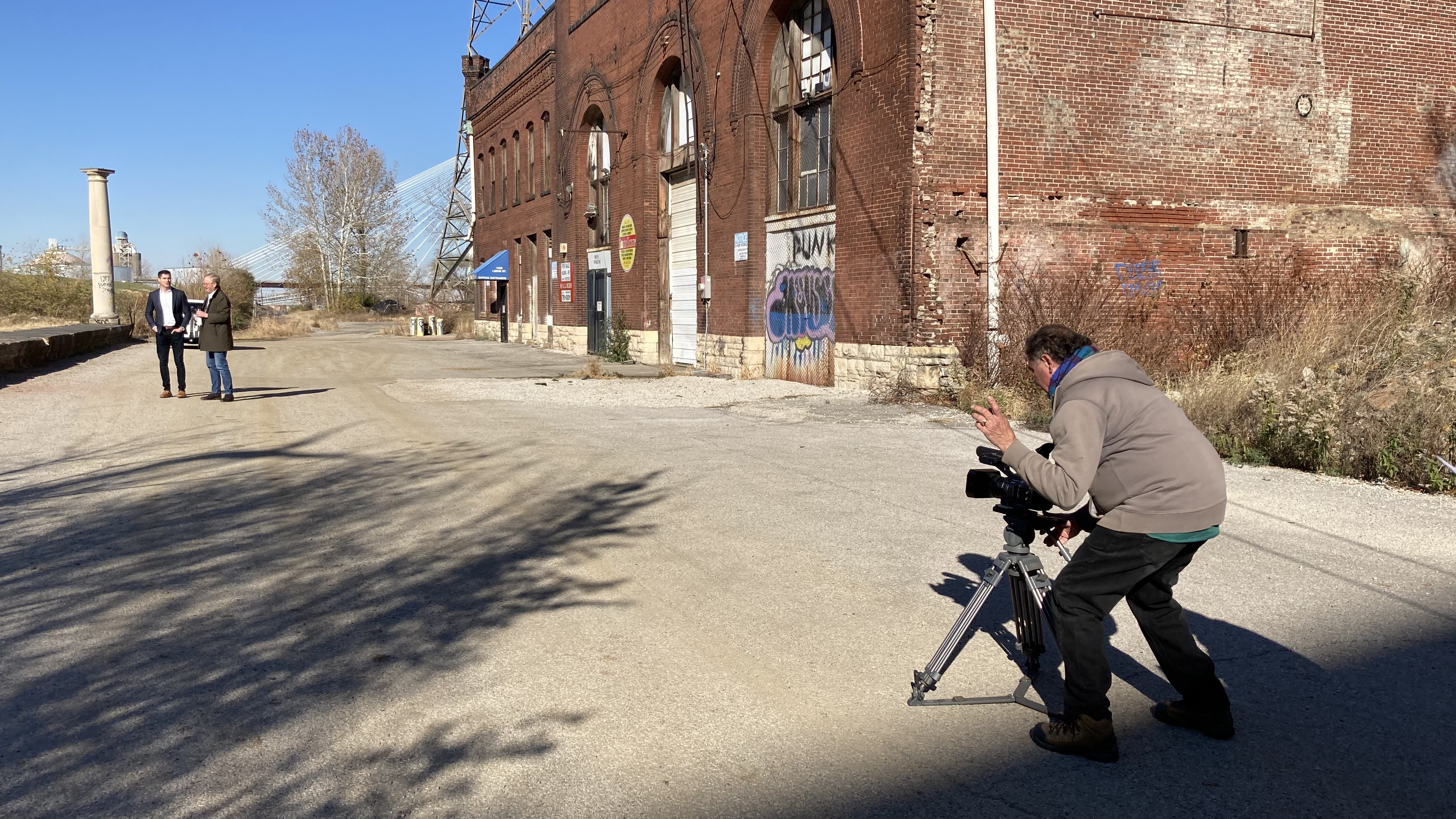
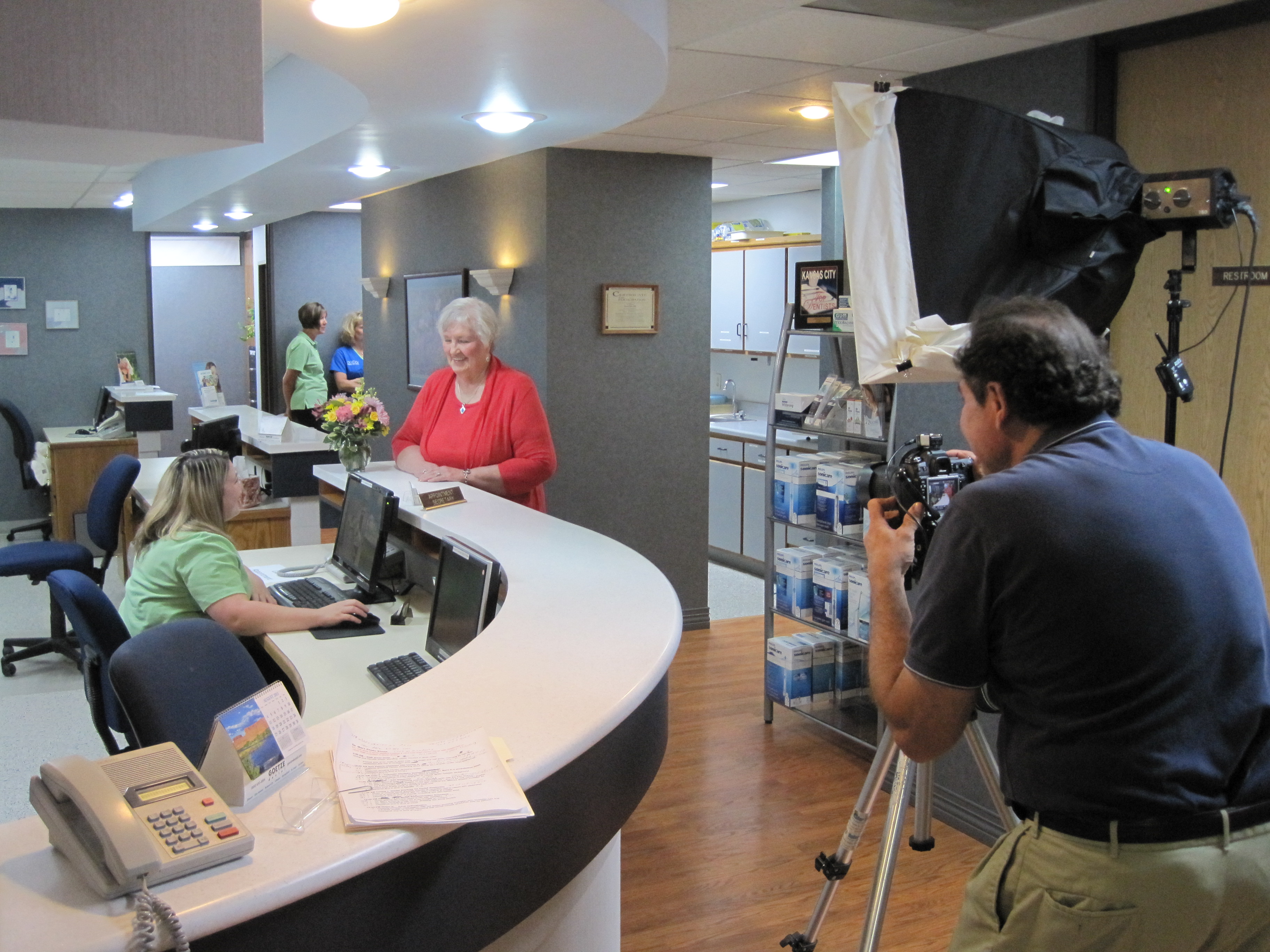
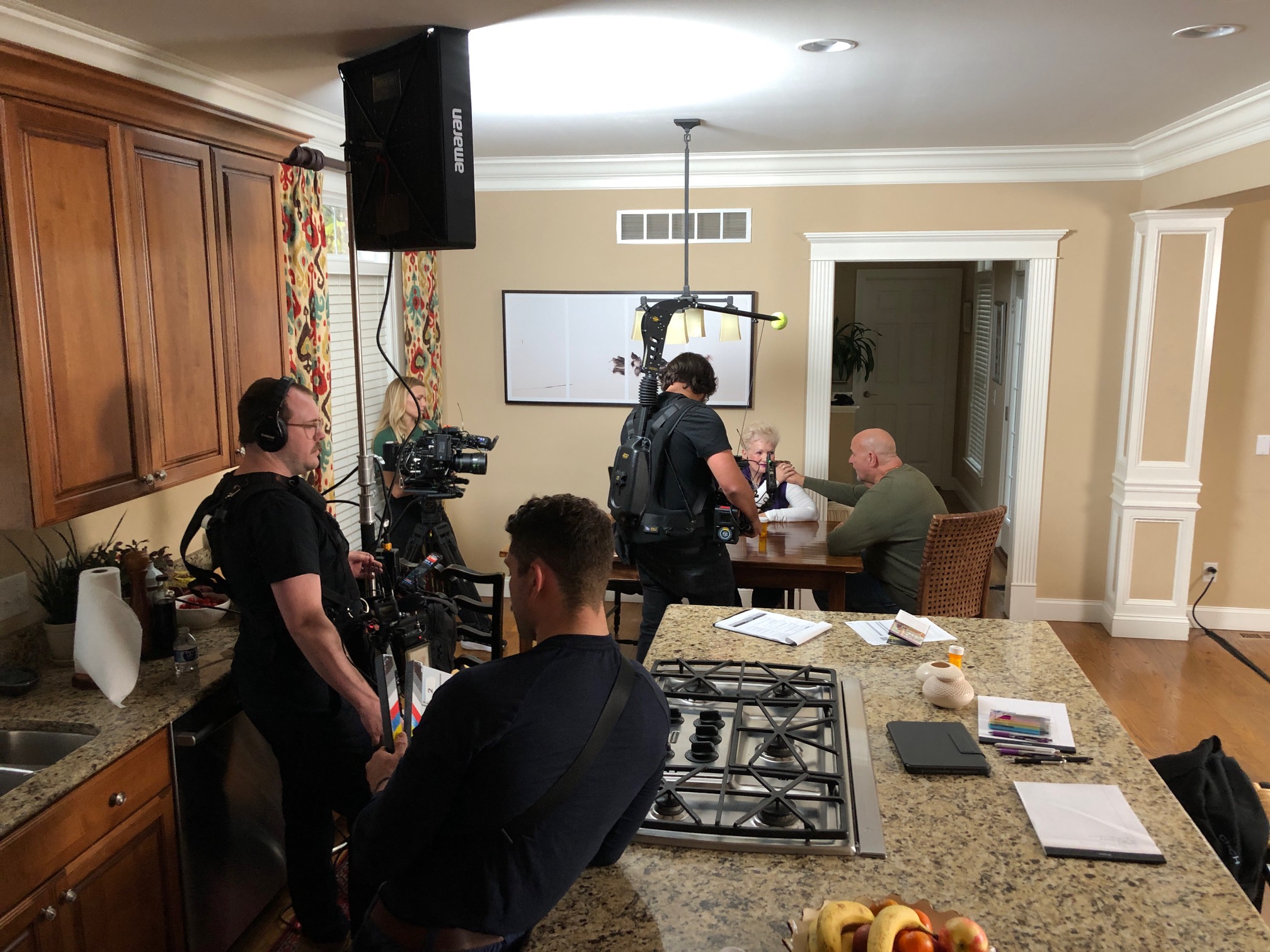
While studio interviews offer a controlled setting with optimal lighting and acoustics, they can sometimes come across as overly polished or generic. A location interview—conducted in an office, facility, job site, or other real-world setting—immediately lends context and believability to the story. Audiences get a glimpse into the working environment, which helps establish trust and reinforce brand identity. Whether it’s an architect discussing a design at a construction site or a healthcare provider sharing a patient story in a clinic, the environment becomes a character in the narrative.

Capturing Candidness and Comfort

Many subjects feel more relaxed and natural in familiar surroundings. Studio lighting, large cameras, and boom mics can intimidate non-actors. But when someone is interviewed in their own space—be it a conference room, lab, or shop floor—they’re more likely to speak comfortably and confidently. That realness translates directly on camera, creating testimonials and interviews that feel human, heartfelt, and trustworthy.

Flexibility and Visual Impact

Location interviews also provide a dynamic range of visuals. B-roll opportunities abound, offering engaging cutaway shots that help illustrate the message and maintain audience interest. Instead of adding artificial props or fabricated backdrops, your brand’s real story is framed by its own environment. It’s not just what’s said that matters—it’s what’s seen.

When Location Isn’t Ideal

Of course, there are moments when studios win: controlled sound, professional lighting, custom backdrops, and privacy. Studio setups are often the best option for scripted videos, training content, or interviews that require numerous takes. However, for marketing-driven interviews, customer testimonials, or employee stories—especially when relatability is key—a location shoot often delivers more impact.

Hybrid Approaches: The Best of Both Worlds

At St Louis Video, we often recommend a hybrid strategy—interview on location, then bring select elements into the studio for follow-up visuals, voiceovers, or explainer segments. This ensures continuity in quality while maximizing the authenticity of the message.


Why Choose St Louis Video for Your Interview Production?

At St Louis Video, we understand the nuance of choosing the right setting for every interview. As a full-service professional commercial photography and video production company, we offer the equipment, experience, and creative insight necessary for high-impact interviews—whether on-site, in-studio, or both.

We provide:

  • Full-service studio and location video and photography
  • Expert editing and post-production
  • Licensed drone pilots for aerial context and dynamic visuals
  • Custom-built interview setups with lighting, sound, and camera operators
  • Private studio lighting designed for intimate sit-downs
  • A studio large enough to accommodate props and set pieces
  • AI-enhanced media services for maximum efficiency and adaptability
  • Expertise in repurposing your photography and video branding to reach broader audiences
  • In-depth knowledge of all media file types and styles

And yes—we can fly drones indoors.

Since 1982, St Louis Video has collaborated with countless businesses, marketing firms, and creative agencies throughout the St. Louis area. From testimonial interviews to brand stories, we bring your message to life—authentically and effectively.

Let’s keep it real. Let’s make your next video production resonate.


Want help deciding between a studio or location shoot for your next interview?
Contact St Louis Video today—we’ll help you find the perfect fit.

314-913-5626
stlouisvideos@gmail.com

How to Edit B-Roll for a Smooth Interview Flow

Incorporating B-roll into interview footage is an essential skill for creating engaging and visually dynamic video content. When executed properly, B-roll enhances storytelling, maintains audience interest, and provides seamless transitions between key points in an interview. However, poorly edited B-roll can feel disjointed, distracting, or even reduce the impact of the message. Here’s a strategic approach to editing B-roll for a smooth interview flow.

Don’t overshadow the interview with excessive B-roll—let the words remain the focus.

1. Understand the Narrative

Before you begin editing, identify the key takeaways from the interview. Understanding the main message will help you choose B-roll that reinforces the story rather than just filling space. Ask yourself:

  • What is the core message of the interview?
  • Are there visual elements that complement the subject’s statements?
  • How can B-roll enhance the emotional impact of the interview?

2. Match B-Roll to Dialogue

For a seamless transition, your B-roll should directly relate to the spoken content. If an interviewee discusses a product, a process, or an event, your B-roll should visually represent that. Select footage that naturally connects to the speaker’s words, ensuring relevance and coherence.

For example:

  • If the interview is about company culture, include shots of employees collaborating.
  • If discussing a product launch, use footage of the product in action.
  • If talking about a significant achievement, show relevant milestone visuals.
3. Use Natural Cutaways to Enhance Engagement

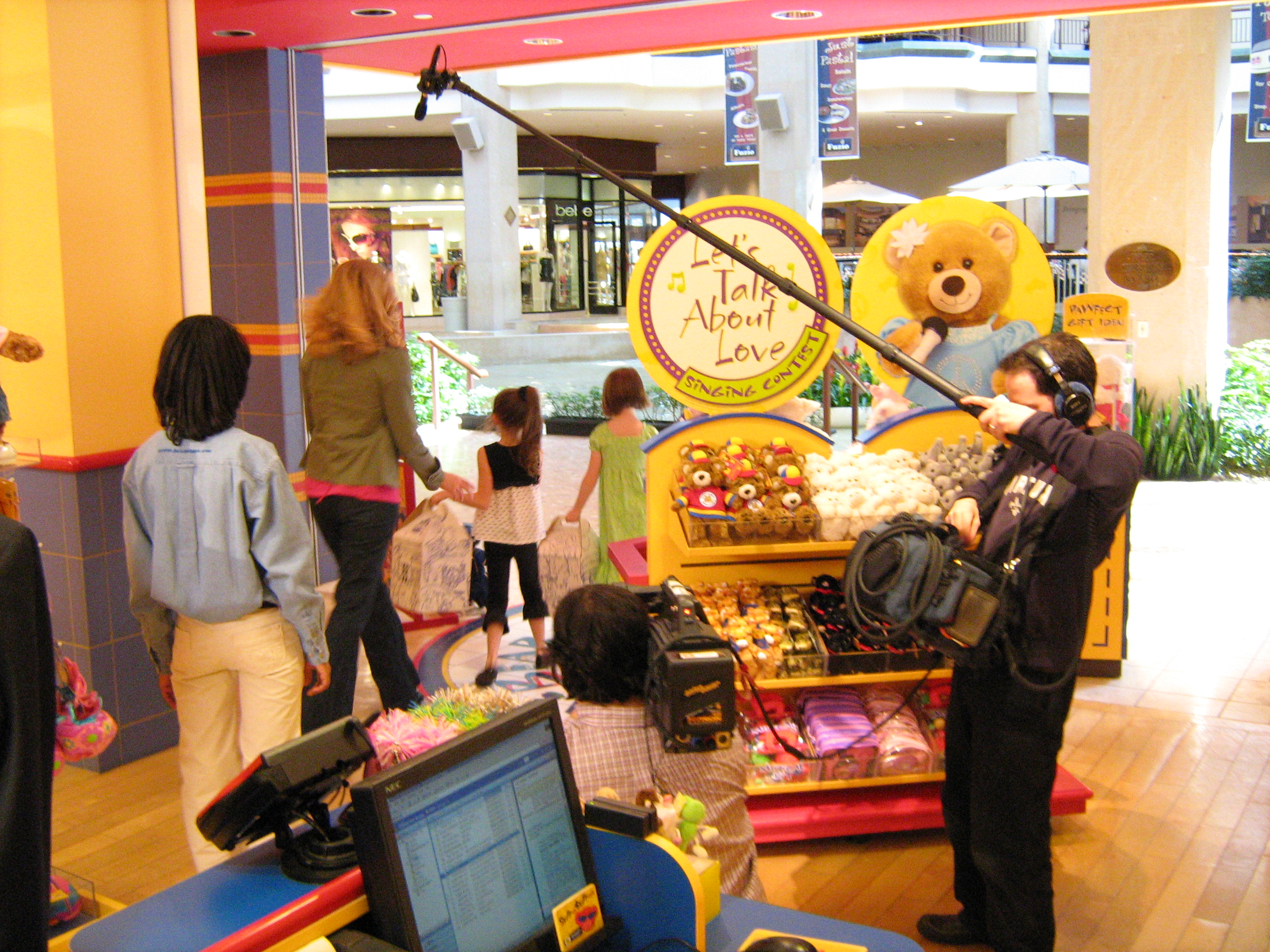
Cutaways are essential for making interviews feel more natural and less like a static talking-head shot. Well-placed B-roll can:

  • Hide jump cuts when an interviewee stumbles or needs to be edited down.
  • Smooth transitions between different topics or segments.
  • Create a more immersive experience by visually supporting key points.

4. Timing and Pacing of B-Roll

A common mistake in editing is cutting to B-roll too soon or letting it linger too long. Here are key timing strategies:

  • Sync to key phrases: Introduce B-roll as the interviewee mentions relevant topics.
  • Avoid overuse: Don’t overshadow the interview with excessive B-roll—let the words remain the focus.
  • Match pacing: If the interview has an energetic tone, use quick-cut B-roll. For a more relaxed discussion, longer and smoother transitions work better.

5. Maintain Visual Consistency

To ensure a professional-looking final product, keep your B-roll stylistically consistent with the main interview footage. Consider:

  • Color grading: Ensure B-roll and interview footage have a uniform color scheme.
  • Lighting: Match lighting tones between B-roll and interview clips.
  • Framing and composition: Maintain a visual balance between interview shots and supplementary footage.

6. Leverage Motion to Maintain Engagement

To add cinematic quality, use subtle motion elements in B-roll, such as:

  • Slow-motion footage for dramatic emphasis.
  • Zoom-in or zoom-out effects to direct focus.
  • Panning shots to establish context.

Avoid abrupt or unnecessary movements that could be jarring to the viewer. Smooth motion transitions help maintain a cohesive visual narrative.

7. Use B-Roll to Bridge Gaps and Create Seamless Edits

There may be times when you need to edit out a portion of the interview. B-roll is the perfect tool to cover those cuts while keeping the audience engaged. If a response is cut for brevity or clarity, use relevant B-roll to fill the gap so the flow remains uninterrupted.

8. Consider Audio Overlays for Enhanced Storytelling

When using B-roll, natural sounds or soft background music can enhance engagement. If the B-roll features industry settings, adding ambient sounds can make the visuals feel more immersive. Avoid overpowering the dialogue—ensure the focus remains on the interviewee’s voice.

9. Test and Refine the Edit

After the first cut, review the edit multiple times. Ask for feedback from team members or clients to ensure the B-roll enhances the message rather than distracting from it. Make final adjustments to timing, color grading, and transitions before exporting the final version.

Why Choose St. Louis Video for Your Next Production?

At St. Louis Video, we understand the power of well-crafted visual storytelling. As a full-service professional commercial photography and video production company, we have the right equipment and an experienced creative crew to ensure successful image acquisition. Whether you need full-service studio or location video and photography, editing, post-production, or licensed drone pilots, we tailor each production to meet your specific media requirements.

One of our specialties is repurposing photography and video branding to maximize engagement across platforms. We’re well-versed in all file types, media styles, and accompanying software, ensuring seamless integration into your marketing strategy.

Our private studio lighting and visual setup is perfect for small productions and interview scenes, with enough space to incorporate props to round out your set. Whether you need a custom interview studio setup, sound and camera operators, or specialized equipment, we have everything required for a flawless production. Plus, our specialized drones can fly indoors, offering unique perspectives for your projects.

Since 1982, St. Louis Video has been a trusted partner for businesses, marketing firms, and creative agencies across St. Louis, delivering high-quality marketing photography and video content. Let us help you craft compelling visual narratives that elevate your brand and captivate your audience.

Ready to bring your vision to life? Contact St. Louis Video today!

314-913-5626
stlouisvideos@gmail.com

Short Video Ideas for Every Brand or Business

In today’s fast-paced digital landscape, short videos have emerged as a powerful tool for brands and businesses to communicate their message effectively. With platforms like Instagram, TikTok, and YouTube Shorts gaining immense popularity, businesses must adapt their marketing strategies to harness the potential of short-form video content. Here are some creative ideas for short videos that can elevate your brand’s presence and engage your audience.

Educational content not only engages viewers but also encourages them to return for more insights.

1. Behind-the-Scenes Sneak Peeks

Give your audience an exclusive look at what goes on behind the scenes. Whether it’s a glimpse of your production process, team brainstorming sessions, or event preparations, behind-the-scenes videos create a sense of transparency and connection with your brand. This type of content helps humanize your business and build trust with your audience.

2. Product Demonstrations

Short videos are ideal for showcasing your products in action. Create concise, engaging demonstrations that highlight the features and benefits of your offerings. Consider using a before-and-after format, testimonials, or even user-generated content to illustrate how your product solves a problem or enhances the customer’s life.

3. Customer Testimonials

Capture authentic customer experiences through short testimonial videos. These powerful endorsements can significantly influence potential buyers, as they provide social proof and build credibility. Encourage satisfied customers to share their stories, and consider incorporating compelling visuals or a brief Q&A format to make the content more engaging.

4. Quick Tips and Tricks

Position your brand as an industry expert by sharing valuable tips and tricks related to your niche. These can be quick how-to videos, hacks, or best practices that provide immediate value to your audience. Educational content not only engages viewers but also encourages them to return for more insights.

5. Event Highlights

If your business hosts or participates in events, create highlight reels showcasing the key moments. These videos can include guest speakers, product launches, or even fun activities that took place. Event highlights can generate excitement and serve as a promotional tool for future events.

6. Animated Explainers

For complex products or services, consider using animated explainer videos to simplify your message. Animation can effectively convey information in an engaging manner, making it easier for your audience to understand your offerings. Keep it short and focus on the main benefits to capture attention quickly.

7. Employee Spotlights

Highlighting your team members through short video profiles can foster a strong company culture and showcase the talent behind your brand. These videos can introduce team members, share their roles, and even include fun facts or personal stories. It helps potential clients connect with the people they will work with.

8. Challenges and Contests

Engage your audience by hosting video challenges or contests. Encourage customers to submit short videos using your product or showcasing their creativity related to your brand. Not only does this generate user-generated content, but it also builds a community around your brand.

9. Seasonal Promotions

Create short promotional videos around holidays or special occasions. Use festive themes and messaging to capture your audience’s attention and encourage them to take advantage of seasonal offers. This approach can enhance your brand’s visibility and drive sales during peak times.

10. Company Values and Mission

Share your company’s values, mission, and vision through impactful short videos. This content can resonate deeply with your audience, especially if they align with your brand’s ethos. Use compelling visuals and storytelling techniques to create an emotional connection.

Conclusion

Short videos present an incredible opportunity for brands to engage their audience and convey their message effectively. At St. Louis Video, we understand the importance of high-quality, customized video content that meets your specific needs. As a full-service professional commercial photography and video production company, we are equipped with the right tools and a creative crew to ensure successful image acquisition.

With over 40 years of experience, St. Louis Video specializes in full-service studio and location video and photography, editing, post-production, and licensed drone pilots. We can customize your productions to cater to diverse media requirements and excel at repurposing your photography and video branding for maximum traction.

Our private studio lighting and visual setup are perfect for small productions and interview scenes, allowing us to create tailored environments for your projects. We offer extensive support, from custom interview studio setups to providing sound and camera operators, ensuring every aspect of your production is handled with care.

Let us help you achieve the perfect video production, whether indoors or out. With St. Louis Video, you have a partner dedicated to bringing your vision to life, helping you engage your audience and elevate your brand presence.

314-913-5626
stlouisvideos@gmail.com

The Best Ways to Edit Your Marketing Video Interviews

Marketing video interviews are a powerful tool for businesses to build credibility, share success stories, and connect with their audience. Capturing the interview footage is just the first step; the real magic happens in the editing process. Editing not only ensures that your content is polished but also plays a crucial role in creating an engaging narrative that resonates with viewers. Here’s how you can effectively edit your marketing video interviews to maximize impact.

Text can be used to emphasize key points or highlight quotes from the interviewee. This ensures that even if viewers are watching without sound, they can still grasp the main message.

1. Start with a Clear Objective

Before diving into the editing process, it’s essential to understand the core objective of the interview video. Are you trying to convey customer satisfaction, highlight a new product, or showcase your company’s expertise? Having a clear focus will help guide the editing decisions, from the structure of the video to the choice of visuals and music.

Once the purpose is clear, it becomes easier to sift through interview footage and extract only the most relevant and compelling content.

2. Select the Best Clips

Interview footage can often be long and full of conversational filler. During the editing process, it’s important to identify and use only the most impactful and concise responses. Look for clips where the interviewee speaks clearly, with passion and authority. These clips should align with your marketing message.

Make sure to:

  • Remove any hesitations, “ums” and “ahs.”
  • Trim long-winded answers to stay focused on the core message.
  • Combine answers when necessary for clarity and conciseness.

A streamlined interview keeps viewers engaged and ensures that the message comes across without unnecessary distractions.

3. Add B-Roll for Visual Variety

While the interviewee’s talking head is important, too much of it can become visually monotonous. This is where B-roll footage comes in. B-roll provides visual context and breaks up the interview, making the video more dynamic.

For example, if the interview is about a product, include B-roll footage of the product being used. If the focus is on customer service, show your team in action, helping customers. B-roll not only reinforces the interviewee’s words but also keeps the audience visually engaged.

4. Incorporate Graphics and Text

Incorporating text overlays and motion graphics can be highly effective in enhancing marketing video interviews. Text can be used to emphasize key points or highlight quotes from the interviewee. This ensures that even if viewers are watching without sound, they can still grasp the main message.

Additionally, adding your company’s branding, logos, or call-to-action graphics can help make the video feel more polished and professional. Subtle yet effective motion graphics can also increase production value and ensure your brand is remembered.

5. Optimize for the Platform

Consider where your video will be published—whether it’s your website, YouTube, social media, or a landing page. Each platform has unique requirements. For example:

  • Social Media: Keep your videos short and to the point (1-2 minutes), and consider adding captions, as many viewers watch without sound.
  • Website: You may have more flexibility with length, so include a more detailed narrative.
  • YouTube: Focus on optimizing the title, description, and tags for SEO, while keeping the video engaging from the first few seconds to retain audience interest.

Tailoring your video’s format to the platform will ensure it’s effective wherever it’s shared.

6. Balance Music and Sound Effects

Background music can greatly enhance the tone of your video interview, but it’s crucial to strike the right balance. Music should complement the interview and not overpower the dialogue. Keep the volume low and choose tracks that align with the tone of the interview. If you are showcasing an inspirational story, uplifting music works well. For corporate updates, a more subdued, professional tone may be appropriate.

Sound effects can also be used sparingly to emphasize transitions or specific visuals, but they should never detract from the spoken content.

7. End with a Strong Call to Action

After viewers watch your marketing video interview, guide them on what to do next. Whether it’s visiting your website, contacting your team, or signing up for a newsletter, include a clear call to action at the end. This could be a combination of text, visuals, or even the interviewee themselves encouraging viewers to take the next step. A strong, actionable close reinforces the purpose of the video and helps convert viewers into leads.

8. Polish with Color Grading and Sound Editing

No matter how well-shot your interview is, editing is key to achieving a professional look. Color grading ensures that your video has a consistent and appealing look across all shots, whether they were taken in different lighting conditions or at various times. Meanwhile, sound editing ensures the audio is crisp, balanced, and free of distractions like background noise or hums.

Professional post-production teams, like those at St Louis Video, know how to fine-tune these elements to elevate the overall quality of your production.

Conclusion: St Louis Video – Your Partner for Professional Video Editing and Production

At St Louis Video, we understand that great video production is not just about recording; it’s about crafting a story that resonates with your audience. As a full-service professional commercial photography and video production company, we offer the right combination of equipment and creative expertise for successful image acquisition. Whether it’s through our studio or on-location, we provide full-service video and photography production, editing, and post-production services, as well as licensed drone pilots.

Our specialty lies in repurposing your photography and video branding to gain more traction in the marketplace. We’re well-versed in all media file types, styles, and the accompanying software. Our private studio lighting and visual setup is perfect for small productions and interview scenes, offering a versatile space that can be tailored to your production needs.

With over four decades of experience, we’ve worked with businesses, marketing firms, and agencies across St. Louis, delivering custom productions for various media requirements. From private interview studio setups to sound and camera operators, we’ve got everything you need to make your next video production flawless. We even fly specialized drones indoors!

When you partner with St Louis Video, you’re not just getting a production team—you’re getting a creative ally that’s committed to your success since 1982.

Ready to bring your next marketing video to life? Contact us today to get started!

How Long Should Your Client Video Testimonials Be?

In the realm of corporate communications and marketing, client video testimonials are a powerful tool. They provide authentic, relatable, and persuasive content that can significantly enhance your brand’s credibility and appeal. However, one of the most common questions decision-makers face is: How long should these testimonials be? The answer depends on several factors, including your audience, the platform where the video will be shared, and the message you want to convey.

Start with a brief introduction of the client, their business, and their relationship with your company.

Understanding Your Audience

The length of your client video testimonial should primarily be determined by your audience’s attention span and preferences. In today’s fast-paced digital world, audiences often have limited time and a shorter attention span. For most business-related content, keeping videos concise and to the point is crucial.

  1. Short Attention Spans: Studies have shown that viewers tend to lose interest in videos that are too long. A general guideline is to keep testimonial videos between 1 to 3 minutes. This duration is long enough to provide valuable insights and keep the viewer engaged without overwhelming them.
  2. Platform Considerations: Different platforms have varying optimal video lengths. For example:
    • Social Media (Facebook, Instagram, LinkedIn): Aim for 30 seconds to 1 minute. These platforms cater to users who scroll quickly through content.
    • YouTube: Videos can be slightly longer, ranging from 2 to 3 minutes, as users on this platform are more inclined to watch longer content.
    • Website: For embedding on your company’s website, 1 to 2 minutes is often ideal. This provides enough time to convey the testimonial’s message while maintaining viewer interest.

Crafting the Message

The content of your client video testimonial is as important as its length. Here are some key elements to include to ensure your video is both impactful and engaging:

  1. Clear Introduction: Start with a brief introduction of the client, their business, and their relationship with your company. This sets the context and establishes credibility.
  2. Specific Benefits: Encourage clients to speak about specific benefits they have experienced from your product or service. Detailed, real-world examples resonate more than vague praises.
  3. Problem-Solution Narrative: Highlight the problem the client faced before working with you and how your solution effectively addressed it. This narrative structure is compelling and relatable.
  4. Results and Outcomes: Quantifiable results and outcomes make testimonials more convincing. Ask clients to share any measurable improvements they have seen since using your service.
  5. Emotional Appeal: Testimonials that convey genuine emotion and enthusiasm are more engaging. Encourage clients to express their satisfaction and the impact on their business or personal life.

Editing and Post-Production

Effective editing is crucial in ensuring your video testimonial is concise, clear, and professional. Here are some tips:

  1. Cut Unnecessary Content: Trim any irrelevant or repetitive content to keep the video focused.
  2. Add Visuals and Graphics: Use visuals, graphics, and on-screen text to reinforce key points and make the video more visually appealing.
  3. Maintain High Quality: Ensure high-quality audio and visuals. Poor production quality can distract from the message and reduce credibility.

The Expertise of St Louis Video & Photo

At St Louis Video & Photo, we understand the nuances of creating impactful client video testimonials. Our experience as a full-service professional commercial photography and video production company equips us with the right equipment and creative crew service experience for successful image acquisition. We offer full-service studio and location video and photography, as well as editing, post-production, and licensed drone pilots.

We can customize your productions for diverse types of media requirements, ensuring your photography and video branding gain maximum traction. Our team is well-versed in all file types and styles of media and accompanying software. Our private studio lighting and visual setup is perfect for small productions and interview scenes, while our studio is large enough to incorporate props to round out your set.

From a private custom interview studio setup to providing sound and camera operators and equipment, we have everything needed to make your next video production perfect. Our specialized drones can even fly indoors, adding a unique perspective to your shoots. Since 1982, St Louis Video & Photo has worked with numerous businesses, marketing firms, and agencies in the St. Louis area for their corporate photography and video needs.

By choosing St Louis Video & Photo, you are partnering with a team of experienced professionals dedicated to delivering high-quality visual content that meets your specific needs. Let us help you create compelling client video testimonials that effectively communicate your brand’s success stories and build trust with your audience.

314-913-5626
stlouisvideos@gmail.com

FAQs When Combining Photography and Video in Your Company Production

In today’s dynamic marketing landscape, integrating photography and video into your company’s production can significantly amplify your brand’s visibility and engagement. However, navigating the intricacies of both mediums requires strategic planning and execution. Here, we address some of the most frequently asked questions to help you understand the nuances and optimize your production efforts.

Integrate photography and video seamlessly in your final output. For instance, use photographs to highlight key points in a video presentation or as engaging thumbnails for video content.

Why Combine Photography and Video?

1. Enhanced Storytelling

Combining photography and video enables you to tell a more compelling and comprehensive story. While photographs capture moments in time, videos add motion and sound, bringing those moments to life.

2. Improved Engagement

Studies show that content incorporating both images and videos garners more engagement. Videos can convey complex messages quickly, while photographs add a visual punch to your narrative.

3. Versatility in Content Use

Photographs and videos can be repurposed across various platforms and campaigns, from social media posts and website content to presentations and advertisements.

What Are the Key Considerations for a Combined Production?

1. Consistency in Style

Maintaining a consistent style across both photography and video is crucial. This includes the use of colors, lighting, and overall aesthetic to ensure your brand’s identity is cohesive and recognizable.

2. Planning and Scripting

Careful planning and scripting are essential. Outline the key messages and goals for your production. Determine which elements are best captured as photos and which should be filmed. This ensures that both mediums complement each other and convey your intended message effectively.

3. Technical Aspects

Consider the technical aspects such as lighting, camera settings, and framing. Ensure that the equipment used for both photography and video can produce high-quality results that meet your standards.

How to Optimize the Use of Photography and Video Together?

1. Seamless Integration

Integrate photography and video seamlessly in your final output. For instance, use photographs to highlight key points in a video presentation or as engaging thumbnails for video content.

2. Storyboarding

Create a storyboard to visualize the flow of your production. This helps in planning the sequence of shots and ensuring that both photographs and videos align with your narrative.

3. Post-Production

Invest in professional editing and post-production. This not only enhances the quality of your content but also ensures that both photographs and videos are polished and aligned with your brand’s message.

Common Challenges and How to Overcome Them

1. Budget Constraints

Combining photography and video can be cost-intensive. Prioritize your goals and allocate your budget accordingly. Consider working with a full-service production company that can offer bundled services for cost efficiency.

2. Time Management

Coordinating a production that involves both photography and video requires meticulous scheduling. Plan your shoot days to maximize efficiency and minimize downtime.

3. Technical Expertise

Lack of technical expertise can hinder the quality of your production. Partner with professionals who have the necessary skills and experience to deliver high-quality results.

Why Choose St Louis Video for Your Combined Production Needs?

At St Louis Video, we are a full-service professional commercial photography and video production company with the right equipment and creative crew to ensure successful image acquisition. We offer comprehensive services, including:

  • Full-service studio and location video and photography
  • Expert editing and post-production
  • Licensed drone pilots for aerial shots

We customize productions to meet diverse media requirements and are adept at repurposing your photography and video branding to maximize impact. Our proficiency in all file types, media styles, and accompanying software ensures your content is versatile and ready for any platform.

Our private studio is ideal for small productions and interview scenes, with ample space for props to enhance your set. From providing sound and camera operators to specialized indoor drones, we have everything to make your next production flawless.

St Louis Video has partnered with numerous businesses, marketing firms, and agencies in the St. Louis area, delivering exceptional corporate photography and video solutions. Let us help you elevate your brand with our expertise and comprehensive production capabilities.

314-913-5626
stlouisvideos@gmail.com