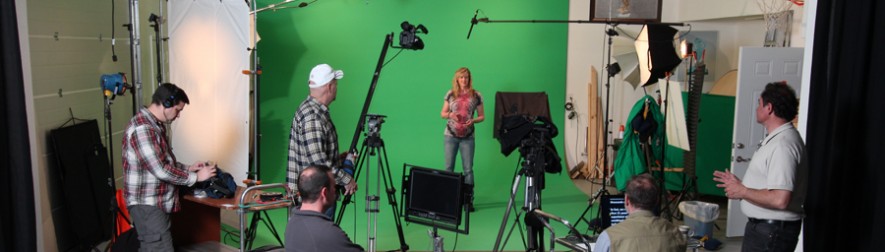
In today’s competitive content landscape, professional video production is no longer a luxury—it’s a necessity. For businesses and organizations looking to tell their story visually, the most engaging productions often combine both ground-level cinematography and dynamic aerial footage. But while drone shots can elevate the production value of a video, poorly integrated transitions between ground and aerial shots can disrupt the viewer’s experience and dilute your message.
At St Louis Video, we’ve spent decades mastering the art of blending these two distinct perspectives to create visually rich, cohesive, and compelling content that resonates with audiences and reinforces brand authority. Here’s how to do it right.
1. Plan for the Blend in Pre-Production
The secret to seamlessly integrating drone and ground footage begins before you press record. During pre-production, define your project’s narrative arc and determine where aerial footage can best enhance the story—whether that’s an opening establishing shot, a transitional sequence, or a visual climax. Consider shot types, camera movement, lighting consistency, and scene pacing so both aerial and ground teams are aligned.
At St Louis Video, our creative team works collaboratively to storyboard sequences that take advantage of the dynamic contrast between drone and ground angles, ensuring every shot has a purpose and fits smoothly into the larger visual narrative.
2. Match Camera Settings and Frame Rates
One of the most common missteps in mixing aerial and ground video is failing to match frame rates, shutter speeds, and color profiles. Whether you’re capturing footage on a drone-mounted camera or a ground-based cinema rig, consistency is key. If your drone shoots in 4K at 24fps and your ground camera records in 30fps, you’ll encounter jarring discrepancies in motion and feel.
Our operators at St Louis Video standardize camera settings across all equipment to maintain a professional and uniform aesthetic, making the footage easier to edit and far more fluid on screen.

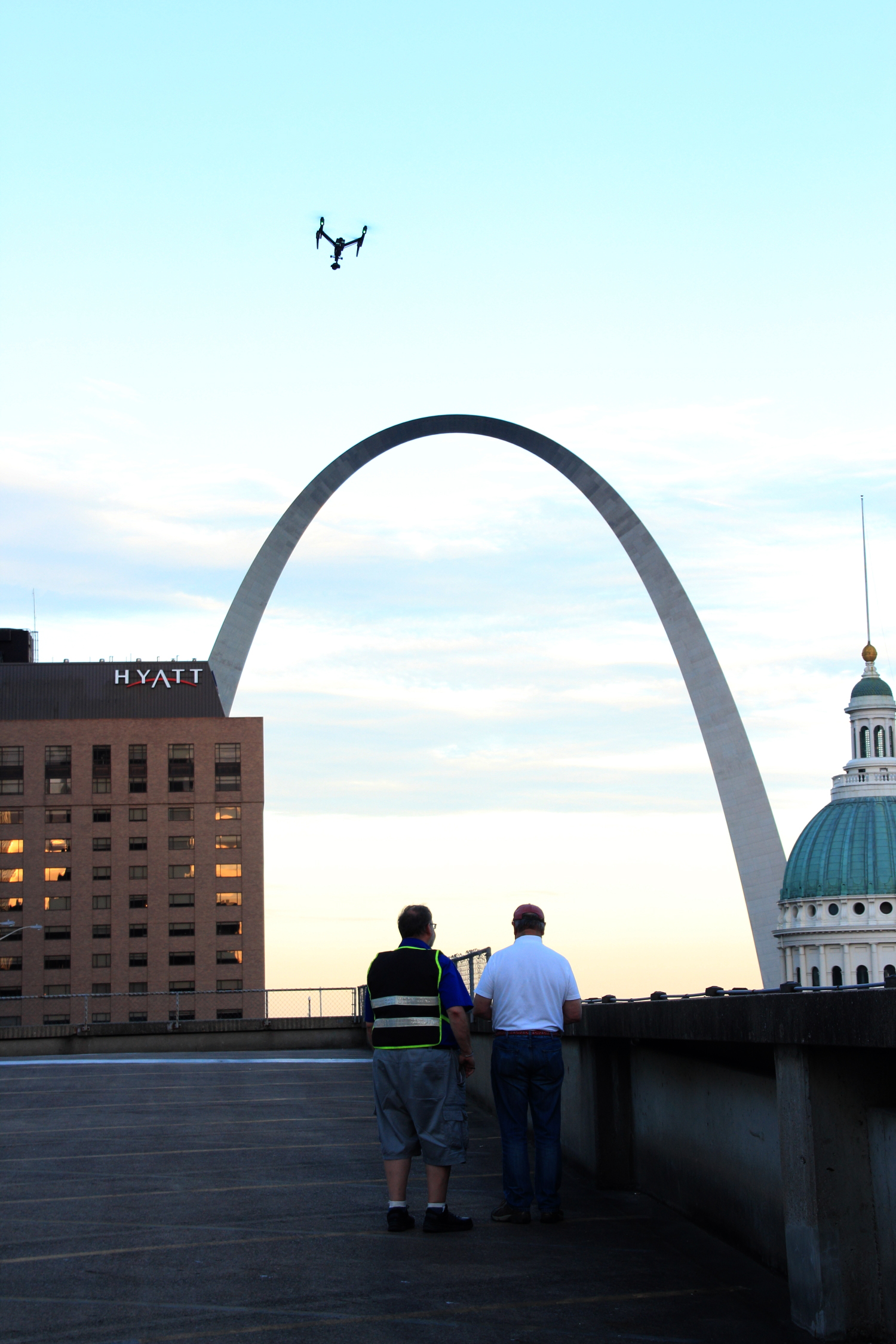

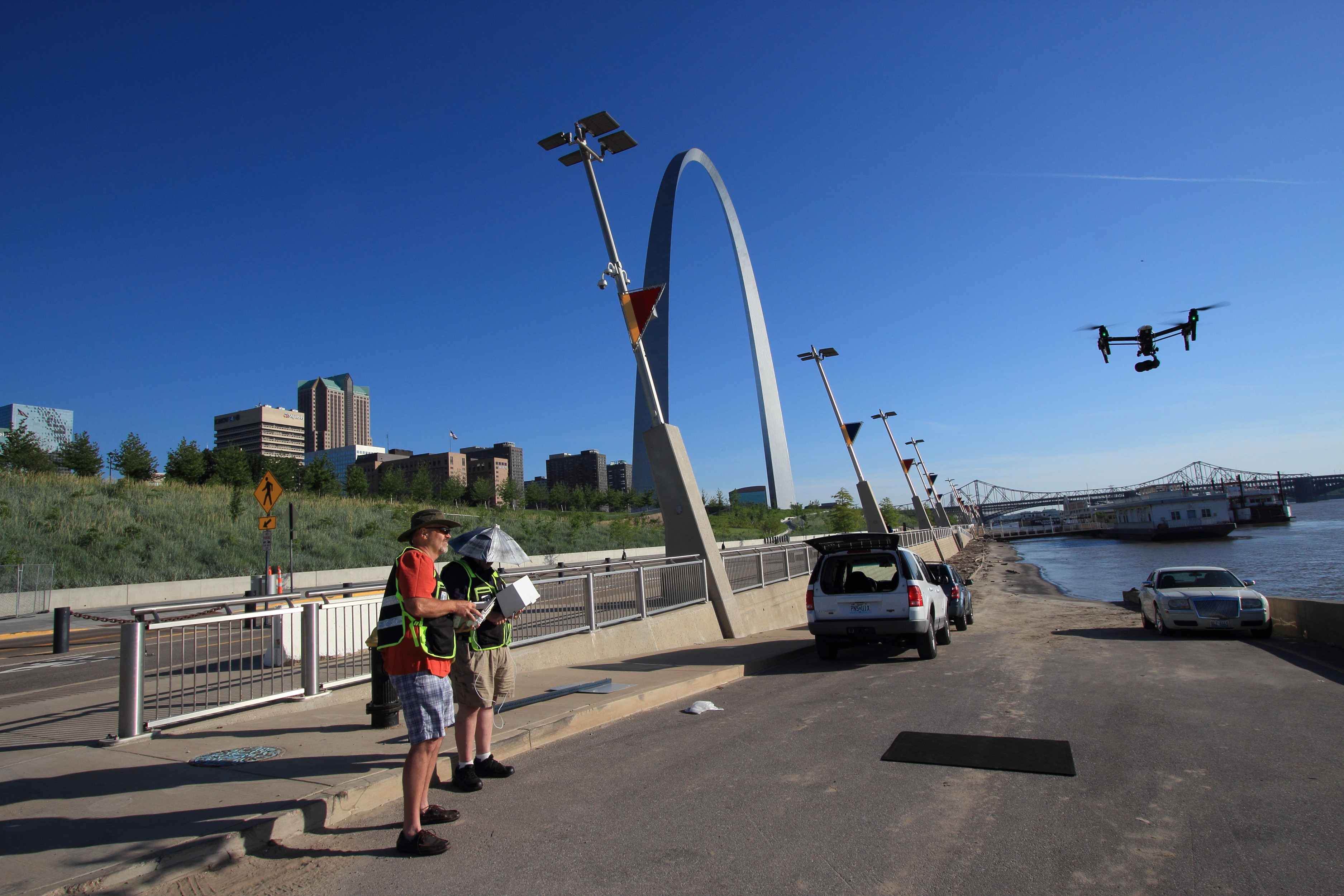
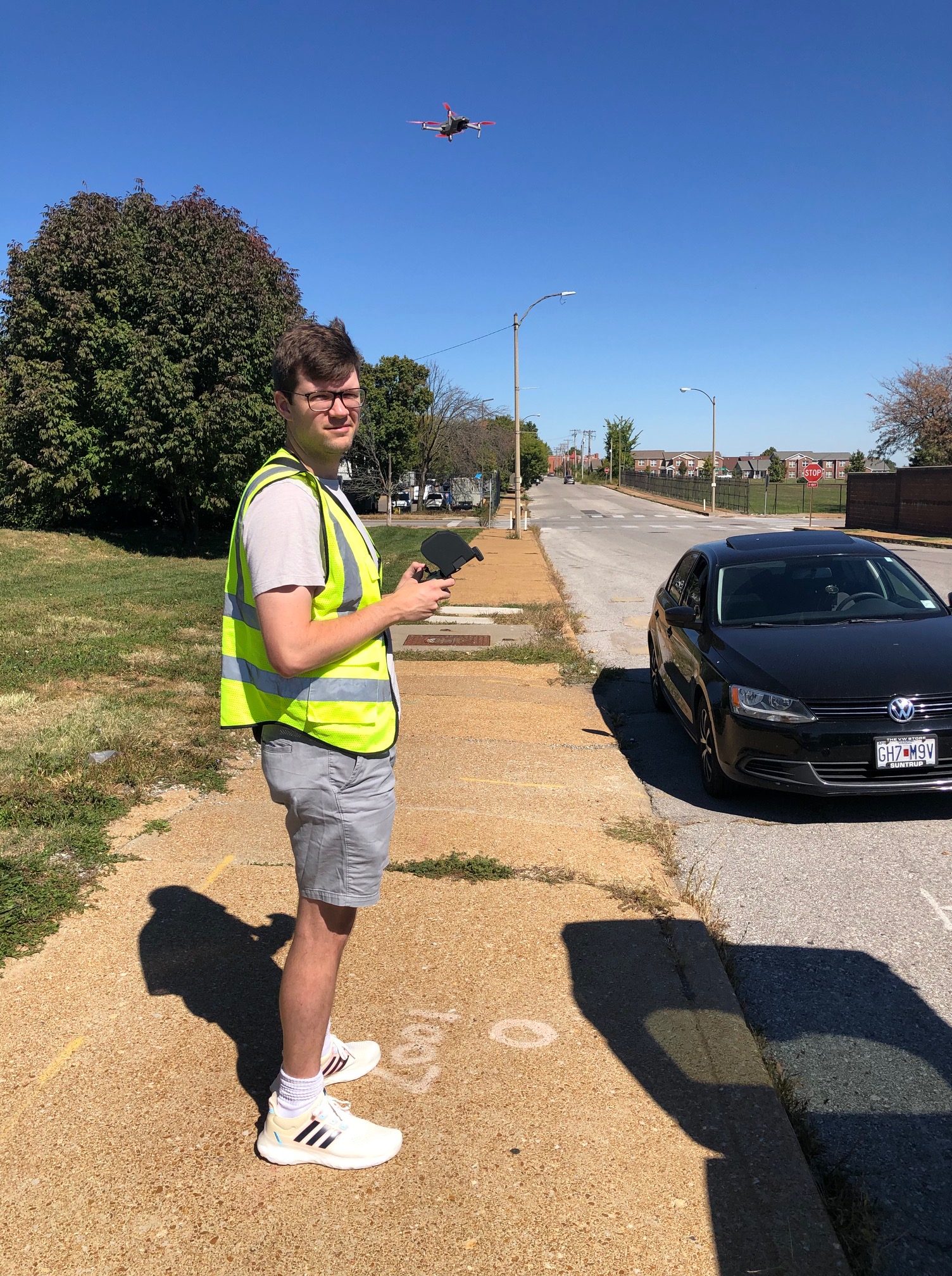
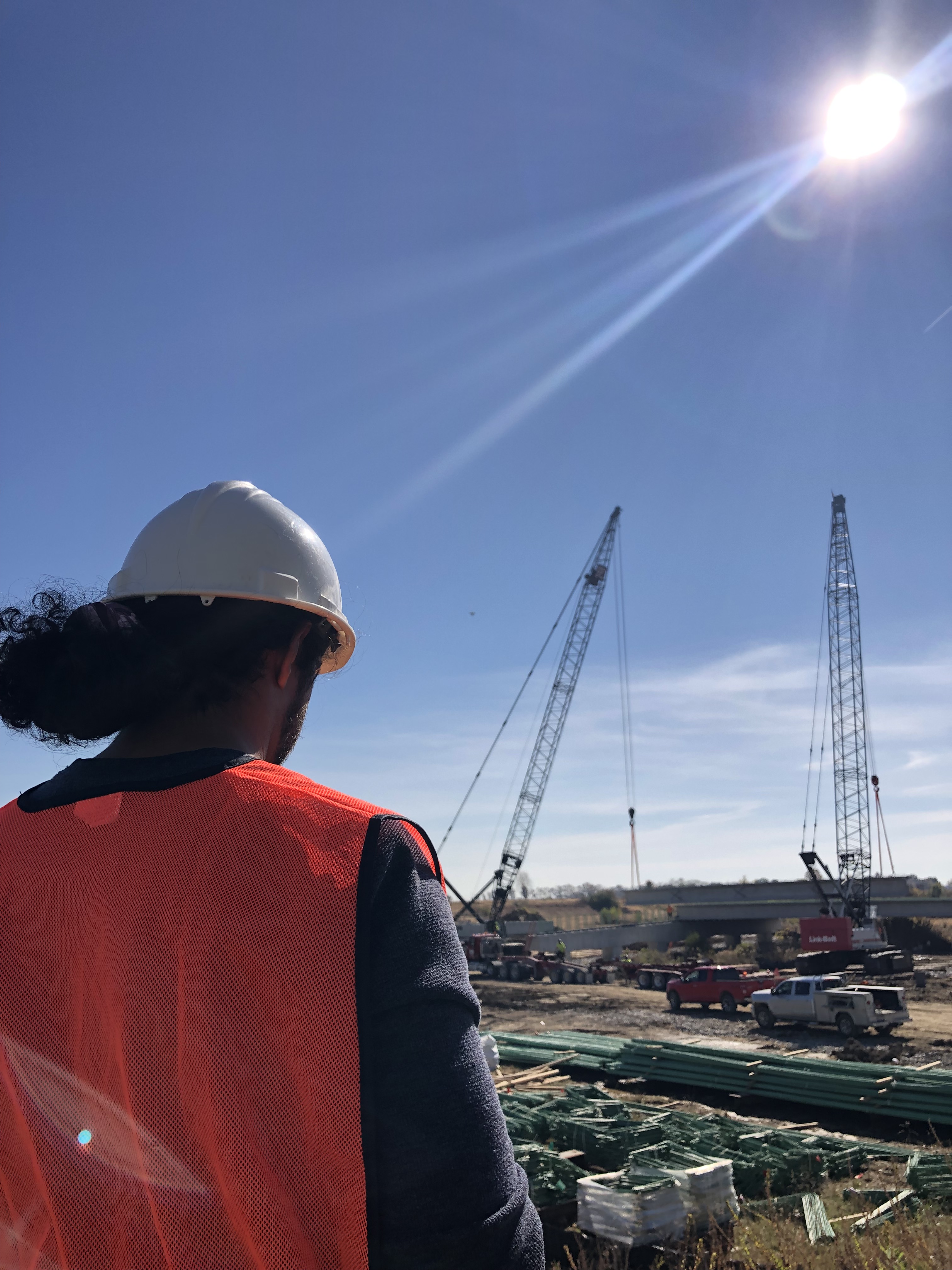

3. Use Motion to Bridge the Gap
Visual motion is a powerful editing tool when blending perspectives. For example, a tracking ground shot of a vehicle or person moving forward can cut seamlessly into a drone’s forward-moving shot from above. Matching movement direction and speed helps the eye transition naturally, creating an uninterrupted flow that keeps the viewer immersed.
Whether we’re filming a logistics company’s fleet rolling out or a real estate development’s landscape reveal, we use movement cues to ensure edits feel intentional and cinematic.
4. Mind Your Light and Weather Conditions
A sunny drone shot won’t pair well with a cloudy ground sequence. Lighting mismatches not only undermine the production quality but also draw attention to the edit. That’s why we closely monitor weather conditions and schedule both aerial and ground shoots under similar lighting conditions for seamless integration.
Additionally, our drone pilots and ground crews are in constant communication on shoot days to adjust to changing light and adapt accordingly—something many less experienced crews overlook.
5. Color Grading Ties It All Together
Even with perfectly matched shots, raw footage often requires color grading to bring both perspectives into alignment. Drone cameras typically have different sensors and color science than ground cameras. In post-production, we apply consistent LUTs (Look-Up Tables), contrast adjustments, and saturation tuning to unify the look and feel of the entire video.
At St Louis Video, our in-house editors specialize in color matching across devices, ensuring your brand’s visual identity remains consistent from the ground to the sky.
6. Add Subtle Sound Design for Continuity
Sound is an often-overlooked ally in visual transitions. By layering continuous ambient audio or well-chosen music tracks over both drone and ground scenes, you help the viewer’s ear bridge the visual transition. Fading in natural sounds like wind, footsteps, or city ambiance adds realism and maintains engagement.
Why Choose St Louis Video for Ground + Drone Integration?
At St Louis Video, we specialize in professional video production that blends storytelling, technical expertise, and artistic vision. Since 1982, we’ve served businesses, marketing firms, and creative agencies in the St. Louis region with full-service studio and on-location video and photography production.
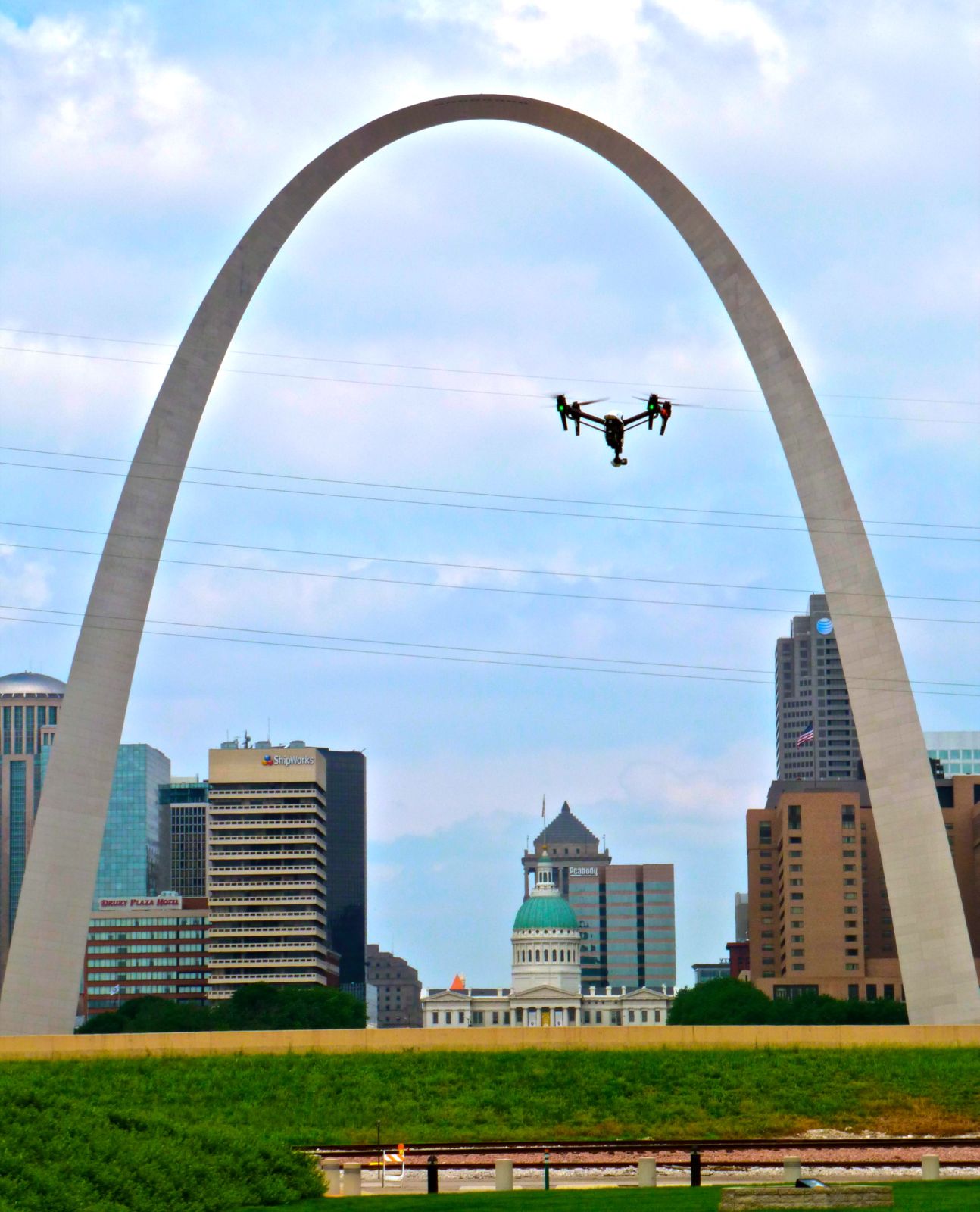
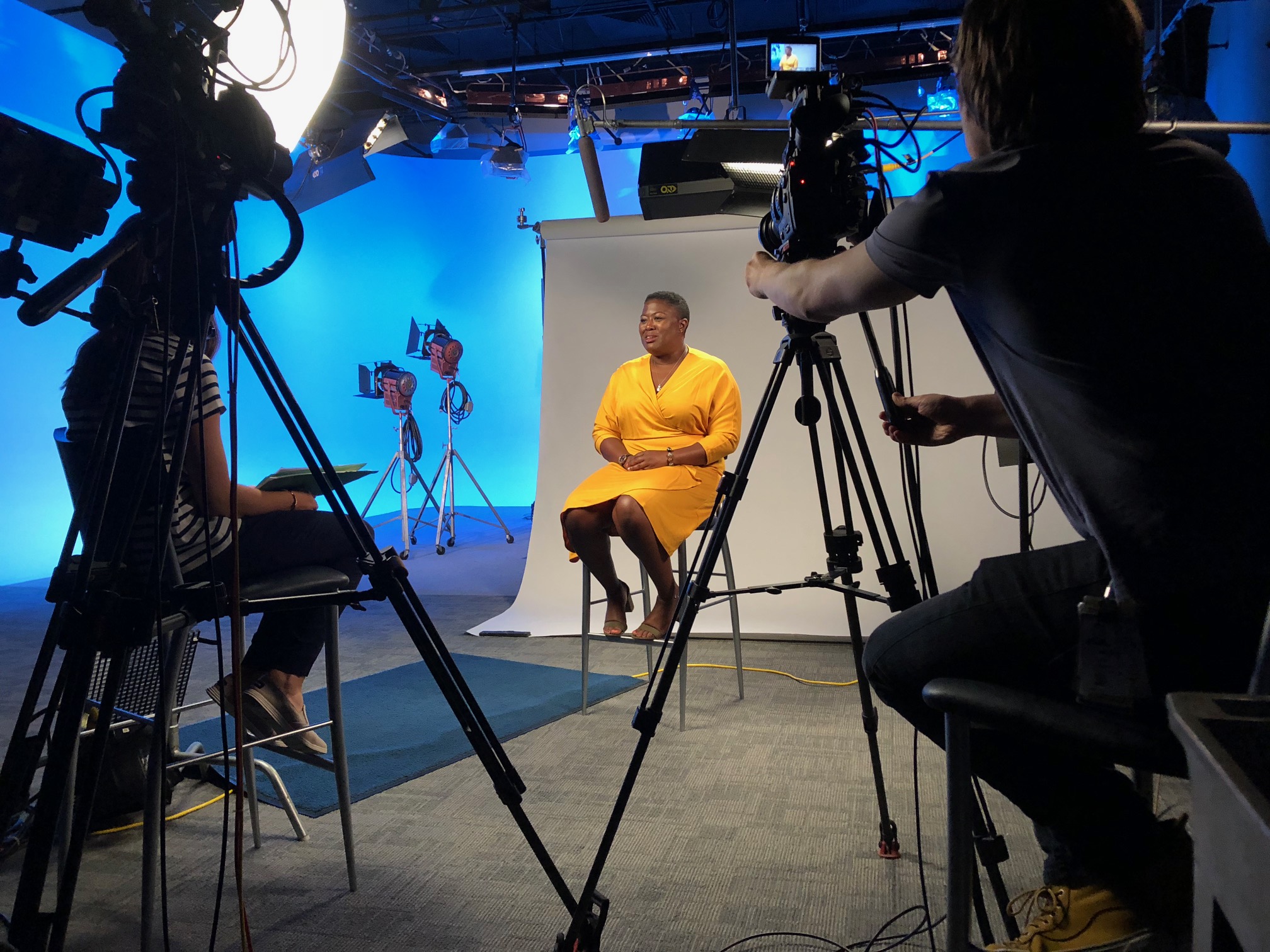
Whether you need sweeping drone footage, polished ground-level cinematography, or smooth transitions that make both look like part of the same scene, we’ve got the experience and equipment to make it happen. Our private studio space is tailored for interview and product shoots, and our certified drone pilots can even fly indoors when the location requires it.
We’re not just capturing footage—we’re crafting cohesive content that gets results. From AI-enhanced post-production to creative repurposing of your brand’s visual assets, we handle every detail to ensure your message lands with clarity and impact.
Let St Louis Video help you elevate your next production—from ground to sky, and everything in between.
















 St Louis Video & Photo