Seamless Perspectives: How to Smoothly Blend Ground Footage with Drone Shots for Compelling Business Videos

In today’s competitive content landscape, professional video production is no longer a luxury—it’s a necessity. For businesses and organizations looking to tell their story visually, the most engaging productions often combine both ground-level cinematography and dynamic aerial footage. But while drone shots can elevate the production value of a video, poorly integrated transitions between ground and aerial shots can disrupt the viewer’s experience and dilute your message.

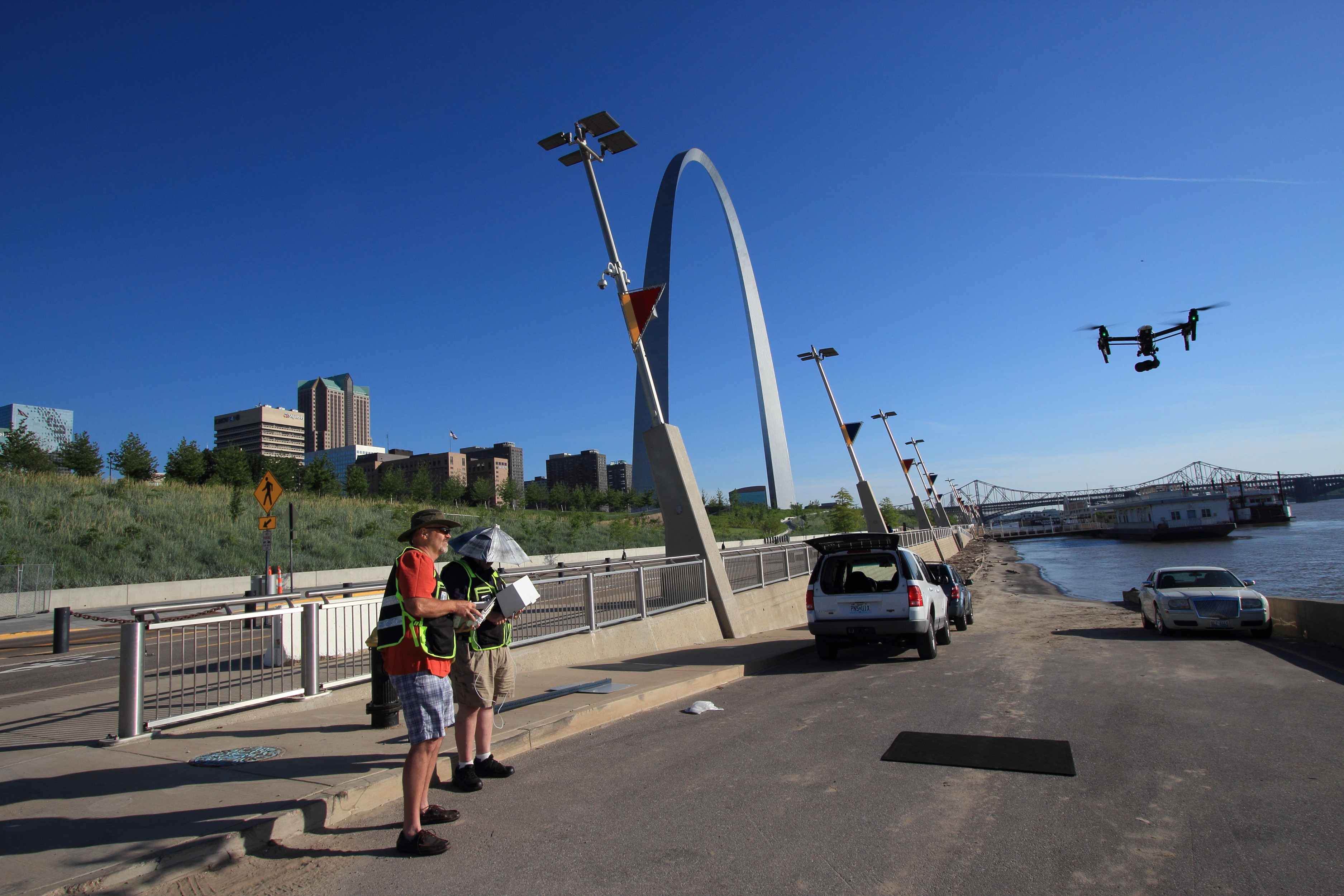
At St Louis Video, we’ve spent decades mastering the art of blending these two distinct perspectives to create visually rich, cohesive, and compelling content that resonates with audiences and reinforces brand authority. Here’s how to do it right.


1. Plan for the Blend in Pre-Production

The secret to seamlessly integrating drone and ground footage begins before you press record. During pre-production, define your project’s narrative arc and determine where aerial footage can best enhance the story—whether that’s an opening establishing shot, a transitional sequence, or a visual climax. Consider shot types, camera movement, lighting consistency, and scene pacing so both aerial and ground teams are aligned.

At St Louis Video, our creative team works collaboratively to storyboard sequences that take advantage of the dynamic contrast between drone and ground angles, ensuring every shot has a purpose and fits smoothly into the larger visual narrative.


2. Match Camera Settings and Frame Rates

One of the most common missteps in mixing aerial and ground video is failing to match frame rates, shutter speeds, and color profiles. Whether you’re capturing footage on a drone-mounted camera or a ground-based cinema rig, consistency is key. If your drone shoots in 4K at 24fps and your ground camera records in 30fps, you’ll encounter jarring discrepancies in motion and feel.

Our operators at St Louis Video standardize camera settings across all equipment to maintain a professional and uniform aesthetic, making the footage easier to edit and far more fluid on screen.

3. Use Motion to Bridge the Gap

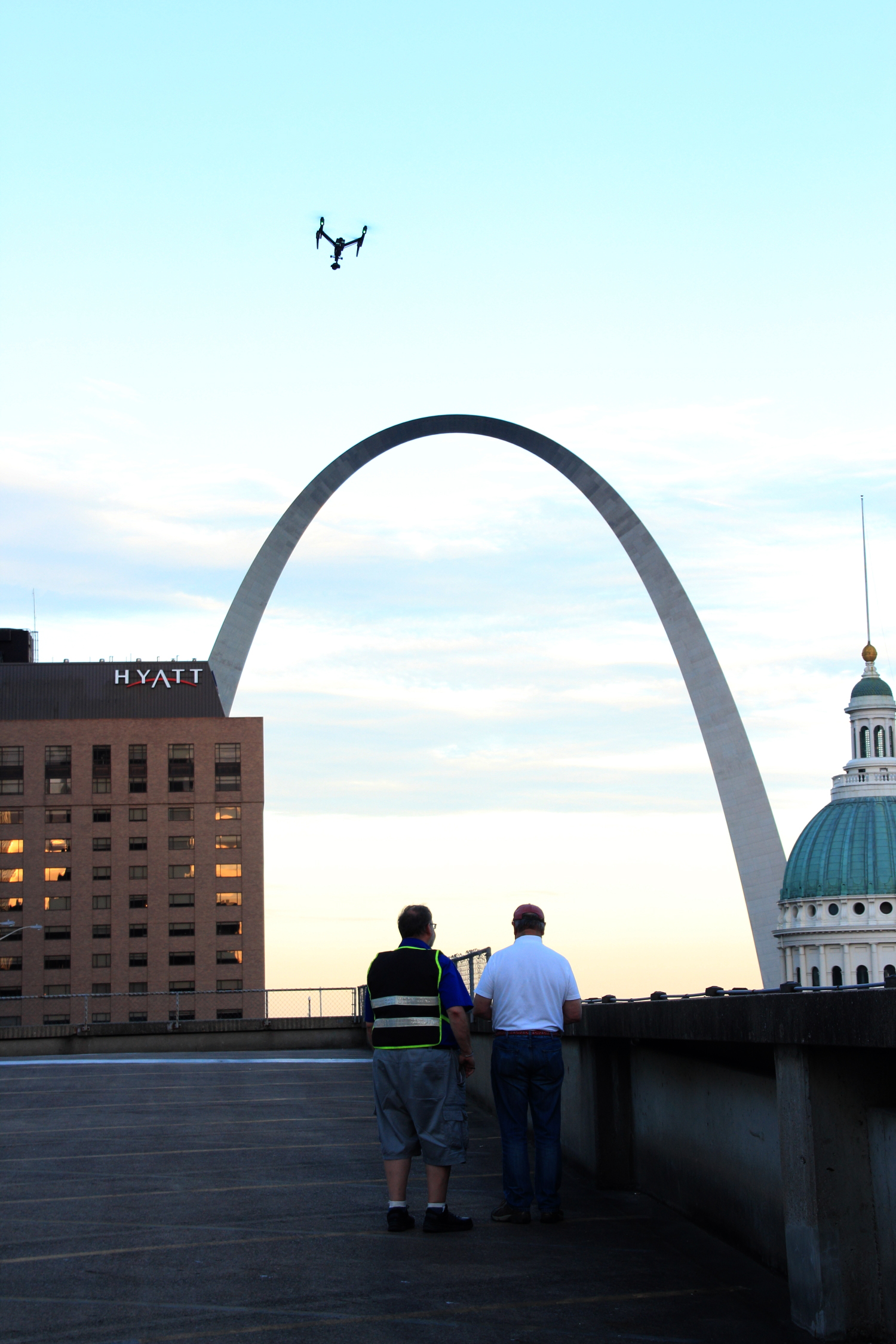
Visual motion is a powerful editing tool when blending perspectives. For example, a tracking ground shot of a vehicle or person moving forward can cut seamlessly into a drone’s forward-moving shot from above. Matching movement direction and speed helps the eye transition naturally, creating an uninterrupted flow that keeps the viewer immersed.

Whether we’re filming a logistics company’s fleet rolling out or a real estate development’s landscape reveal, we use movement cues to ensure edits feel intentional and cinematic.


4. Mind Your Light and Weather Conditions

A sunny drone shot won’t pair well with a cloudy ground sequence. Lighting mismatches not only undermine the production quality but also draw attention to the edit. That’s why we closely monitor weather conditions and schedule both aerial and ground shoots under similar lighting conditions for seamless integration.

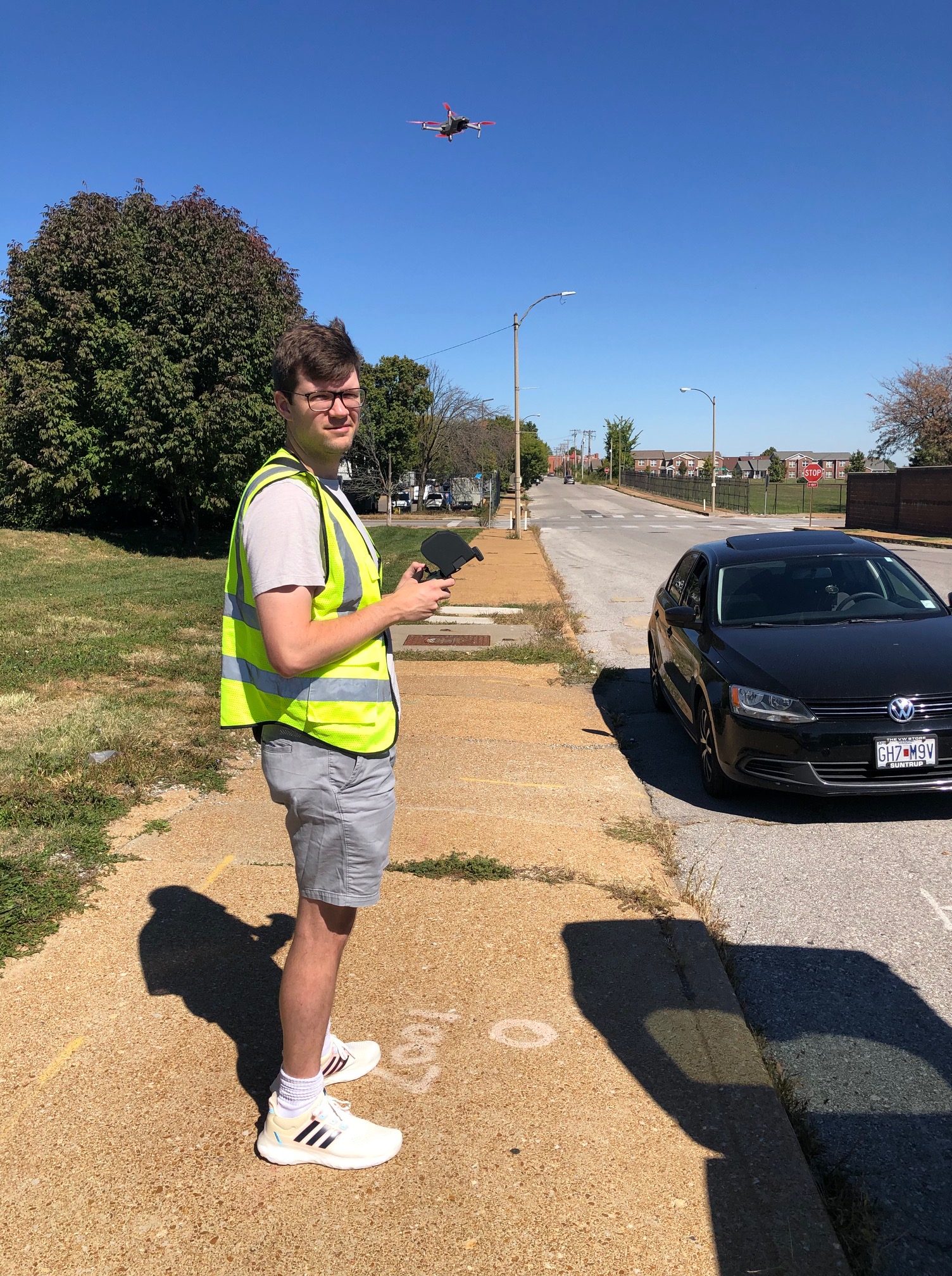
Additionally, our drone pilots and ground crews are in constant communication on shoot days to adjust to changing light and adapt accordingly—something many less experienced crews overlook.


5. Color Grading Ties It All Together

Even with perfectly matched shots, raw footage often requires color grading to bring both perspectives into alignment. Drone cameras typically have different sensors and color science than ground cameras. In post-production, we apply consistent LUTs (Look-Up Tables), contrast adjustments, and saturation tuning to unify the look and feel of the entire video.

At St Louis Video, our in-house editors specialize in color matching across devices, ensuring your brand’s visual identity remains consistent from the ground to the sky.


6. Add Subtle Sound Design for Continuity

Sound is an often-overlooked ally in visual transitions. By layering continuous ambient audio or well-chosen music tracks over both drone and ground scenes, you help the viewer’s ear bridge the visual transition. Fading in natural sounds like wind, footsteps, or city ambiance adds realism and maintains engagement.


Why Choose St Louis Video for Ground + Drone Integration?

At St Louis Video, we specialize in professional video production that blends storytelling, technical expertise, and artistic vision. Since 1982, we’ve served businesses, marketing firms, and creative agencies in the St. Louis region with full-service studio and on-location video and photography production.

Whether you need sweeping drone footage, polished ground-level cinematography, or smooth transitions that make both look like part of the same scene, we’ve got the experience and equipment to make it happen. Our private studio space is tailored for interview and product shoots, and our certified drone pilots can even fly indoors when the location requires it.

We’re not just capturing footage—we’re crafting cohesive content that gets results. From AI-enhanced post-production to creative repurposing of your brand’s visual assets, we handle every detail to ensure your message lands with clarity and impact.

Let St Louis Video help you elevate your next production—from ground to sky, and everything in between.

314-913-5626
stlouisvideos@gmail.com

Essential Tips for Managing Time on Shooting Day for Your Business Video

Shooting a business video is an exciting endeavor, but it can also be a logistical challenge. As a photographer and video director with years of experience at St Louis Video, I’ve learned that effective time management is crucial for a successful shoot. In this guide, I’ll share essential tips to help you streamline your shooting day and maximize productivity.

Having contingency plans in place allows you to navigate unforeseen circumstances without derailing the entire production.

Pre-Production Preparation

1. Plan Thoroughly: Before the shooting day arrives, spend ample time planning every aspect of the shoot. This includes scripting, storyboarding, location scouting, and assembling necessary equipment. A well-thought-out plan lays the foundation for a smooth production process.

2. Create a Detailed Schedule: Develop a comprehensive shooting schedule that outlines each segment of the video production process. Allocate specific time slots for setup, filming, breaks, and teardown. Having a structured timeline keeps everyone on track and minimizes downtime.

3. Communicate Effectively: Clear communication is key to efficient time management. Make sure everyone involved in the production understands their roles and responsibilities. Establishing open lines of communication ensures that any issues or concerns can be addressed promptly.

On Set Efficiency

4. Set Up Efficiently: Arrive at the shooting location early to set up equipment and prepare the scene. Organize gear in a systematic manner to minimize setup time. Utilize checklists to ensure that nothing is overlooked during the setup process.

5. Maximize Natural Light: If possible, leverage natural light sources to enhance the visual quality of your video. Position the subject near windows or outdoor spaces to take advantage of natural lighting conditions. This not only saves time on artificial lighting setup but also creates a more authentic aesthetic.

6. Limit Takes: While it’s essential to capture the perfect shot, excessive takes can eat up valuable time. Encourage performers and presenters to rehearse beforehand to minimize the need for multiple retakes. Strive for efficiency without compromising on quality.

7. Be Flexible: Despite meticulous planning, unexpected challenges may arise during the shoot. Stay adaptable and be prepared to make adjustments on the fly. Having contingency plans in place allows you to navigate unforeseen circumstances without derailing the entire production.

Post-Production Optimization

8. Organize Footage Immediately: After wrapping up the shoot, organize footage and media files promptly. Establish a structured file naming system to facilitate easy access and retrieval during the editing process. Proper organization streamlines post-production workflows and saves time searching for specific assets.

9. Prioritize Editing Tasks: Identify critical editing tasks and prioritize them based on their impact on the final product. Focus on assembling the core narrative elements first before fine-tuning details such as color grading and sound mixing. Efficient editing practices help expedite the post-production process without sacrificing quality.

10. Seek Feedback: Collaborate with clients or stakeholders to gather feedback throughout the editing process. Incorporate revisions and adjustments promptly to ensure the final product meets their expectations. Clear communication and iterative feedback loops are essential for delivering a polished end result within the designated timeframe.

Conclusion

Effective time management is essential for optimizing productivity and ensuring a successful business video shoot. By implementing the tips outlined in this guide, you can streamline your production process, minimize downtime, and deliver high-quality results that resonate with your audience.

As a full-service video and photography production company, St Louis Video has worked with many businesses, marketing firms, and agencies in the St. Louis area for their corporate photography and video. Our experienced team, state-of-the-art equipment, and creative approach ensure that your conference documentation receives the attention it deserves. Whether you require studio or location shoots, editing, or post-production services, we have the expertise to bring your vision to life. Contact us today to discuss how we can tailor our services to meet your specific needs.

Call to Action: Contact St Louis Video today to learn more about our comprehensive photography and video production services tailored for businesses like yours.

314-913-5626
stlouisvideos@gmail.com

The Impact of Industrial Photography and Videography on Branding and Marketing

By Rob Haller, Creative Director

Industrial photography and videography play a significant role in shaping the branding and marketing efforts of businesses today. With the ever-increasing importance of visual content in capturing the attention of target audiences, these visual mediums have become essential tools for effectively communicating a company’s message, showcasing products and services, and establishing a strong brand presence. In this article, we will explore the profound impact of industrial photography and videography on branding and marketing strategies.

We possess the technical skills, knowledge of lighting techniques, and composition expertise to produce high-quality visuals that effectively communicate a company’s message.

The Power of Visual Storytelling

Visual content has a unique ability to engage and resonate with audiences in ways that written or spoken words alone cannot achieve. Industrial photography and videography enable companies to tell compelling stories about their brand, products, and processes. By capturing captivating images and videos, businesses can effectively communicate their values, quality, and uniqueness, creating an emotional connection with consumers.

High-quality visual content has the power to evoke strong emotions, inspire trust, and differentiate a brand from its competitors. Whether it’s showcasing a state-of-the-art manufacturing facility, highlighting the craftsmanship behind a product, or capturing the dedication of a team, industrial photography and videography have the ability to convey a company’s narrative in a visually compelling manner.

Enhancing Brand Perception and Credibility

In today’s competitive marketplace, building a strong brand identity and establishing credibility are crucial for success. Industrial photography and videography help businesses achieve these goals by visually representing their expertise, professionalism, and attention to detail. By showcasing the physical aspects of their operations and the people behind the scenes, companies can humanize their brand and create a sense of authenticity.

When potential customers see high-quality images and videos that portray a company’s facilities, equipment, and skilled workforce, they develop a positive perception of the brand. Visual content can convey a sense of trustworthiness and reliability, leading to increased credibility and a competitive edge in the market.

Showcasing Products and Services

Industrial photography and videography are particularly valuable for businesses in industries where the products or services are complex, technical, or visually striking. These visual mediums enable companies to effectively showcase the features, functionality, and benefits of their offerings.

Product photography allows businesses to capture the intricate details, design elements, and craftsmanship of their products. Whether it’s a cutting-edge piece of technology, a finely crafted piece of furniture, or an industrial machine, high-quality product images can captivate potential customers, generate interest, and drive sales.

Videography takes product showcasing to the next level by providing dynamic visuals, demonstrations, and storytelling opportunities. With videos, businesses can demonstrate the usage, performance, and unique selling points of their products or services. Engaging videos can educate customers, highlight product differentiation, and create a desire to own or experience what the company has to offer.

Social Media and Online Presence

In the age of social media dominance, visual content is king. Platforms like Instagram, YouTube, and Facebook heavily rely on engaging visuals to capture and retain users’ attention. Industrial photography and videography are essential tools for businesses looking to establish a strong online presence and effectively engage with their target audience.

Eye-catching visuals can quickly grab the scrolling thumb of social media users, compelling them to stop and pay attention to a brand’s message. By consistently sharing visually appealing content, businesses can increase their social media reach, enhance brand recognition, and drive website traffic.

Additionally, visual content is more likely to be shared by users, expanding a brand’s online visibility and attracting potential customers. The captivating nature of industrial photography and videography makes them highly shareable assets, allowing companies to reach a broader audience and amplify their brand message.

Creating a Cohesive Brand Experience

Industrial photography and videography contribute to creating a cohesive brand experience across various marketing channels. Consistency is key in building a strong brand identity, and visual content plays a vital role in ensuring that consistency.

By employing a consistent visual style, color palette, and overall aesthetic in industrial photography and videography, businesses can reinforce their brand’s visual identity. This consistency helps consumers recognize and associate the visuals with the brand, leading to increased brand recall and a stronger brand image.

Whether it’s on a company website, in print advertisements, on social media platforms, or in promotional videos, maintaining a unified visual language enhances the overall brand experience. When customers encounter cohesive visual elements across different touchpoints, they develop a sense of familiarity, trust, and loyalty towards the brand.

Furthermore, industrial photography and videography allow businesses to align their visuals with their brand’s values and personality. For example, a company emphasizing innovation and cutting-edge technology can showcase their facilities and products in a futuristic and sleek manner. On the other hand, a brand that focuses on sustainability and environmental consciousness can use visuals that highlight eco-friendly practices and natural elements.

Engaging with Target Audiences

Industrial photography and videography enable businesses to connect with their target audiences on a deeper level. Through carefully crafted visuals, companies can cater to the preferences, interests, and aspirations of their specific customer base.

By understanding the demographics, lifestyle, and motivations of their target audience, businesses can create visual content that resonates with them. Industrial photography and videography provide an opportunity to showcase real people using and benefiting from a product or service, allowing potential customers to envision themselves in similar situations.

Moreover, visually engaging content has a higher chance of sparking conversations and interactions. Compelling images and videos invite viewers to like, comment, and share, fostering engagement and building a community around the brand. This active engagement not only strengthens the relationship between the brand and its audience but also increases the visibility of the brand through social media algorithms.

Keeping Up with Industry Trends

The field of industrial photography and videography is constantly evolving, driven by advancements in technology, consumer preferences, and market trends. To stay competitive, businesses need to adapt and leverage these trends in their branding and marketing strategies.

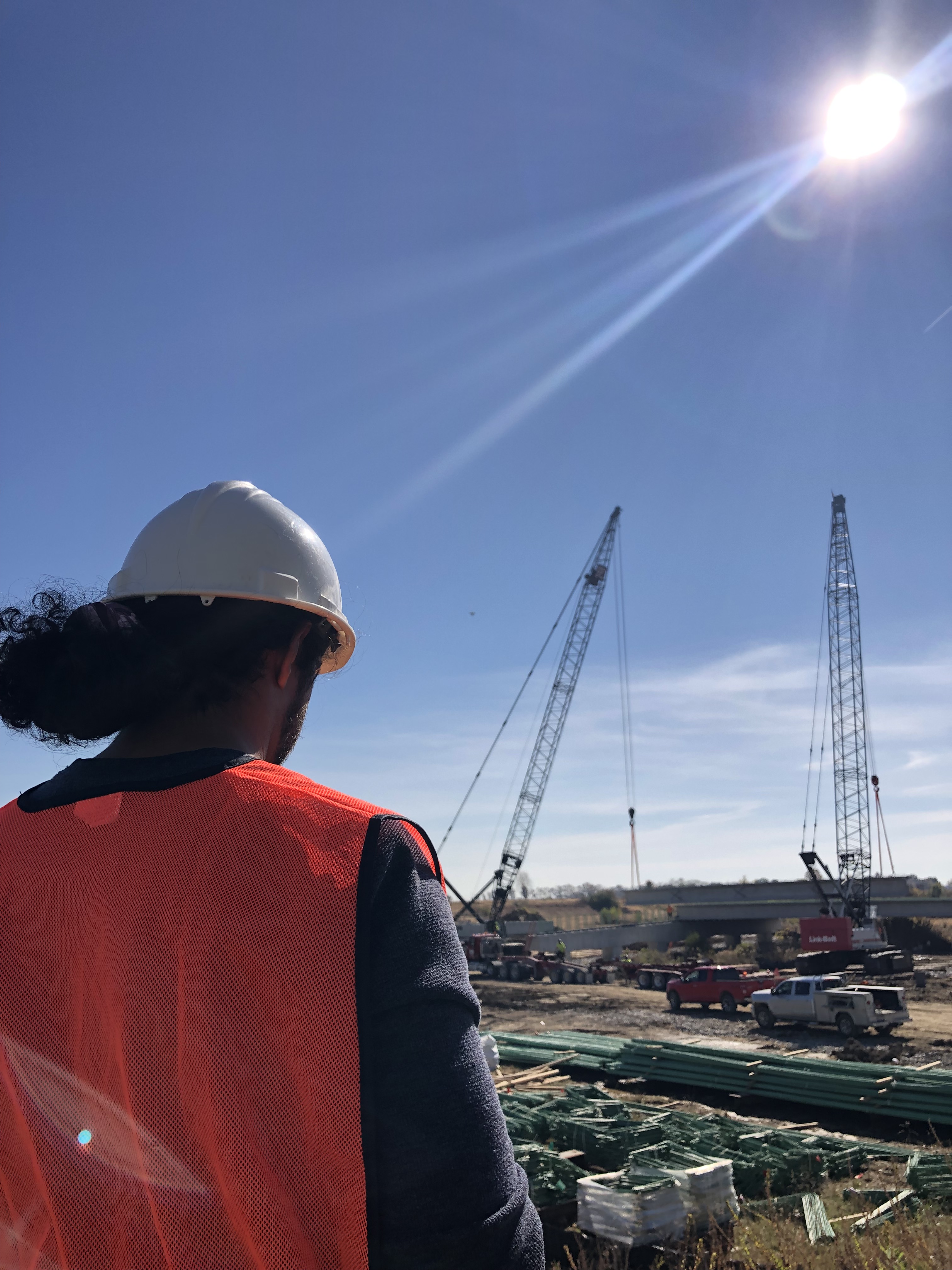
For instance, the rise of drone photography and videography has opened up new possibilities for capturing unique and aerial perspectives of industrial facilities, construction sites, and large-scale projects. This trend allows businesses to showcase their operations from exciting angles, creating visually stunning content that stands out from the crowd.

Similarly, the emergence of 360-degree photography and virtual reality (VR) experiences offers immersive ways to engage with customers. By providing virtual tours of manufacturing facilities, demonstrating product functionalities through VR, or creating interactive experiences, companies can differentiate themselves and provide a memorable brand encounter.

It is essential for businesses to stay updated with the latest trends in industrial photography and videography to ensure their visual content remains fresh, relevant, and appealing to their target audience.

Hiring Professionals for Industrial Photography and Videography

While smartphones and entry-level cameras have made photography and videography more accessible, industrial branding and marketing require a higher level of expertise and quality. Hiring professional photographers and videographers with experience in industrial settings is crucial to achieve the desired results.

Professional industrial photographers and videographers understand how to capture the essence of a brand, highlight key features, and create visually compelling narratives. They possess the technical skills, knowledge of lighting techniques, and composition expertise to produce high-quality visuals that effectively communicate a company’s message.

Working with professionals also ensures that the visual content aligns with the brand’s identity and marketing objectives. They can guide businesses in selecting the right locations, props, and models, and provide creative direction throughout the process. Additionally, professional post-production and editing services add the final touches to enhance the visual impact and overall quality of the content

314-913-5626
stlouisvideos@gmail.com

St Louis video crew for your customer testimonials and b-roll.

For some of our clients, what they really need are customer testimonials for their product landing pages, or they need professionally shot product footage or demonstration footage for use on home shopping channels and other broadcast applications. Our crew specializes in producing compelling testimonials that are real, honest and effective at selling product. And we then bring our television commercial experience to shooting “b-roll” footage.

Our creative video crew team produces a wide variety of video designed for every possible use, including tradeshows, POS, your web landing page and your YouTube channel.  As you will see from this gallery, our video crew is adept at script writing, shooting live action scenarios, shooting products and interviews, and integrating everything into your polished finished piece.

314-913-5626
Mike Haller
St Louis Video Producer
stlouisvideos@gmail.com

St Louis Video Production | Smart Music for your production

Smart Music


We focused more on the visual side in this piece, but I do want to touch on the all important sound. Music should be a bonus. Don’t rely on the music to push the story. The story should be strong and come across that way even if the film was on mute. Just because the music is sad, does not mean the audience will feel sad if the visuals don’t go along with it. But when done right, music is the icing on the cake.
There are a lot of libraries out there with scores, and if done right, these can work well. The music has to be just right for the mood. We’ve been told that our results are often amazing.

The sound and music operator controls the remote control st louis video

The sound and music operator controls the remote control st louis video

314-892-1233
Mike Haller
St Louis Video Producer
stlouisvideos@gmail.com
https://stlouisvideo.com/

How to start a video production.

What’s included in a typical video project?
Find out what comes with a standard video project, and what’s going to cost you extra. For example, does the video include scriptwriting, music, graphics, editing, actors, etc.?

What is the provider’s core area of expertise?
Learn what types of videos are in their comfort zone. If the company has built their portfolio on events coverage but you are looking for a company profile video, then it may not be the best fit for your needs.

Where can they shoot videos?
The location of your shoot can instantly narrow your search. For example, if you need to have a customer testimonial shot in Sacramento, do they have videographers there or do you need to pay for their travel?

Do they offer fixed prices that will work with your budget?
Everything can sound perfect until you see the price tag, especially if the provider has added on “extras” to your project. It’s important to ensure they can realistically stick within your budget without compromising on quality and timing.

How long does it take from project request date to delivery?
It can often be a lengthy wait from the day you put down your deposit to the day your video is delivered. To ensure your video content is timely, it’s best to go with a provider who can deliver your video within 20 business days.

Do they have a satisfaction guarantee?
Not all video providers offer satisfaction guarantees, like many crowdsourced marketplaces where it’s difficult to control the quality of freelance videographers. If there is a guarantee, read the fine print to see what it includes. Some guarantee the entire cost of the video; some only cover the referral fee.

How many projects can they handle at one time?
Some video production companies or freelancers can only handle a certain number of projects at once. If you have a few videos in mind or have tight deadlines, make sure they can meet these requirements.

How do you find out the status of your project?
Ask your video provider if they provide a window into your projects so that you can check the status, confirm deadlines, and offer feedback in real time.

Do they provide project managers?
With many crowdsoured marketplaces, you have to manage the project and the videographers, which can be difficult if producing videos is not your area of expertise. If you’re looking for a full-service team, then start your search with production houses and agencies who can manage your projects.

What marketing/sales support and resources do they offer with video production?
Once your video is complete, the next step is getting your target audience to see it. Ask the provider if they offer marketing resources so that you know what best practices to follow to get your video seen.

Do they offer video hosting? If so, is there an additional cost?
Before adding a video to your site, you will have to host it in either a free or paid video player. Find out if the video provider can host it for you, which will save you time and money from trying to find this service elsewhere.

Do they offer customizable video players?
If they offer players with their videos, inquire about special features that can help boost engagement, conversions and SEO. For example, can you add plug-ins to your player so that viewers can easily share your video on social media, contact you, or see your company’s special offers? Can you adjust the look of the player? Can you easily add metadata such as your description and keywords?

Do they offer video analytics to track performance? If so, is there an additional cost?
How did your video do? Did it achieve its goal? Results are the main reason to produce anything at all, so it’s important that you’re able to see data-based results and the value behind your video. If your provider does offer analytics, find out if they can collect the data that you need.

Can you export the data from the reports?
You might be able to see your data, but can you easily export it and format it? Can you drill into each metric to gain more individual insights?

Are there any built-in split-testing features available?
In an era where marketers are encouraged to test everything and create their own benchmarks, it would be great if the video player you use can make it easy to do so. See if you can split-test your videos, how many tests you can do, and what you can test on.

314-892-1233
Robert Haller, St Louis Video Producer
St Louis Video Production
stlouisvideoproduction@gmail.com
https://stlouisvideo.com/

st louis business video production | production and post | green screen studio

St Louis Video services include concept and scripting, video production, video post production and editing services, motion graphics, animation, duplication and distribution. We are also well versed in web design and programming so we can help you with your video marketing as well.

314-892-1233
Robert Haller, St Louis Video Producer
St Louis Video Production
stlouisvideoproduction@gmail.com

st louis video | video production services | post production | studio

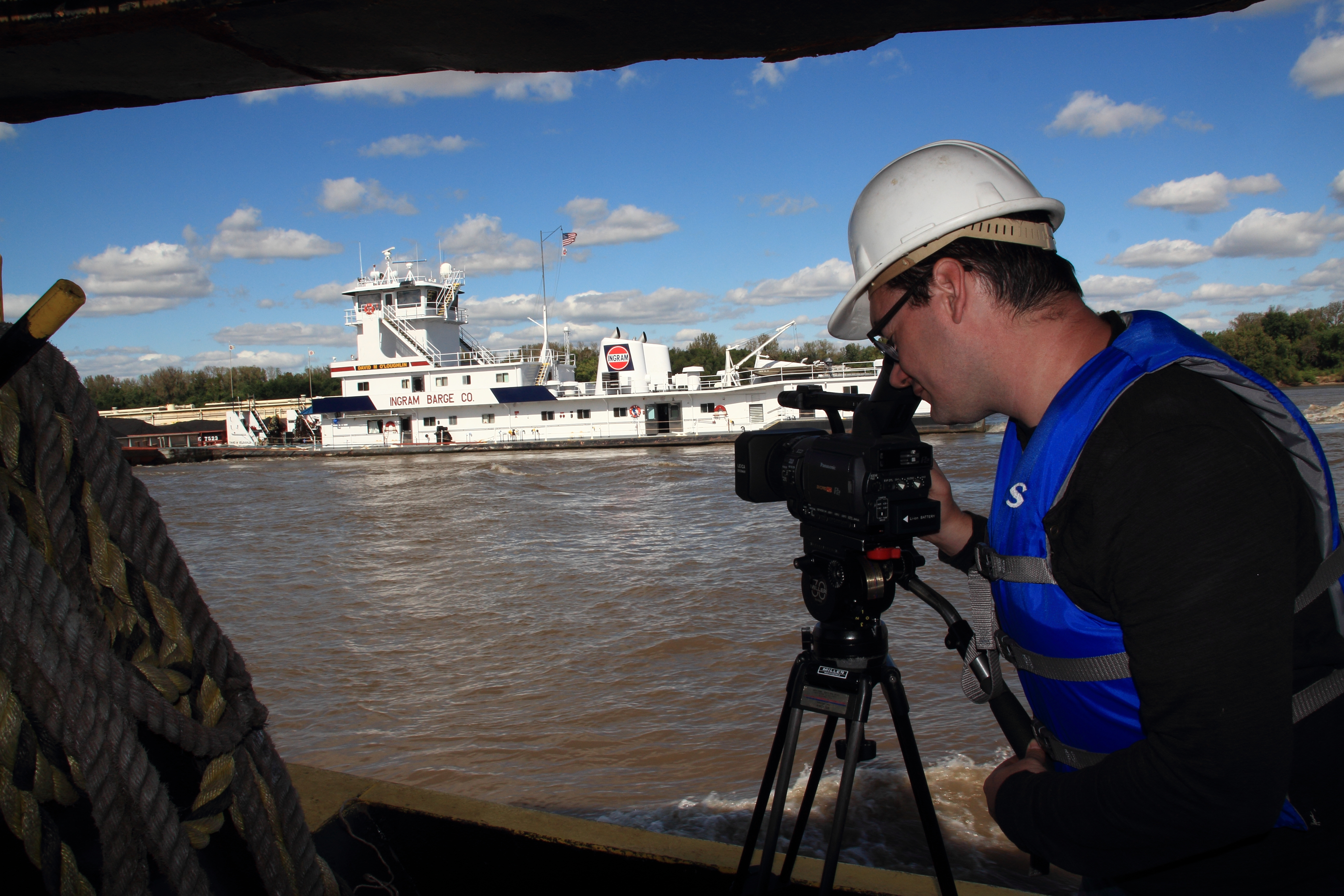
Much of this video was shot on location. There were a few studio shots, mostly of products. We captured stills and video movement to allow the editor and producer more flexibility in post production. All four productions were shot in a day. The day was perfect because of the shot list and approved script.

St Louis Video

Video Production Company, St. Louis, Missouri, USA

Rob Haller, St. Louis Video Producer

314-892-1233

stlouisvideos@gmail.com